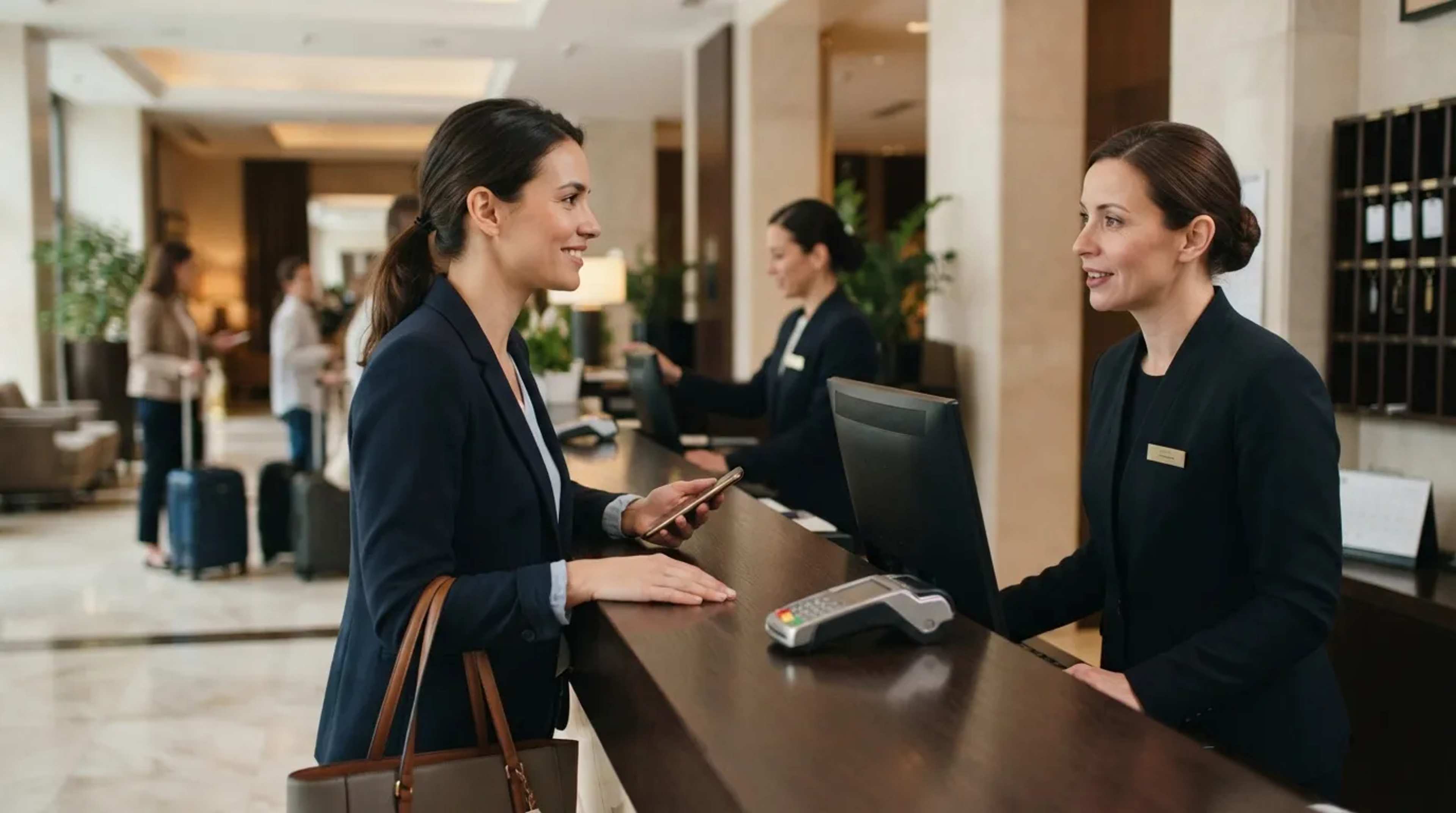
Walk into almost any hotel lobby from Lisbon to Bangkok and ask the front desk team how they spot an American guest before they even see a passport, and you’ll usually get a knowing smile. Hospitality workers around the world interact with travelers from dozens of countries every week, and certain patterns tend to repeat themselves with guests from the United States. None of this is about judgment. It’s simply what years of quiet observation behind front desks and housekeeping carts tend to reveal.
These six traits come up again and again in interviews with hotel staff, industry surveys, and firsthand accounts from people who work the front lines of hospitality. Some are logistical habits tied to American culture, while others are more about energy and expectations. Together, they paint a fairly consistent picture of how American guests show up on arrival.
1. They Tip, But Not Always Where It Counts Most
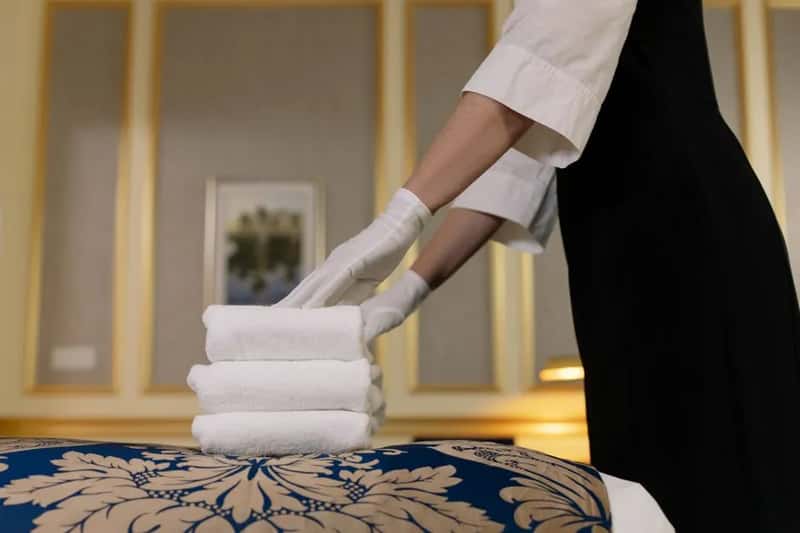
Tipping is one of the clearest giveaways, though the reality is more complicated than the stereotype suggests. It’s true that Americans usually tip service workers, largely because American workers expect tips and usually need some tip money to pay their bills. Staff notice this instinct immediately, especially compared with guests from countries where tipping is minimal or built into the bill.
Yet the follow-through doesn’t always match the reputation. While 79% of hotel guests think hotel workers should receive tips, only 59% reported leaving one at their most recent hotel stay. Housekeeping tends to be the biggest blind spot. The tip does not have to be big, just one to five dollars according to the American Hotel and Lodging Association, but fewer than a third of hotel guests leave any money for housekeepers. Staff often chalk this up to the room being an out-of-sight, out-of-mind interaction rather than any lack of generosity.
2. They Bring Their Volume With Them
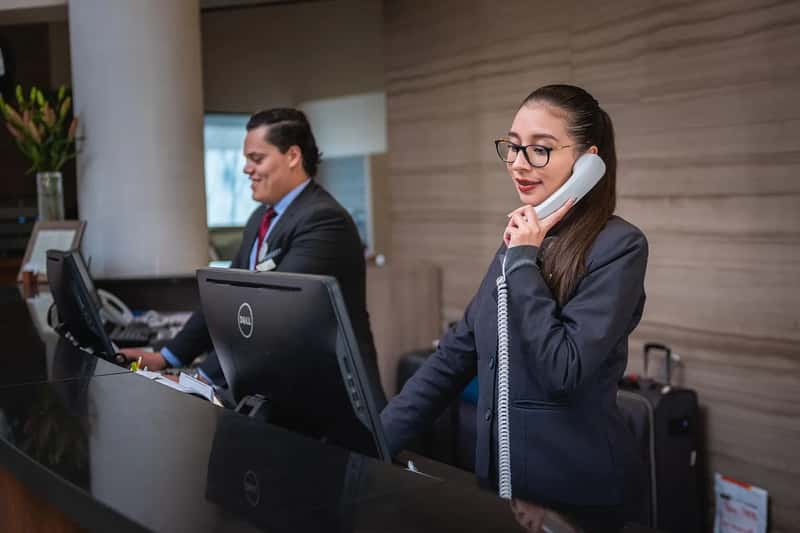
If there’s one thing hospitality workers worldwide agree on, it’s this. Hospitality workers worldwide weighed in on American travel habits, and one thing everyone agrees on is that Americans come across at full volume. It’s rarely meant as rudeness. It’s simply a different baseline for conversational energy, whether that’s chatting across a breakfast buffet or catching up with family in a hotel elevator.
This trait gets picked up on almost instantly by front desk staff, especially in countries where public spaces tend to run quieter. It doesn’t always land as a negative either. Plenty of staff describe it as part of an overall warmth that comes with American guests, even if the decibel level takes some getting used to during a slow morning shift.
3. They Treat Everyone the Same Way
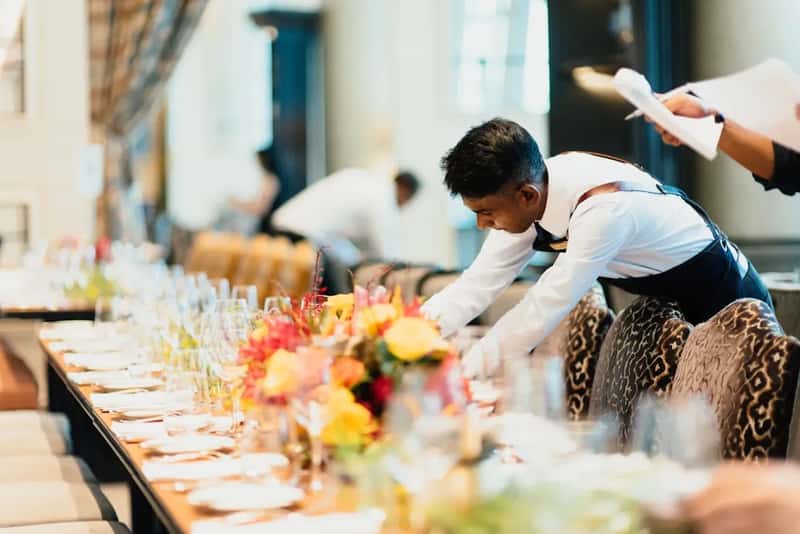
One trait that consistently surprises hotel staff, particularly those who’ve served wealthy guests from other regions, is how American visitors interact across the staffing hierarchy. Some nationalities treat staff with visible distance, while Americans tend to be the opposite, treating a CEO, a busboy, and a random person in the street all the same. That consistency of tone, whether talking to a valet or a hotel general manager, tends to leave a strong impression.
This egalitarian instinct often extends to small talk. Staff frequently mention that American guests are more likely to ask about someone’s day, remember a first name, or strike up a casual conversation at checkout. It’s a small habit, but it’s one that repeat hospitality workers notice within the first few minutes of an interaction.
4. They Show Up Early and Stay Busy

American guests have a reputation for packing their days, and staff notice this rhythm quickly. Despite stereotypes about laziness, Americans were usually among the first people to show up at the breakfast room, starting their day early and spending the whole day outside discovering the city. This pattern holds up across a lot of anecdotal accounts from people working breakfast service and front desks in popular tourist destinations.
That early start often comes with a packed itinerary too. Travelers arriving from the US tend to treat a trip like a checklist of sights and experiences to get through, rather than settling into a slower pace. Hotel staff sometimes contrast this with guests who spend entire days lounging by the pool, noting that Americans are far more likely to be out the door before nine.
5. They Expect Certain Comforts as Standard
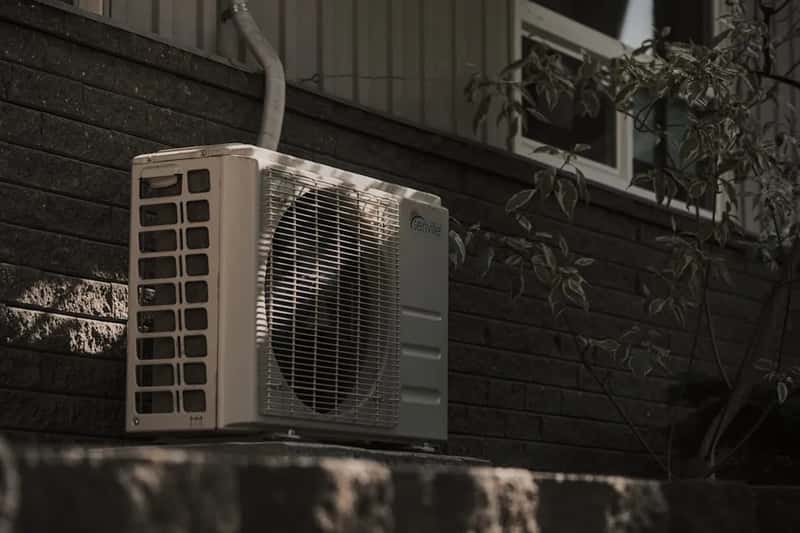
Some habits are less about behavior and more about baked-in expectations from home. Small things stand out immediately, like a love of air conditioning, ice in drinks, and ample water at restaurants. In parts of the world where air conditioning is less common or ice is served sparingly, these requests are an instant tell.
Staff at properties that cater heavily to American travelers have learned to anticipate these preferences well before check-in, stocking extra ice buckets or confirming that air conditioning units are fully functional. It’s less a complaint from hotel workers and more a practical adjustment, since guests from the US are simply used to a different baseline of climate control and drink service than travelers from many other regions.
6. They Want Fast, Efficient Problem-Solving

American guests tend to arrive with high expectations around speed and responsiveness, a pattern that lines up with broader shifts in the hotel industry. Guests increasingly expect fast, personalized and seamless service that matches the best digital experiences they have elsewhere. Staff report that American travelers are often quicker to flag an issue and quicker to expect it resolved on the spot, rather than waiting until checkout to mention a problem.
This expectation extends to communication style too. Guests don’t expect perfection, but they do expect solutions, and if something goes wrong, hotels are expected to act fast. American guests, more than many others, tend to voice concerns directly and immediately, which staff say makes service recovery straightforward, provided the hotel can move at the pace guests expect.
None of these traits amount to a verdict on American travelers as a group. They’re simply patterns that hospitality workers have picked up on through years of quiet observation, shaped as much by American culture and daily habits back home as by anything specific to travel itself. Understanding how these tendencies read from the other side of the front desk can make for smoother stays and, occasionally, better tips for the people making that stay possible.