Meat consumption tells a strange story about the world. Wealth explains part of it, but culture, geography, and even religion shape how much meat ends up on a plate, and that mix produces some genuinely surprising rankings. A handful of countries eat several times the global average, while a few others manage to feed hundreds of millions of people on almost none of it.
Hong Kong: The Global Leader in Meat on the Plate

Hong Kong sits at the very top of the world’s meat consumption charts, and it isn’t particularly close. Hong Kong, Iceland, and Macao have the highest total meat consumption, all above 170 kg per capita. That works out to roughly the weight of a small refrigerator in meat, per person, per year.
Pork and chicken dominate the local diet here rather than beef. Hong Kong eats more meat than any other country in the world on an annual basis, and its citizens have a particular predilection for pork and chicken, accounting for over 80 percent of the meat eaten. Researchers have even studied what a shift away from this diet could mean for the territory’s climate goals, noting that aligning with government nutrition guidelines could meaningfully cut livestock emissions.
United States: Second Place, But First in Total Volume
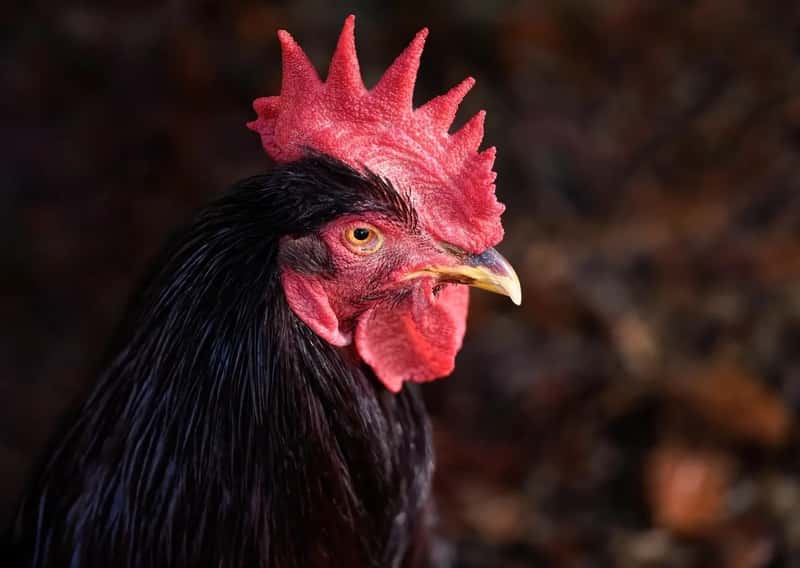
The United States doesn’t quite match Hong Kong’s per capita numbers, but it isn’t far behind. The U.S. sits in second place, eating 128.63 kilograms per capita annually. That figure lines up with America’s overall eating habits more broadly, since the country also leads the world in daily calorie intake.
Chicken is the real driver of American meat consumption these days, not steak. Annually, the average American consumes around 99 kg of meat, with chicken making up the largest share, followed by beef and veal, and pork. Poultry’s rise has been steady for decades, largely because it’s cheaper to produce and lower in fat than red meat, which fits neatly with changing consumer preferences.
Australia: Beef Country Through and Through
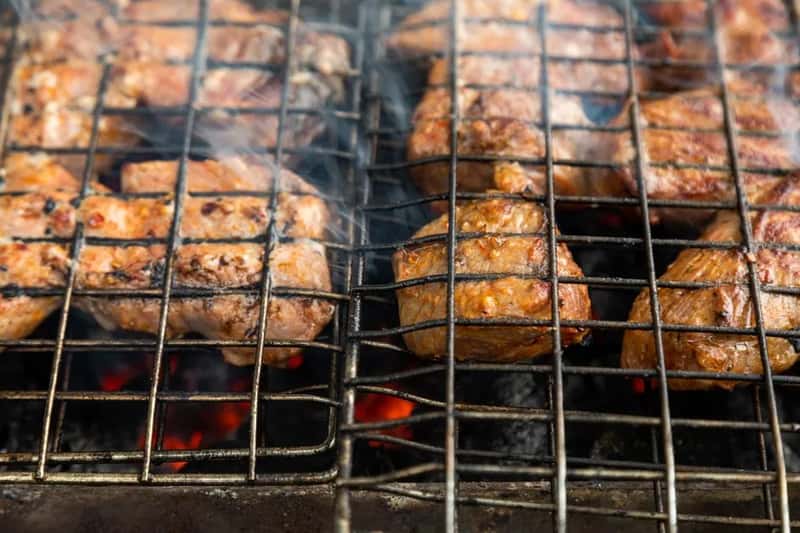
Australia rounds out the podium, and its meat habits lean heavily toward the grill rather than the deli counter. Australia sits at 121.53 kilograms per capita, putting it just behind the United States. Vast grazing land and a strong domestic beef industry make this less surprising than it might first appear.
Unlike much of Europe, Australians simply don’t eat that much pork. Australians don’t eat much of this meat, instead consuming beef and veal. That preference reflects both the country’s ranching history and a food culture built around barbecues, meat pies, and Sunday roasts rather than cured or processed pork products.
Mongolia: A Nation Built on Herding
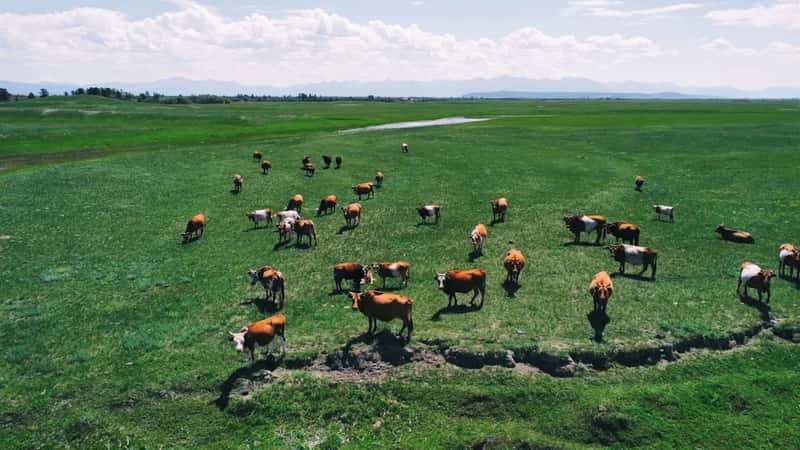
Mongolia’s meat consumption tells a completely different story from the other countries on this list, one rooted in a pastoral way of life rather than industrial agriculture. Mongolia comes in at 111.56 kilograms per capita annually. Given how much of the country’s land is used for grazing rather than crop farming, this makes a lot of sense.
What really sets Mongolia apart is its taste for mutton and goat. The top goat and lamb eater in the world is Mongolia at 68.5 kg per person, reflecting its pastoral lifestyle, a figure that dwarfs every other country by a wide margin. Nomadic herding traditions here go back centuries, and diet has simply followed the livestock available on the steppe.
Argentina: Where Beef Is a National Identity
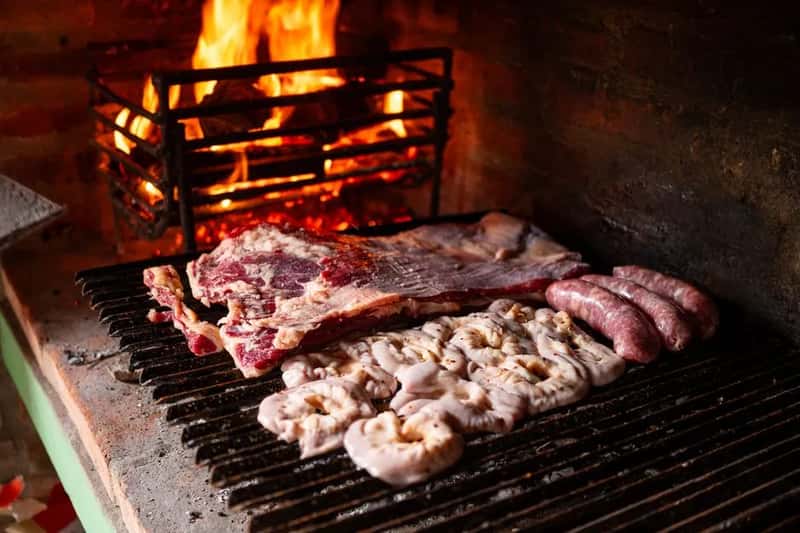
Few countries wear their meat-eating reputation quite like Argentina does. Argentina eats 110.16 kilograms per capita annually, placing it fifth in the world for overall meat consumption, and the country consumes more beef than any other. Its grasslands, known as the pampas, have long made it one of the world’s premier cattle-raising regions.
That said, the picture has shifted in recent years due to economic pressure. Triple-digit inflation, a recession, and rising poverty have forced Argentinians to rein in their love of beef, with 2024 beef consumption projected to drop to its lowest level since records began in 1914. Even so, beef remains deeply tied to national identity, with the asado barbecue tradition still central to weekend life across the country.
Spain: Pork’s European Powerhouse

Spain earns its spot on this list largely thanks to pork, a meat woven into nearly every regional cuisine from Andalusia to Catalonia. Countries that top 100 kg of meat consumed per person and year include Mongolia, Spain and Israel. Jamón, chorizo, and countless cured products have made pork a dietary staple rather than an occasional indulgence.
Spain’s role in the pork industry extends well beyond the dinner table. Spain is not only one of the top consumers at 52.2 kg per year but also the largest pork producer in the EU, with a love of pork that has economic and culinary importance. That combination of production and consumption gives the country an outsized influence on European meat markets more broadly.
Israel: Poultry Nation of the Middle East

Israel’s meat habits look quite different from most of its neighbors, and chicken is the reason why. Israel eats the most poultry, at 64.9 kilograms per capita annually. That figure alone places the country near the top of the global rankings for total meat intake.
Poultry’s dominance here isn’t accidental. It’s affordable, widely available, and fits comfortably within kosher dietary practices, which discourage certain meats but don’t restrict chicken. Israel is among the top five chicken eaters in the world, eating more than 60 kilograms of poultry meat per person annually, and it stands out as the only non island nation on that particular list.
India: The World’s Lowest Meat Consumption
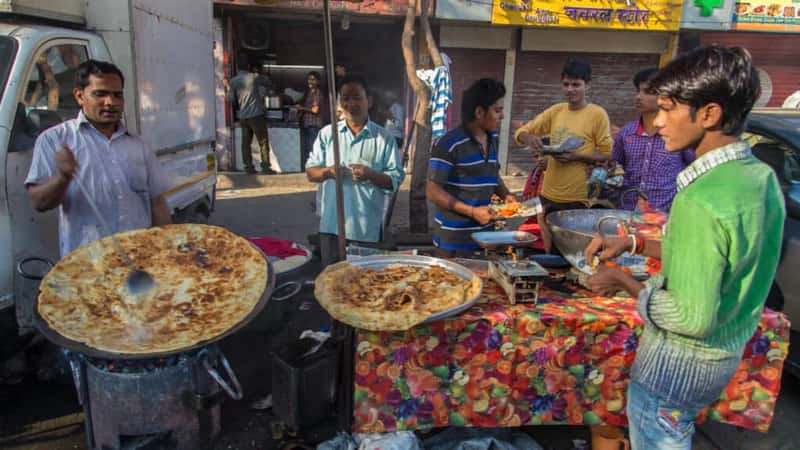
At the other end of the spectrum sits India, home to more than a billion people and remarkably low meat intake. India has the lowest per capita meat consumption in the world, with the average person eating less than 4 kilograms of meat per year, which is less than a single chicken. For a country of its size, that statistic is genuinely striking.
Religion and culture explain most of this pattern rather than poverty alone. It’s estimated that between 29 and 39 percent of Indians are vegetarians, higher than anywhere else in the world, largely due to religious and cultural factors, since around 80 percent of India’s population is Hindu, and although Hinduism doesn’t explicitly forbid meat consumption, it espouses values like nonviolence and a reverence of cows that many adherents follow. Lentils, legumes, and dairy fill the nutritional gap that meat occupies elsewhere.
Bangladesh: Fish Over Flesh
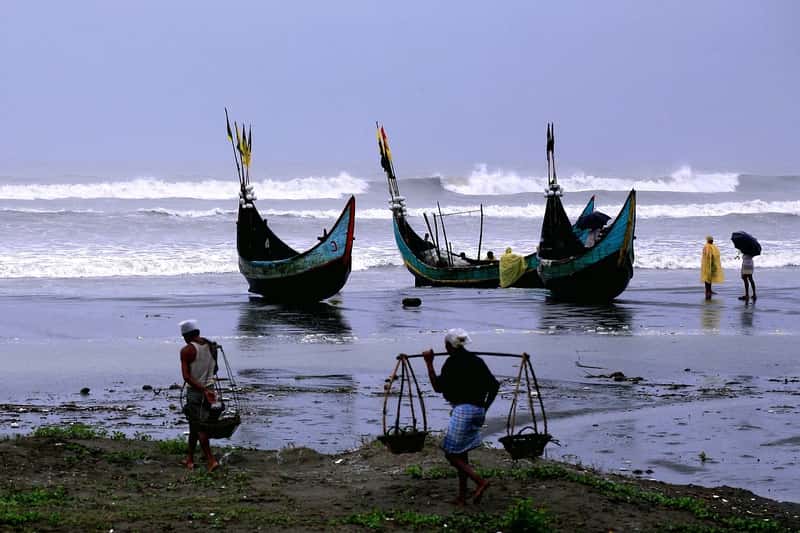
Bangladesh often trades places with India for the title of lowest meat-eating nation, depending on the dataset and year. A single US resident consumes on average 120.2 kilos, roughly thirty times more than an average citizen from Bangladesh, historically cited as the least meat eating country at around 4 kg per person per year. Given how densely populated the country is, that’s a remarkably small footprint per person.
Rivers and coastline shape the diet here far more than livestock does. Fish forms an important part of the diet in the country, and it fills much of the protein role that meat plays elsewhere. Combined with a majority Muslim population that avoids pork entirely, the overall meat category ends up quite small compared to global norms.
Burundi: Poverty and Geography Combine
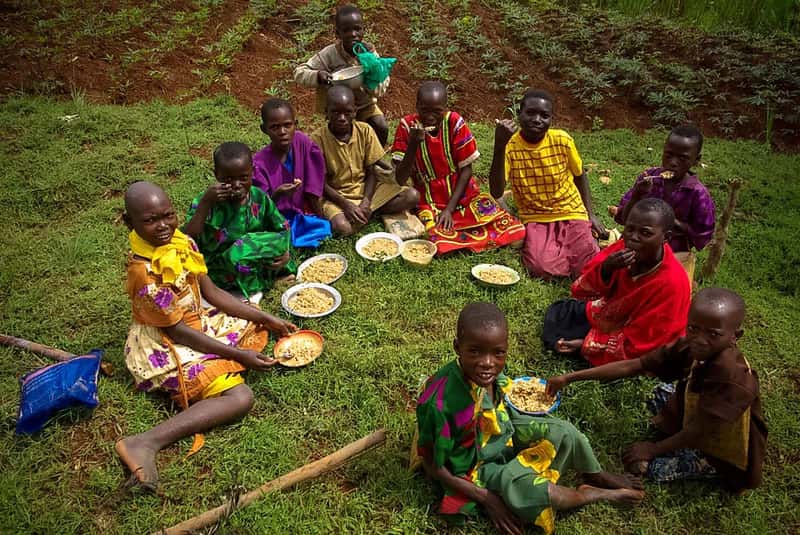
Burundi’s low meat consumption tells a very different story from India’s, one driven far more by economic hardship than religious choice. Burundi appears among the lowest meat-eating countries globally at roughly 5.2 kg of meat per person per year. It’s one of the poorest nations in the world, and livestock ownership remains limited for most households.
Statista’s broader dataset places Burundi consistently near the bottom of global rankings alongside a small group of similarly constrained countries. India was also among those consuming the least meat in previous years, together with Burundi, the Democratic Republic of the Congo and Bangladesh. Limited grazing land, frequent political instability, and a largely subsistence-based agricultural system all play a role in keeping meat off the table for most families here.
What These Extremes Actually Reveal
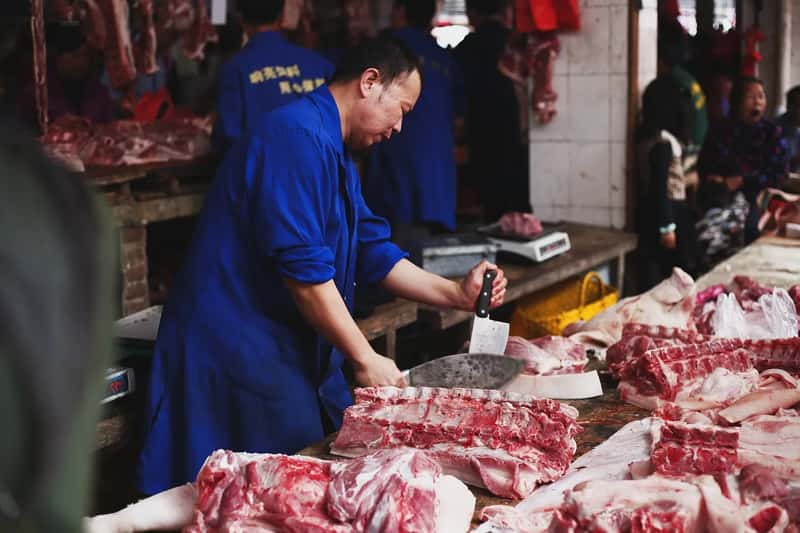
Looking at both ends of this list, wealth alone doesn’t explain the pattern nearly as well as people might assume. Argentina and Mongolia aren’t particularly rich countries by GDP standards, yet they eat enormous amounts of meat because of deep cultural and agricultural traditions tied to their land. Meanwhile, India shows that a country can be large and food secure while still eating very little meat, simply because of religious values that have nothing to do with income.
Burundi and Bangladesh sit closer to what most people expect, where poverty and limited farmland genuinely restrict meat access. The real takeaway is that meat consumption maps onto history, geography, and belief just as much as it maps onto money, which makes these rankings a lot more interesting than a simple chart of rich versus poor nations.