For millions of retirees, a fixed monthly check has to cover rent, groceries, healthcare and a bit of fun on the side. In the United States, that math rarely works out comfortably. But move the same pension check across a border, and suddenly it can fund a private apartment, regular meals out, and quality medical care with room to spare. Here is a closer look at seven countries where two thousand dollars a month still buys a genuinely comfortable life in 2026.
Portugal

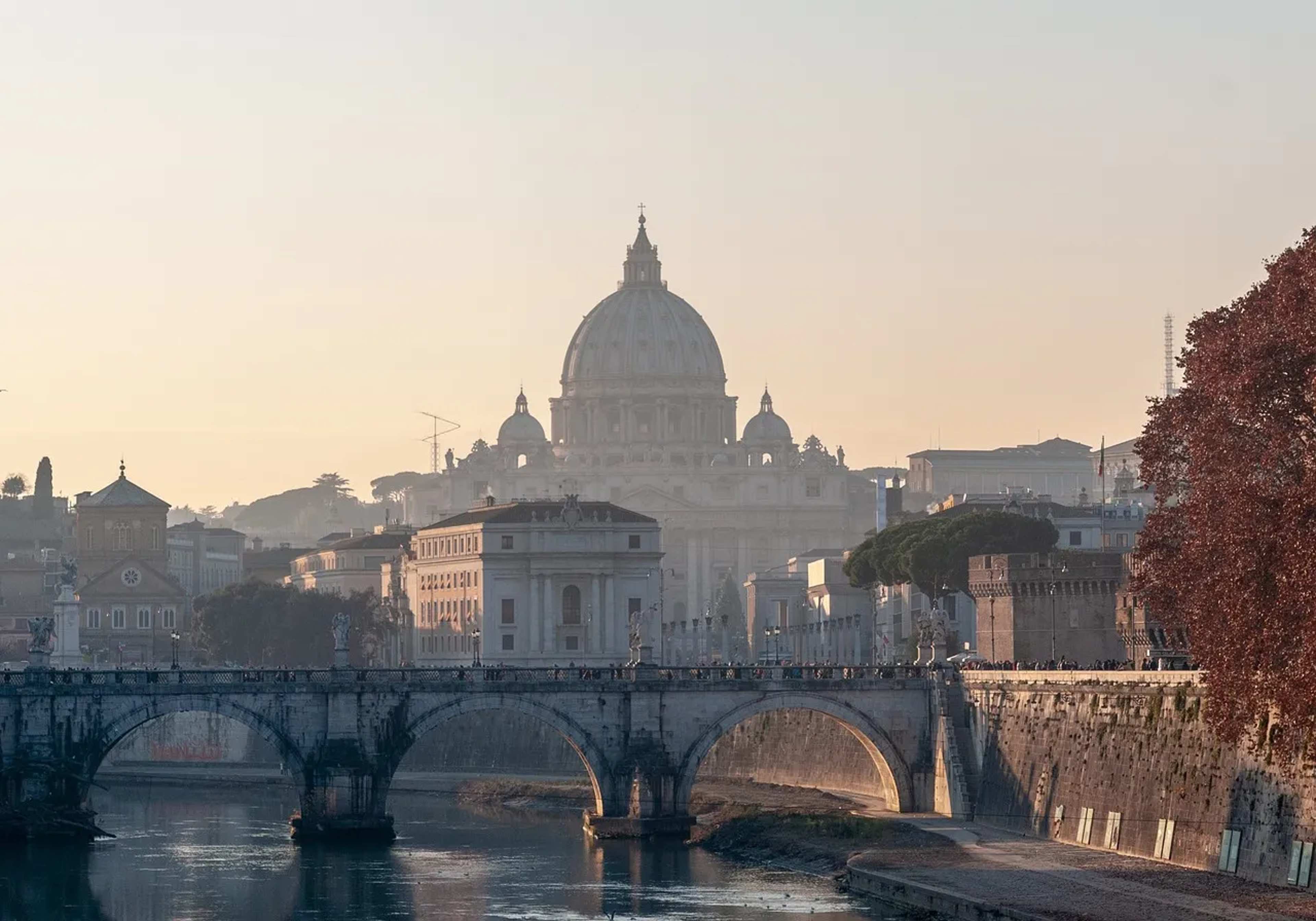
Portugal remains one of the most consistent names on every retirement shortlist, and for good reason. Portugal is a retiree’s dream, ranking in the top 25% on the healthcare and safety index and 7th on the global peace index. The country pairs Atlantic coastline with walkable historic cities, and the Algarve region in the south has beautiful beaches and hot summers, while coastal cities like Lisbon and Porto have milder weather and endless options for arts, food, wine, and culture.
Access to care is another strong point. Expats can access the national healthcare system after only three months, even though some opt to retain private health insurance. Budget estimates vary by region, but many single retirees who avoid the priciest Lisbon neighborhoods can comfortably manage on close to two thousand dollars, especially once the D7 visa route for passive income earners is in place.
Mexico
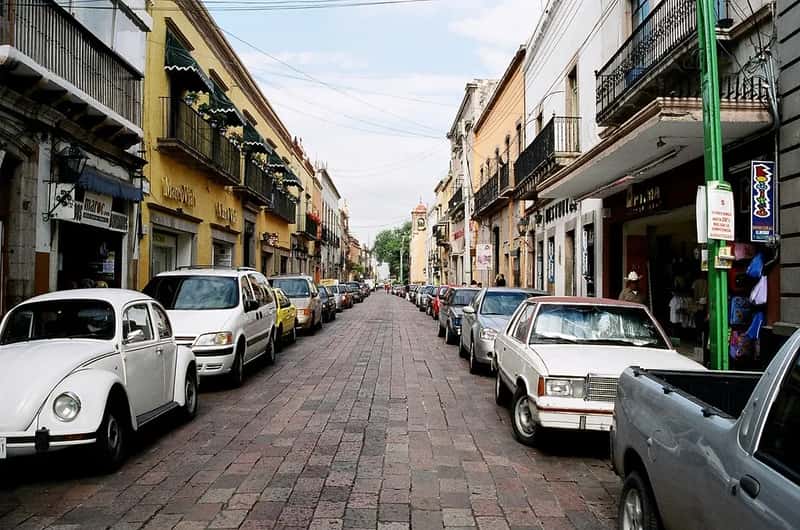
Mexico’s appeal for American retirees starts with sheer practicality. It sits close to home, shares time zones with much of the US, and has decades of established expat infrastructure in places like Lake Chapala, Puerto Vallarta and San Miguel de Allende. According to Numbeo, the monthly cost for a single person, not including rent, is around $637 in Mexico, compared to $1,166 in the United States.
That gap is exactly why a $2,000 pension stretches so far south of the border. Mexico is usually the easiest first country for Americans to model because of proximity, flights, time zone, and existing US retiree communities. Private healthcare is often excellent and dramatically cheaper than in the US, and a couple can frequently manage well on a modest household budget, as one estimate put a couple’s cost of living around $1,800 a month.
Panama
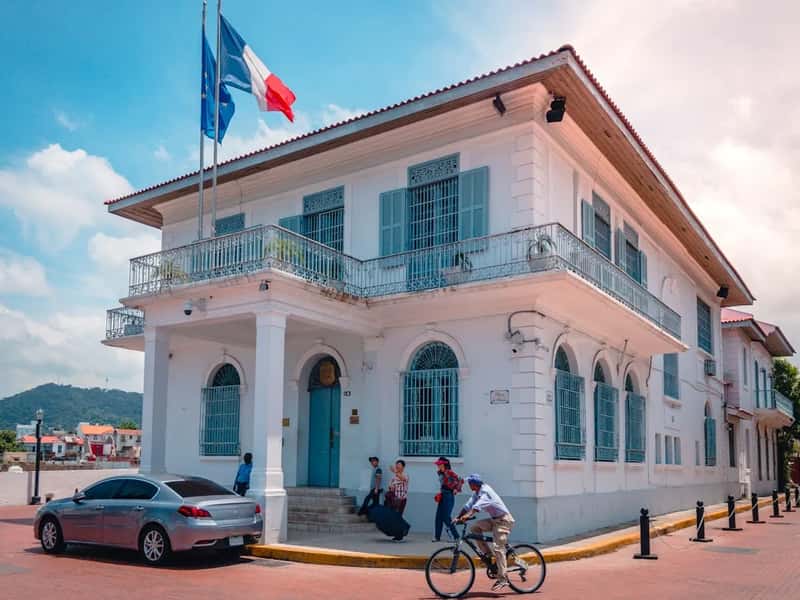
Panama has built its reputation on one thing above all: welcoming retirees with open arms. Panama wants retirees, and it shows. The country’s famous Pensionado program has one of the lowest income thresholds anywhere, and the Pensionado Visa requires a minimum pension income of just $1,000 a month, grants permanent residency immediately with legally mandated senior discounts, and is one of the fastest and simplest retirement visa processes in the world.
Beyond the paperwork, daily life is genuinely affordable. Numbeo data shows the monthly cost for a single person, excluding rent, runs about $800 in Panama. Popular retirement towns like Boquete offer cooler mountain air and coffee farms rather than tropical heat, and one recent estimate put a retiree’s estimated monthly budget in Boquete at about $2,400, which a $2,000 pension can approach closely, particularly for a frugal single retiree.
Costa Rica
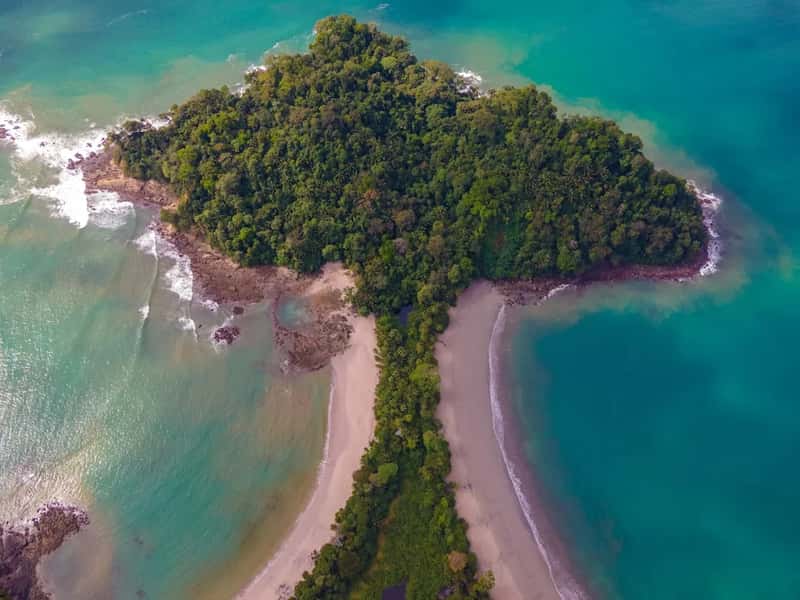
Costa Rica has long attracted retirees with its mix of biodiversity, political stability and a slower pace of life often summed up in the local phrase “pura vida.” The country routinely appears among the top overall retirement destinations, and it is regularly ranked among the best countries for Americans to retire, based on quality of life, security, integration, and economics.
Housing costs vary sharply depending on whether retirees choose a beach town like Tamarindo or a highland community near San José, but groceries, transportation and basic healthcare remain reasonably priced. Costa Rica’s public healthcare system, known as the Caja, is available to legal residents at modest monthly premiums tied to income, which helps make the country a realistic option for retirees working with a $2,000 budget who are willing to live modestly outside the most touristy coastal strips.
Thailand
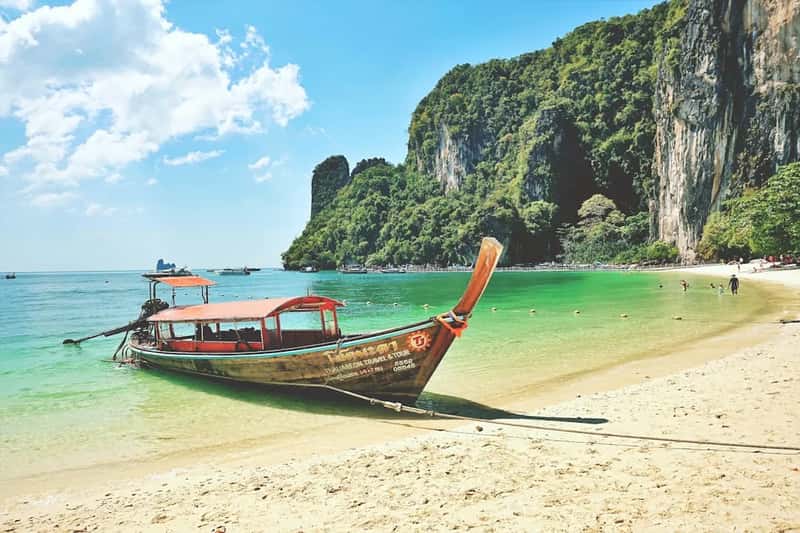
Thailand consistently ranks as one of the most affordable places on earth to retire well, especially for those drawn to Southeast Asia. Thailand offers generally safe living with good tourist infrastructure at around $1,000 a month, ranking in the top half of the Global Peace Index while keeping costs 50 to 80 percent below the US.
Healthcare is a particular strength here rather than a compromise. For retirees wanting private care at low cost, Thailand is exceptional, offering medical tourism quality hospitals at a fraction of Western prices. The country’s retirement visa, the Non-Immigrant O-A, does require proof of funds, and applicants must be 50 or older and show either roughly $22,000 in a Thai bank account or monthly income of about $1,800, with annual renewal required and no path to permanent residency through this particular visa. Even so, a $2,000 pension covers daily expenses in cities like Chiang Mai or Hua Hin with room left for savings.
Malaysia
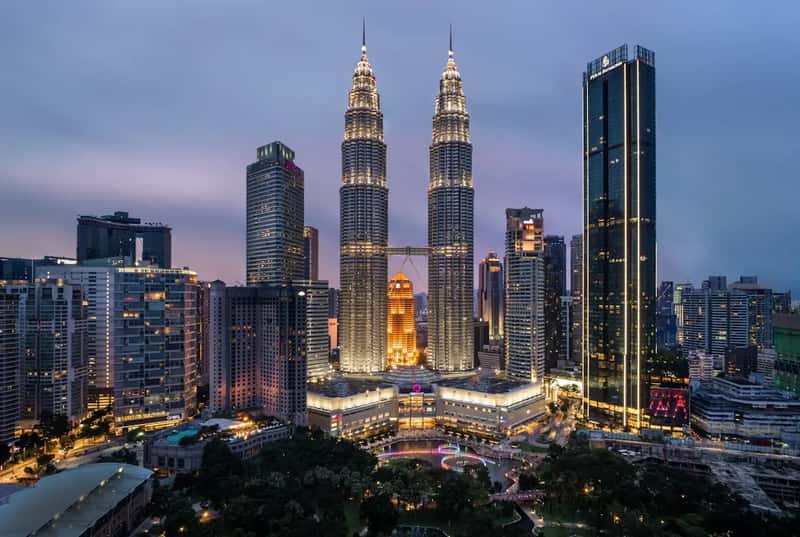
Malaysia rarely gets the same attention as Thailand or Portugal, but it quietly delivers one of the best combinations of modern infrastructure and low cost anywhere in Asia. The country offers a high standard of living, modern infrastructure, and tropical climate, with cost of living estimated between $1,500 and $2,500 a month, an MM2H program for long-term residency, and world-class hospitals.
Healthcare quality is arguably Malaysia’s strongest selling point for retirees on a fixed income. Malaysia is a favorite in Asia for healthcare, with private hospitals that are accredited and highly advanced, often ranked the best in Asia for expats, and cities like Penang and Kuala Lumpur have become medical tourism hubs due to quality and English-speaking staff. That level of care at a fraction of Western prices means a $2,000 monthly pension can cover comfortable housing, private insurance and everyday costs with a meaningful buffer left over.
Ecuador

Ecuador remains one of the most budget-friendly countries in Latin America without requiring retirees to sacrifice comfort or safety. Ecuador regularly ranks as a budget retiree haven, and retirees can live comfortably on $1,500 or less in cities like Cuenca or along the coast. The country uses the US dollar as its official currency, which removes exchange rate guesswork from monthly budgeting, a detail that matters a lot for anyone living on a fixed pension.
The residency path is also relatively approachable for retirees. Ecuador’s Jubilado Visa requires a minimum pension income of $1,275 a month, along with a pension letter from Social Security or an equivalent, a criminal background check and a health certificate, and it leads to citizenship after three years. With a $2,000 pension, retirees in Cuenca or Vilcabamba can typically afford a spacious rental, fresh produce from local markets, and private health insurance while still banking savings each month.