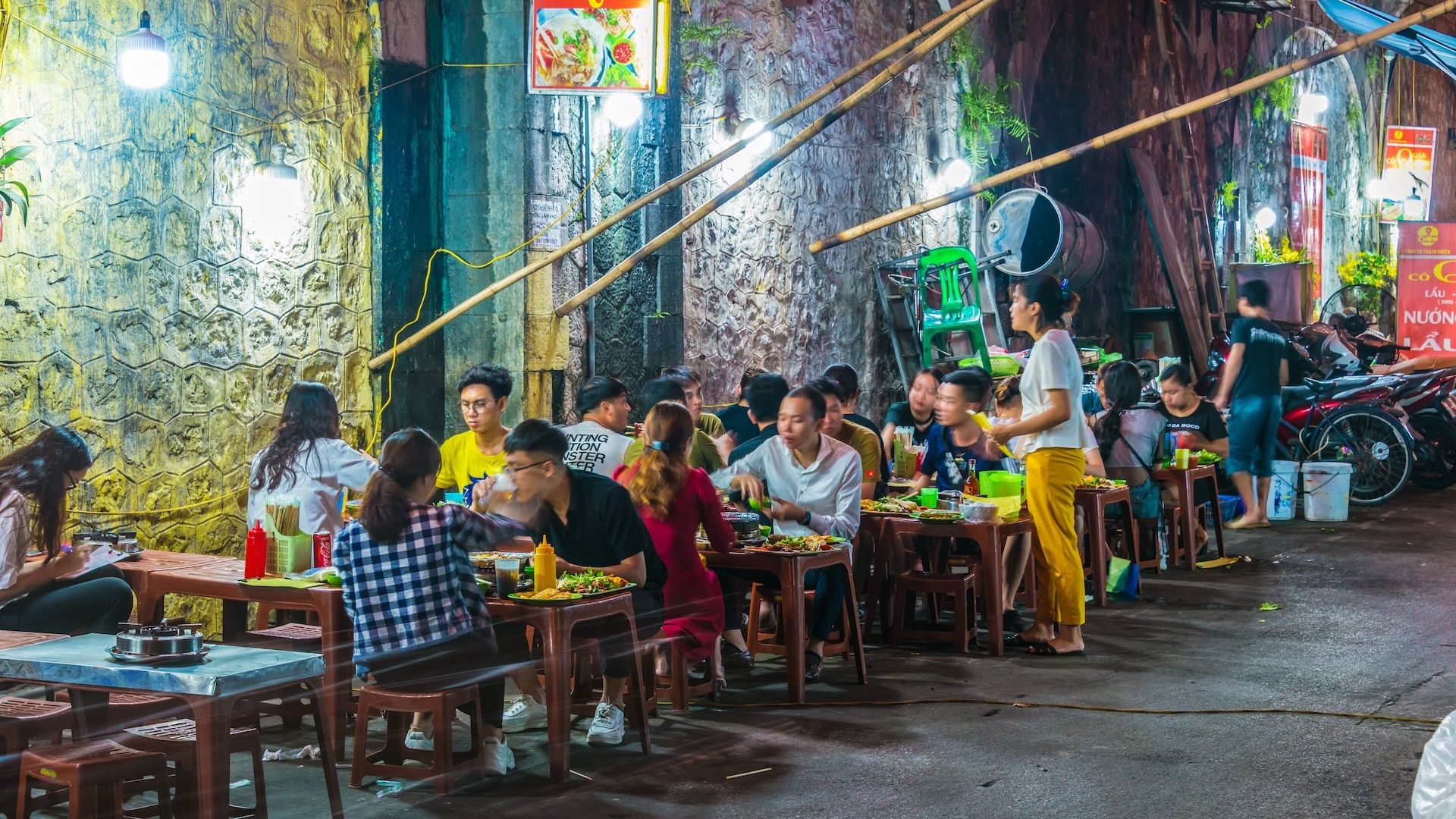

Thirty dollars barely covers a burger and a beer in some cities these days. Yet in a handful of countries scattered across Asia, Latin America, and North Africa, that same amount can fund a lavish dinner, complete with appetizers, a main course, and maybe even a bottle of decent wine. The gap between what a dollar buys at home and what it buys abroad has rarely felt this wide.
That contrast says less about the food itself and more about how unevenly the cost of living has shifted worldwide. Currency values, wage levels, and local pricing habits all play a part, and in these seven places, eating out remains something closer to a treat than a routine.
Vietnam: where street food rules and $30 buys a feast
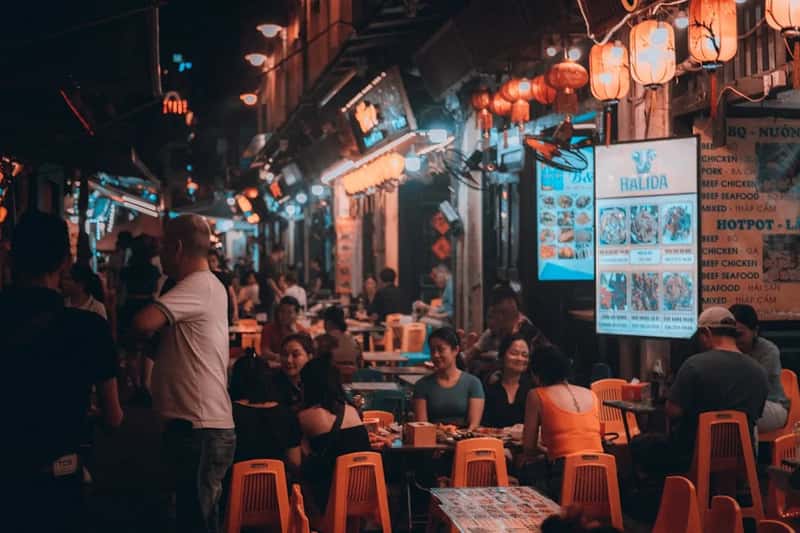
In most Vietnamese cities, a proper meal rarely costs more than a few dollars. Street food stalls or local restaurants charge from 20,000 VND to 70,000 VND for a basic meal like a bowl of pho or a plate of rice with meat and vegetables. That works out to well under three dollars for a filling lunch.
Spending thirty dollars here shifts the experience entirely. A meal at a high-end restaurant can range from 30 to 100 USD or more per person, depending on the venue’s prestige, location, and menu offerings. That kind of spending buys a multi-course tasting menu, rooftop views, or a fusion restaurant blending Vietnamese ingredients with international technique, the sort of night out locals reserve for celebrations rather than Tuesdays.
India: everyday dining stays remarkably light on the wallet
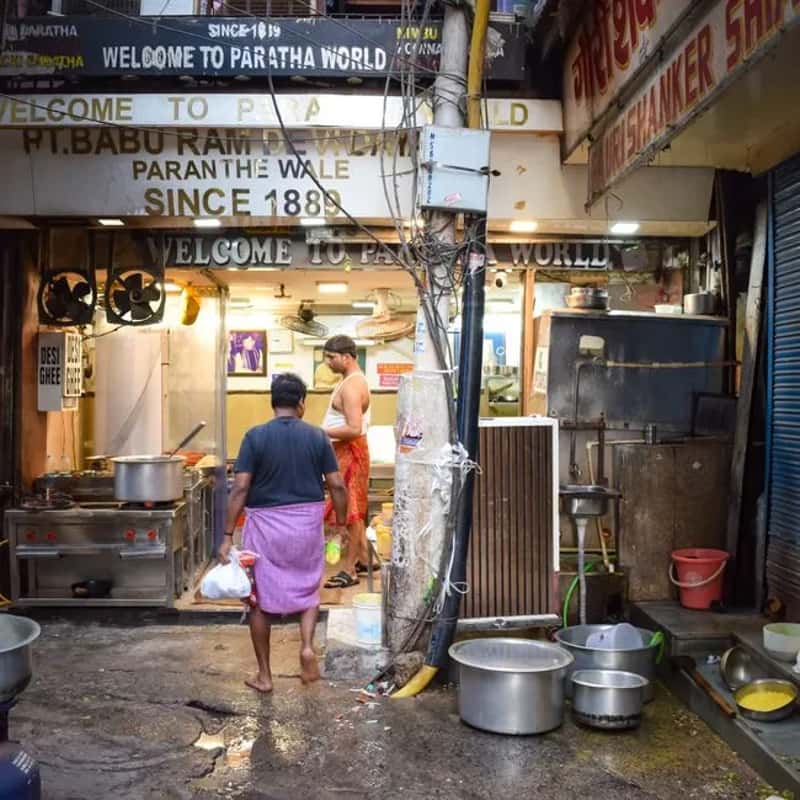
India regularly appears near the top of global rankings for cheap eats. India ranks third among countries with the lowest meal prices at $14.03, meaning a typical inexpensive restaurant meal costs less than half of that thirty-dollar benchmark. Thalis, dosas, and street snacks fill that gap even further down, often for under two dollars.
Because baseline prices sit so low, thirty dollars stretches into genuinely upscale territory. Egypt, Pakistan, Libya, Bangladesh, India, Nepal, and Tunisia appear on both Living Cost’s and Numbeo’s lists of the least expensive countries to live in. A meal at that price point in Mumbai or Delhi typically means a multi-course dinner at a well-regarded restaurant, the kind with tablecloths and a wine list, rather than a quick bite between errands.
Indonesia: island prices that rarely match island views
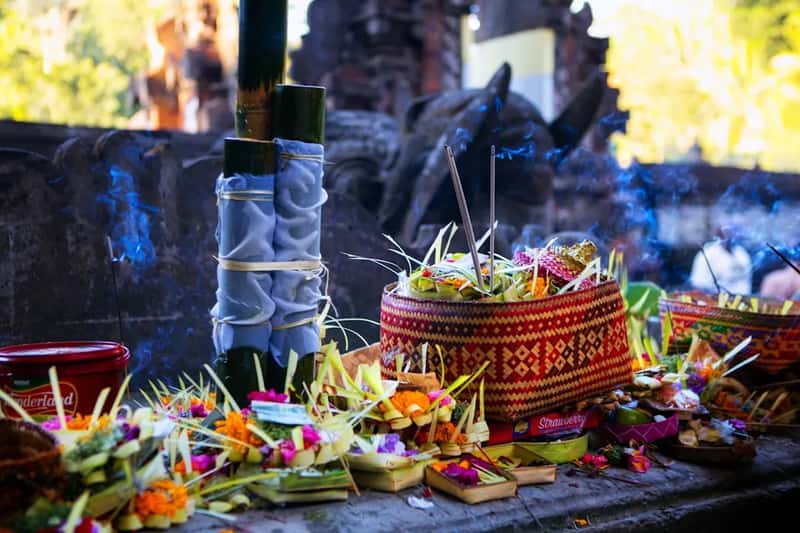
Indonesia’s food scene runs the gamut from roadside warung stalls to beachfront fine dining, and the price difference between those two ends is stark. Indonesia sits fifth on the list of countries with the lowest meal prices, averaging around $15.36 for a standard inexpensive restaurant meal. Nasi goreng, satay, and gado-gado from a local eatery often land well under that figure.
The archipelago also ranks among the region’s most budget-friendly destinations overall. The cheapest countries in Southeast Asia are Timor-Leste, Indonesia, Malaysia, the Philippines, and Vietnam, with a cost of living of $523 to 628 per month. A thirty-dollar dinner in Bali or Jakarta usually signals a resort restaurant, a seafood grill on the water, or a tasting menu, well beyond what most residents spend on food in a single day.
Nepal: mountain towns where budgets go a long way
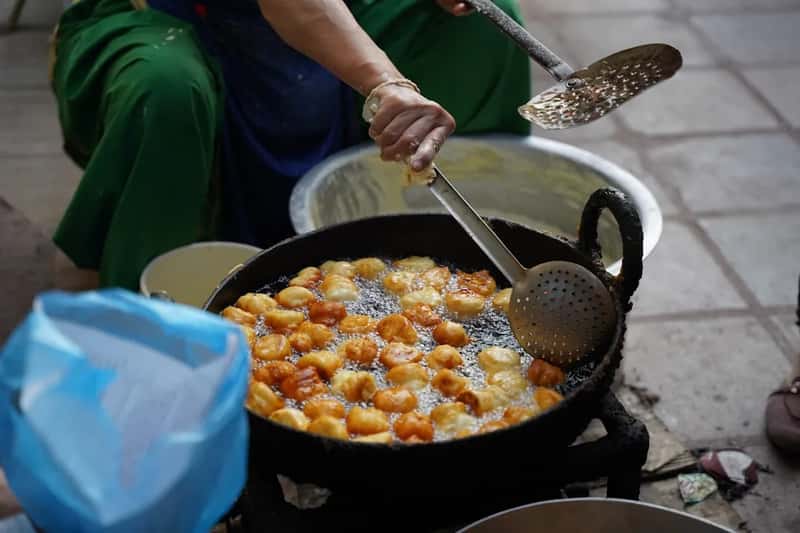
Nepal’s cost structure reflects its position as one of the more affordable countries in the region. Nepal ranks seventh globally for low meal prices, averaging $18.26 for a basic restaurant meal. Momos, dal bhat, and thukpa from local spots typically cost a fraction of that.
Numbeo’s broader cost data backs up the pattern. Cost of living in Nepal is, on average, 69.2% lower than in United States, which explains why thirty dollars covers considerably more than a single plate. In Kathmandu or Pokhara, that budget typically funds a full dinner at one of the nicer tourist-oriented restaurants, drinks included.
Bolivia: South America’s quiet value play
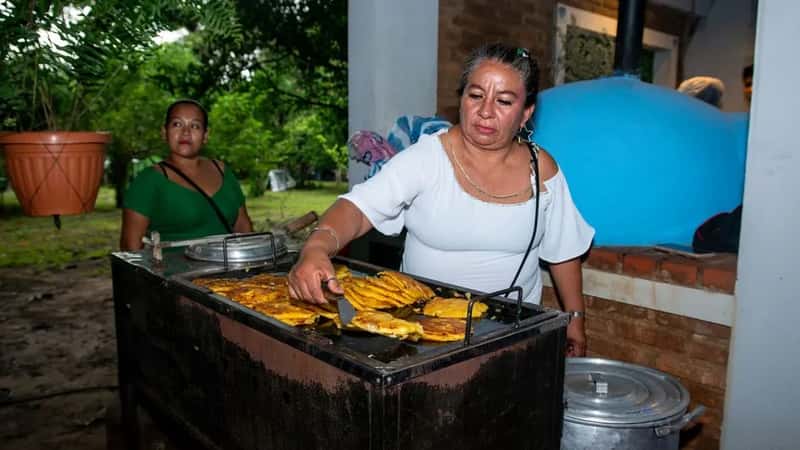
Bolivia doesn’t get the travel attention that Peru or Colombia receive, but its pricing tells a similar story of affordability. Bolivia ranks ninth for lowest meal prices at $18.69, putting it comfortably below the thirty-dollar mark for a standard restaurant meal. Salteñas, silpancho, and market lunches often cost just a dollar or two.
Compared with wealthier nations, the gap becomes even clearer. Cost of living in Bolivia is, on average, 58.2% lower than in Germany, a figure that extends directly to restaurant menus. Thirty dollars in La Paz or Sucre generally buys a multi-course dinner at one of the country’s better restaurants, the kind locals might save for a birthday rather than a weeknight.
Philippines: fast food chains and fine dining sit worlds apart
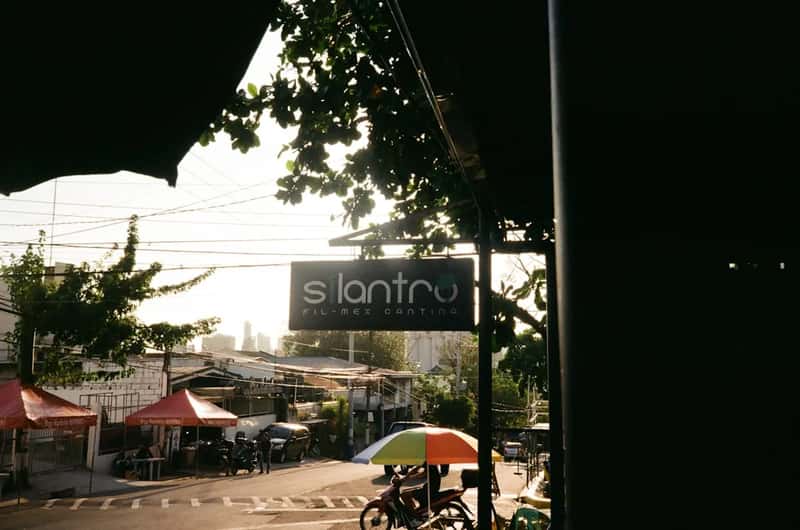
Manila and other Philippine cities offer a dining scale that stretches from nearly free to genuinely upscale. The cost of a meal varies widely, with street food as low as PHP 10 to 50, fast-food chains ranging from PHP 150 to 250, mid-range restaurants charging PHP 300 to 700, and high-end dining running PHP 1,000 or more. Even that top tier, converted to dollars, often lands under twenty.
Local accounts echo that same wide spread. In Manila, one can have a hefty complete meal for around 10 US Dollars, or a fair simple meal for around 2 to 3 US Dollars. A thirty-dollar meal here usually means an elaborate spread at a seafood restaurant or a hotel buffet, well above what most residents would spend on an ordinary dinner out.
Egypt: ancient sites, modern prices that stay grounded
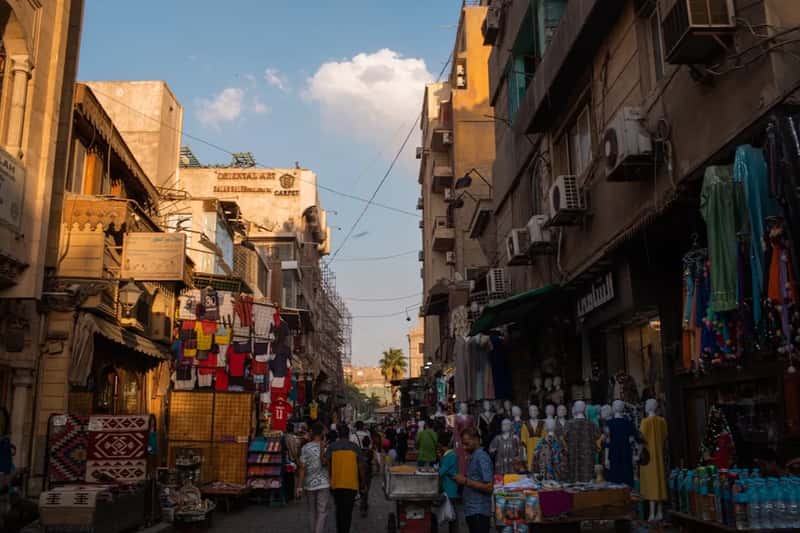
Egypt consistently shows up on lists of the world’s most affordable places to live, and food pricing tracks that trend closely. Egypt, Pakistan, Libya, Bangladesh, India, Nepal, and Tunisia appear on both Living Cost’s and Numbeo’s lists of the least expensive countries to live in. Local staples like koshari, ful medames, and falafel wraps from neighborhood spots typically cost only a dollar or two.
Despite currency swings in recent years, everyday dining has stayed relatively low cost by global standards. Among the cheapest countries to live in the world are Pakistan, Egypt, Nepal, Bhutan, and Burundi. A thirty-dollar dinner in Cairo or Luxor usually points toward a Nile-side restaurant or a hotel dining room, the sort of meal reserved for a special evening rather than a routine stop after a day of sightseeing.
What this pricing gap actually reveals
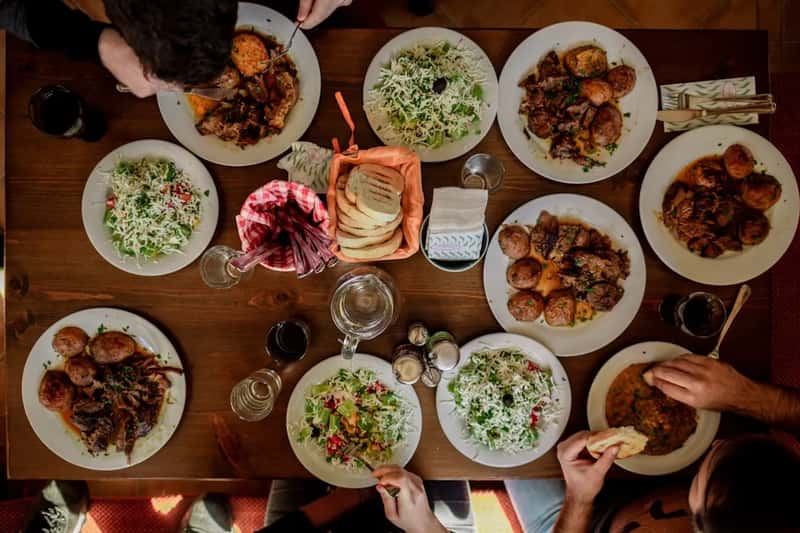
Looking across these seven countries, the pattern holds steady: local wages, currency strength, and everyday food culture shape what counts as a splurge far more than the dish itself does. A thirty-dollar meal isn’t inherently fancy anywhere, but in places where daily food costs sit at a fraction of that number, it buys genuine indulgence rather than a routine dinner out.
For travelers, that math translates into real value, stretching a modest food budget into experiences that would cost far more back home. For residents, it’s simply a reflection of local economics, where a nice night out means something different depending on where in the world you happen to be sitting down to eat.