A cold glass of water seems like the last thing that could ruin a trip. Yet for millions of travelers each year, it does exactly that. Somewhere between the flight landing and the first sightseeing day, an innocent sip from the tap turns into a stomach bug that eats up precious vacation time.
The reasons vary from country to country: aging pipes, inconsistent treatment standards, agricultural runoff, or simply a mismatch between local bacteria and a visitor’s unprepared immune system. In many parts of the world, particularly where water treatment, sanitation, and hygiene are inadequate, tap water can contain disease-causing agents, including bacteria, viruses, parasites, and chemical contaminants, making it unsafe for drinking, preparing food and beverages, making ice, cooking, and brushing teeth. Below is a closer look at seven destinations where bottled or purified water remains the smarter choice.
Mexico: A tourist favorite with a persistent water problem
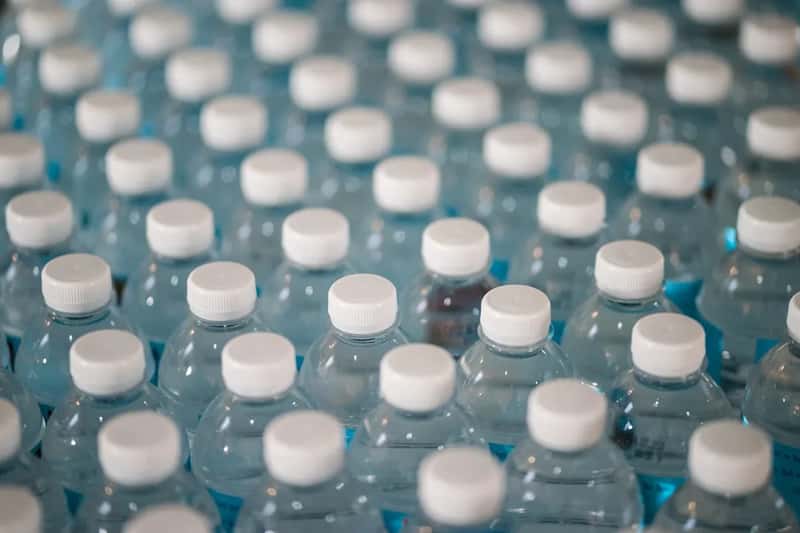
Mexico is one of the most visited countries in the world, but its tap water is widely considered unsafe to drink, even for locals in many regions. The irony is that treatment plants in major cities often do their job reasonably well. The trouble tends to start after treatment, once water travels through old and corroded pipes that can re-contaminate the water before it ever reaches your tap.
Locals have adapted around the problem rather than solved it. Mexico is the top per-capita consumer of bottled water, with roughly 8 in 10 Mexicans drinking from bottles rather than the tap. A 2018 study in Guadalajara found that only 7 percent of people in Mexico’s third-largest metro area drink tap water. For visitors, that pattern is worth copying: stick to sealed bottles, skip the tap-made ice, and treat brushing your teeth with the same caution.
India: Widespread contamination despite improving infrastructure
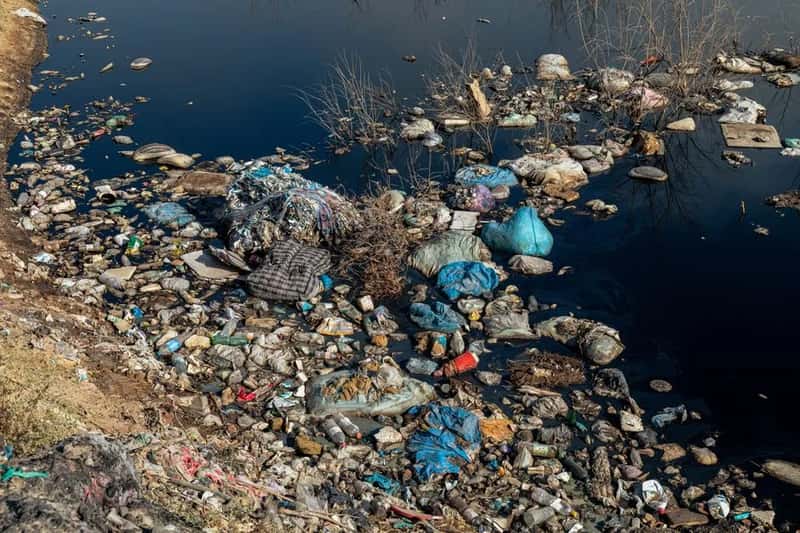
India’s sheer size makes blanket statements tricky, since water quality shifts dramatically between a five-star hotel in Delhi and a rural village three hours away. Even so, India’s water infrastructure varies dramatically between cities, rural areas, and tourist hotspots, making it hard to generalize, but the safest rule across the board is to avoid tap water entirely. Investigators have documented real reasons for concern rather than vague worry.
Contamination from sewage, industrial chemicals, and heavy metals like arsenic and lead has been documented in multiple regions. Progress does exist here and there. In July 2021, Puri in Odisha became the first city in India to have safe tap water, though that milestone remains the exception rather than the rule. Until more cities follow that example, bottled or filtered water stays the practical default for anyone passing through.
Egypt: Ancient wonders, modern water concerns
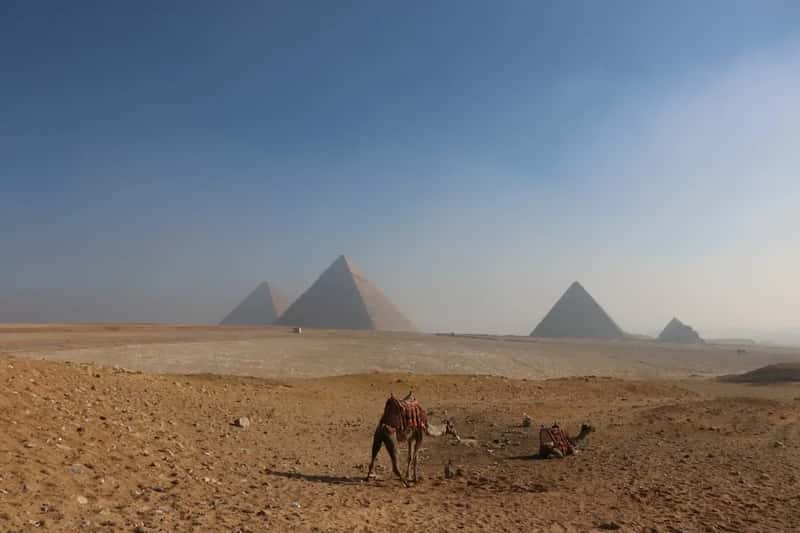
Egypt draws travelers for the pyramids and the Nile, not for its plumbing, and that’s a fair trade given the water situation. Across the Middle East, including popular destinations like Egypt, tap water safety varies significantly, and even where wealthier Gulf countries have invested in treatment and desalination, it’s often recommended that travelers stick to bottled water anyway. Egypt’s own aging municipal systems, especially outside Cairo and the major resort zones, add another layer of uncertainty.
Interestingly, one common travel workaround does not apply here. While it’s normally safe to drink the tap water on cruise ships even in countries where you want to avoid it, Egypt is an exception. Given how much ground there is to cover between temples and museums, most seasoned visitors simply build bottled water into their daily budget without a second thought.
China: Fast growth, water quality left behind
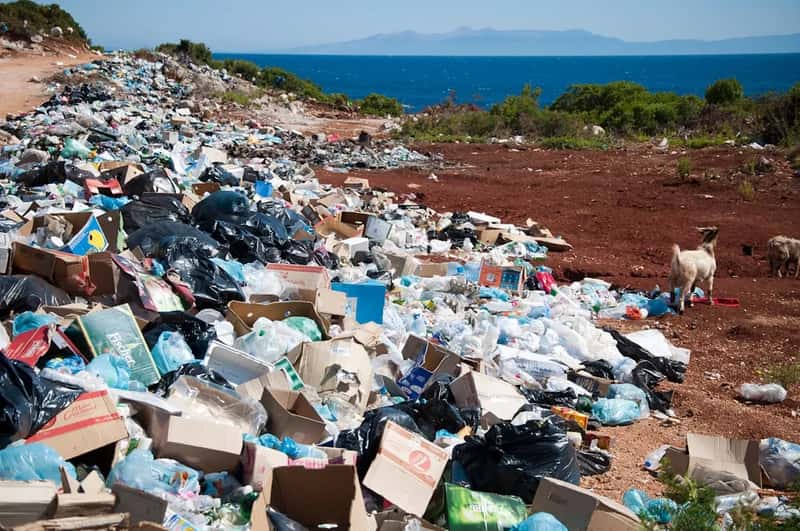
China’s transformation over the past few decades has been remarkable by almost any measure, yet its water infrastructure has not always kept pace with its skylines. China is one of the richest countries in the world and a marvel of charm, history, and incredible landscapes, but it is also a nation that has paid a price for the rapid growth it has undergone, and the water is not drinkable, even within major cities. That statement surprises some first-time visitors who assume a modern skyline implies modern plumbing everywhere.
The disconnect comes down to what happens after water leaves the treatment plant. Distribution networks in many Chinese cities predate the recent building boom, and pipes can reintroduce contaminants long before water reaches a hotel room tap. Bottled water is cheap and everywhere in China, which makes avoiding tap water one of the easier precautions on this list to actually follow.
Indonesia: Even locals don’t trust the tap
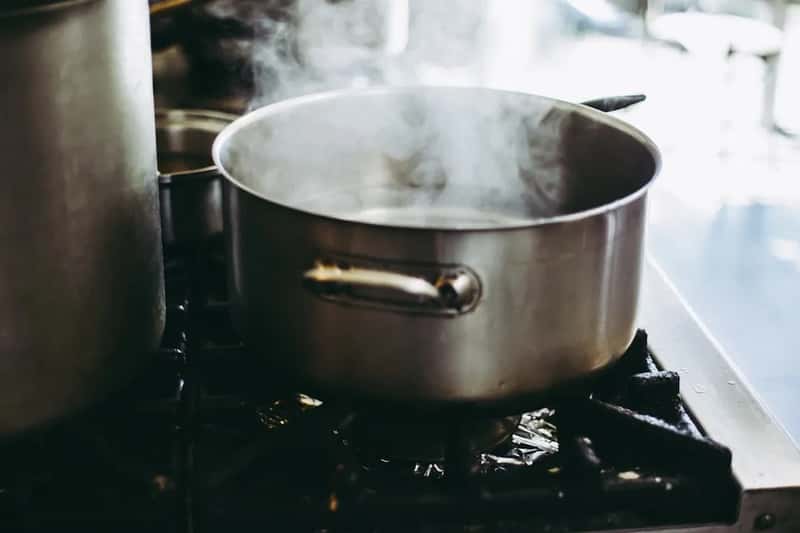
Indonesia offers a useful reminder that local habits often say more than official guidelines. Take Indonesia, where the water quality is rough enough that Indonesians themselves boil or filter before they use it. If residents who have spent their entire lives building up tolerance still won’t drink straight from the tap, that’s a fairly clear signal for a short-term visitor.
Bali and other tourist hubs generally have decent access to bottled water, so this isn’t a hardship in practice. The bigger risk usually shows up in small details: ice in a fresh juice from a street stall, or a rinsed salad that wasn’t washed with purified water. Travelers who stay alert to those small exposures tend to fare much better than those who assume a beach resort automatically means safe tap water.
Peru: Altitude, adventure, and water caution
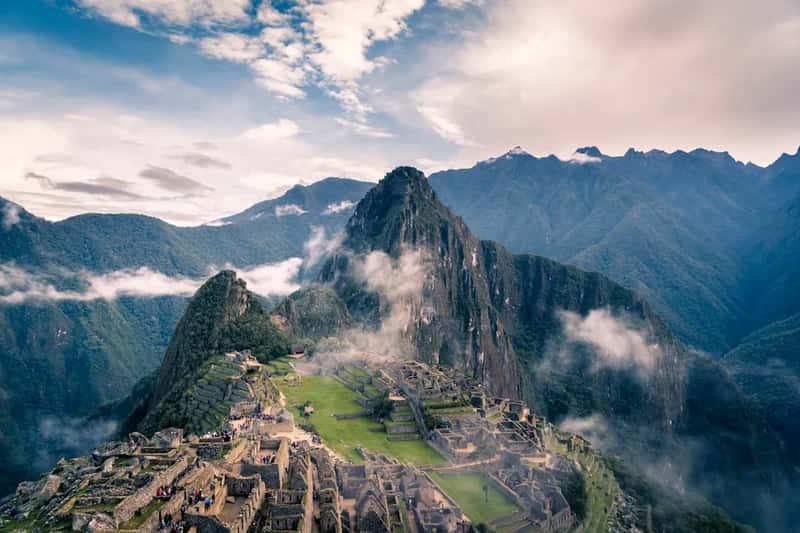
Peru pulls in travelers chasing Machu Picchu, Amazon lodges, and some of the most inventive food scenes in South America. Peru is home to Machu Picchu and some of the world’s most exciting cuisine, but its tap water is widely regarded as unsafe for visitors and many locals alike. Add high-altitude destinations like Cusco into the mix, and dehydration risk climbs alongside water safety concerns.
Bottled water is the way to go throughout the trip, and it’s worth noting that altitude sickness and water-related illness can hit at the same time, so staying properly hydrated with clean water is especially important where the body is already working harder than usual. Packing a compact water filter or purification tablets is a reasonable backup for treks into more remote areas where bottled water isn’t always guaranteed to be available.
Morocco: Beautiful medinas, inconsistent water safety
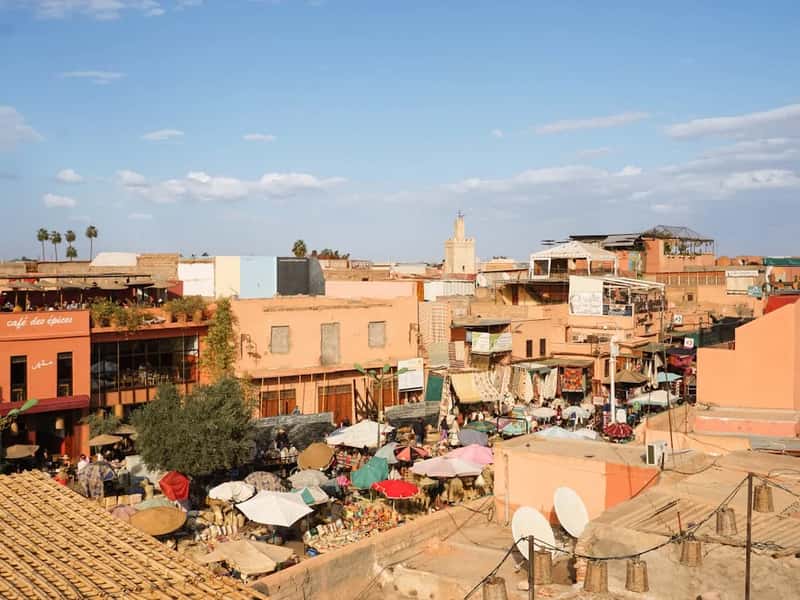
Morocco’s mix of coastal cities, mountain villages, and desert towns means water quality is anything but uniform. Tap water safety is inconsistent, especially outside of major urban centers like Casablanca and Marrakech. Even in those bigger cities, treated water doesn’t always sit well with unfamiliar stomachs.
Even where the water is treated, the mineral content and local bacterial strains can cause stomach upset in travelers who are not accustomed to it, and rural areas often rely on water sources with little to no formal treatment, increasing the risk significantly. The practical fix is simple and widely followed by tour operators across the country: drink bottled water throughout the entire trip and avoid consuming ice unless it was clearly made from purified water.
Staying hydrated without the guesswork
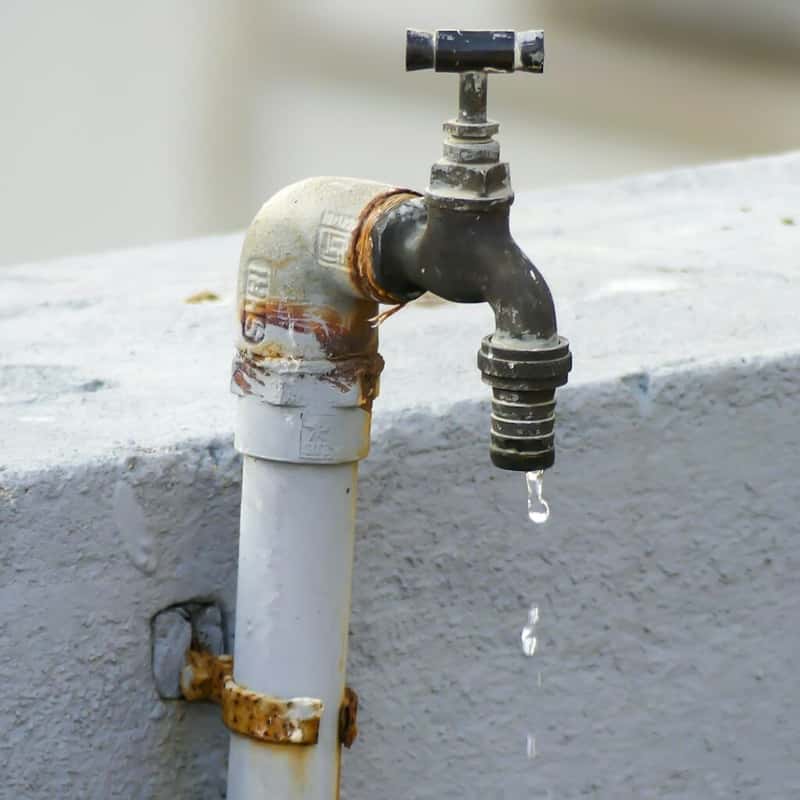
None of these seven countries lack beauty, history, or reasons to visit. The water advisories are simply a practical footnote to otherwise rewarding trips, not a reason to cross a destination off the list. A little planning, mainly sealed bottles, skipping questionable ice, and rinsing produce with purified water, covers most of the risk.
Travel medicine specialists have long pointed out that the human body adapts to local microbes over years, not days, which is exactly why residents can drink water that leaves visitors sidelined. Checking current guidance before departure, since infrastructure and treatment standards do shift over time, remains the simplest habit worth keeping. The goal isn’t paranoia. It’s just making sure a great trip doesn’t get derailed by something as small as a glass of water.