Anyone who has sat through the paperwork of an international move knows the real question is never just “can I get a visa.” It’s “how long until I stop renewing it.” Some countries make that wait stretch a decade. Others have quietly rebuilt their systems so a work permit turns into a settled, permanent status in a fraction of that time.
The differences are not small. A skilled professional choosing between two similar job offers in two different countries could be looking at a gap of years before reaching the same legal security. Below are seven countries where the route from initial work authorization to permanent residency is unusually short, backed by current rules rather than marketing promises.
Uruguay: Residency From the Moment You Land
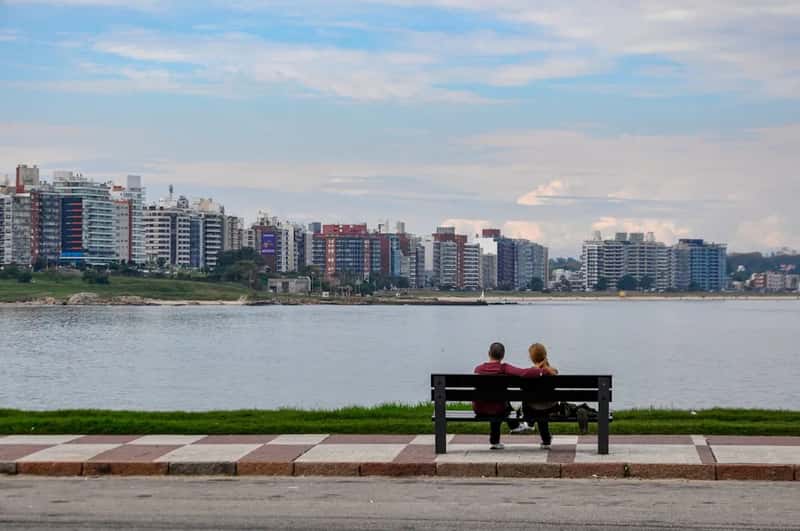
Uruguay stands out because it largely skips the multi-step visa ladder that most countries impose. Its policies focus on proof of stable livelihood and intent to reside rather than age, profession or large investments, and applicants can obtain permanent residency from the outset, eliminating the need for multiple temporary visas. For someone coming from a country with years-long waiting periods, that alone is a striking contrast.
Recent data puts a number on just how fast this can move. Uruguay is the fastest at just 8 months through its Rentista visa, which grants immediate residency to anyone demonstrating approximately USD 1,500 in monthly income. The country pairs this with a stable political environment, which is part of why it keeps showing up on lists of the world’s simplest relocation destinations.
Canada: Express Entry’s Six Month Turnaround

Canada’s Express Entry system does not require a traditional employer sponsored work visa first, which is precisely what makes it fast. Managed by Immigration, Refugees and Citizenship Canada, Express Entry is an online system that processes applications for skilled workers, using the Comprehensive Ranking System to rank candidates and issue Invitations to Apply for permanent residence through regular draws. Once a candidate is invited, the wait for a decision is comparatively short.
After that invitation, the clock moves quickly by global standards. After approval, which typically takes around 6 months, applicants receive their Confirmation of Permanent Residence and permanent resident visa. Industry guides also point to a broader window, noting that Canada offers permanent residency in 6 to 14 months through Express Entry, admitting roughly 395,000 people per year under a point-based, transparent system.
Germany: The EU Blue Card Shortcut

Germany’s standard route to settlement takes five years, but the EU Blue Card exists specifically to shorten that for qualified professionals. The EU Blue Card is Germany’s fastest pathway to permanent residency, with a Niederlassungserlaubnis available after 21 months with a B2 German certificate, or after 33 months without meeting a language requirement. That gap between 21 months and five years is one of the largest accelerations offered anywhere in Europe.
The salary bar to qualify has also been recalibrated for 2026. For 2026, the salary thresholds are €50,700 gross annual for general professions and €45,934.20 gross annual for shortage occupations, IT specialists, and new labour market entrants, announced by the German interior ministry effective January 2026. Berlin’s own city services confirm the mechanics behind the accelerated timeline, noting that sufficient German language skills at CEFR level B1 reduce the qualifying employment period to at least 21 months, compared with 27 months for those with only basic A1 knowledge.
Netherlands: Two Routes, Two Very Different Clocks
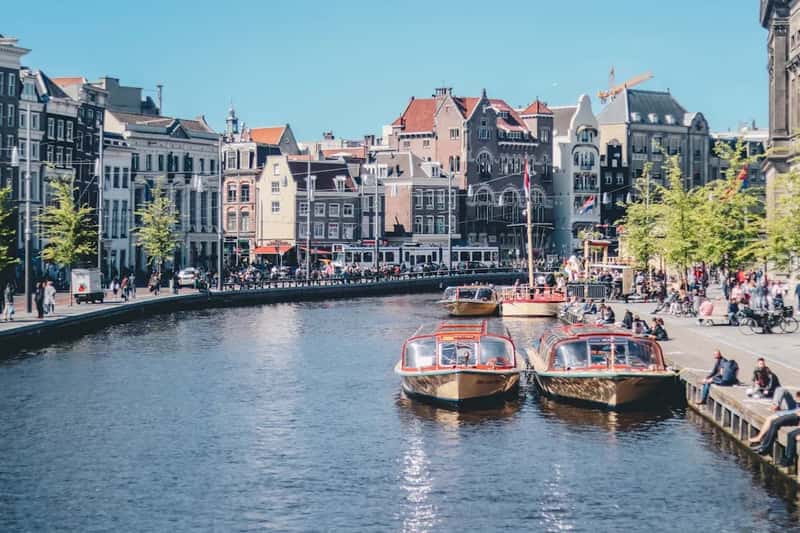
The Dutch system runs two parallel tracks that lead to very different waiting periods. The general Highly Skilled Migrant permit follows the standard national timeline, and the residence permit for highly skilled migrants is granted for the same duration as the employment contract up to a maximum of five years, after which the employee may be able to apply for a permanent residence permit. That five year mark is the default most newcomers should expect.
The EU Blue Card changes that math considerably for those who qualify under it instead. With a European Blue Card, applicants can in some cases apply for long-term EU residency after 2 years instead of five years. The distinction matters enormously for planning purposes, since choosing the right permit category from the start can cut years off the wait.
New Zealand: A System Being Rebuilt for Speed

New Zealand has historically asked skilled migrants to spend years working locally before residency became an option, but that model is changing. Successive governments used a work to residence model requiring prospective migrants to secure a temporary work visa and spend years in the local workforce before obtaining permanent residency, an approach that created uncertainty and pushed skilled professionals toward countries with shorter, simpler pathways. The government’s response has been a structural overhaul rather than a minor tweak.
Starting in the second half of 2026, that overhaul takes effect. On 24 August 2026, Immigration New Zealand is making changes to the points system for the Skilled Migrant Category Resident Visa, adding two new pathways alongside the existing points based route and adjusting the wage threshold rules. One of the additions lets people qualify through work experience alone rather than needing to stack points across income, qualifications, and registration, which should meaningfully shorten the practical path to residence for tradespeople and experienced workers.
Mexico: Four Years and a Clear Finish Line

Mexico rarely tops the flashier immigration rankings, but its residency track is refreshingly predictable. Temporary residents who hold a valid work permit and maintain their status can move toward permanent residency after a defined period, and industry comparisons place Mexico among the fastest routes to permanent residency, alongside Uruguay’s direct PR and Portugal’s five year track, with a four year timeline to reach permanent status. That is a full year shorter than the EU standard many applicants compare it against.
Part of the appeal is how little bureaucratic friction sits along the way. Unlike systems that require repeated language exams or point recalculations, Mexico’s temporary to permanent transition is largely a matter of time served under valid status, plus continuous compliance with visa conditions. For workers already settled into a job and a routine, that predictability often matters more than shaving off a few extra months.
Portugal: Five Years, Multiple Entry Points
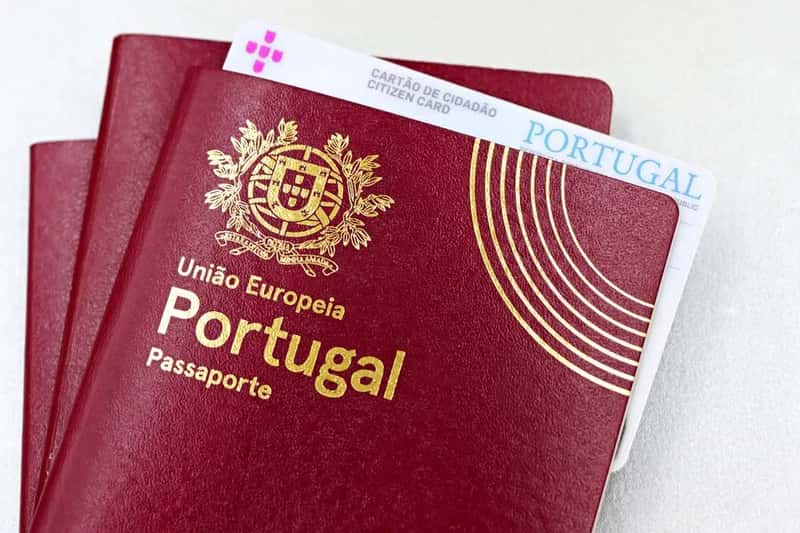
Portugal has built one of Europe’s most flexible systems, mainly because so many different visa categories all funnel toward the same five year finish line. After living in Portugal on a residence permit for five consecutive years, applicants become eligible to apply for permanent residence, and this applies to most visa categories including the D7, D8, work, and student visas. Whether someone enters through employment, passive income, or entrepreneurship, the countdown to permanent status starts on the same footing.
The work visa route specifically keeps its processing lean even as the immigration agency has gone through structural changes. On average, decisions on Portugal’s work visa take 30 to 60 days, though delays are possible due to the ongoing transition from SEF to AIMA, making early application advisable. Once that initial permit is granted, the path forward is straightforward: renew on schedule, meet residency requirements, and permanent status arrives on the five year mark regardless of which door was used to enter.
Weighing Speed Against Fit

None of these seven countries are interchangeable, even though they share the trait of moving faster than the global norm. Uruguay and Canada reward people who can meet income or points thresholds quickly, while Germany and the Netherlands favor those already holding in demand degrees and job offers. New Zealand’s reforms and Mexico’s steady four year clock serve different kinds of applicants entirely, and Portugal’s flexibility suits those unsure which visa category fits them best.
The fastest path on paper is not always the fastest path in practice, since language requirements, salary thresholds, and family circumstances all shift the real timeline. Anyone weighing a move should treat these figures as a starting point for research rather than a guarantee, and check the relevant immigration authority directly before making a decision that will shape years of their life.