Europe has never been short on stunning cityscapes, but some places simply rise above the rest when it comes to sheer visual drama. From canal-laced medieval centers to Gothic spires piercing the skyline, the continent offers an embarrassment of riches for anyone chasing beauty on a city break. Narrowing the list down to just seven is no easy task, yet these destinations consistently earn their reputation through architecture, setting, and atmosphere that few other places can match.
This ranking leans on a mix of historic significance, UNESCO recognition, architectural density, and the kind of everyday magic that makes visitors stop mid-step to take a photo. It is not a scientific formula, but it reflects what travelers and heritage experts alike tend to agree on year after year.
1. Prague, Czech Republic
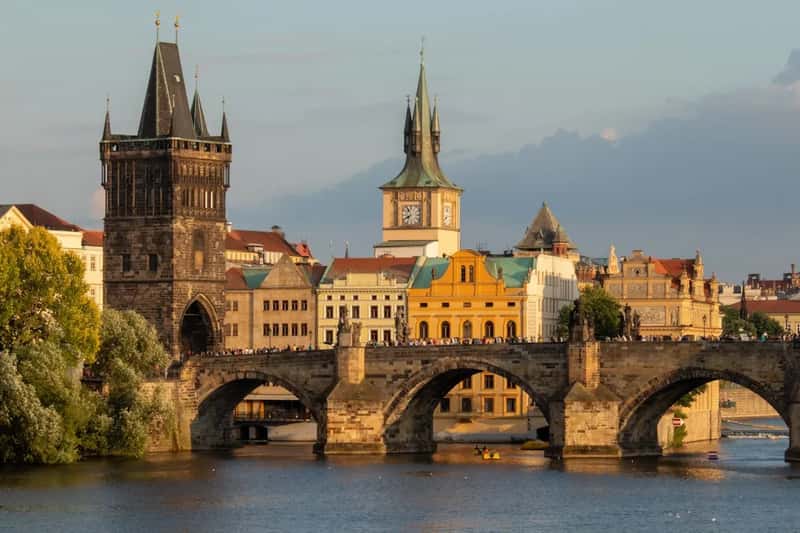
Prague sits at the top for a reason that goes beyond its fairy-tale nickname. The entire historic center, comprising the Old Town, Lesser Town, and New Town, was built between the 11th and 18th centuries and speaks of the great architectural and cultural influence enjoyed by the city since the Middle Ages. UNESCO inscribed the whole area as a single World Heritage Site back in 1992, which is unusual since most capitals only manage to get individual buildings listed rather than an entire urban core.
What makes Prague special is the sheer density of preserved landmarks packed into a walkable space. The city’s many magnificent monuments include Hradčany Castle, St Vitus Cathedral, Charles Bridge, and numerous churches and palaces, built mostly in the 14th century under the Holy Roman Emperor, Charles IV. Wandering from the Astronomical Clock across the Vltava River toward the castle complex feels like walking through eight centuries of European history without ever leaving one continuous, cobblestoned world.
2. Paris, France
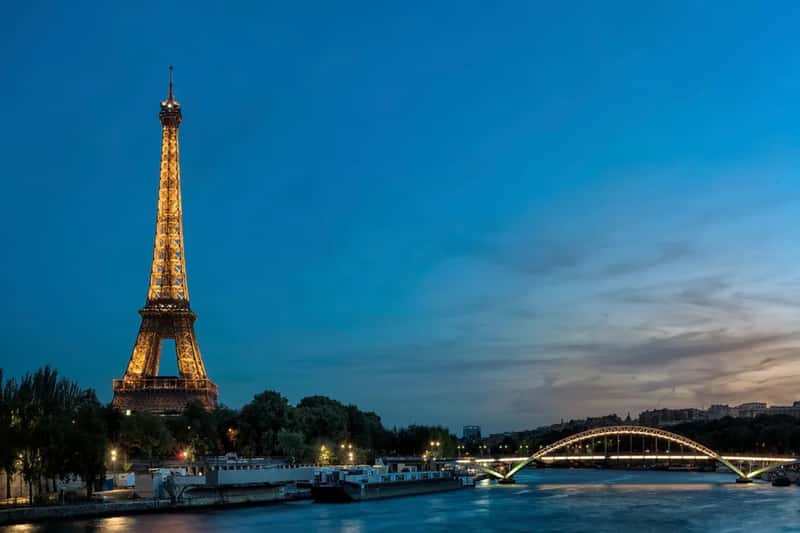
Paris earns its spot through sheer consistency of grandeur. Baron Haussmann’s 19th-century redesign gave the city its uniform cream-colored facades, wrought-iron balconies, and wide boulevards, creating a visual harmony that few capitals can replicate at such scale. Add in the Eiffel Tower, the Seine riverbanks lined with historic bridges, and the flying buttresses of Notre-Dame, and you get a city that photographs beautifully from almost any angle.
Beyond the icons, it is the smaller details that make Paris linger in memory: the green kiosks along the river, the art nouveau metro entrances, and the way sunlight hits the golden dome of Les Invalides in late afternoon. Notre-Dame Cathedral reopened to the public in December 2024 following its restoration after the 2019 fire, giving the city’s most famous Gothic landmark a fresh chapter and drawing renewed attention to the surrounding Île de la Cité.
3. Venice, Italy
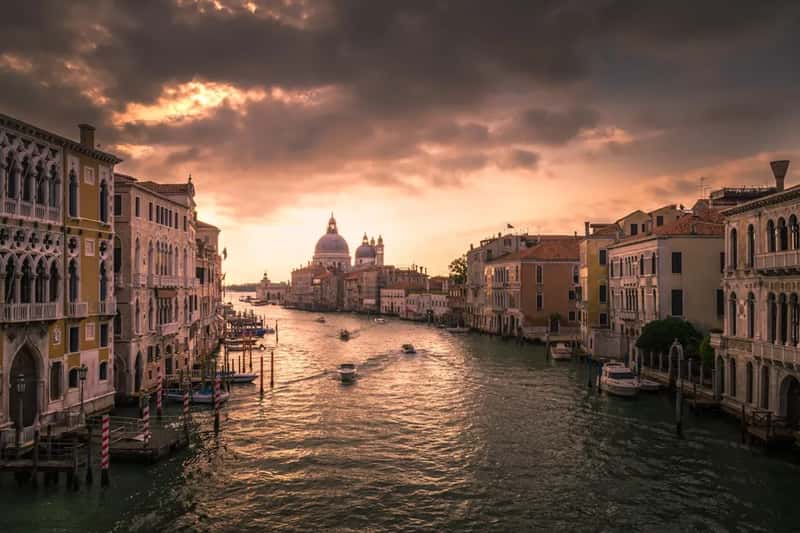
Venice remains unlike anywhere else on the planet, built across more than a hundred small islands connected by canals and bridges instead of roads. Its Gothic palazzos, the golden mosaics of St Mark’s Basilica, and the curve of the Grand Canal have inspired painters and writers for centuries, and the city still delivers that same sense of wonder to first-time visitors today. The lagoon setting alone, with buildings seemingly floating on water, gives Venice a dreamlike quality that no other European city quite matches.
That beauty comes under real pressure, though, which is why Venice has become known for something else in recent years: its tourist management measures. Since 2024, the Italian city has also become renowned for its tourist tax, an entry fee aimed at day-trippers who visit without staying overnight. For 2026, the fee will be expanded to cover 60 days between April and July, a sign of just how much pressure this fragile city faces from its own popularity.
4. Florence, Italy
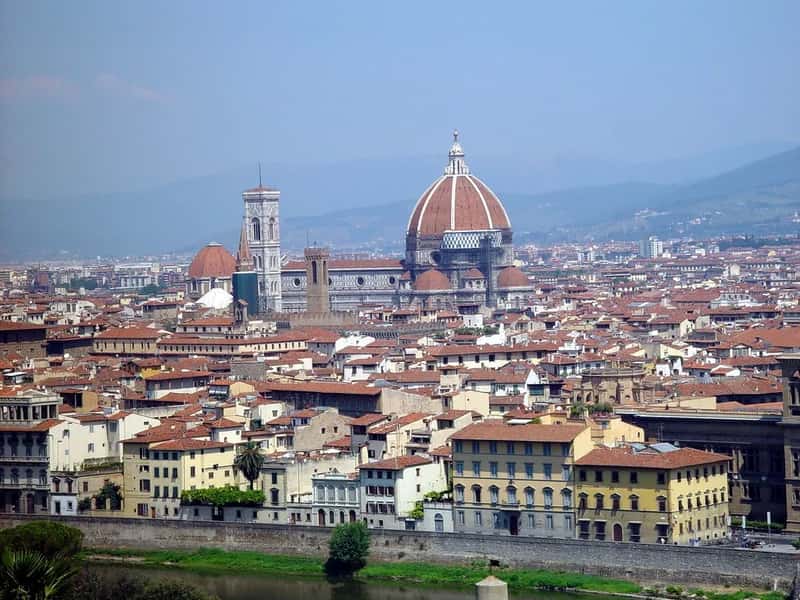
Florence is the birthplace of the Renaissance, and it shows in nearly every building within its compact historic center. The Duomo’s terracotta dome, designed by Brunelleschi, still dominates the skyline exactly as it did when it was completed in the 15th century, while the Uffizi Gallery and Ponte Vecchio anchor a city that feels almost frozen in its golden artistic age. Few places on Earth pack so much sculptural and painted genius into so small a footprint.
Climbing to Piazzale Michelangelo at sunset remains one of the great free experiences in European travel, offering a sweeping view over terracotta rooftops, the Arno River, and the surrounding Tuscan hills. Florence’s historic center has long held UNESCO World Heritage status, recognized for the extraordinary concentration of art and architecture produced during the 14th to 16th centuries. The city continues to draw visitors specifically for that unbroken sense of Renaissance atmosphere.
5. Barcelona, Spain
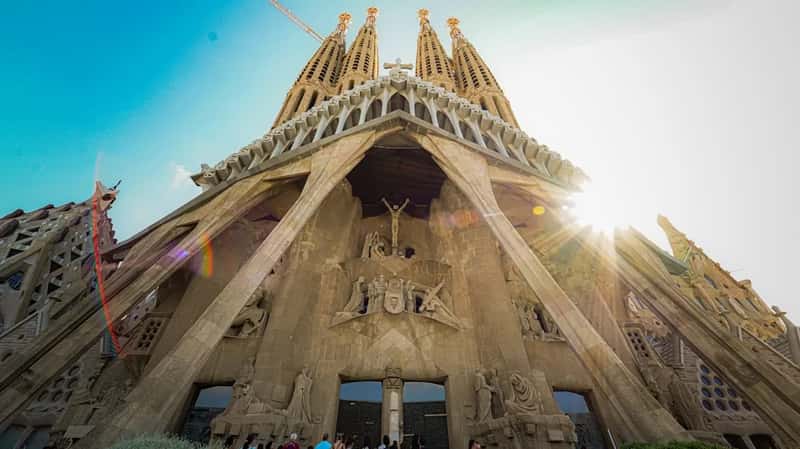
Barcelona brings a completely different flavor of beauty to this list, one shaped by Antoni Gaudí’s wildly imaginative modernist architecture. The Sagrada Família, still under construction more than a century after it began, remains the city’s defining symbol, alongside Park Güell’s mosaic-covered terraces and the undulating facade of Casa Batlló. This is a city where fantasy and structural engineering merge into something genuinely unlike anywhere else in Europe.
Beyond Gaudí, Barcelona’s Gothic Quarter offers narrow medieval lanes that feel a world away from the flowing curves of modernism just blocks away, creating a striking contrast within the same city. The Mediterranean coastline adds another layer, with beaches sitting just minutes from centuries-old cathedrals. Barcelona has also been tightening its own tourism rules recently, with reports indicating the city plans on doubling its nightly tourist tax as visitor numbers continue climbing.
6. Dubrovnik, Croatia
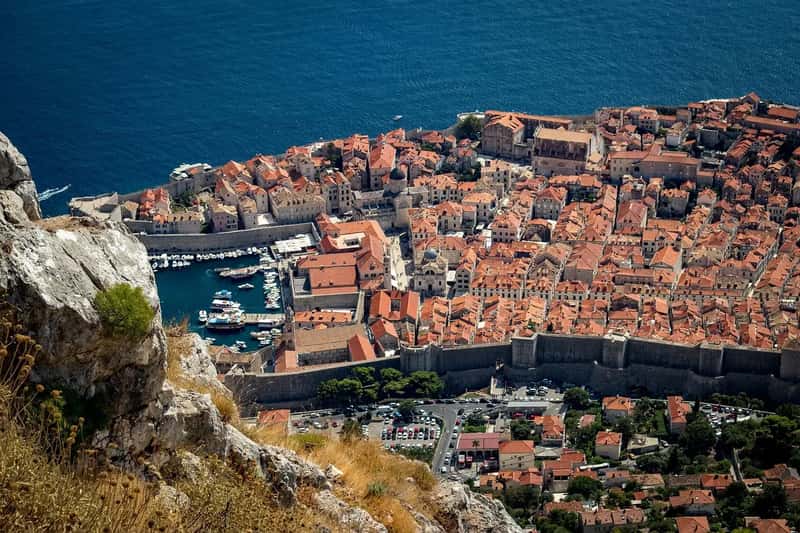
Dubrovnik’s walled Old Town, ringed by nearly two kilometers of stone fortifications overlooking the Adriatic, is one of the best-preserved medieval cities in Europe. Its distinctive orange-tiled roofs and limestone streets, polished smooth by centuries of foot traffic, give the city an almost theatrical beauty, one that has made it a favorite backdrop for film and television productions in recent years. Walking the city walls at sunset, with the sea stretching out on one side and the terracotta rooftops on the other, is widely considered one of the most rewarding city walks in Europe.
Like Venice, Dubrovnik has had to grapple with the downside of its own popularity. Cruise ship arrivals and peak-season crowding have pushed the city to introduce visitor caps and stricter management of daily tourist numbers within the walls. Despite these pressures, the compact scale of the Old Town means that even amid summer crowds, the underlying beauty of the place, its harbor, its fortresses, and its Renaissance-era streets, remains largely intact.
7. Edinburgh, Scotland
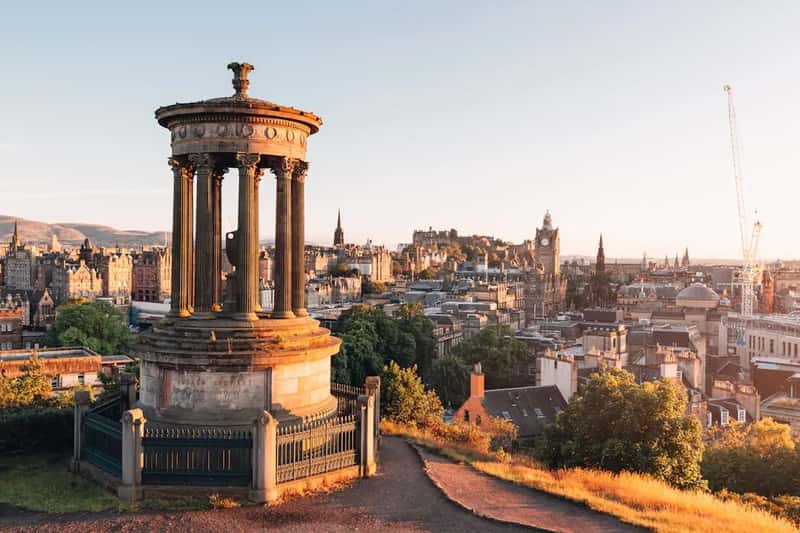
Edinburgh closes out this list with a dramatic contrast between its Old Town’s medieval closes and the elegant Georgian symmetry of its New Town, both recognized together as a UNESCO World Heritage Site. Edinburgh Castle sits perched on volcanic rock above the city, visible from nearly every direction, while the Royal Mile winds down toward the Palace of Holyroodhouse through a maze of stone tenements and hidden courtyards. Few cities manage to combine rugged natural landscape with refined urban planning quite so seamlessly.
The city transforms further every August during the Edinburgh Festival Fringe, when the historic streets fill with performers and audiences from around the world, adding a layer of energy to the already striking backdrop. Arthur’s Seat, an extinct volcano within walking distance of the city center, offers panoramic views that few European capitals can match from such a short climb. That blend of natural drama and architectural elegance is what secures Edinburgh’s place among Europe’s most beautiful cities.
What Makes a City Truly Beautiful
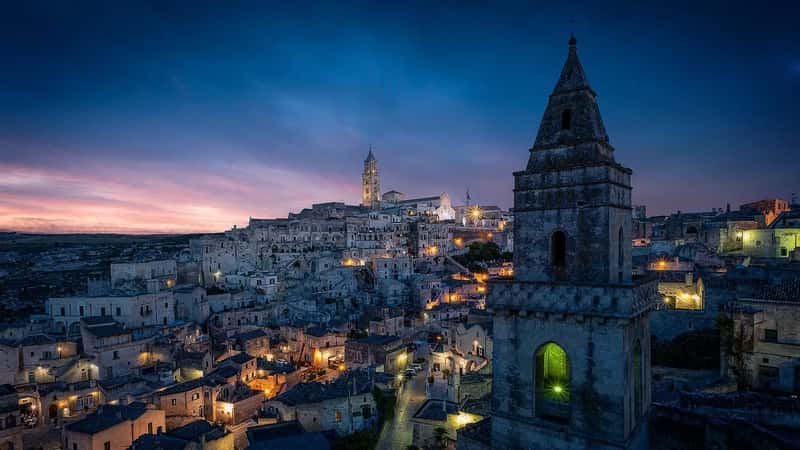
Ranking beauty is always somewhat subjective, yet these seven cities share certain traits that set them apart: dense concentrations of preserved architecture, distinctive natural settings, and a strong sense of historical continuity that visitors can feel just by walking the streets. Each has also had to reckon with the challenges of its own popularity, from Venice’s entry fees to Dubrovnik’s visitor caps, proving that beauty and preservation increasingly go hand in hand in modern European tourism.
Whether it is Prague’s medieval skyline, Barcelona’s flowing modernist facades, or Edinburgh’s volcanic backdrop, these cities remind travelers why Europe remains the benchmark for urban beauty. Visiting any one of them, ideally outside peak season, offers a chance to experience that beauty without the crowds working against it.