Ask a tourist which Mexican city is the prettiest and you’ll usually get an answer shaped by a two week itinerary and a few good sunsets. Ask someone who has lived there for a decade, paid rent in the historic center, and dealt with the potholes, and the answer often changes. Locals tend to weigh things differently: how a plaza feels on a Tuesday morning, whether the light hits the facades right in October, how the city ages when the tourists go home.
That distinction matters, because Mexico has no shortage of gorgeous cities, and plenty of them get ranked by people who spent three days there with a camera. This list leans instead on what residents, long term expats, and local surveys consistently point to: color, architecture, safety, and the kind of daily life that makes a place worth staying in rather than just visiting.
1. San Miguel de Allende, Guanajuato
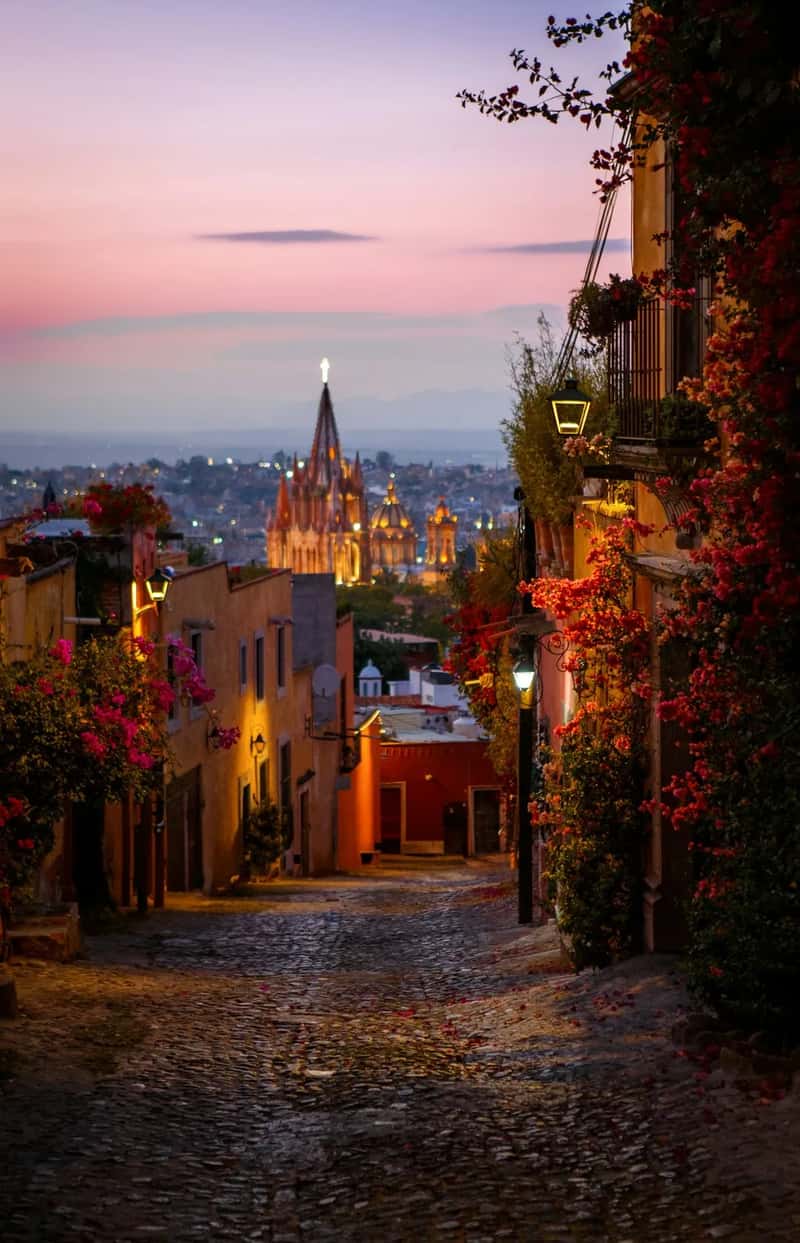
San Miguel de Allende keeps winning international polls for a reason that has less to do with marketing and more to do with consistency. San Miguel de Allende has been named the Best City in the World for the second year in a row in Travel + Leisure magazine’s 2025 World’s Best Awards, based on voting by the magazine’s readers. That kind of streak does not happen by accident.
The city’s historic core earned its UNESCO status for good reason. On July 8, 2008, San Miguel de Allende was designated as a UNESCO World Heritage Site, added to the Cultural Heritage list as a remarkable example of 16th century Spanish Colonial Baroque architecture and a place of vital importance during the Mexican War of Independence. The protected historic district encompasses 64 blocks and includes homes, public squares, and buildings such as La Parroquia, a 17th century cathedral known for its neo Gothic design. Locals will tell you it’s the light, not just the buildings, that makes the place feel different.
2. Guanajuato City, Guanajuato
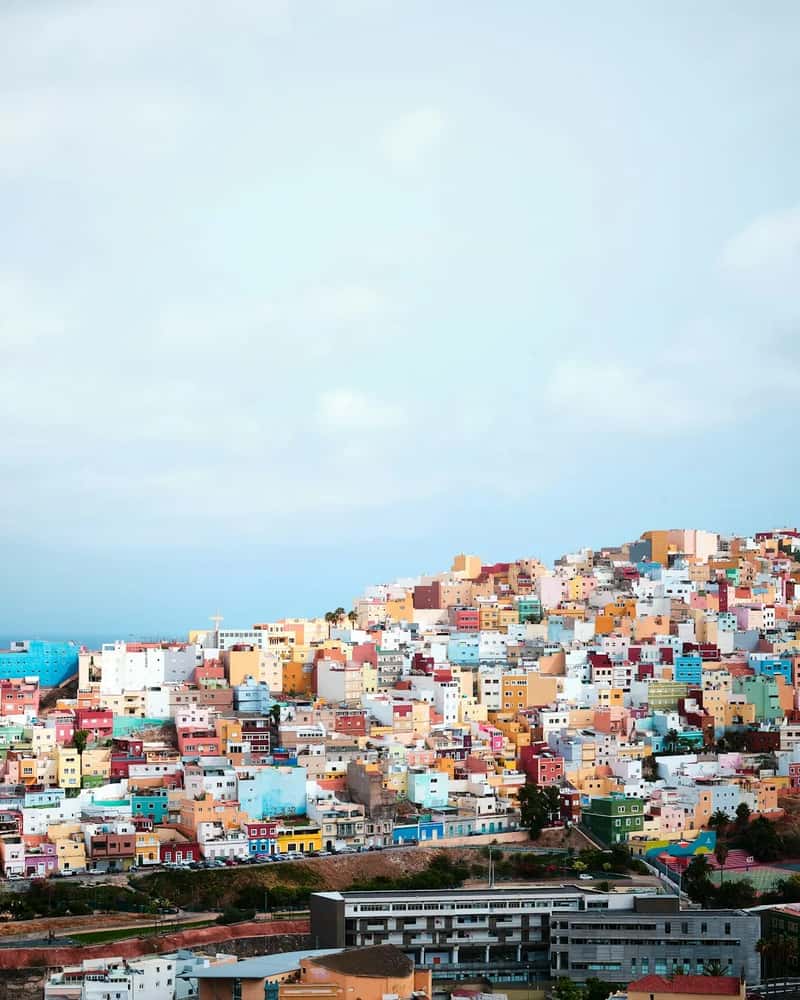
Guanajuato doesn’t try to be pretty in a polished way. It’s pretty in a chaotic, stacked-on-a-hillside way, and residents seem to genuinely prefer it that way. The cultural landscape of the Historic Town of Guanajuato and Adjacent Mines comprises a superb collection of Neoclassical and Baroque buildings as well as the industrial infrastructure for an extensive silver mine, all set in a remarkable landscape of hills and deep winding valleys at an altitude of 2,084 metres.
The city’s underground road network, carved originally to control flooding, gives it a layout unlike anywhere else in the country. This past can be seen in its subterranean streets and the Boca del Inferno, a mineshaft that plunges a breathtaking 600 meters, while the town’s fine Baroque and neoclassical buildings, resulting from the prosperity of the mines, have influenced buildings throughout central Mexico. The historic center and adjacent mines were designated a UNESCO World Heritage Site in 1988. Residents here tend to describe the vibe as younger and less polished than San Miguel, with fewer foreigners and more students from the local university filling the plazas at night.
3. Oaxaca de Juárez, Oaxaca
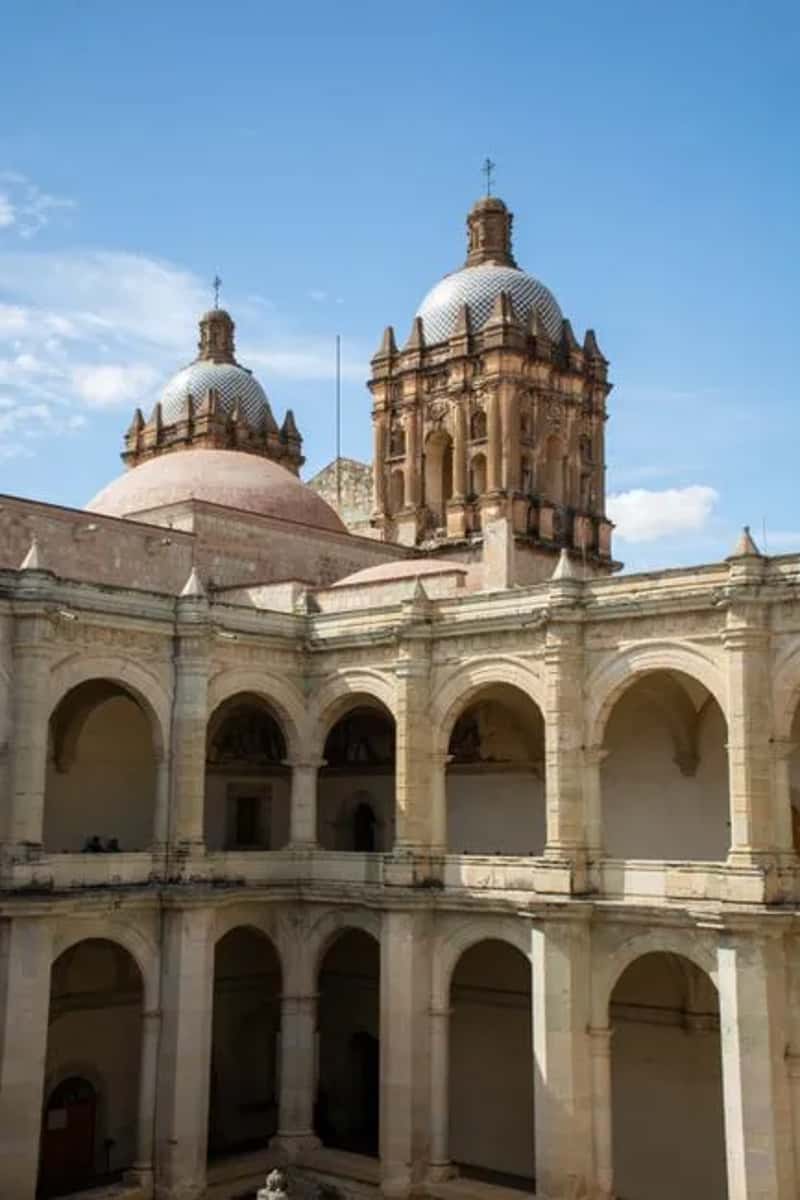
Oaxaca’s beauty is quieter and more textured than the postcard colonial cities further north, and that texture comes from a genuinely different history. The Historic Centre of Oaxaca, founded in 1529 as Antequera, showcases a colonial city structure typical of the sixteenth century, characterized by its grid layout and preserved architecture that reflects nearly 500 years of cultural heritage. The city was built for earthquakes, not just for looks.
The solidity and volume of the city’s buildings show that they were adapted to the earthquake prone region in which these architectural gems were constructed. That practicality hasn’t dulled the visual impact. A total of 1,200 historic monuments have been inventoried and listed within the Oaxaca city center. Locals often point to the surrounding indigenous culture as the real draw, since of the 570 municipalities in Oaxaca, 418 of them are predominantly indigenous, meaning there are more speakers of indigenous languages in the state of Oaxaca than in any other state in Mexico.
4. Mérida, Yucatán
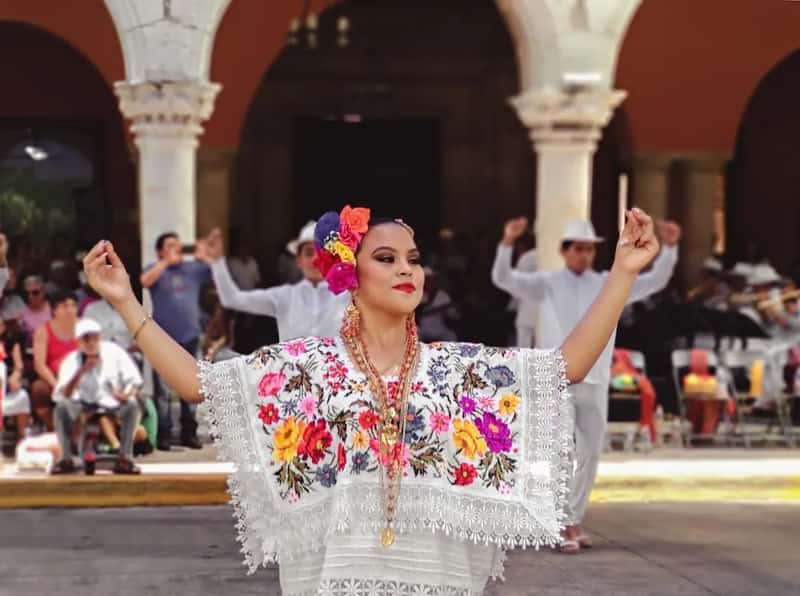
Mérida gets left off a lot of “most beautiful” lists because it doesn’t photograph like a mountain town wrapped in pastel houses. Its beauty is flatter, whiter, and honestly quieter, which is exactly why residents rate it so highly. Mérida is the capital of the Mexican state of Yucatán and the largest city in southeastern Mexico, with a population of approximately 1.2 million as of 2024, and founded in 1542, it is considered the oldest continuously inhabited European city in the Americas.
The safety factor is not a minor detail here. Residents mention it constantly, and the numbers back them up. Mérida maintains its position as Mexico’s safest capital city with approximately 100 crimes per 100,000 residents, dramatically lower than the national average of 632.1 crimes per 100,000 inhabitants. The Catedral de Mérida is the oldest cathedral on the American mainland, located on the south side of Plaza Grande. Locals also point to tourism growth as proof the secret is out, since in 2024, Mérida received over 3 million tourists, marking a record year.
5. Puebla, Puebla
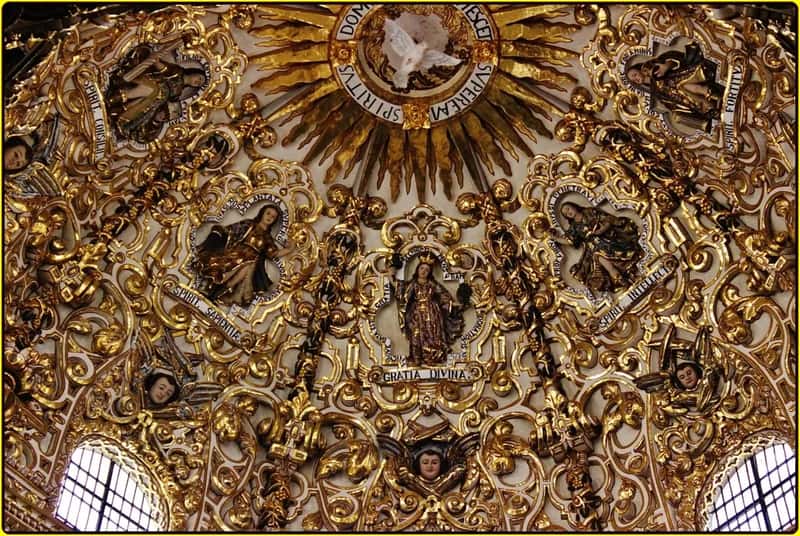
Puebla’s beauty is loud in a way the other cities on this list aren’t, mostly because of the tiles. Almost every colonial facade in the historic center is dressed in something. The city is renowned for its unique architecture characterized by vibrant colored tiles known as azulejos, intricate baroque structures, and notable landmarks like the Cathedral of Puebla, one of the largest cathedrals in Latin America.
Residents are quietly proud of the sheer density of historic buildings packed into the city center. According to UNESCO, Puebla’s Historic Center is home to 2,619 monuments, more than any other city in the Americas. The craft behind those tiles has its own international recognition too, since the UNESCO inscription in 2019 jointly honored Talavera pottery of Mexico and Spain, affirming that the skills and craftsmanship of Talavera are a human heritage to be preserved. Locals also tend to bring up the food before the architecture, and mole poblano usually comes up within the first five minutes of any conversation about the city.
6. Campeche, Campeche
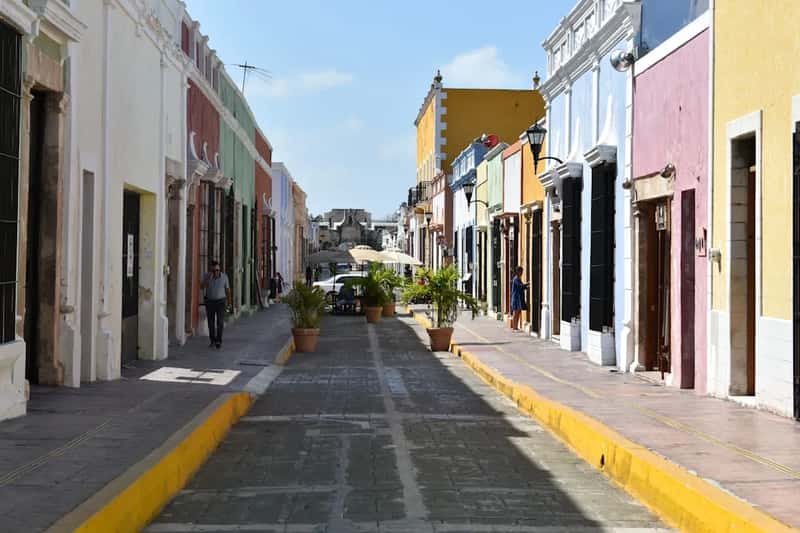
Campeche rarely makes it onto general “beautiful Mexico” lists compiled abroad, but people who live there or in nearby Mérida bring it up constantly. Part of the appeal is that it looks almost staged, in a good way. The walled port city of Campeche, on the Gulf coast of the Yucatán Peninsula, is one of the most beautiful and best-preserved colonial cities in Mexico, recognised as a UNESCO World Heritage Site in 1999, with a historic centre that is a feast of colour, with facades painted in yellow, cobalt blue, pink, terracotta and mint stretching down every street.
The walls that make the city so photogenic were originally built out of necessity rather than design. Founded in 1540, Campeche became Spain’s main port on the peninsula and, as a result, one of the most pirate plagued cities in the Caribbean, so the dramatic fortified walls and bastions that still ring the old town were built to repel buccaneer raids. Residents also benefit from the same regional safety reputation that boosts Mérida, since Yucatan and neighboring state Campeche are the only two Mexican states to get a Level 1 general precautions advisory from the U.S. Department of State, while all other Mexican states are at levels 2, 3, or 4. It’s a smaller city than most on this list, and that scale is often exactly what people who move there say they wanted.
7. Guadalajara, Jalisco
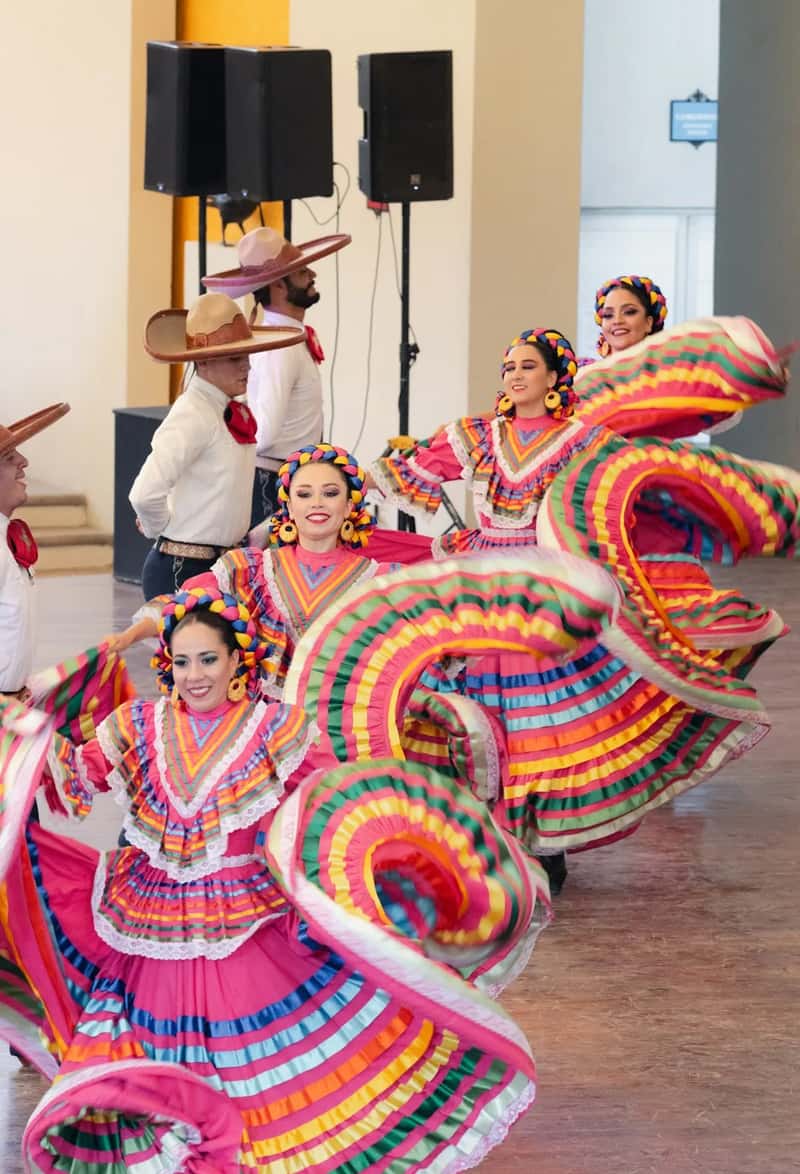
Guadalajara closes out this list not because it’s less beautiful than the others, but because its beauty works differently. It’s a real, working metropolis rather than a preserved colonial town, and residents tend to appreciate that its charm survives alongside modern city life rather than being roped off for tourists. The historic center still holds its own, with grand plazas, a baroque cathedral, and neighborhoods like Tlaquepaque that feel closer to a colonial town than a big city district.
What locals mention most, though, is culture rather than architecture. Guadalajara is widely credited as the birthplace of mariachi music and sits close to the agave fields that produce tequila, and both traditions shape daily life in ways visitors rarely see on a short trip. The Instituto Cultural Cabañas, with its murals by José Clemente Orozco, has held UNESCO World Heritage status since 1997, giving the city a serious cultural landmark that doesn’t get nearly as much attention outside Mexico as it should. For residents, that mix of everyday livability and deep cultural weight is the real draw, more than any single postcard view.