Safety rankings and glossy tourism campaigns tell one story. The people who actually live in these places often tell a different one. Every year, a handful of destinations get crowned as the world’s safest, most polished, most trouble-free places to visit, yet residents in those same cities and countries are increasingly vocal that “safe” has come to mean something else entirely: sanitized, overcrowded, unaffordable, or simply exhausting to live in.
This isn’t a list of dangerous places. Quite the opposite. These are destinations that consistently top safety indexes, travel advisories, and “best places to visit” roundups, yet locals keep pushing back against the idea that a low crime rate automatically makes for a great travel experience. Their complaints reveal something travelers rarely hear before booking a flight.
Barcelona, Spain – When “Safe” Means Sanitized for Tourists
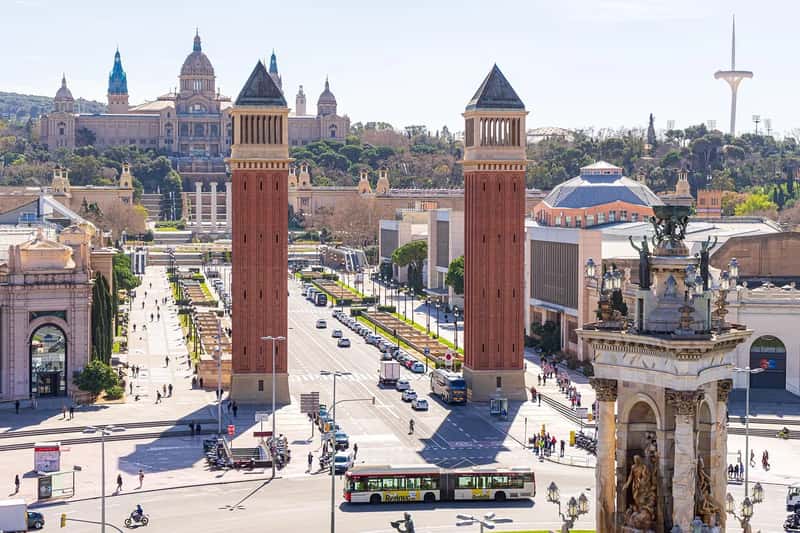
Barcelona rarely appears on danger lists, and for good reason. Yet ask a resident of the Gothic Quarter or Gràcia neighborhood how they feel about the city’s tourism boom and you’ll get a very different answer than the one in the guidebooks. The city welcomed around 26 million visitors in 2025, according to local officials, far exceeding the city’s population of roughly 1.7 million residents in the wider metropolitan area. The surge has intensified complaints over rising rents, overcrowding and the transformation of neighbourhoods into tourist zones.
The frustration boiled over into open protest. In the summer of 2024, after years of enduring the pressures of overtourism, locals in Barcelona ramped up their protest, with thousands gathering to chant “tourists go home,” with a small group squirting water pistols at visitors seated in outdoor cafes. City officials have since taken drastic steps, and in 2024, Mayor Jaume Collboni announced that all of Barcelona’s roughly 10,000 licensed tourist apartments will lose their permits by November 2028. Barcelona’s message to visitors, according to its own sustainable tourism commissioner, has become blunt: “We don’t want more tourists, not even one more, but we need to manage those we have,” while acknowledging that many of the measures will take time before they have an impact.
Venice, Italy – A Museum City Locals Can No Longer Afford
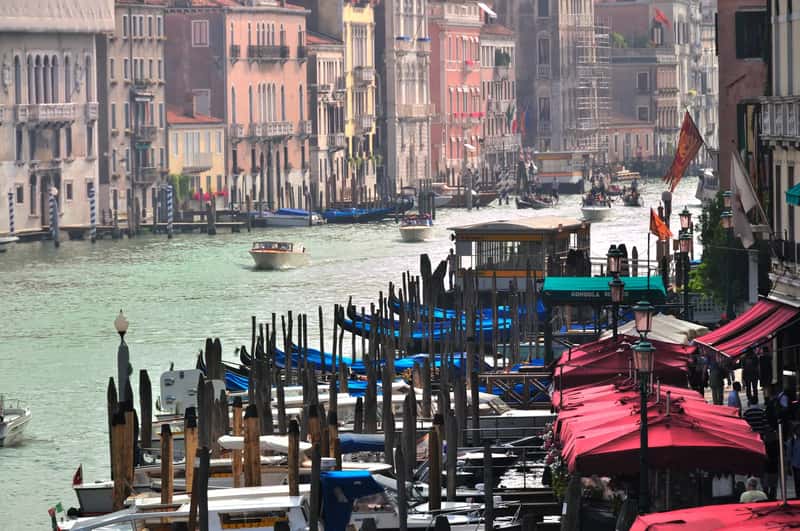
Venice is arguably the safest major city in Italy in terms of violent crime, but its residents will tell you that personal safety was never the issue. The real crisis is disappearing altogether. By 2023, the number of tourist beds in Venice’s historic center exceeded the number of residents, whose population has dropped under 50,000. There are now more tourist beds in the historic centre than official residents, whose numbers stand at an all-time low of 48,500.
City officials introduced a day-tripper fee to manage the crowds, but even they admit it hasn’t solved much. A local councillor stated that “the entrance fee, presented as a tool to manage tourist flows on the busiest days, hasn’t led to any significant reduction in admissions,” adding that “it’s clear: the experiment didn’t work.” On the single busiest day of the 2025 trial, 25,000 visitors paid the daytripper fee, a striking number equivalent to over half the resident population. A resident advocate summed up the mood bluntly, warning the fee risks turning Venice into a “theme park,” stripping away its authenticity and offering little benefit to locals.
Cancun and the Riviera Maya, Mexico – Safety Behind the Resort Gates
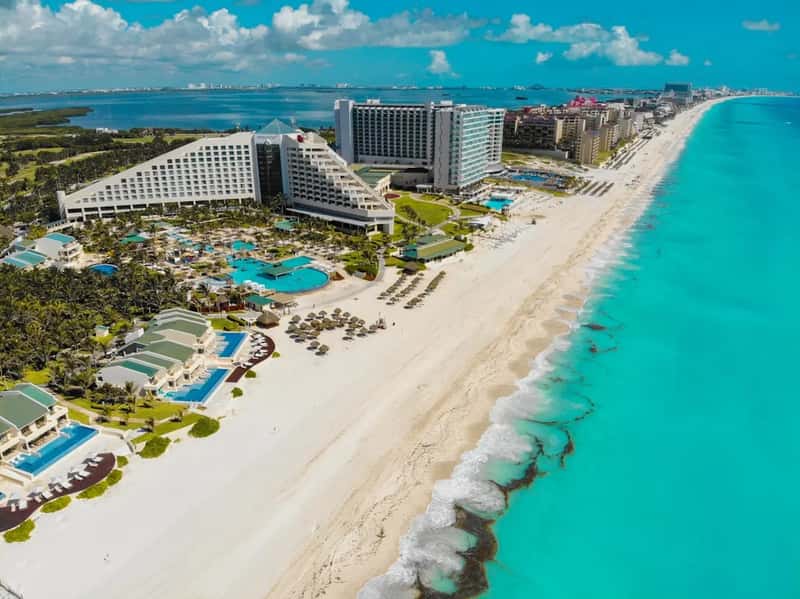
Cancun and the Riviera Maya are marketed relentlessly as safe, family-friendly, all-inclusive paradises, and inside the resort perimeter that reputation largely holds up. Step outside it, and locals describe a more complicated reality. Violent crime in the hotel zone is essentially nonexistent, though the crime that does affect tourists in Cancun is property crime such as theft from beach chairs, vehicle break-ins, and scams, with timeshare scams being the most notorious.
The bigger context is harder to ignore. In July 2025, the governor of Quintana Roo state deployed over 7,000 additional troops and police to Cancun and the Riviera Maya, in an operation that one travel outlet described plainly: while there’s a practical element to the deployment, it’s also something of a marketing exercise, designed to demonstrate clearly to tourists that a visit is just as safe as ever. Meanwhile, the same advisory specifically mentions that violent crime, including homicides and assaults, has seen an increase in Tulum, a place still sold to travelers as a boho-chic safe haven just down the coast.
Amsterdam, Netherlands – Politeness Doesn’t Guarantee Peace of Mind for Residents
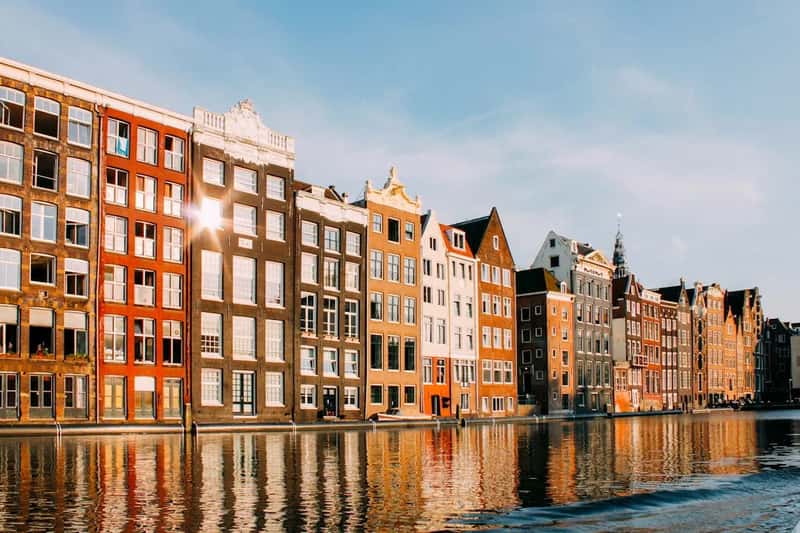
Amsterdam consistently ranks among Europe’s safer capitals, and its low violent crime rate is real. Still, residents in the city center have spent years complaining that the sheer volume of visitors, particularly stag parties and short-stay tourists drawn to the Red Light District and canal-side bars, has made ordinary life difficult. Noise complaints, public intoxication, and packed sidewalks are the daily texture of overtourism, even when the headline crime statistics look reassuring.
The city has responded with restrictions on new hotels, campaigns discouraging rowdy behavior from certain visitor groups, and tighter rules on short-term rentals, moves that mirror what Barcelona and Venice have done. That a city needs this level of intervention to keep daily life functional for its own residents says something important: being statistically safe and being genuinely livable for locals are not always the same thing, no matter how the tourism board frames it.
Dubai, United Arab Emirates – Gleaming, Guarded, and Far From the Full Story
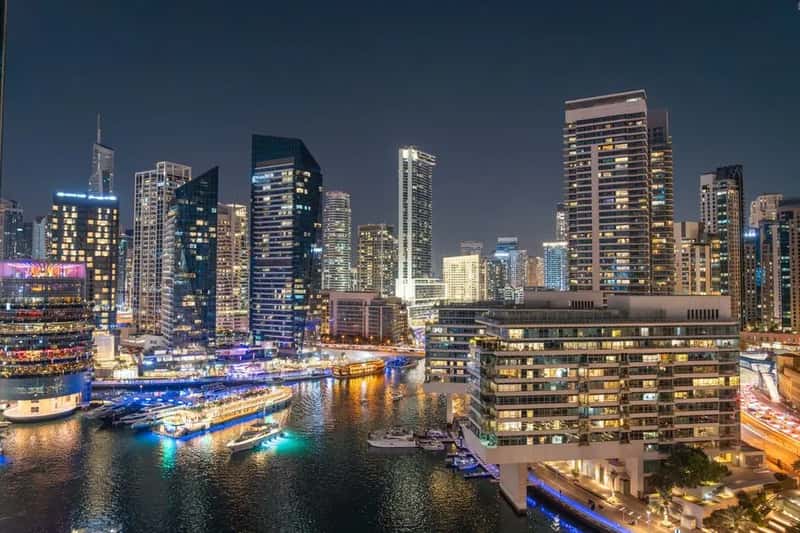
Dubai has built an entire global brand around safety, cleanliness, and order, and by conventional crime statistics it delivers exactly that. Petty theft is rare, streets are immaculate, and the emirate’s strict laws mean visitors rarely encounter the kind of low-level disorder common in other major cities. That polish, however, comes from a level of surveillance and social control that residents, particularly the millions of migrant laborers who build and maintain the city, experience very differently than the average tourist ever will.
Locals and long-term expatriates who actually live there often point out that the version of Dubai marketed to visitors, gleaming malls, artificial islands, five-star safety, is a carefully curated bubble. Strict speech and behavior laws that keep the city orderly for tourists apply just as rigidly to residents, and the labor conditions behind the skyline’s construction have drawn sustained criticism from international human rights organizations for years. Safe on the surface does not always mean fair underneath it.
Singapore – Safe, Yes. Authentic, Increasingly Not.
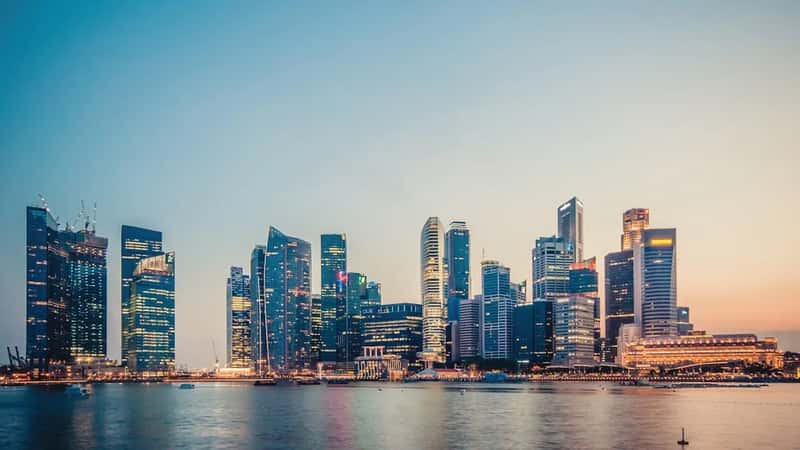
Singapore’s reputation for safety is not exaggerated. New Zealand places second globally, while Singapore ranks eighth in the 2026 Global Peace Index, and its famously strict laws, from chewing gum bans to harsh penalties for vandalism, have kept crime rates remarkably low for decades. For a first-time visitor, that predictability feels like a relief.
Residents, though, are often the first to admit that this order comes at the cost of spontaneity and character. Complaints about Singapore among locals tend to center less on danger and more on cost of living, relentless redevelopment that erases older neighborhoods, and a sense that the city has been engineered for efficiency and tourist appeal rather than organic street life. It’s a common refrain among Singaporeans that visitors experience a highlight reel, hawker centers, Gardens by the Bay, Marina Bay Sands, while missing the pressures of housing costs and pace of life that define daily reality for the people who actually live there.
Reykjavik and Iceland – The World’s Safest Country, Loved to Exhaustion

Iceland’s safety credentials are essentially unmatched. It retains its position as the world’s most peaceful country for the 19th consecutive year, with no standing army and exceptionally low crime levels, described as outperforming all others “by a significant margin.” By any measure, it is about as safe a destination as exists on the planet.
Yet Icelanders have spent the better part of a decade voicing frustration over what that reputation has done to their small country. A tourism boom that dwarfs the local population has strained roads, natural sites, and housing in Reykjavik, with residents pointing out that the influx has reshaped neighborhoods, driven up rents, and put pressure on natural attractions that were never built to handle mass visitation. The paradox is real: the safer and more desirable a place becomes on paper, the more likely it is to be loved into a very different kind of problem by the people who call it home.
What This Really Says About “Safe” Travel
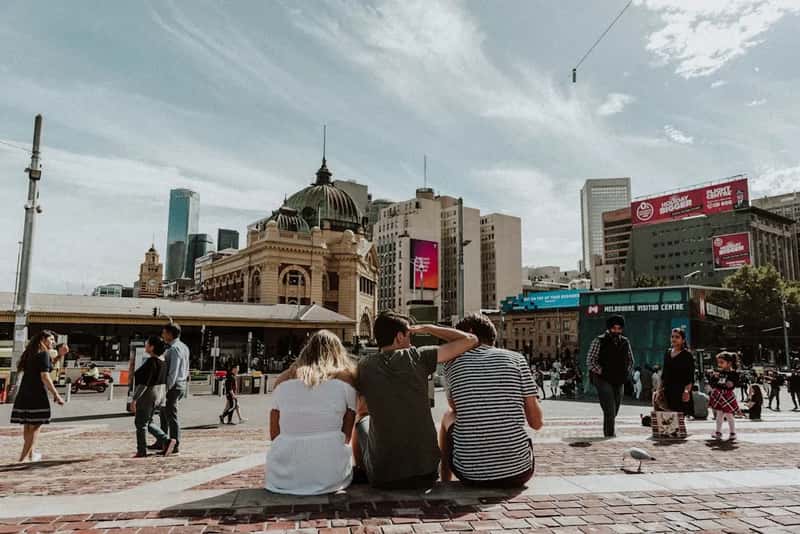
None of this means travelers should avoid Barcelona, Venice, Cancun, Amsterdam, Dubai, Singapore, or Iceland. Each remains, by almost any objective safety measure, a low-risk place to visit. What locals are pushing back against isn’t the safety label itself, but the way that label gets used to paper over housing crises, cultural erosion, labor concerns, or simply the exhaustion of living somewhere that has become a permanent stopover for millions of strangers.
The smarter approach for travelers is to hold both truths at once. A destination can be genuinely safe from crime and still be genuinely strained by the way it’s being consumed. Listening to locals, not just safety indexes, is the only way to understand which version of “safe” you’re actually signing up for when you book that trip.