Europe keeps pulling in enormous numbers of American visitors every year, and 2026 is no exception. With that steady flow of first-time travelers and repeat visitors comes a smaller but persistent population of people whose entire job is separating tourists from their money. Most of these scams aren’t new inventions. They’re old tricks that have been polished, digitized, and adapted to whatever a phone or a QR code can do now.
What makes these schemes tricky isn’t cleverness so much as timing. They work best on someone who’s jet-lagged, holding a map or a phone, and trying to be polite to a stranger. Knowing the shape of the scam before you land is often the only defense you need.
1. The distraction pickpocket routine on public transit

This is the granddaddy of European tourist scams, and it still works because it doesn’t rely on stealth so much as chaos. A group works together on a crowded metro car or platform, one person jostles you or blocks the doorway while another lifts a phone or wallet, and by the time you notice, they’ve already stepped off at the next stop. The U.S. State Department’s May 2025 advisory warns that pickpocketing and phone theft are common in crowded areas, and each year about 2,000 American travelers report their passports stolen or lost in Paris alone.
Rome, Barcelona, and Prague see the same pattern, often described by researchers as a “crush and grab” technique. Thieves often work in teams using distraction techniques, such as crush-and-grab jostling on the metro or someone asking for directions while an accomplice lifts your wallet. A 2025 review of theft reports found Paris, Rome and Barcelona as the three worst affected cities globally, with Paris alone accounting for more than one in six reviews that mention pickpocketing or theft. Keeping bags zipped and worn across the front, rather than slung over one shoulder, cuts down the opportunity considerably.
2. The staged spill or “cleanup” scam
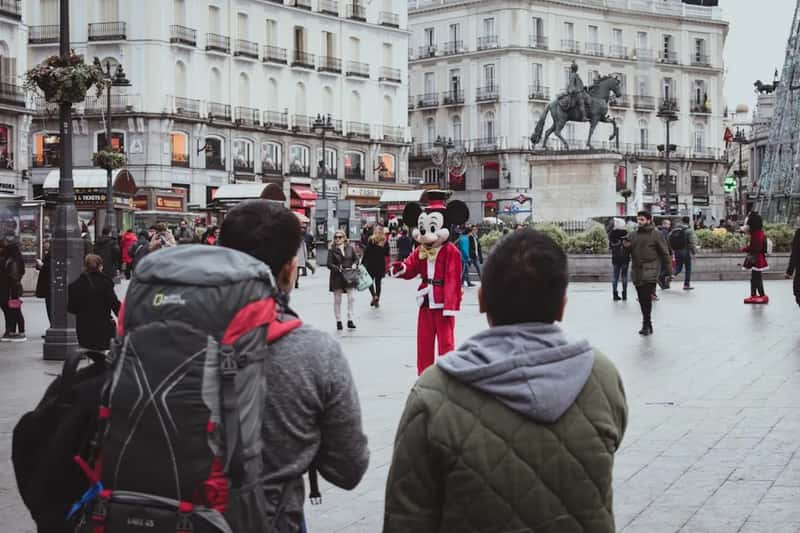
This one sounds almost too theatrical to work, yet it’s been catching tourists for decades in cities like Rome, Paris, and Barcelona. Someone spills something on you, ketchup, ice cream, coffee, or something meant to resemble bird droppings, and within seconds a “helpful” stranger appears offering to clean you up. While they’re dabbing at your jacket with a napkin, their hands, or an accomplice’s, are working your pockets or bag.
The AARP has documented this pattern closely, noting that in these encounters “Someone will approach you and offer to help clean you up.” The advice from a former State Department official applies directly here: the best defense is by employing the same commonsense tools and instincts one uses in the United States, because if something doesn’t feel right, it probably isn’t. If a stranger is suddenly touching your clothing or belongings uninvited, step back and check your pockets immediately, even if it feels rude.
3. Unofficial taxis and fake airport transfers
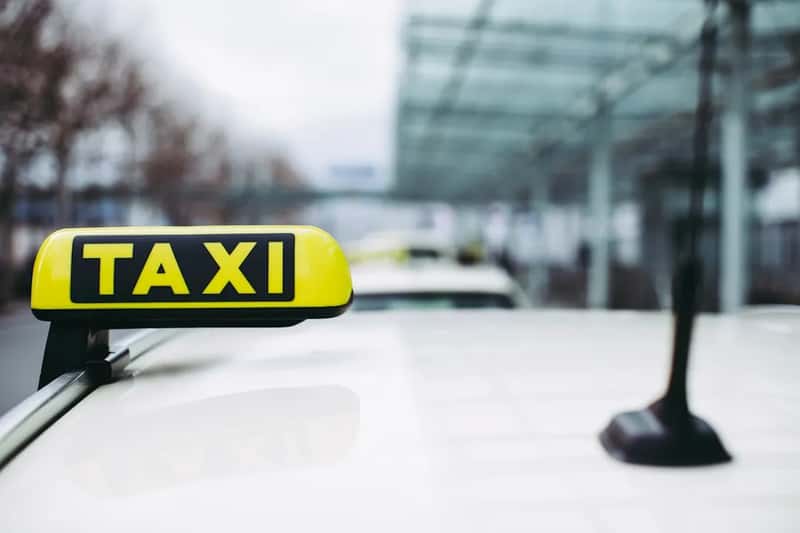
Landing at a major European airport after an overnight flight is exactly when your guard is lowest, which is precisely why this scam clusters around arrivals halls and baggage claim areas. Drivers who approach you directly, rather than waiting at a marked taxi rank, often skip the meter entirely or claim it’s broken. Unofficial taxis and drivers who approach travelers in baggage claim rather than waiting at designated pickup points are among the most reliable scams in travel, with prices that are never displayed and fares that are whatever the driver claims.
Prague has a particularly well-documented version of this, especially on the airport-to-city-center route, where drivers may claim the taxi meter is broken, take indirect routes, refuse credit cards to force cash payment, or use fake airport dispatchers to steer tourists to overpriced taxis, a pattern especially common from the airport to the city centre. The fix is almost boringly simple: use the official taxi stand, a licensed ride-hailing app, or pre-book transport before you land.
4. Fake or scalped tickets for major attractions
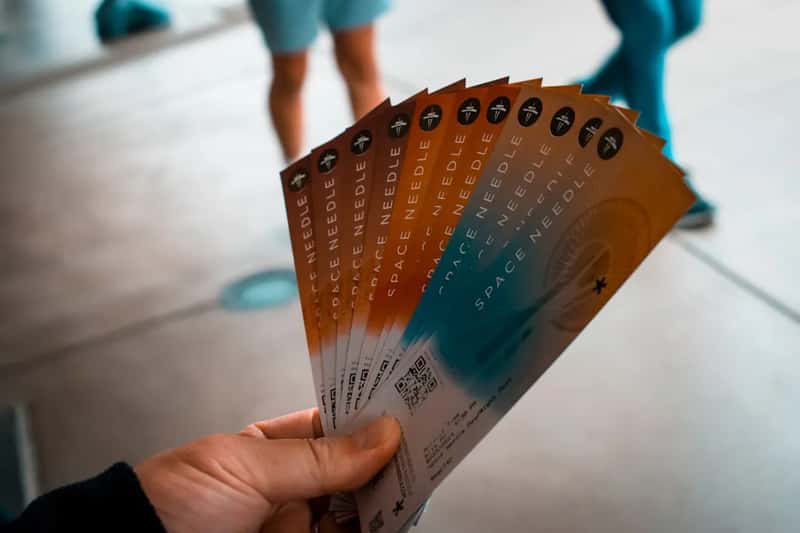
Skip-the-line ticket fraud has become one of the fastest-growing scams across the continent, riding on both street hustlers and increasingly convincing fake websites. Scammers used fake websites, counterfeit QR codes, and street touts to sell illegitimate West End theatre tickets, museum passes for places like the Louvre and Vatican, and hop-on hop-off tours. The problem got serious enough that the spike in tourist ticket scams across Europe in 2024 and 2025 highlighted the darker side of the post-pandemic travel boom.
Rome has its own particularly aggressive variant tied to its most famous ruin. Tour firms in Rome hoarded Colosseum tickets and forced tourists into high-priced tour bundles, making it seem like direct tickets simply weren’t available. The safest move is booking directly through an attraction’s official website weeks in advance, never through a link found on social media or a stranger handing out flyers near the entrance.
5. Menus without prices and inflated restaurant bills

Walk into enough restaurants near major landmarks and you’ll notice a pattern: the menu is handwritten, laminated, or simply doesn’t exist, and prices get quoted verbally instead. A restaurant without a menu with prices displayed, or one where prices are quoted verbally before being significantly higher on the bill, is targeting tourists, so it pays to always ask to see a menu with prices before ordering and check that the bill matches what was ordered. By the time the check arrives, disputing it in an unfamiliar language, in a country whose customs you don’t know, is awkward enough that many travelers just pay.
This behavior tends to concentrate in exactly the spots you’d expect. One of the clearest warning signs of a tourist trap is unclear or missing pricing information, since restaurants or shops that do not display prices openly may adjust charges based on the customer’s appearance or nationality, a pattern especially common in busy tourist districts. Comparing a few nearby menus before sitting down, and treating aggressive street promoters as a red flag rather than a friendly welcome, solves most of the problem before it starts.
6. Rental scams for apartments and vacation homes

This scam has grown alongside the boom in short-term rentals and now shows up constantly on social media marketplaces and even some third-party booking sites. The setup follows a familiar arc: a traveler finds a stunning apartment listing, priced at half the normal going rate, with a host who is incredibly responsive and friendly. Then comes the pivot that should raise alarms.
The “host” typically asks to take the conversation off the official platform, usually moving to WhatsApp, and then requests a wire transfer, crypto payment, or direct bank deposit to secure the booking and avoid platform fees. Months later, the traveler arrives to find the address doesn’t exist, or a confused local opens the door and says they actually live there year round. The rule here is unbending: never pay outside a platform’s official payment system, no matter how good the deal looks or how much pressure there is to act fast.
7. Fake QR codes at restaurants, meters, and transit stops
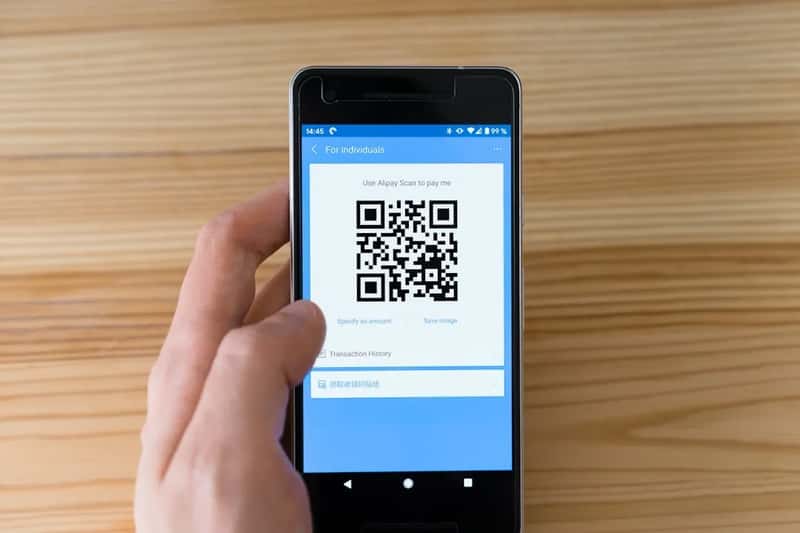
The newest addition to this list is entirely digital, and it’s spreading fast enough that international agencies are now tracking it. Scammers place stickers with fraudulent QR codes directly over legitimate ones at restaurant tables, parking meters, and transit kiosks in busy tourist areas. Scanning the fraudulent code redirects to a site designed to capture payment information or install malware, a tactic called quishing that has been flagged by INTERPOL and security organizations tracking tourism fraud in 2026.
The tell is usually physical if you know to look for it. Travelers should be skeptical of any QR code that appears to have been placed as a sticker over an existing surface, and when a restaurant presents a QR code menu, it’s worth verifying it comes from the restaurant’s own domain before entering payment information. For parking and transit specifically, it’s safer to prefer the official apps or card readers over QR codes found in public spaces.
Staying alert without staying paranoid
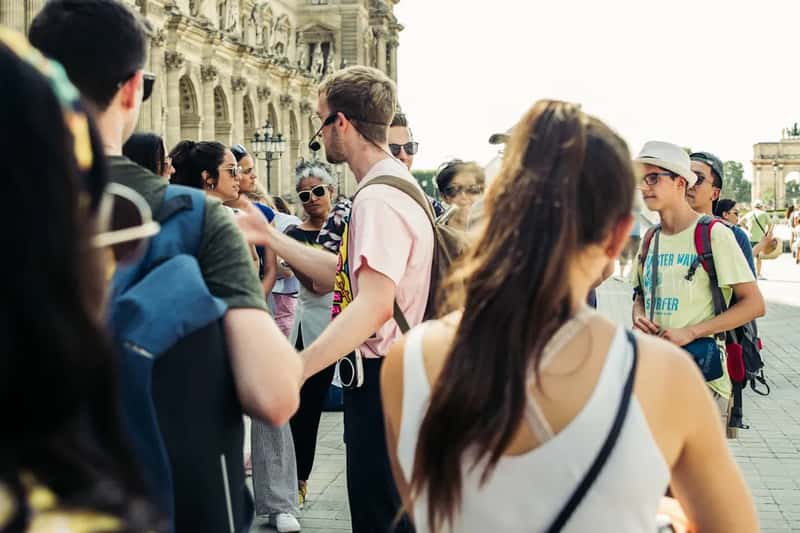
None of this means Europe has become dangerous or that a trip there requires constant suspicion. Violent crime against tourists remains rare, and the vast majority of visits go by without incident. These warnings do not suggest that Europe is unsafe, since violent crime rates remain low, but they underscore the need for vigilance, including securing valuables, avoiding unsolicited interactions, confirming the identity of officials, and using licensed transport.
The common thread across all seven scams is that they exploit ordinary human instincts, politeness, urgency, trust in a friendly stranger, rather than anything sophisticated. A traveler who books through verified channels, keeps a hand near their bag in crowds, and pauses before scanning an unfamiliar code will avoid nearly all of it. The rest just comes down to trusting that quiet instinct when something feels a little off.