Some places you visit and check off a list. Others quietly rearrange your travel plans, tacking on an extra night, then another, until the return flight starts to feel like a mistake. Across the United States, a handful of cities and towns have built reputations not just for what they offer, but for how hard it is to leave once you get there.
These aren’t necessarily the biggest names in American tourism. Several of them are small, walkable, and built around a slower rhythm than the big-city itineraries most people expect. What they share is a knack for making visitors linger, whether that means extending a weekend trip or quietly researching what it would take to move there for good.
Charleston, South Carolina

Charleston has become one of the clearest examples of a city that converts short visits into long stays and repeat trips. The Charleston area saw 7.8 million visitors in 2024, which generated a record 14 billion dollar economic impact in the local hospitality sector.[1] By 2025, that number climbed even higher, with the Charleston area welcoming a record 7.9 million visitors, generating a record 14.3 billion dollar economic impact.[2]
Local tourism officials point to something specific behind those figures. Charleston is in a unique position to weather economic conditions because of the higher end visitors that stay longer and spend more.[1] Cobblestone streets, pastel row houses, and a food scene built on Lowcountry cooking give people plenty of reasons to keep pushing back their departure date.
Savannah, Georgia

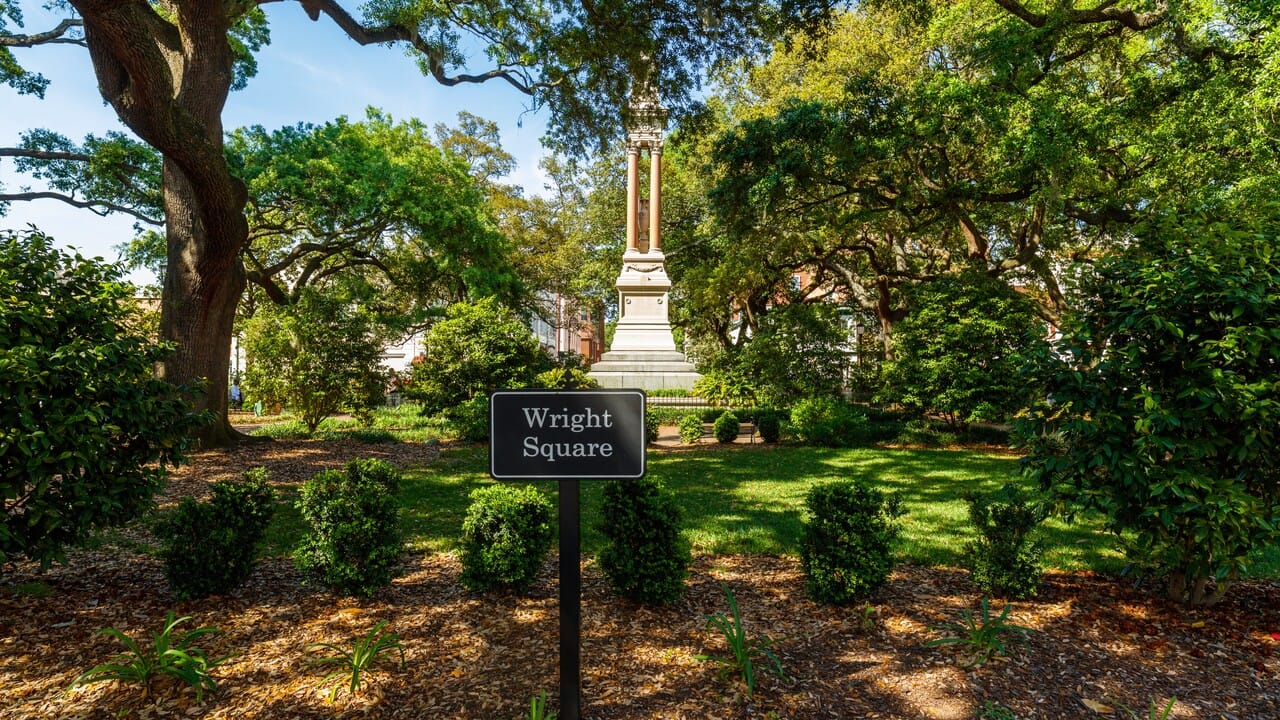
Savannah’s appeal shows up less in flashy headlines and more in a simple, telling statistic: people keep coming back. Sixty-nine percent of overnight visitors are repeat visitors and stay approximately 2.9 nights in Savannah.[3] That kind of loyalty is rare in American tourism, where most cities depend heavily on first-time visitors.
The numbers behind that loyalty are substantial. The city has grown its annual visitors from a modest 1.3 million in 1977 to a record-breaking 12.9 million in 2024.[4] Spanish moss, historic squares, and a compact downtown built for wandering on foot make it easy to see why so many visitors decide once simply isn’t enough.
Sedona, Arizona

Sedona proves that a destination does not need enormous crowds to build fierce loyalty. North of Phoenix, Sedona offers compelling proof that destination strength no longer hinges on sheer visitor headcounts, with visitors maintaining an average length of stay of 2.1 days and 81 percent choosing to stay overnight.[5] That is a notably high overnight rate for a town its size.
Repeat visitation tells its own story here too. Repeat visitors represented more than one third of all arrivals, while Arizona residents constituted nearly 53 percent of January travelers, establishing a reliable winter weekend retreat market.[5] The red rock formations and hiking trails clearly aren’t a once-and-done experience for most people who make the trip.
Key West, Florida

Key West sits at the literal end of the road, and for a lot of visitors, that feels appropriate. The island’s slower pace, combined with sunset gatherings at Mallory Square and a downtown built around porches and open-air bars, tends to dissolve people’s sense of urgency almost immediately. Visitors who plan a quick two-day stop often find themselves adjusting flights to squeeze in a few more days.
Part of the pull is practical. There’s genuinely nowhere else quite like it within easy reach of the mainland United States, and the isolation itself becomes part of the appeal. Once people settle into the rhythm of the place, the outside world starts to feel a little less urgent.
Asheville, North Carolina

Asheville has spent the last couple of decades quietly building one of the most devoted visitor bases in the Southeast. Nestled in the Blue Ridge Mountains, the city pairs mountain scenery with a food and craft beer scene that punches well above what its size would suggest. Many visitors arrive expecting a weekend of hiking and leave having also discovered a downtown packed with independent galleries, breweries, and restaurants they hadn’t planned on exploring.
The city’s identity as an arts and wellness hub adds another layer to its stickiness. It’s the kind of place where a short getaway routinely turns into serious conversations about relocating, something local real estate agents have long noted anecdotally among transplants drawn there after a single visit. The mountain views alone tend to make people slow down and reconsider their schedule.
Santa Fe, New Mexico

Santa Fe offers something genuinely different from most American cities, and that difference is exactly what keeps people from wanting to head home. The adobe architecture, high desert light, and deep blend of Native American, Spanish, and Anglo cultural influences give the city a texture that feels unlike anywhere else in the country. Add in one of the most respected art markets in the Southwest and a food scene built around New Mexican chile traditions, and it’s easy to understand why visitors extend their stays.
The altitude and quiet pace play a role too. At roughly seven thousand feet, Santa Fe forces a slower rhythm almost by necessity, and many visitors find that shift oddly welcome rather than inconvenient. It’s a city that rewards lingering rather than rushing through a checklist of sights.
Maui, Hawaii

Maui’s pull has always been powerful, and in the years following the 2023 wildfires, that draw has taken on new significance for the island’s recovery. Hawaii tourism officials have been adamant in encouraging travelers to visit and help spur the local economy in the aftermath of the devastating 2023 Maui wildfires.[6] Visitors who return often describe a renewed sense of purpose in their trip, alongside the usual draws of beaches, volcanic landscapes, and world-class snorkeling.
Maui’s staying power shows up in how travel publications continue to rank it. Maui, Glacier National Park and Yellowstone National Park were the only U.S. locations among the top 30 vacation spots listed[7] in one recent major vacation ranking, putting it in rare company. For an island destination this far from the mainland, that kind of consistent pull says a great deal about how hard it is to leave once you’ve arrived.
What makes a place hard to leave

Looking across all seven destinations, a pattern starts to emerge. None of them rely purely on a single headline attraction. Instead, they combine walkable scale, distinct local culture, and a pace of life that feels noticeably different from wherever visitors came from.
Repeat visitation and longer average stays, the kind of data coming out of Savannah, Charleston, and Sedona, suggest this isn’t just anecdotal charm. It’s a measurable pattern showing up in tourism economics across very different parts of the country. Whether it’s a coastal city, a desert town, or a Pacific island, the common thread is simple: these are places built for staying, not just passing through.