


Step onto a metro platform in Paris, a tram in Vienna, or a regional train in Italy, and you’ll notice something quickly: nobody hands you a rulebook, yet everyone seems to know exactly how to behave. These unwritten codes of conduct are absorbed rather than taught, and breaking one usually earns you a sharp look, a muttered comment, or worse, an actual fine. For travelers used to more relaxed transit cultures, Europe’s public transport systems can feel like a maze of invisible expectations.
The good news is that these rules aren’t mysterious once you know them. They’re rooted in decades of high-density urban living, efficiency-driven design, and a general belief that shared spaces run better when everyone follows the same script. Here are seven of the most important unspoken rules that locals live by, and that visitors ignore at their own peril.
1. Validate Your Ticket Before You Ride, or Pay the Price
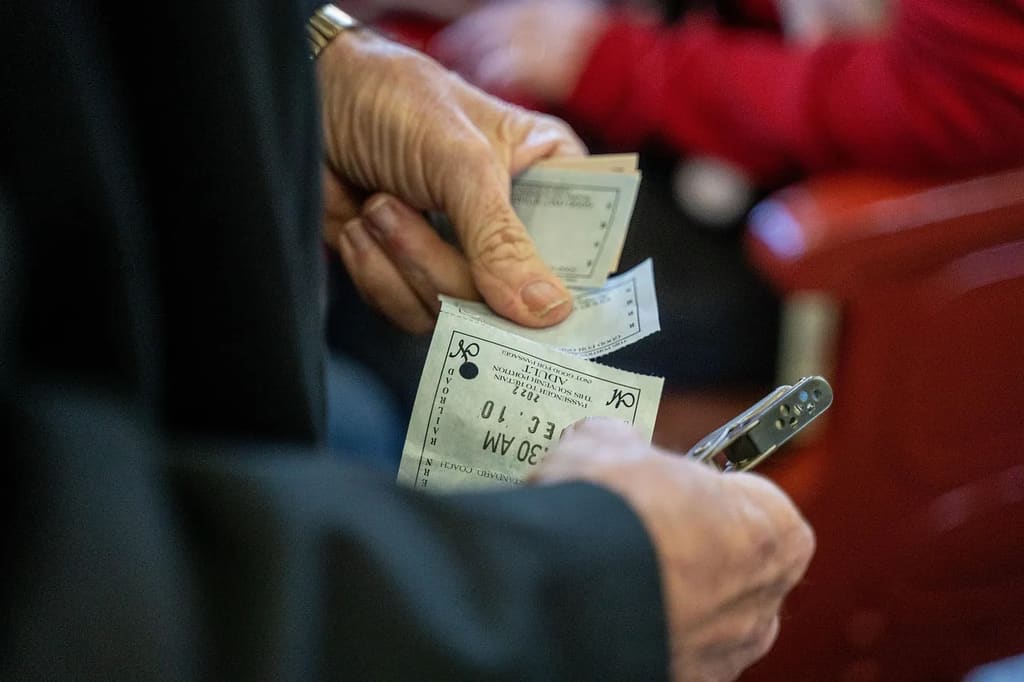
In much of continental Europe, buying a ticket is only half the job. Many regional and national rail systems still operate on an honor system rather than turnstiles, which means the responsibility falls on the passenger to prove their ticket is actually active for that specific journey. This clash highlights a cultural gap between how public transportation operates in the US and in Europe, where many networks rely on an honor system in which personal responsibility plays a key role. Skip this step and you’re gambling with a fine that can be surprisingly steep.
The exact mechanics vary by country and ticket type. Paper tickets may need a stamp, mobile tickets may need to be bought or activated before the trip begins, and contactless systems may need a tap in and a tap out. In France, failing to stamp your ticket can result in a fine of up to fifty euros, while in Italy the stakes can climb even higher, with some travelers reporting a penalty fine of up to two hundred euros for an unvalidated regional ticket. The rule of thumb: if your ticket doesn’t have a fixed train, date, and seat printed on it, assume it needs validating.
2. Stand Right, Walk Left, No Exceptions
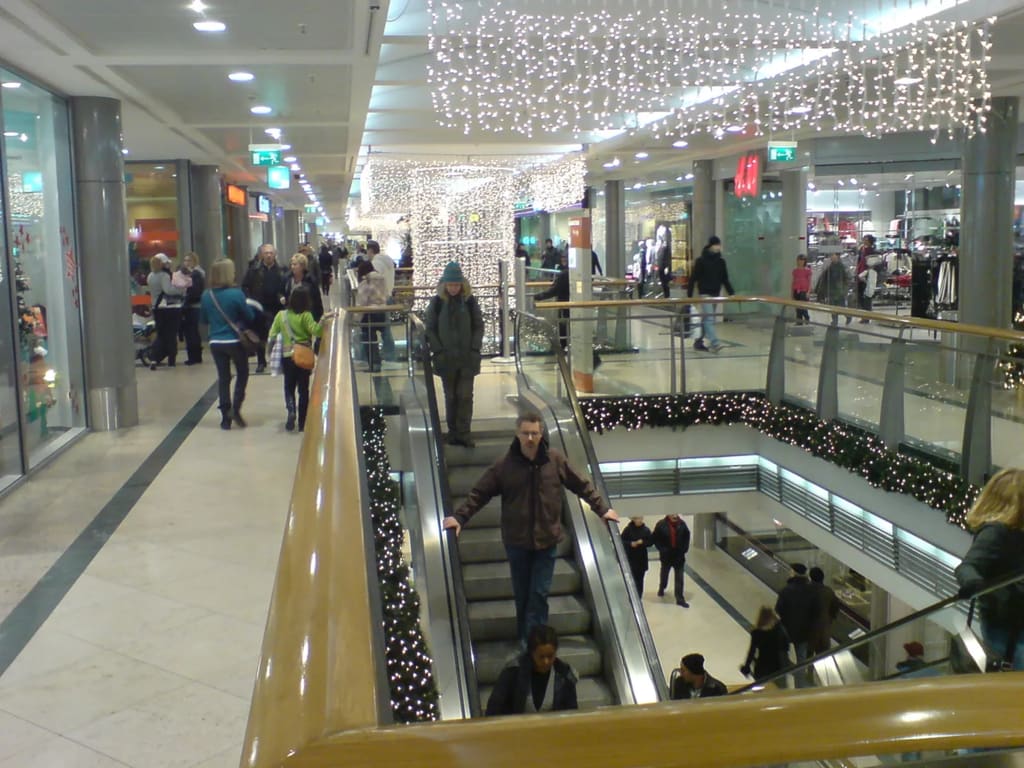
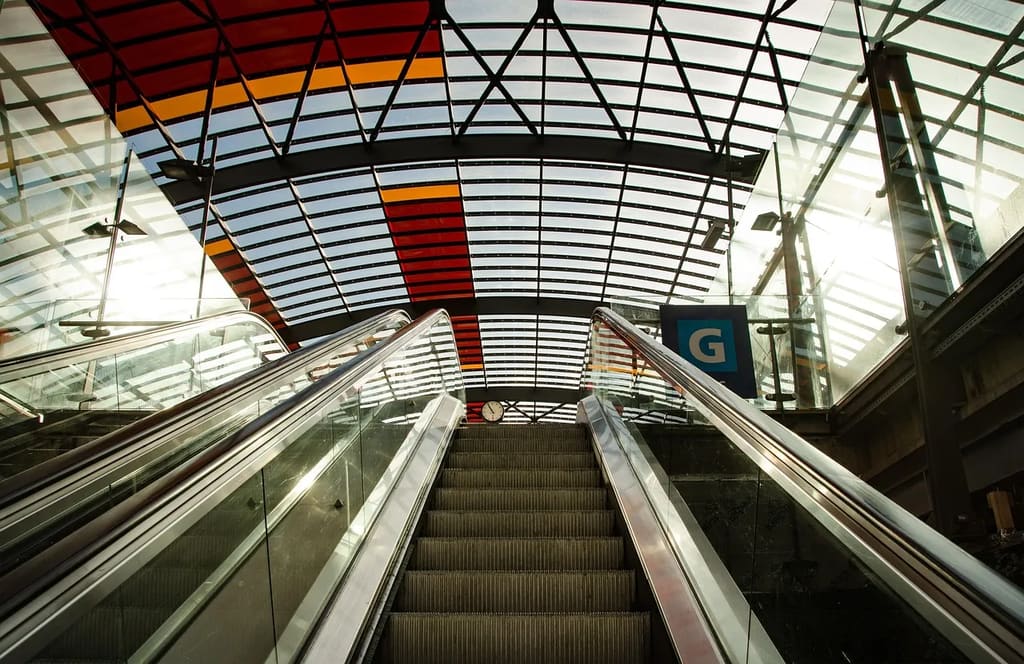
Nowhere is European transit etiquette more rigid than on the escalator. In most major European cities, escalator etiquette is very clear: stand on the right and walk on the left. This isn’t a suggestion, it’s practically a civic duty, and locals notice immediately when a tourist plants themselves in the middle of the moving stairs with a suitcase blocking the lane.
The habit has surprisingly old roots. Parisian public transport operator RATP explains that the rule was first imposed by the London underground transportation system in 1911, and then spread to other major cities. Today it’s enforced almost entirely through peer pressure and the occasional station announcement. In Paris alone, that culture of order helps keep things moving for twelve million passengers per day without total gridlock on the platforms.
3. Let Riders Off Before You Try to Board
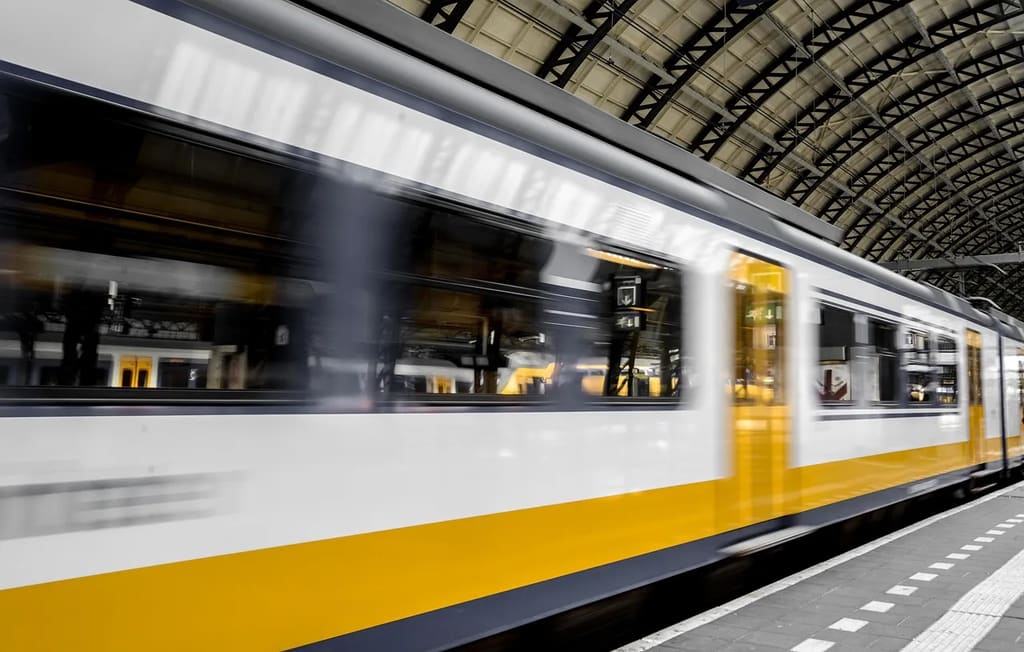
This one sounds obvious, yet it’s violated constantly by first-time visitors who cluster at the doors the moment a train or tram pulls in. The correct move is to step aside, let the flow of exiting passengers clear the doorway, and only then move forward. On systems with heavy rush-hour traffic, doing this wrong doesn’t just annoy people, it genuinely slows down the entire platform’s turnover.
What makes this rule tricky for outsiders is how quickly it happens. European trains and metros typically hold doors open for a matter of seconds, not the leisurely dwell times some visitors are used to elsewhere. Locals position themselves slightly to the side of the doors while waiting, forming a natural gap that lets people flow off before anyone steps on. Standing directly in the center of the doorway marks you as someone who hasn’t quite figured out the choreography yet.
4. Silence Is the Default, Not the Suggestion
Loud phone calls, videos played without headphones, and boisterous group conversations tend to draw quiet disapproval on most European trains and metros, especially outside major tourist corridors. Many long-distance and regional trains even designate specific quiet zones or quiet coaches where silence is treated as close to mandatory, and conductors have been known to intervene if the volume gets out of hand.
This isn’t about being cold or unfriendly. It reflects a broader cultural norm that public transit is a shared, semi-private space where everyone is entitled to a bit of peace. Locals will often speak in lowered voices even in ordinary carriages, and a phone conversation held at full volume tends to get you more sideways glances than a fashion faux pas ever would.
5. Priority Seats Are Sacred
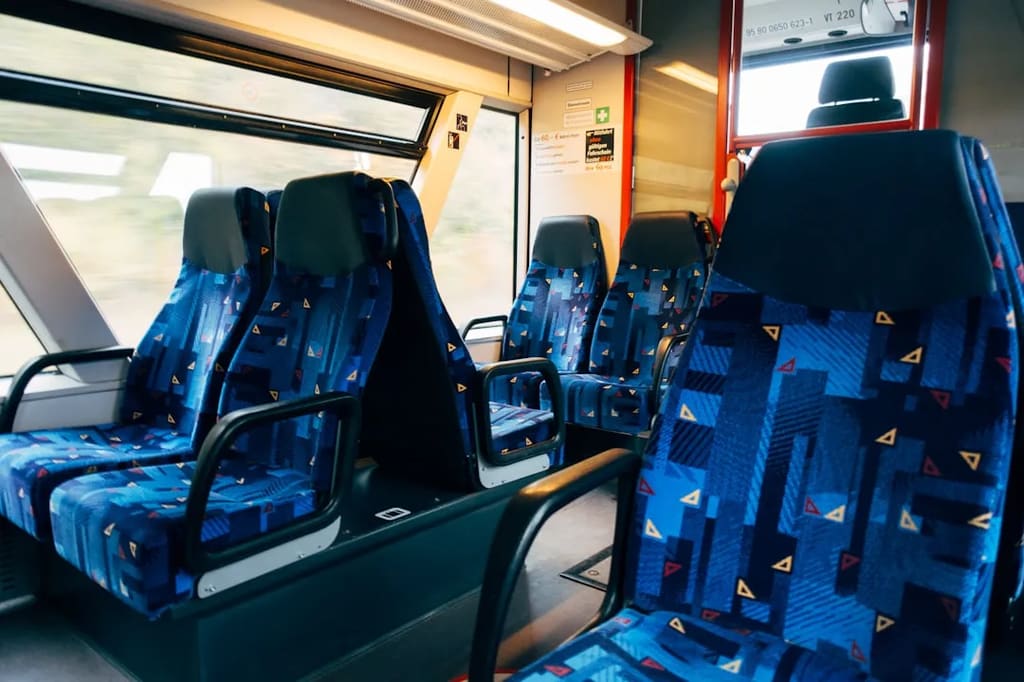
The seats near the doors marked with symbols for elderly riders, pregnant passengers, or people with disabilities are not simply first-come, first-served. Giving them up without hesitation, and often without being asked, is one of the clearest markers of someone who understands local norms. Hesitating, pretending not to notice, or staying glued to a phone screen while an elderly passenger stands nearby is one of the fastest ways to draw disapproving stares.
This expectation holds across nearly every country, though the intensity of enforcement varies. In cities with older populations and dense elderly ridership, fellow passengers may even ask you directly to move, something that would feel unusually blunt in other cultures but is considered entirely normal there. The underlying logic is simple: shared space comes with shared responsibility, and priority seating exists precisely because not everyone can stand comfortably during a journey.
6. Luggage Has Limits Too
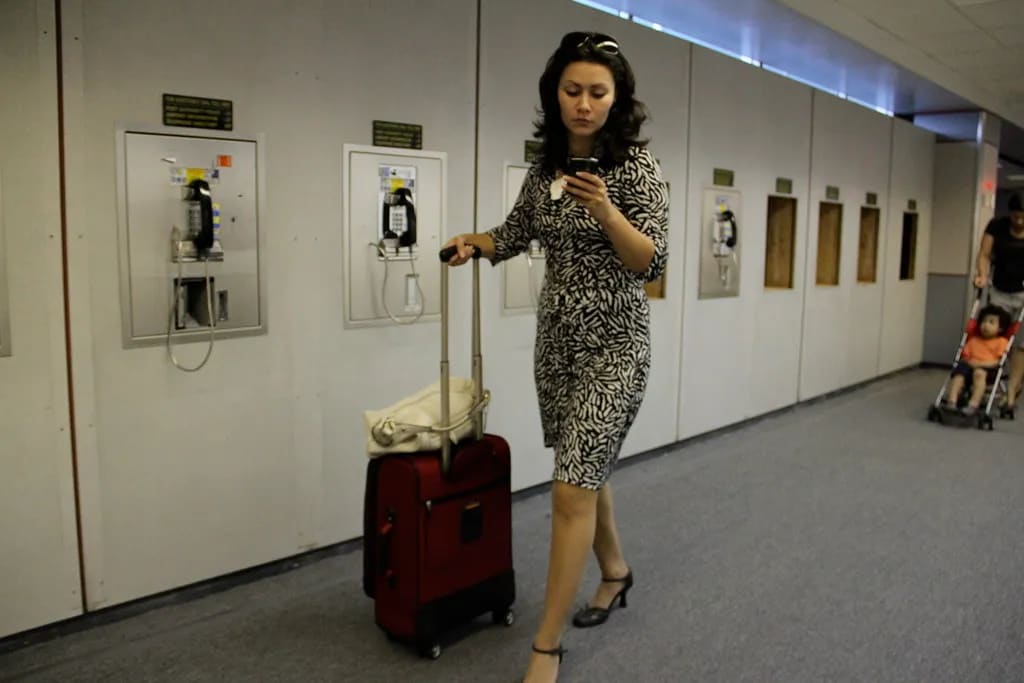
Oversized suitcases and mountains of bags aren’t just inconvenient, they’re increasingly regulated. French national rail operator SNCF, for example, moved to actively enforce baggage rules on its trains, and passengers now face a fifty euro fine for exceeding the luggage allowance on certain services. Even where formal fines don’t exist, blocking aisles or luggage racks with oversized bags is treated as a clear breach of shared-space etiquette.
The unspoken expectation is that your belongings shouldn’t take up more room than you would if you were carrying them yourself. Bags go on overhead racks, under seats, or in designated luggage areas, not sprawled across an empty seat next to you during a busy journey. On escalators and platforms, the same logic applies: keep bags close to your body rather than letting them become an obstacle for people trying to pass.
Related Stories From Travelbinger


7. Personal Space Is Not Negotiable, Except When It Has to Be
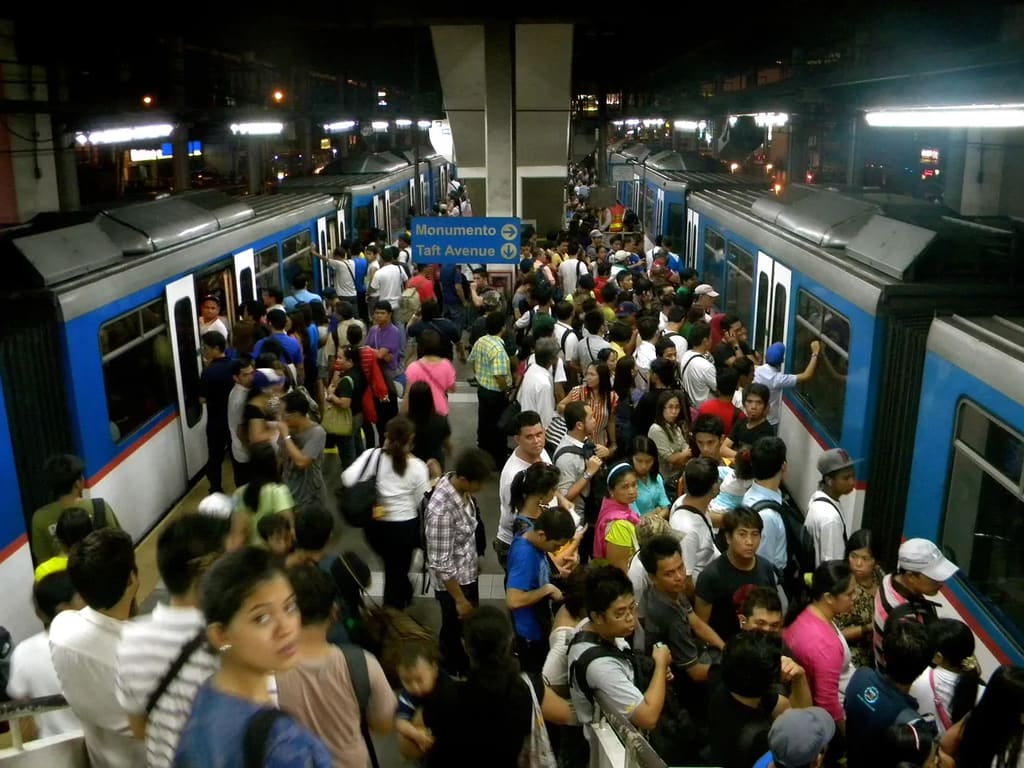
European transit is often more physically crowded than what many visitors are used to, particularly during rush hour in cities with older, narrower metro systems. Locals have developed a kind of practiced indifference to this closeness, standing shoulder to shoulder without making eye contact, small talk, or any acknowledgment of the person pressed against them. Trying to strike up a friendly conversation with a stranger in these conditions is more likely to produce polite confusion than warmth.
At the same time, deliberately invading someone’s space when it isn’t necessary, spreading out across multiple seats, or resting bags on an adjacent seat during a crowded ride breaks the same unwritten contract in the opposite direction. The rule cuts both ways: accept close quarters when the carriage demands it, but don’t create unnecessary crowding when there’s room to spare. Reading the density of the car and adjusting accordingly is a skill regular commuters develop almost without thinking about it.
Getting It Right Takes Practice, Not Perfection
None of these rules are written down on a sign you’ll see when you first arrive in a new city. Instead, they’re absorbed by watching how everyone else moves, waits, and reacts. Visitors who pay attention for even a single ride, noticing where locals stand on the escalator or how quickly they clear the doorway, tend to pick up the pattern faster than they expect.
Getting one of these wrong on your first day isn’t the end of the world. Most locals extend a reasonable amount of patience to obvious tourists, especially if you’re clearly trying. Still, there’s something satisfying about moving through a foreign city’s transit system without a single hitch, blending into the flow rather than standing out as the person blocking the escalator. That small fluency, more than any guidebook fact, is often what makes a trip feel like it’s finally clicked.