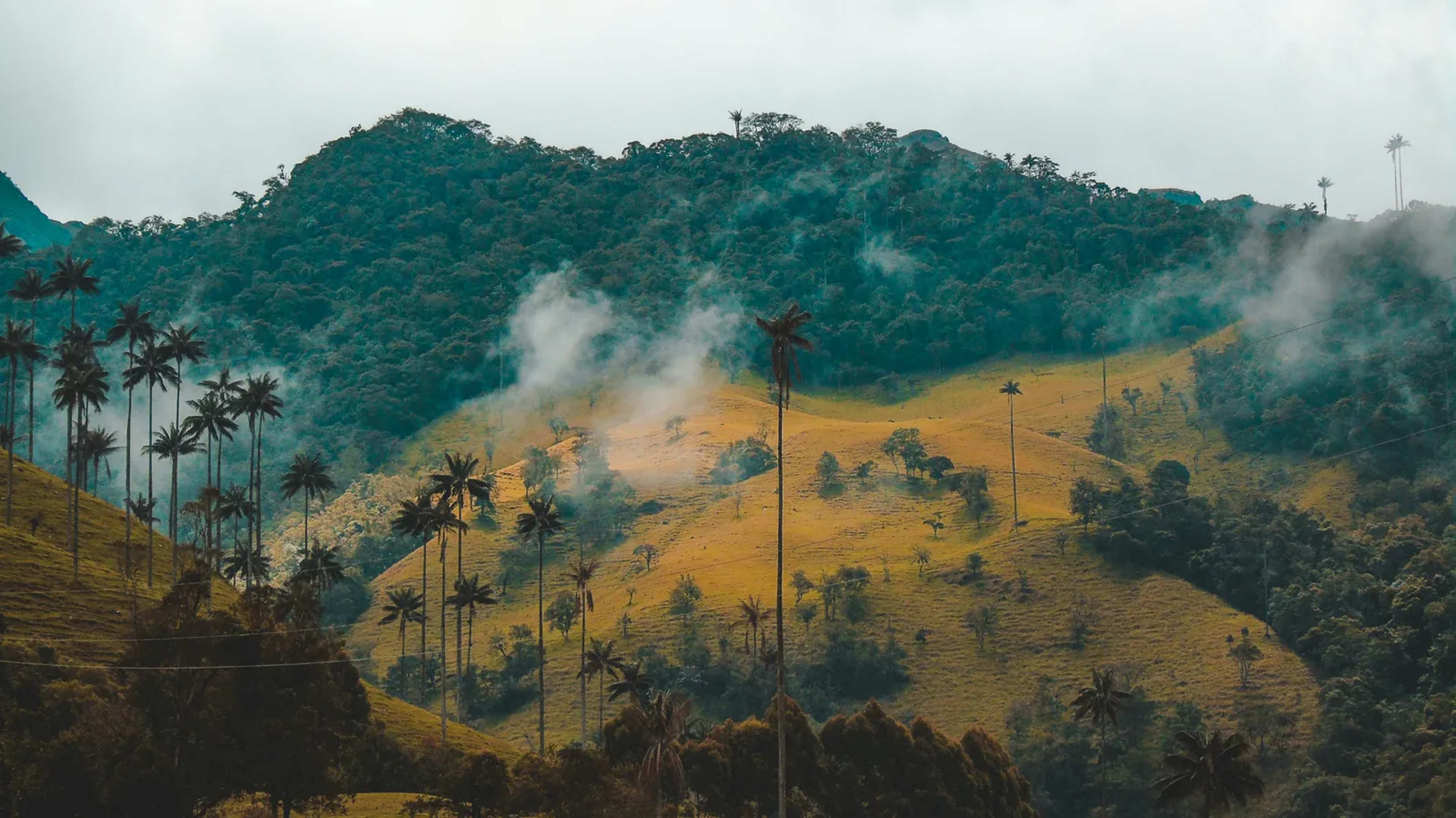
Summer used to mean sunburn and overbooked beach bars. In 2026, it increasingly means checking a fire danger map before checking a hotel review. Across several of the world’s most visited countries, the months that draw the biggest crowds now overlap almost exactly with the months fire crews dread most, and that collision is reshaping how millions of people plan a holiday.
The following eight countries stand out this year, not because tourism is unsafe in a blanket sense, but because their high season and their fire season have become nearly indistinguishable. Airports keep running, cities stay open, yet the margin for error in rural, wooded, or wind exposed areas has narrowed considerably.
Greece
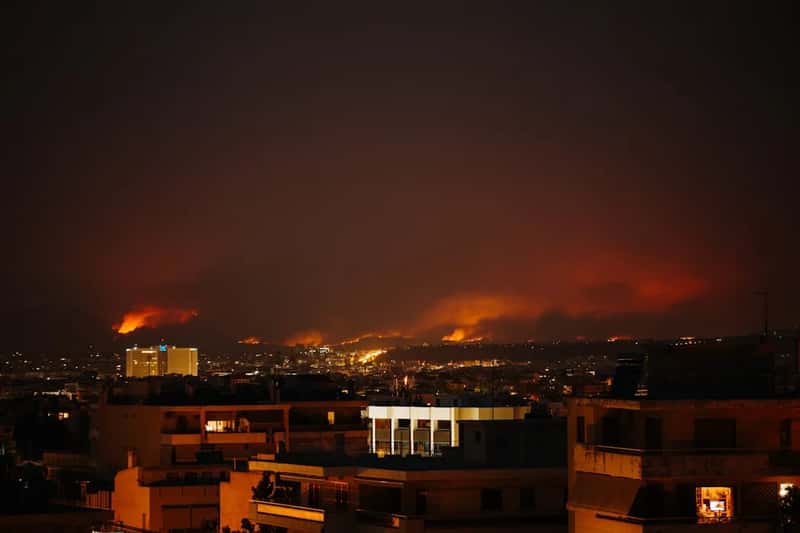
Greece has spent 2026 fighting some of its most stubborn blazes in years, with island destinations bearing the brunt at the worst possible moment for tourism revenue. Over the course of the week, thousands of local residents and tourists were evacuated from the island of Crete due to a massive fire that strong winds quickly spread near popular resorts, with evacuation efforts also carried out on the island of Paros. Firefighters have paid a steep price too, since three firefighters died while responding to wildfires in Greece, with two killed in the Rethymno region of Crete after they became trapped as flames moved forward rapidly.
What makes Greece particularly exposed is the combination of dense summer crowds and terrain that burns fast under wind. On Crete, firefighting efforts focused on a massive fire front spanning approximately 15 kilometres, necessitating the evacuation of roughly 2,000 tourists and local residents. Authorities have not been caught flat footed, though, since Greek authorities increased firefighters from 15,500 in 2022 to more than 18,000 ahead of this year’s wildfire season, while the fleet of firefighting vehicles rose from 270 to 3,700. That buildup matters, but wind gusts recorded near 115 kilometres per hour show how quickly a contained fire can flip back into an active one.
Spain
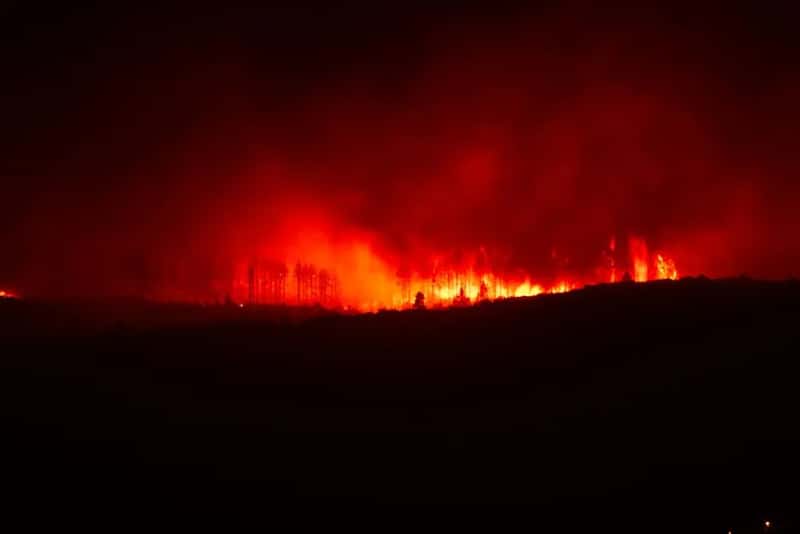
Spain’s 2026 season has been defined by scale rather than isolated incidents. Around Madrid, three fires that merged in the Sierra Oeste on 24 July led to a national emergency declaration covering Madrid, Ávila and Toledo, with roughly 34,000 hectares affected on the Madrid side alone. The human toll of that emergency was significant, with up to 88,060 people evacuated or confined to their homes according to a 25 July update, with reinforcements arriving from Greece, Italy, Portugal and Turkey.
Regional leaders have not minced words about the severity of what unfolded. Madrid’s regional president called the latest fire “the worst in the region’s history,” while forecasters predicted temperatures would rise above 41 degrees Celsius. Beyond the capital region, fire crews have also battled blazes near the Portuguese border, and as of late July, Spain was under its first ever national wildfire emergency, alongside major active fires in France and Portugal. For travelers, that phrase alone signals how unusual this season has been by historical standards.
Portugal
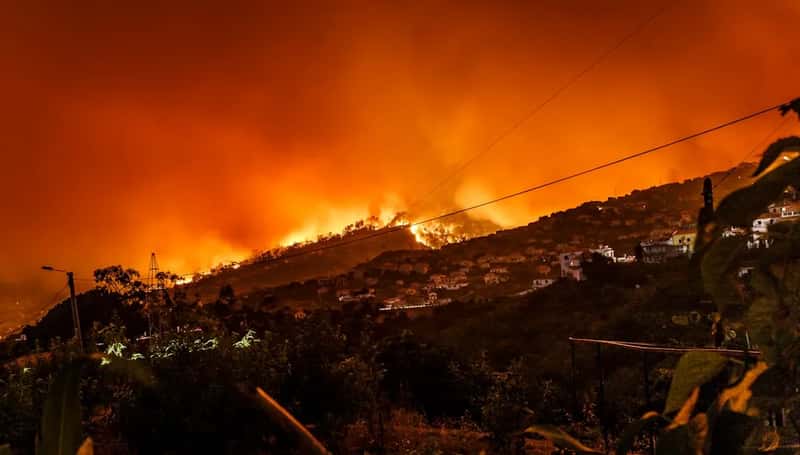
Portugal carries the unwelcome distinction of already having Europe’s worst wildfire year on record in the recent past. Research by International SOS found the country worst affected by wildfires in 2024 was Portugal, where roughly 425 square miles of land burnt, making up approximately 25 per cent of the total area burnt in Europe that year. That pattern has continued rather than faded, with Portugal losing about 30,000 hectares in 2026 while Greece, Italy and Turkey battled significant blazes of their own.
Fire crews have been active well beyond the interior, and aerial teams were pictured working blazes in towns like Vila-Real as heat alerts spread across multiple regions. What complicates Portugal’s case is geography, since dry interior forests sit close enough to popular coastal routes that inland fires still ripple into travel plans. Officials have leaned on regional cooperation to cope, drawing on the same shared EU firefighting fleet that supports Spain, Greece, Italy and France when local resources are stretched thin.
France
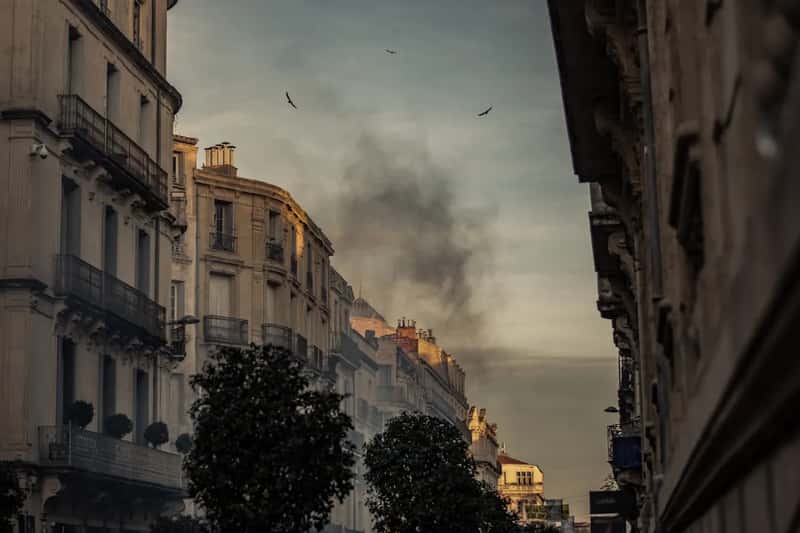
France’s exposure this year has come from an unexpected direction, the Atlantic coast rather than the sun soaked Riviera most travelers associate with French wildfire risk. EFFIS forecast very extreme fire danger over the British Isles, France and northern Iberia through 22 July, and the events of the following week confirmed France’s worst fires occurred on the Atlantic coast rather than the Mediterranean. The Gironde department bore the heaviest impact, and France’s Gironde fire became the worst the country has seen since the Second World War.
Tourism infrastructure felt the strain directly. Due to the massive fires, authorities even asked tourists to temporarily refrain from traveling to the region, and campgrounds, tourist complexes and residential areas were evacuated. Even so, essential travel links held up, since Bordeaux Airport remained operational throughout. Orange heatwave alerts spread across sixteen administrative regions as authorities warned that dry winds and temperatures near 41 degrees could keep the threat elevated for weeks.
Italy
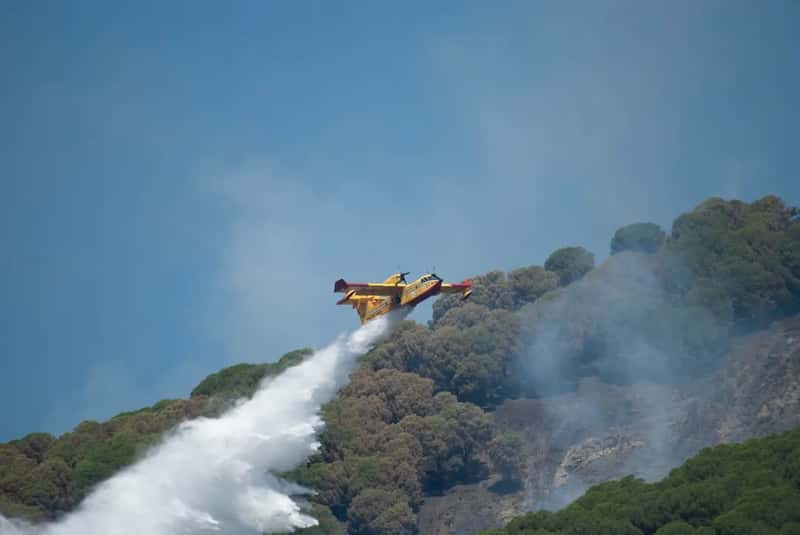
Italy has avoided the single catastrophic mega fire that defined its neighbors’ seasons, but it has not escaped the broader pattern. Italy, alongside Greece and Turkey, has battled significant blazes throughout the 2026 season. The country’s civil protection service has issued regular bulletins as heat returned repeatedly through July, and Italy and Greece continued fighting fires and renewed heat while other parts of the continent shifted toward severe storms instead.
Italy’s advantage, if it has one, lies in geographic spread. Fires tend to cluster in specific regions rather than overwhelming the entire peninsula at once, which gives travelers more room to shift plans toward areas with lower active risk. Still, the same shared European firefighting resources that support Spain and Greece are on call for Italy too, a sign that no single Mediterranean country can be treated as fully insulated this season.
Türkiye
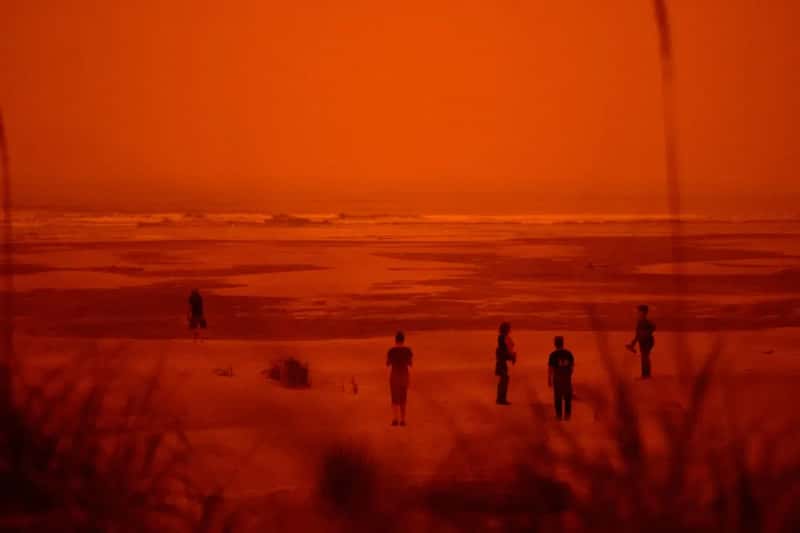
Turkey’s Mediterranean and Aegean coastlines are among the most visited stretches of coastline in the world, which is exactly why this year’s fire activity carries outsized weight. Türkiye’s Mediterranean and Aegean coastlines remain among the country’s most popular destinations for international tourists, but wildfire risk has become a major consideration during the 2026 summer season. Izmir in particular has drawn attention, since intense wildfires were recorded across the Mediterranean throughout 2025, including around popular tourist destinations such as Türkiye’s Izmir, Greece’s Crete and the south coast of France.
Türkiye has also sent firefighting reinforcements abroad even while managing its own fires, a detail that speaks to the interconnected nature of this year’s crisis. Roads, resorts and local transport near active fire zones have been affected at short notice, which is a different kind of disruption than a full evacuation but still enough to derail a carefully planned itinerary. Travelers heading to the Aegean coast this year are being told, in effect, that flexibility matters as much as sunscreen.
Canada
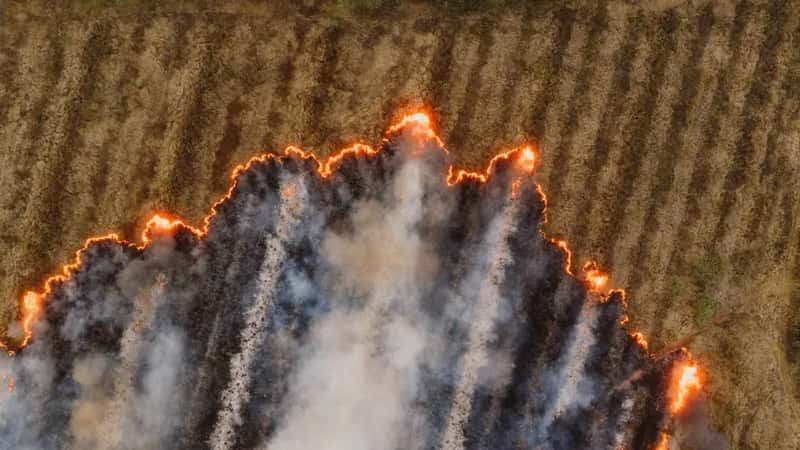
Canada’s exposure looks different from the Mediterranean pattern, but the scale is arguably larger. As of early August, roughly 800 wildfires were burning nationally, with the most active evacuations in northwestern Ontario, where about 1,876 people remained displaced, and in British Columbia’s southern interior, where more than 5,000 people were placed under new evacuation orders in a single 24 hour span. Smoke, rather than flame, is the more common disruption for visitors, since smoke can travel far from a fire, and Toronto and Vancouver both had high risk air quality alerts this summer from fires burning hundreds of kilometres away.
There is a silver lining buried in the numbers. There are more individual fires in 2026 than in 2025, but they are generally smaller and have burned significantly less land, roughly 1.4 million hectares compared to 4.6 million hectares over the same period last year. That said, remote tourism operators have not been spared, and extreme drought and vast boreal forests have created a high risk environment for wilderness lodges and remote tourism operations in the Northwest Territories. No blanket national travel ban exists, but local evacuation orders can appear with little warning.
Australia
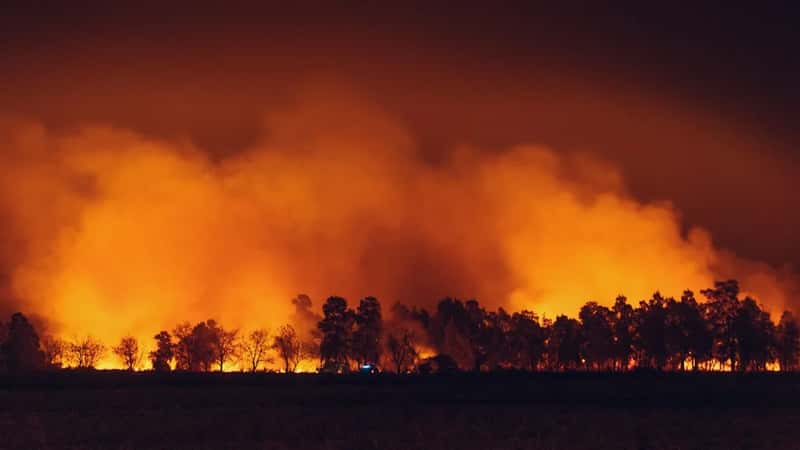
Australia’s peak wildfire risk falls squarely inside its own summer travel high season, which runs from December through February and coincides with the country’s biggest tourist crowds. Bushfire risk is highest from December to March, right when average temperatures across major southern cities sit between 22 and 37 degrees Celsius and it is peak tourist season with the highest prices and crowds. The early 2026 season proved this was not a theoretical concern, since Australian firefighters warned people in January to prepare for more bushfires in a high risk summer, after blazes killed one person and destroyed more than 350 buildings in the southeast.
Victoria carried much of the burden this season, with damage on a scale that invites direct comparison to the country’s worst fire years. Prolonged heat and dry conditions contributed to one of the most dangerous fire seasons since the catastrophic Black Summer bushfires of 2019 to 2020, and in Victoria, over 400,000 hectares of bushland and farmland burned, more than five times the size of Singapore. Insurance data underscores the human cost behind those figures, since the Insurance Council of Australia reported nearly 1,400 claims for fires in Victoria since January 7, with roughly 30 percent of property claims being total losses. Anyone planning a summer trip through the southeast in coming years would do well to check the Bureau of Meteorology’s fire danger ratings before finalizing a road trip route.
What Travelers Should Actually Watch For
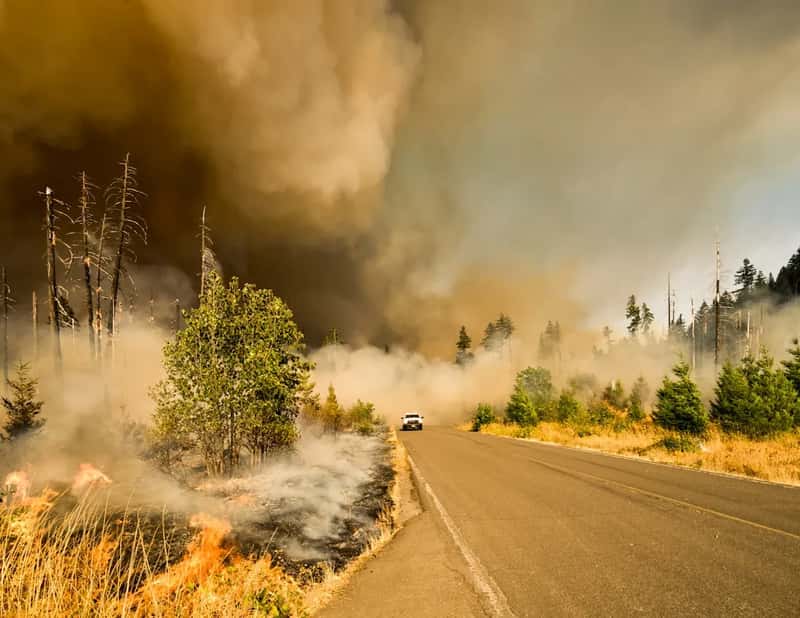
Across all eight countries, the pattern repeats with small variations. Major airports and city centers generally keep functioning, since the wildfire risk is serious in rural, wooded and semi rural areas near active blazes rather than in major cities. It is the last mile, the drive from an airport to a rural villa or a hike through a national park, where conditions can shift within hours.
Free, official tools now exist for nearly every destination on this list. Travelers can start with EFFIS through Copernicus for the Europe wide picture, then check the specific national map for finer detail, including Météo France, the civil protection map in Greece, incendiosespaña.es and AEMET in Spain, MapaFogos.pt and IPMA in Portugal, or the Protezione Civile bulletin in Italy. Booking flexibility and a habit of checking local alerts before heading into forested or remote terrain remain the two most practical safeguards this season.