Owning a home overseas used to sound like a fantasy reserved for retirees with trust funds or novelists chasing inspiration in some foreign café. That’s changed. A growing number of Americans, priced out of parts of the domestic market or simply drawn to a different pace of life, are looking abroad and discovering that buying real estate in another country rarely requires giving up a US passport or even living there full time.
What surprises most first time buyers is how few legal hurdles actually stand in the way. In several countries, a US citizen can walk into a closing with roughly the same paperwork a local buyer would need. In others, the process involves a workaround, like a bank trust or a residency application, but citizenship itself is almost never the sticking point. Here’s a closer look at eight destinations where Americans can legally own property without becoming citizens of that country.
Mexico
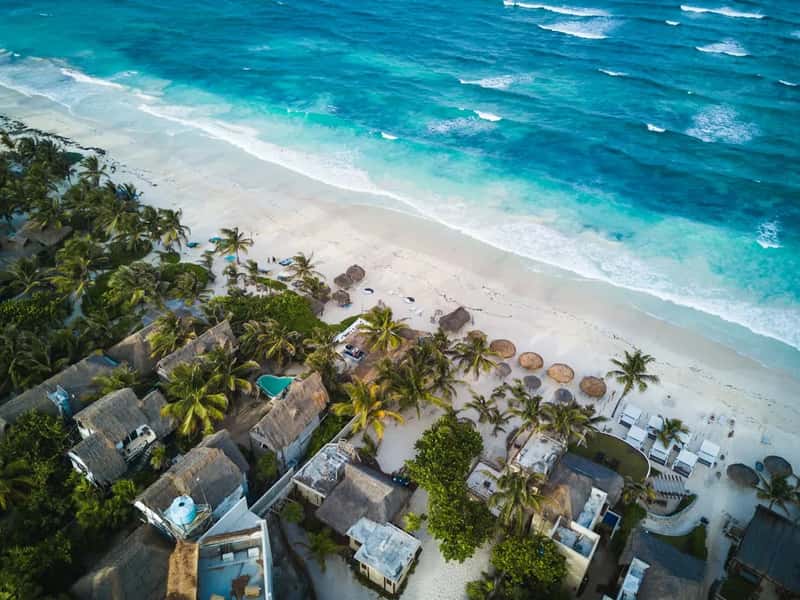
Mexico remains the most popular overseas property market for Americans, largely because of proximity and familiarity. Outside of what the government calls the Restricted Zone, foreigners can hold direct title to land the same way Mexican citizens do. Mexico City, Guadalajara, San Miguel de Allende, and Oaxaca City are all outside the zone and can be purchased with direct title in a foreigner’s name.
Coastal and border areas work differently because of a constitutional provision. Article 27 of the Mexican Constitution prohibits foreigners from holding direct title to residential property within the Restricted Zone, defined as all land within 50 kilometers of any coastline and 100 kilometers of any land border. The fix is a fideicomiso, a bank trust where a Mexican bank holds legal title on your behalf, and it’s been used successfully by foreign buyers for decades in places like Cancun and Puerto Vallarta.
Portugal

Portugal still draws Americans with its coastline, food, and lower cost of living compared to much of Western Europe. The buying process itself is refreshingly simple. Foreigners can buy property in Portugal with no restrictions based on nationality, and the buying process is the same for locals and foreign buyers.
What has changed is the residency angle. Since October 2023, real estate purchases no longer qualify for Portugal’s Golden Visa, and the main route now is investing at least 500,000 euros in approved investment funds. Buying a home there still won’t get you a visa on its own, but a property purchase can help indirectly, since visa applications such as the D7 or D8 generally require proof of accommodation in Portugal.
Panama
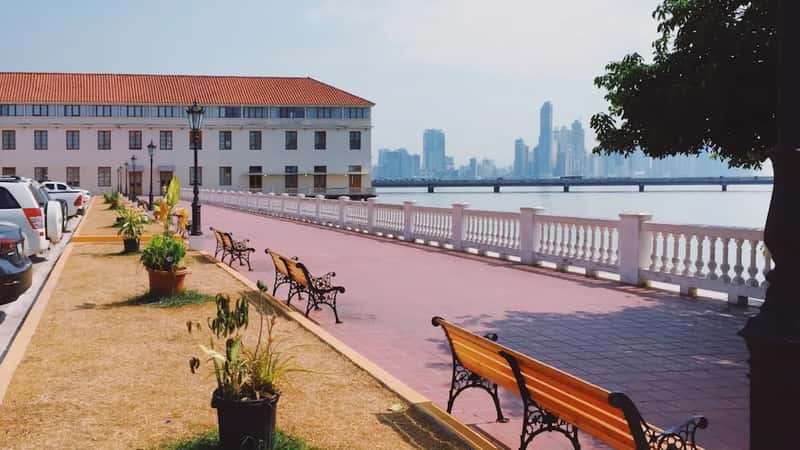
Panama has long attracted American retirees and remote workers, partly because it uses the US dollar and partly because its residency programs reward property investment. The Qualified Investor Visa grants permanent residency for an investment of 300,000 dollars in Panamanian real estate, a reduced threshold the government has extended until at least October 2026.
There’s a lower cost entry point too. Nationals of Panama’s more than 50 Friendly Nations, which includes the United States, can qualify through a lower threshold of 200,000 dollars in real estate, though this route also requires demonstrating professional or economic ties to Panama. One geographic limit worth knowing about: Panama’s constitution bans foreign individuals from owning land within 10 kilometers of any international border.
Costa Rica

Costa Rica has built its reputation on political stability and a straightforward approach to foreign ownership, which is a big part of why American buyers keep showing up. Property rights here are structured to put foreign and local buyers on equal footing rather than layering on extra permits or nationality based restrictions. That equal treatment extends to how contracts are enforced, how titles are registered, and how disputes get resolved in local courts.
There’s no minimum spend required to purchase, which sets Costa Rica apart from some of its neighbors that tie foreign ownership to investment thresholds. A buyer can pick up a modest condo in the Central Valley or a beachfront lot on the Nicoya Peninsula under the same basic rules. Many buyers eventually pair a purchase with an investor residency application, though owning the property itself doesn’t require it.
Colombia

Colombia has quietly become one of the more approachable markets in Latin America for American buyers, especially in cities like Medellín and Cartagena. Foreigners can purchase almost any type of property, urban or rural, without needing residency or a local partner, and the title process mirrors what a Colombian citizen would go through. That accessibility, combined with real estate prices that remain well below comparable US cities, has fueled a steady stream of interest from American retirees and remote workers alike.
The one area that draws more scrutiny is land near Colombia’s borders and certain rural agricultural plots, where additional government approval can be required. For city apartments and most residential purchases, though, the process is comparatively light on red tape. Buyers typically need a Colombian tax ID number and a local bank account, both of which are manageable to set up as a non resident.
Dominican Republic
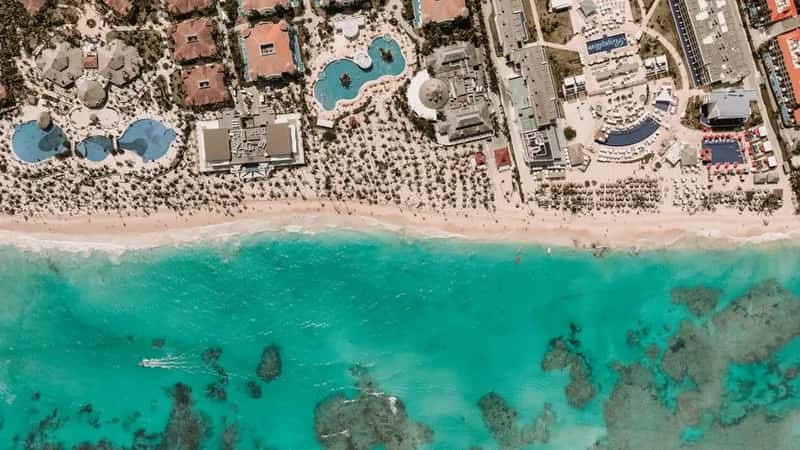
The Dominican Republic has marketed itself for years as one of the easiest Caribbean nations for foreigners to buy into, and the legal framework backs that up. There’s no requirement to hold residency or citizenship before purchasing, and foreign buyers are granted the same property rights as Dominican nationals under the country’s constitution. That parity has made beach towns like Punta Cana and Las Terrenas magnets for American second home buyers.
Closing costs and transfer taxes run a bit higher than in some other Caribbean destinations, so buyers should budget carefully before committing. Financing is another consideration, since most American buyers pay in cash or arrange financing through their home country rather than relying on Dominican banks. Even with those practical wrinkles, the ownership process itself remains open and comparatively fast.
Greece
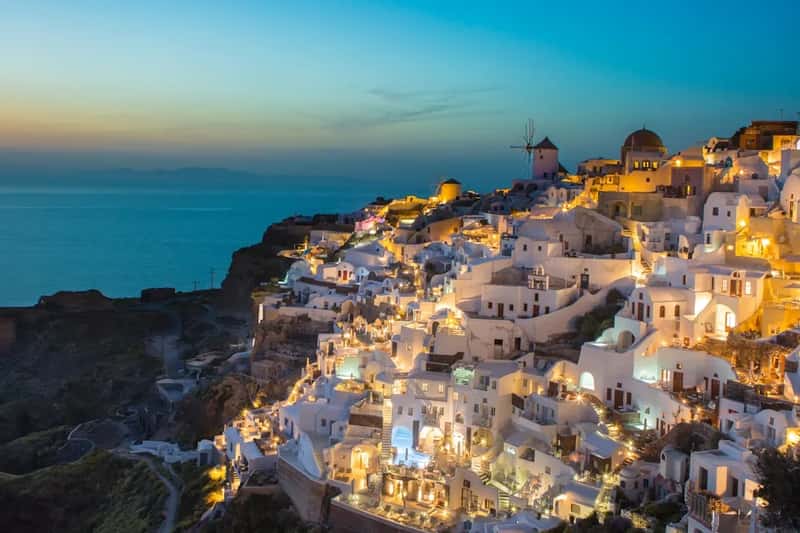
Greece has become a genuinely popular option for Americans chasing both lifestyle and a foothold in the European Union, and the appeal shows in the numbers. Foreign investment in Greek real estate rose by 43.4% in the first quarter of 2026, with properties most often purchased by citizens of the US, China, and Middle Eastern countries. Buying itself carries no citizenship requirement, since there are no restrictions for non-EU citizens purchasing property, except limited border and security zones that require additional permits.
The Golden Visa program, which pairs a property purchase with residency, has gotten pricier and more complicated. Property in Attica, Thessaloniki, Mykonos, Santorini, and any island with more than 3,100 residents now demands at least 800,000 euros, while all other regions require 400,000 euros. A cheaper path still exists for buyers willing to renovate: the minimum investment is 250,000 euros for properties requiring renovation, including those converted from non-residential to residential use.
Uruguay
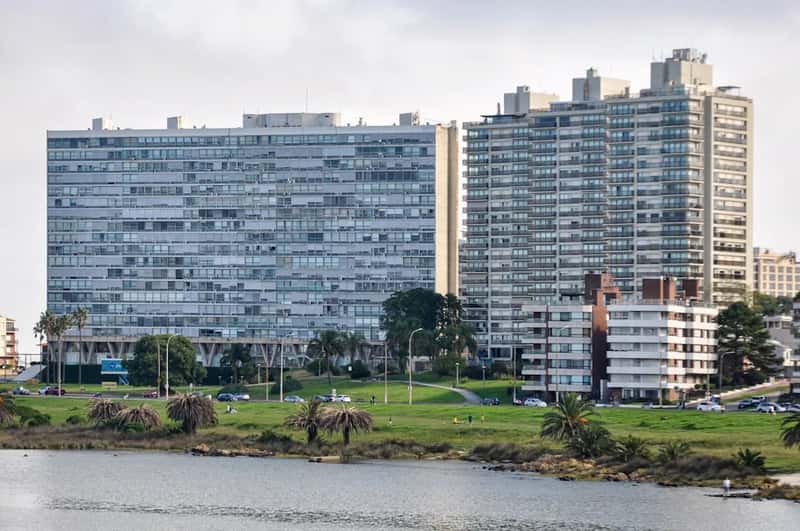
Uruguay doesn’t get the same attention as Mexico or Portugal in American expat conversations, but it deserves a closer look for buyers who value stability over hype. The country places no restrictions on foreign ownership of real estate, and Americans can buy apartments, farmland, or coastal property in places like Punta del Este under the same terms as Uruguayan citizens. There’s no requirement to live there, invest a minimum amount, or even visit before closing on a property, which makes it one of the more frictionless markets on this list.
What draws buyers beyond the simplicity is Uruguay’s reputation for institutional stability, low corruption, and a legal system that generally protects private property rights well. It’s also one of the few countries in the region where a foreign buyer can transfer money in and out relatively freely, without the currency controls that complicate transactions elsewhere in South America. For Americans looking for a quieter, less crowded alternative to the more heavily marketed destinations, Uruguay fits that niche.