Most people picture retiring abroad as a maze of paperwork, embassy visits, and vague promises that never quite pan out. In reality, a handful of countries have built residency programs specifically designed to welcome retirees with modest, verifiable income rather than large investment portfolios. Some of these systems have shifted meaningfully in the past year or two, tightening in places and loosening in others, so knowing the current numbers matters more than relying on outdated blog posts.
The eight countries below stand out because their residency paths ask for realistic income levels, reasonable paperwork, and a relatively short runway from application to approved status. None of this is theoretical. These are active, functioning programs that thousands of American retirees are using right now.
Panama: the pensionado program that still leads the pack
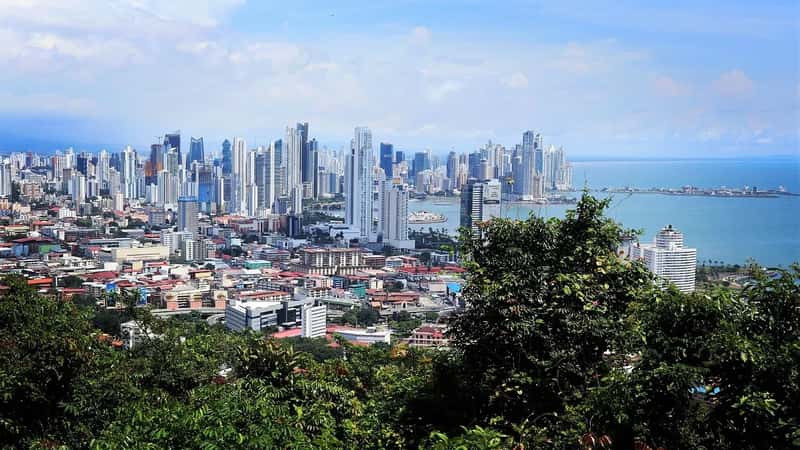
Panama’s Pensionado visa has been around for decades, and it remains one of the most retiree friendly programs anywhere in the world. Applicants need USD 1,000 per month for the main applicant, or USD 750 per month if the applicant owns Panamanian real estate valued at over USD 100,000. Dependents are simple to add too, since an additional USD 250 per month applies to each dependent added to the application.
What sets Panama apart is speed and permanence. Applicants receive permanent residency from the day it is approved, with no temporary period and no renewals. Qualifying income sources are broad, since Social Security income, Canada Pension Plan, military or state retirement pensions, and lifetime annuities from private insurance companies or established corporations all qualify. Add the discount system on everything from medical visits to airline tickets, and it is easy to see why so many retirees treat Panama as the benchmark other countries get measured against.
Portugal: a low bar wrapped in serious lifestyle upside

Portugal’s D7 visa asks for surprisingly little given the quality of life on offer. As of 2026, the Portugal D7 Visa minimum passive income requirement is €920 per month, totalling around €11,040 per year. That figure is tied directly to the national minimum wage, so it moves a little each year, but it has stayed near the bottom of the European range.
The income can come from a genuinely wide pool of sources. The D7 Passive Income Visa is a long-stay visa for non-EU nationals who can demonstrate a stable passive income such as a pension, dividends, or rental income of at least €920 a month. Family members are easy to bring along as well, since an additional 50% is required per spouse and 30% per dependent child. The tradeoff is that Portugal now expects genuine residency rather than a paper presence, requiring applicants to spend 183 consecutive days in Portugal.
Costa Rica: two paths, one relaxed system
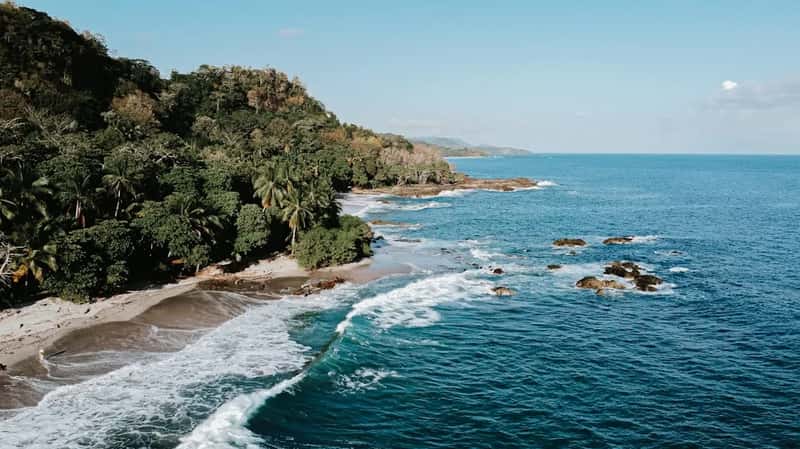
Costa Rica splits its retiree friendly options into two tracks, which gives applicants flexibility depending on where their money comes from. The Pensionado route requires a temporary residence permit designed for foreign nationals who receive a lifetime pension or retirement income of at least US 1,000 dollars per month. If retirement savings sit in investments rather than a formal pension, the Rentista category fills the gap.
Under Rentista rules, applicants must demonstrate a guaranteed stable income of at least 2,500 dollars per month for a minimum of two years, and that money can come from investments, rental properties, or annuities. Both paths share the same appeal underneath the paperwork. Costa Rica has hosted foreign retirees for generations, and its territorial tax system means only income earned within Costa Rica is subject to local taxation, which is a meaningful perk for anyone living off US based pensions or investment income.
Ecuador: dollarized economy, straightforward math

Ecuador’s use of the US dollar removes an entire layer of complexity that trips up retirees elsewhere, since there is no currency conversion to track or worry about. The country’s pensioner visa threshold for 2026 sits at $1,446 per month for the Pensionado category, calculated as three times the national minimum wage. That formula updates annually, and the 2026 figure reflects a modest increase from the prior year’s base.
The process itself stays refreshingly uncomplicated. According to immigration guides for 2026, there is no age minimum, no net worth test, and no employer sponsor required for the retirement route. Adding a spouse or adult dependent is straightforward too, since adult dependents require an additional 250 dollars USD monthly income per person beyond the primary requirement.
Paraguay: the quiet outlier with almost no official minimum

Paraguay rarely makes the shortlist of popular retirement destinations, which is part of why its residency program stays so lightly enforced. The Independent Means visa, often called the Paraguay Retirement Visa, is built around proving consistent passive or foreign sourced income, including pensions, rental income, investment returns, or savings, rather than meeting a rigid legal threshold. Notably, there is technically no officially published minimum income requirement, though immigration lawyers recommend a comfortable buffer to satisfy reviewing officers.
What makes Paraguay genuinely distinctive is its tax treatment and flexibility. Residents benefit from Paraguay’s territorial tax system, which exempts foreign income, and the physical presence rules are notably loose compared to neighbors in the region. For retirees who want a foothold in South America without committing to spend most of the year in one place, Paraguay offers a rare combination of low bureaucracy and genuine tax relief.
Colombia: pension based residency without the fuss

Colombia has quietly become a go to option for American retirees who want vibrant cities, a lower cost of living, and a residency path that does not hinge on large investments. The country’s migrante visa category for pensioners is structured around a multiple of Colombia’s monthly minimum wage, a figure that adjusts each January along with wage increases. Retirees typically qualify by showing a foreign pension or Social Security income that clears this benchmark, without needing to purchase property or make a business investment.
The appeal here is less about a dramatically low bar and more about consistency and predictability. Colombia’s immigration authority has kept the pensioner pathway relatively stable in structure even as other categories have tightened, and the visa converts into permanent residency after several years of continuous legal status. For retirees drawn to Medellín’s climate or Cartagena’s coastline, the paperwork tends to move faster than in many neighboring countries.
Malaysia: a longer runway with strong long term value
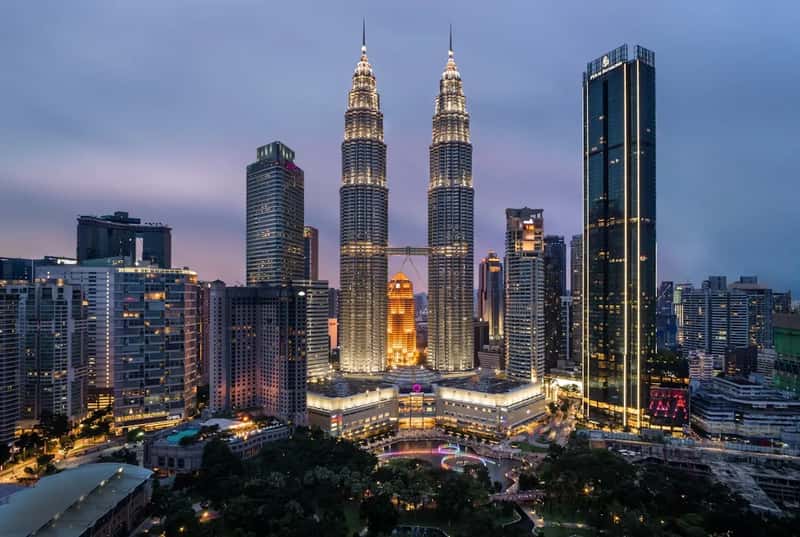
Malaysia’s My Second Home program underwent a significant overhaul a couple of years ago, splitting applicants into tiers based on the fixed deposit they are willing to place in a local bank. The entry level tier asks for a smaller deposit paired with proof of stable monthly income, while higher tiers unlock longer visa validity and fewer renewal headaches. It is not the cheapest option on this list, but it is one of the more generous in terms of visa length once approved.
For American retirees drawn to Southeast Asia rather than Latin America or Europe, Malaysia offers modern infrastructure, English widely spoken in daily life, and a healthcare system that draws medical tourists from across the region. The tradeoff is a higher upfront deposit compared to the Latin American programs on this list, though that money largely remains the retiree’s own asset rather than a fee paid to the government.
Greece: Europe’s financially independent person visa

Greece offers a residency category built specifically for retirees and others living off passive income, often referred to as the Financially Independent Person visa. It asks applicants to show a stable monthly income, generally sourced from pensions, dividends, or rental income, along with private health insurance covering the holder for the full residency period. Compared to Portugal’s D7, the required income sits somewhat higher, but Greece compensates with lighter physical presence requirements in many cases.
The visa renews every couple of years and can eventually lead toward permanent residency after continuous legal stay, following the general pattern used across the EU for non investment residency routes. For American retirees who want a Mediterranean lifestyle without committing to the sometimes competitive Golden Visa investment thresholds, this route offers a more accessible middle ground built purely around proof of income rather than property purchase.