Ridgefield, Washington – The Ridgefield National Wildlife Refuge sits just off Interstate 5, less than an hour from Portland, Oregon, where wetlands, grasslands and forests converge to support a wide range of wildlife. The site serves as a key stopover along the Pacific Flyway for migrating birds and provides accessible outdoor opportunities for visitors seeking a short drive into nature. At the same time, a proposed waterfront project on the opposite shore of Lake River has raised questions about long-term habitat protection and local economic priorities.
Easy Access and Diverse Habitats Draw Visitors
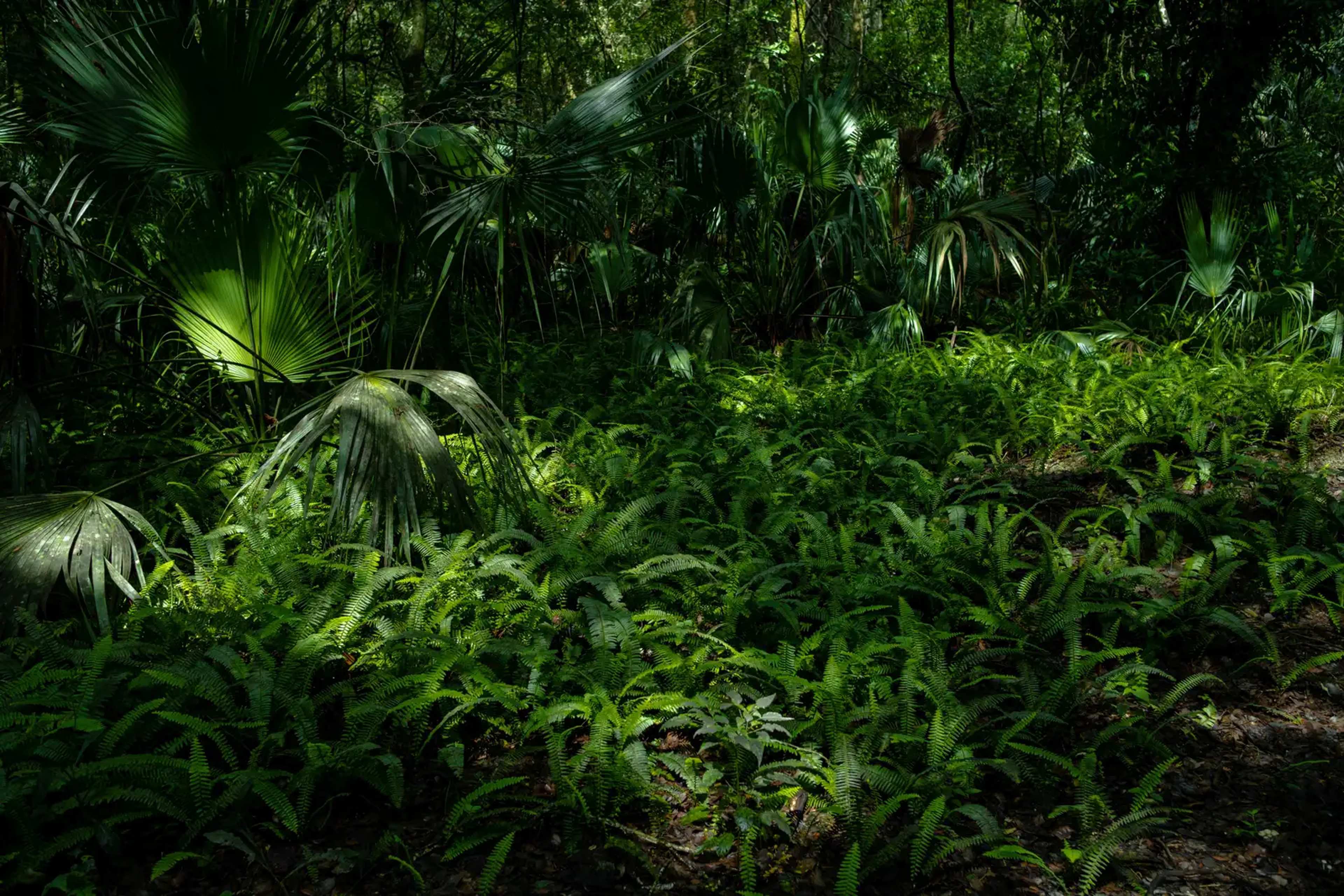
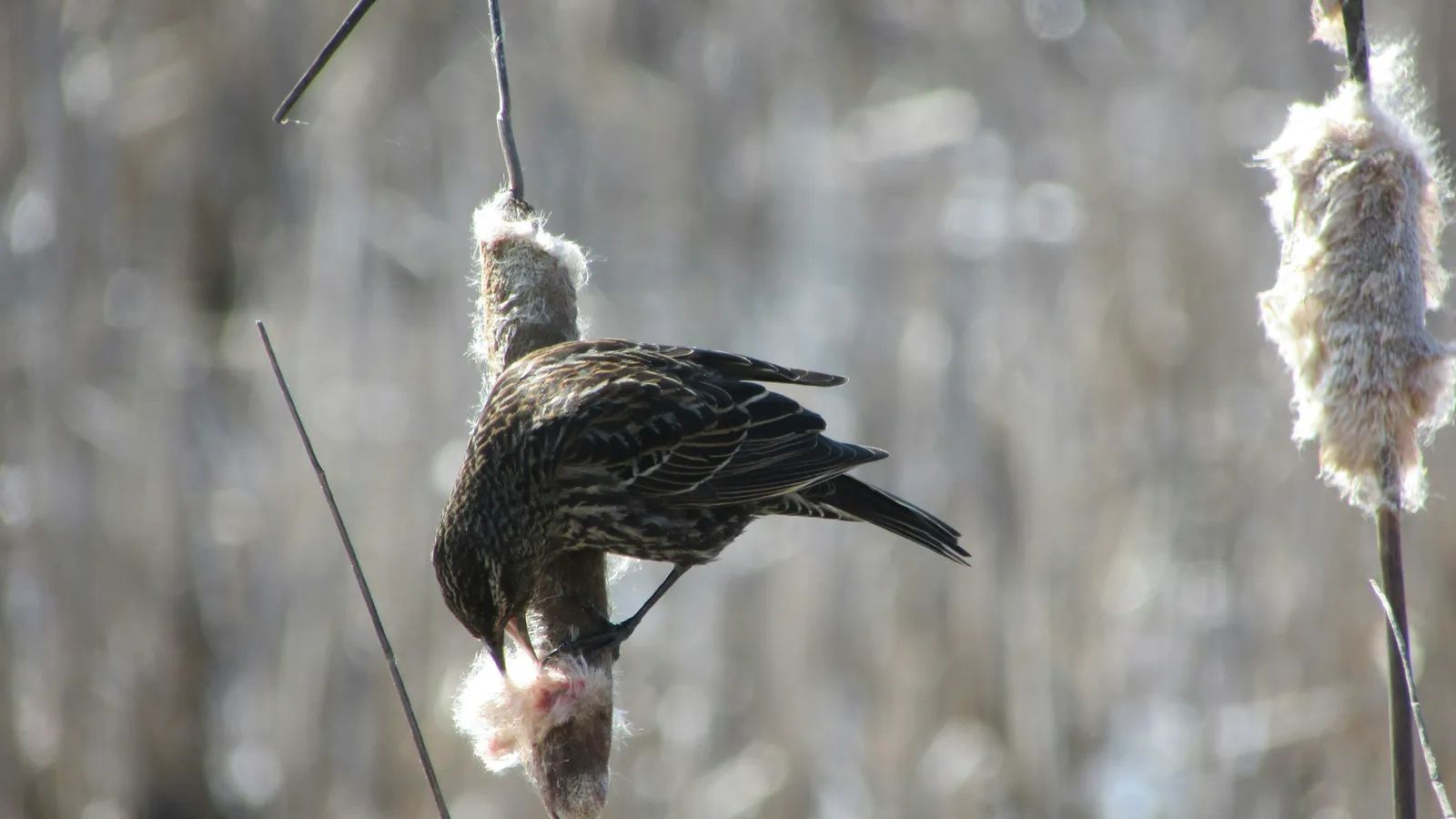
The refuge combines several ecosystems in one compact area, allowing birders, paddlers and anglers to observe wildlife without extensive travel. Established in 1965, it functions as a resting and feeding ground for large numbers of ducks, geese, swans and cranes during peak migration periods. More than 200 bird species have been recorded here, with estimates reaching 35,000 geese, 3,000 swans and 1,500 cranes at times of highest concentration. Observers often spot bald eagles in tall trees or great egrets fishing in shallow waters at low tide. The mix of open wetlands and forested edges creates varied viewing conditions throughout the day. This combination of proximity to a major city and habitat variety makes the refuge a practical destination for day trips rather than a remote wilderness trek.
Indigenous History and Early Exploration Shape the Landscape
The area has supported Chinookan Peoples of the Lower Columbia River for thousands of years. One of the larger villages, Cathlapotle, stood on what is now the refuge’s Carty Unit and was later documented during the Lewis and Clark Expedition in 1805. Expedition member William Clark noted the constant noise from swans, geese, brant, ducks and sandhill cranes that prevented sleep during their stay near Post Office Lake. These historical layers remain visible in the refuge’s current management, which recognizes both ecological value and cultural significance. The site continues to serve as a living connection to that past while accommodating modern recreational use.
Proposed Waterfront Project Raises Stakeholder Concerns
A 40-acre development planned across Lake River would introduce a hotel, housing and retail space. The Port of Ridgefield has stated that the project would create jobs and stimulate economic activity in the region. Conservation groups, however, point to risks of habitat fragmentation, increased runoff and pollution entering the water system without treatment. Corina Newsome of the National Wildlife Federation noted that refuges supply essential places for birds to feed, breed, nest and rest, free from heavy traffic, bright lights and excessive noise. James Adkins, executive director of the Association of Northwest Steelheaders, added that the wetland, lake and riverine habitats also provide critical rearing areas for endangered fish species. Both statements highlight how the proposed changes could affect the broader ecosystem that currently supports both wildlife and public access.
Fall Migration Brings Peak Activity Along the Flyway
As fall approaches, bird movement through the Columbia River Basin intensifies. In mid-September, nearly 900,000 birds passed through Clark County in a single period, with nightly increases of roughly 100,000 birds expected through November. Most migrants travel at night, typically between 1,000 and 3,000 feet above ground, though some reach higher altitudes depending on weather. The refuge offers a ground-level vantage point for these seasonal movements without requiring specialized equipment beyond binoculars. Visitors can witness the scale of the Pacific Flyway while remaining close to urban amenities in Portland. The balance between recreation, conservation and proposed growth will determine how the refuge functions in coming years for both wildlife and nearby communities.