Most people picture Acadia in October as an easy win: red leaves, crisp air, a camera roll full of granite and sea. Then they reach Mount Desert Island and find a park running on a countdown clock. The free shuttle stops before the colors peak, the most famous summit wants a timed $6 ticket, and lunch at the legendary lawn ends while leaf-peepers are still arriving.
None of it is hidden, exactly. It’s just scattered across schedules most visitors never read until they’re standing at the wrong gate. And one surprise near the end flips the whole season upside down, because the stretch many people write off as “too late” may be the easiest way to see the park.
#13 – Peak Color Is a Window, Not a Date
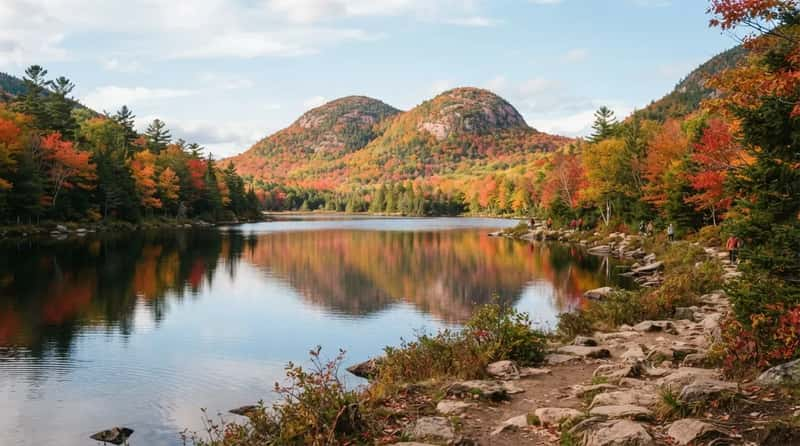
Acadia’s foliage doesn’t follow your vacation calendar. The leaves start turning in September, and the National Park Service says peak usually lands in mid-October, anywhere from the first to the third week. One trip planner reports that over the past five years, peak color has hit anywhere from October 8 to October 21. That’s a swing of nearly two weeks.
So a flight booked months out is a gamble. Peak usually lasts about two weeks, and rain or high wind can strip the trees much faster. The perfect week you circled in March can be gone by the time you land. And the people who play it safe by coming in September get a different surprise entirely.
#12 – The September Trip That Feels Like Summer’s Leftovers
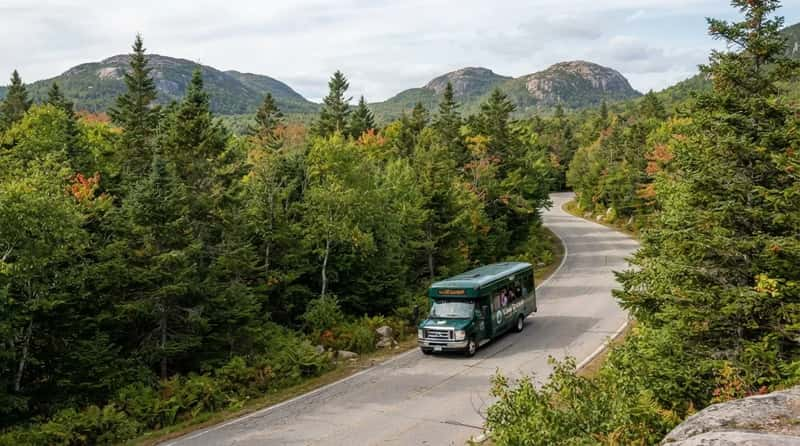
Plenty of travelers book late September expecting a fireball. One writer who has visited at that time of year several times says each trip delivered only a hint of color in random places. The real show waits for October. A late-September “fall trip” can end up mostly green.
There’s an upside most people don’t see coming. The fare-free Island Explorer is still running then, so you can skip the parking scramble and ride to the trailhead. You trade color for easier logistics. Which is exactly where the bus becomes the problem.
Quick Compare
- Late September: only hints of color, but the Island Explorer is still running.
- Mid-October: peak color is usually expected, but you may need a car.
- The trade-off: easy logistics early, bigger color later.
#11 – The Free Bus Stops Before the Leaves Hit Their Stride
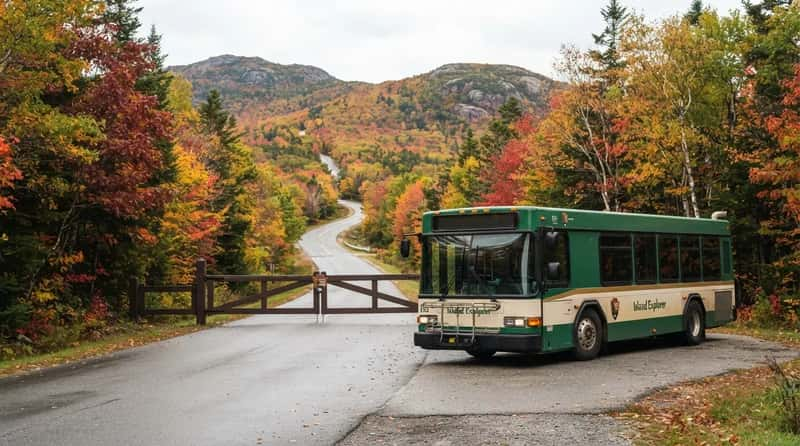
The Island Explorer is the park’s secret weapon. It’s a fare-free shuttle network, sponsored by L.L.Bean, that links Bar Harbor to nearly every major trailhead. Then autumn arrives. In 2026, most routes stop on October 12, Columbus Day, while peak foliage is typically around October 15.
That timing quietly rewrites plans. If you built your trip around the bus, you suddenly need a car, and parking becomes your problem. The free shuttle can end days before the colors reach their best. The park’s own FAQ says service runs from late June through Columbus Day, and it never climbs Cadillac Summit Road. And that road comes with a gatekeeper.
#10 – The $6 Ticket Everyone Forgets Until It’s Too Late
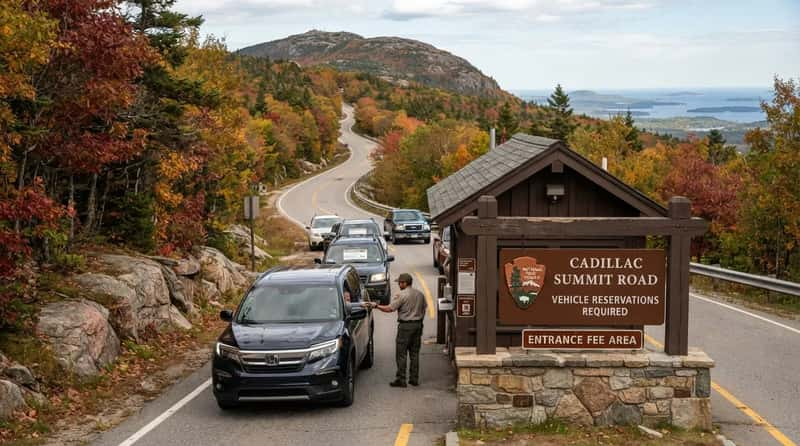
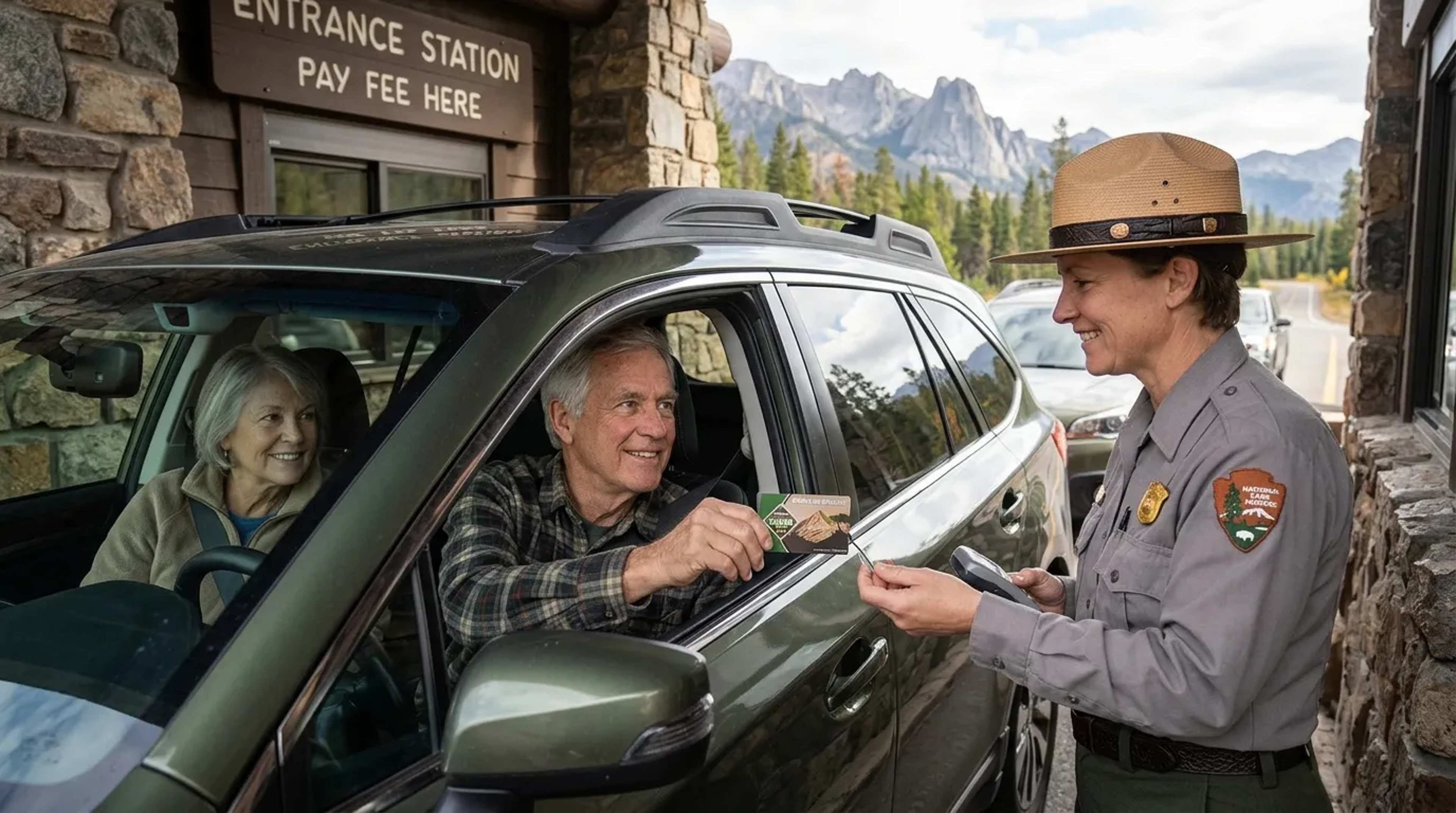
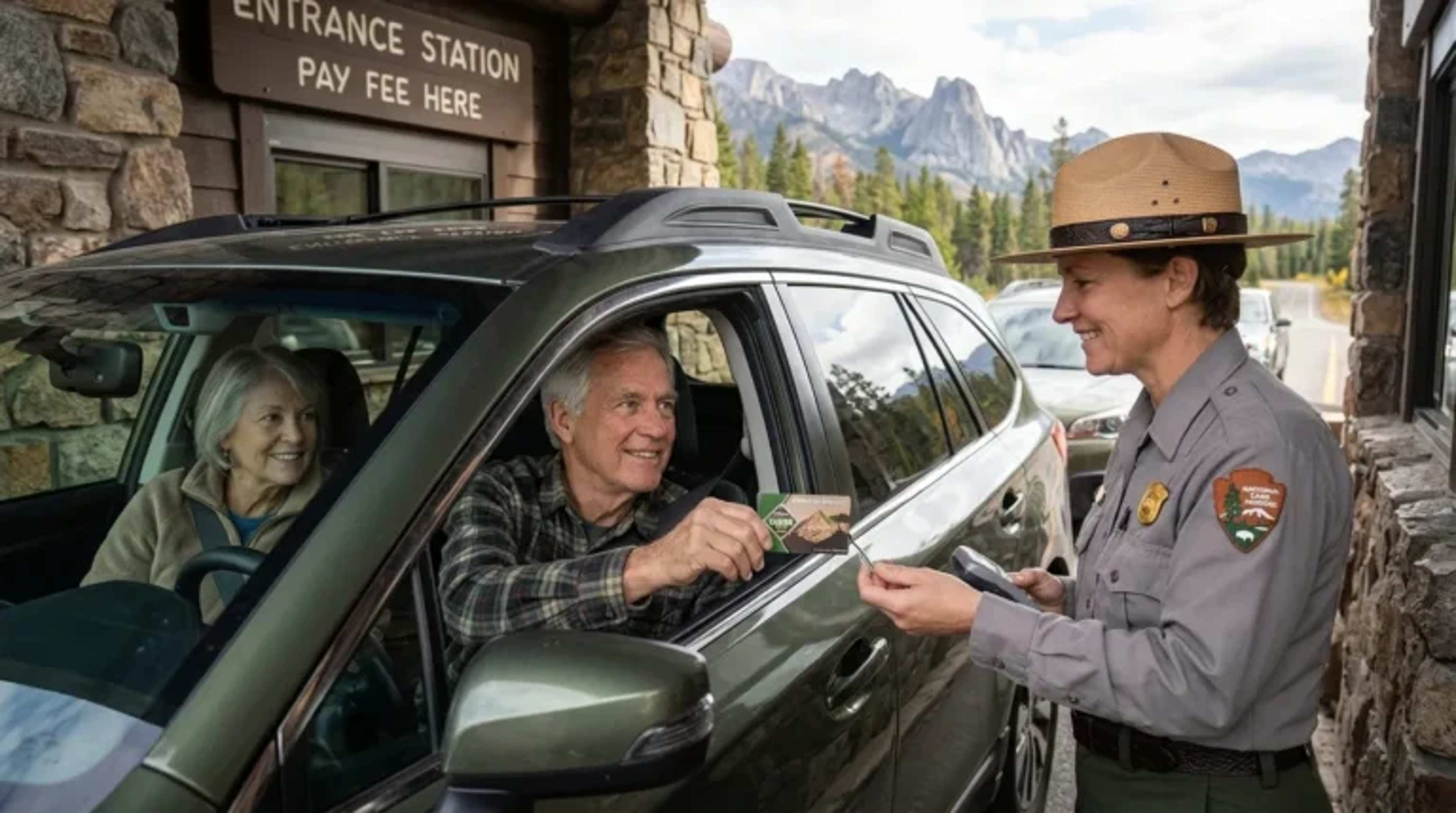
Showing up and driving up Cadillac Mountain doesn’t work anymore. Vehicle reservations are required for Cadillac Summit Road from May 20 through October 25, 2026. The reservation costs $6, and it’s separate from the $35-per-car entrance fee, which covers 7 days. You need both.
There are two kinds. Sunrise reservations come with a 90-minute entry window, while daytime reservations have a 30-minute window. The National Parks Conservation Association warns that demand is high and tickets sell out quickly. Here’s a take that will annoy some people: a crowded summit isn’t the only way to see Acadia glow, and plenty of the best color is down at lake level.
#9 – Sunrise Comes Later in October, but the Summit Still Wants You Early

Autumn quietly helps the sunrise crowd. In midsummer the sun comes up around 5 a.m., but by mid-October it’s well past 6:30. That’s well over an hour of extra sleep compared with June. Still, your entry window means you’ll be rolling up in the dark.
The summit is exposed granite at 1,530 feet. One seasonal chart puts October island temperatures at about 58 degrees for highs and 42 for lows, and the top usually feels colder than that. Wind up there has nothing to stop it. The cold, though, isn’t even the biggest weather surprise.
#8 – The October Weather Swing Nobody Packs For

Autumn here is two seasons in one day. With averages near 58 degrees for highs and 42 for lows, mornings feel like winter and afternoons feel like early fall. That’s a gap of about 16 degrees before wind or ocean spray even enter the picture. The coast has a habit of making it worse.
Weather also shapes the scenery. Wind and rain can shorten the color season, and wet granite is slick underfoot. The advice from people who write about the park keeps landing in the same place: layers beat one heavy coat. The visitors who cut their day short are usually the ones in cotton. Daylight, meanwhile, is working against everyone.
Fast Facts
- October averages run about 58 degrees for highs and 42 for lows.
- The Cadillac summit sits at 1,530 feet of exposed granite, so it usually feels colder.
- Wet rock is slick, so grippy shoes matter.
- Layers beat one heavy coat, and cotton is the usual regret.
#7 – Daylight Shrinks Faster Than Your To-Do List
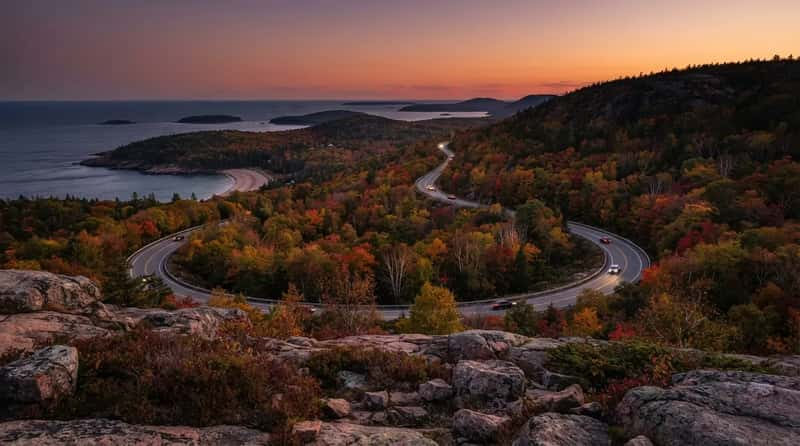
Summer visitors treat Acadia like an all-day buffet. Autumn visitors get a much shorter menu. Daylight drops steadily through October, then takes a hard turn when daylight saving time ends in early November. After the clocks change, the sun can set before 5 p.m.
That matters because the park is big. The Park Loop Road alone is 27 miles, linking Sand Beach, Jordan Pond and Cadillac, and every pull-off adds time. The “one more overlook” at 4 p.m. often turns into a drive back in the dark. Put the big-ticket stop early and save the easy ones for the end. Then there’s the lunch plan that ruins more itineraries than any rainstorm.
#6 – Jordan Pond House’s Last Popover Comes Sooner Than You Think
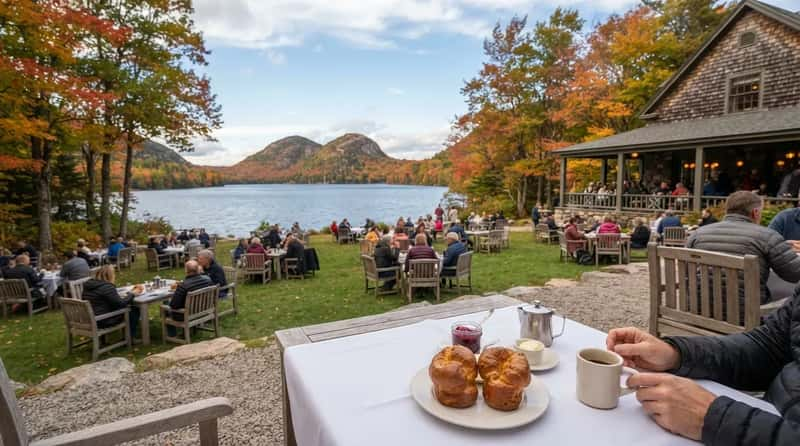
Popovers on the lawn at Jordan Pond House are a classic Acadia ritual. But in 2026 the restaurant’s season ends while leaf-peepers are still arriving. The Jordan Pond House Restaurant, the Cadillac Mountain Eco-Store and the Carriage Road Carry Out close on October 26. That’s a Monday, the day after summit reservations end.
It’s part of a bigger pattern. Many on-site restaurants and visitor centers close from mid-October through the end of April or early May. Fans swear the line is worth it. Skeptics say the pond view is the real prize, and it’s free.
#5 – One Windy, Rainy Stretch Can Erase Weeks of Color
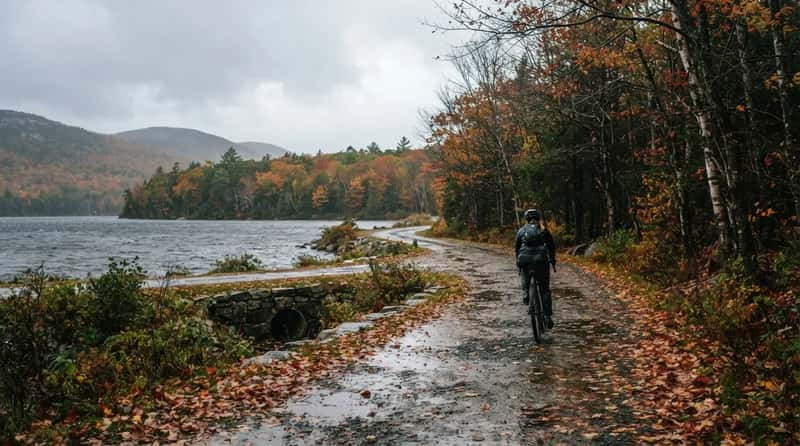
Fall color isn’t guaranteed to hang around. Rain or high wind makes leaves drop far faster than a calm, dry week. So trees that looked ready for a postcard on Monday can be half bare by Friday. A single rough weather system can undo weeks of slow color change.
In that case, the woods are the better bet. The park has 45 miles of historic carriage roads, and the tree cover can shelter you from some of the wind. One trip guide suggests renting a bike in Bar Harbor and riding the loop around Eagle Lake. It’s low-key, car-free, and a solid fallback. And even when the leaves cooperate, the buildings don’t.
#4 – The Gift Shop Goodbyes Arrive in Stages
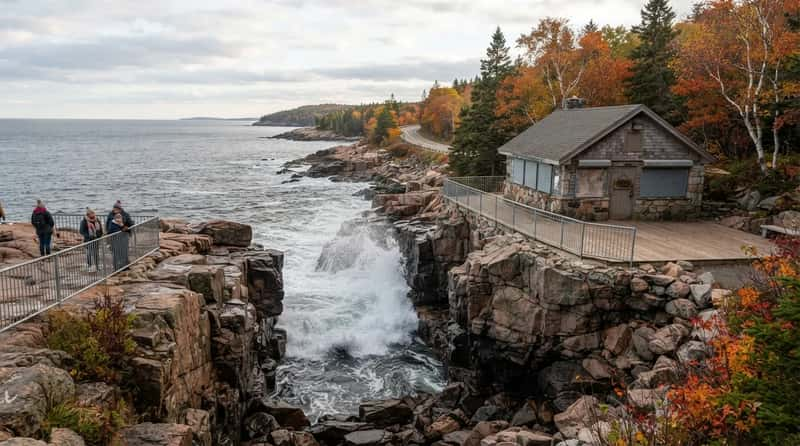
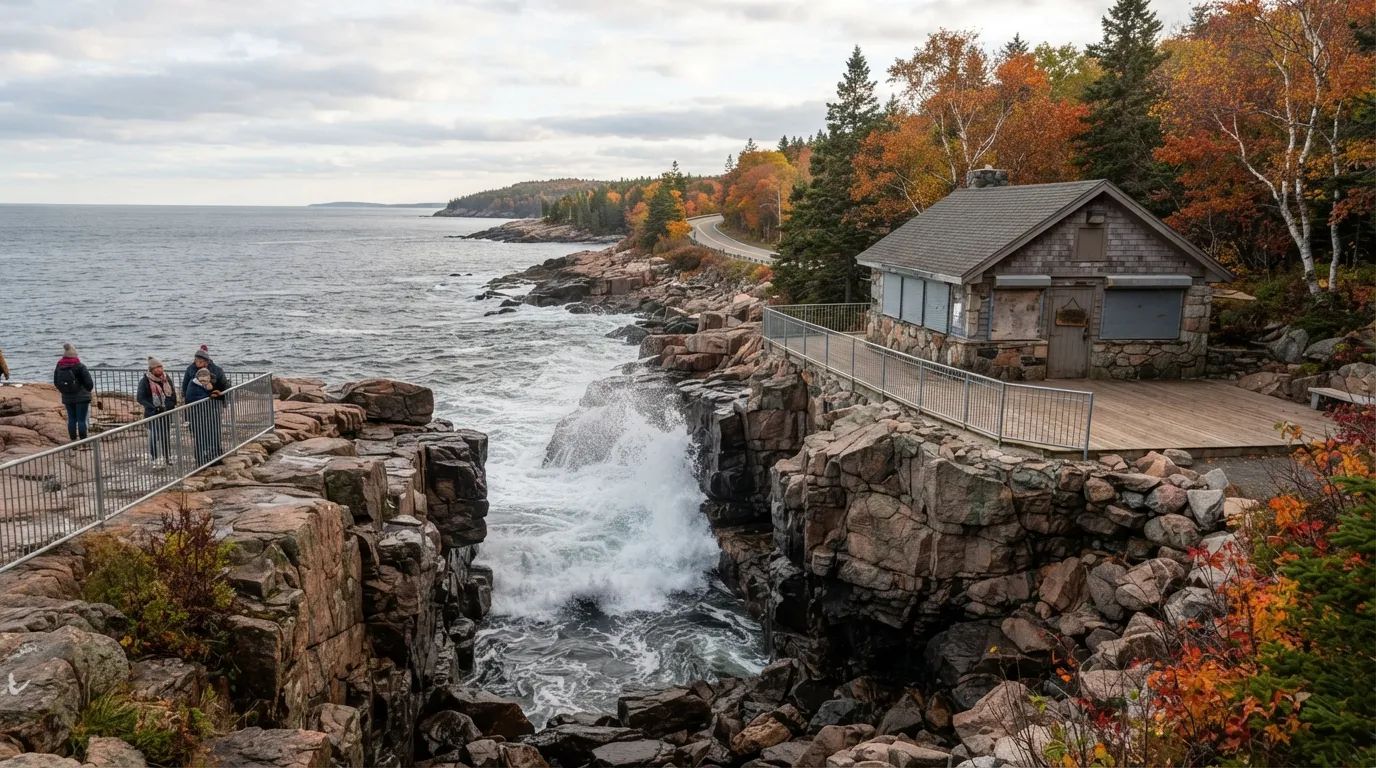
Facilities wind down on a staggered schedule, and it catches people off guard. In 2026, the Thunder Hole gift shop closes October 24, and the visitor center park store closes October 31. Hulls Cove closes November 1, unpaved park roads close around November 15, and the Loop Road gates close December 1.
Notice the mismatch. The roads outlast the services by weeks. You can still drive the scenery, but you can’t count on a gift shop, a map stop, or a hot lunch. Stocking up on water and snacks in Bar Harbor beats hoping something is open. But an open road doesn’t mean an open trail.
At a Glance
- October 24: Thunder Hole gift shop closes.
- October 26: Jordan Pond House, the Eco-Store and the Carry Out close.
- October 31: the visitor center park store closes.
- November 1 and 15: Hulls Cove closes, then unpaved park roads.
- December 1: the Loop Road gates close.
#3 – Trail Closures Quietly Redraw the Map
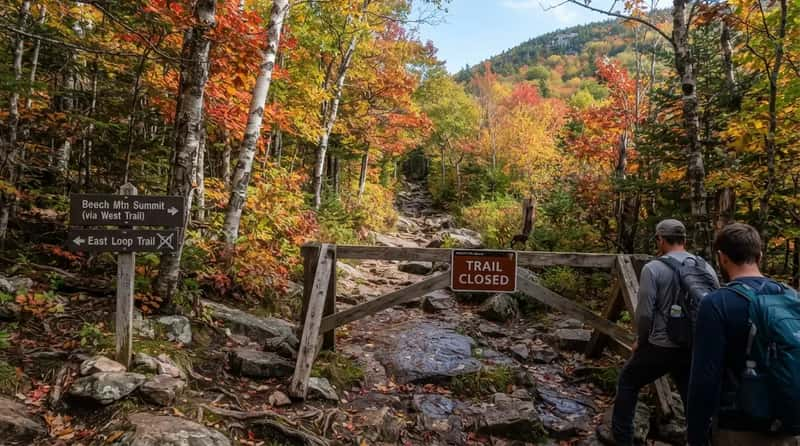
A trail that shows up in every guidebook may not be open when you arrive. The park’s conditions page has listed repair closures that include the eastern section of the Beech Mountain Loop Trail and Schoodic Mountain Road. One local roundup also noted that with part of Ocean Path closed, the coast walk toward Otter Point is shorter than usual.
This is the real cost of a “perfect” itinerary. Your must-do walk may be shorter than the photo that inspired it. Check the park’s conditions page the morning you go, not the week before. The biggest closure of all comes with a loophole.
#2 – December 1 Shuts the Famous Drive, but Not All of It
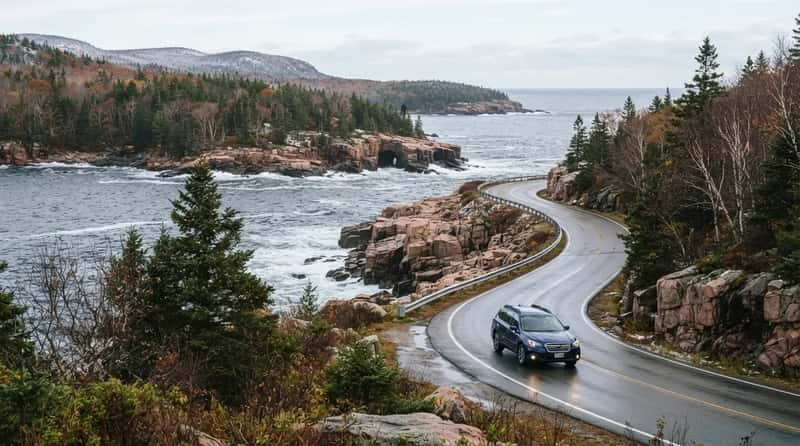
Every year the clock runs out. The Park Loop Road closes December 1, unless significant snowfall forces an earlier closure, and it reopens April 15 if weather permits. That includes the road up Cadillac. But a short, scenic stretch of the park stays open to cars all year.
Even in deep winter, you can still drive part of the park’s best scenery. Cars can use only two plowed sections: Ocean Drive, from Schooner Head Road to Otter Cliff Road, and Jordan Pond Road out of Seal Harbor. Late-season trips are a snow-dependent bet, though, so pack a backup plan. And that closing date sets up the quiet winner of the whole season.
#1 – The Quiet Weeks After Reservations End Might Be the Real Secret
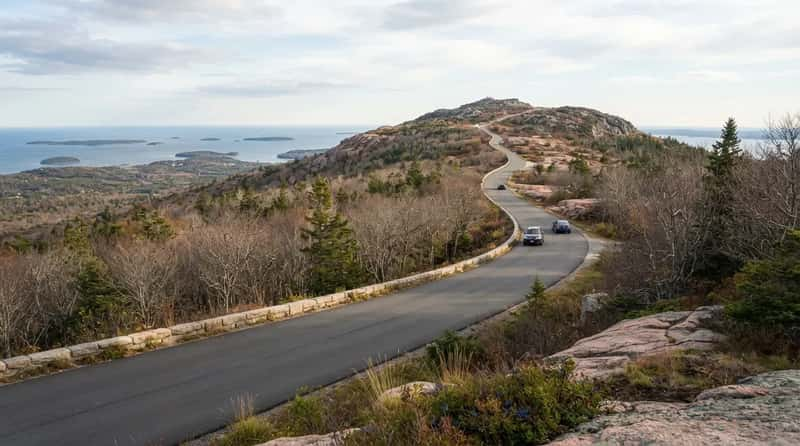
Here’s the part that flips the whole script. After the last Sunday in October, the gatekeeping ends. No reservation is required, and the Summit Road stays open until roughly November 30, weather permitting. You can drive up Cadillac with only your park pass. The $6 fee and the 10 a.m. Recreation.gov scramble are gone.
There’s a trade-off. Color is usually past peak, the Jordan Pond House is closed, and there’s no fare-free bus on the Loop Road for its last five or so weeks. But bare branches open up long views of granite and ocean. For anyone willing to give up peak color, that’s the plan that quietly changes everything.
Acadia in autumn isn’t one season. It’s a countdown of cutoffs: a color window that shifts, a free bus that ends early, a summit gate that runs through late October, and restaurants and visitor centers that close in stages.
The people who leave happiest tend to be the ones who stopped chasing the perfect date and started following the park’s real rhythm. Schedules change yearly, and 2027 summit dates weren’t posted at last check, so confirm everything with the National Park Service before you go.