You’ve priced the flights. You’ve picked the hotel. And you may still be paying for things that never made it onto your budget. These 23 costs are the quiet ones, the fees, gaps and assumptions that show up at a park gate, a bag-drop counter or a hospital desk. Nearly all of them can be trimmed before you walk out the door.
Some take one phone call. One is a card that costs $80 and can last the rest of your life. But the priciest of them all isn’t a fee on a receipt. It’s a belief about a card already sitting in your wallet, and it’s waiting at #1.
#23 – The $80 Card That Makes National Park Gate Fees Disappear
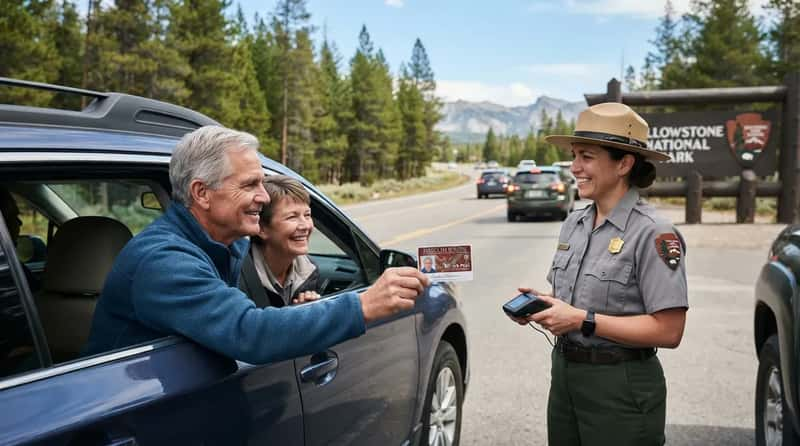
U.S. citizens and permanent residents age 62 and older can buy a Senior Pass through the America the Beautiful program. It costs $20 for a year or $80 for life. It covers entry at more than 2,000 federal recreation sites, including national parks, wildlife refuges and national forests. Plenty of travelers walk right past the discount without asking.
Here’s the part that stings. The standard annual pass for everyone else costs $80, so a senior’s lifetime pass costs what a younger traveler pays for a single year. Many of the busiest parks charge $30 to $35 per vehicle, so a few visits can pay it back. And there’s a perk hiding behind that same card at #22.
Fast Facts
- Eligible: U.S. citizens and permanent residents age 62 and older
- Annual Senior Pass: $20
- Lifetime Senior Pass: $80, the same price others pay for one year
- Coverage: more than 2,000 federal recreation sites
#22 – The Half-Price Campsite Perk Tucked Behind the Same Card
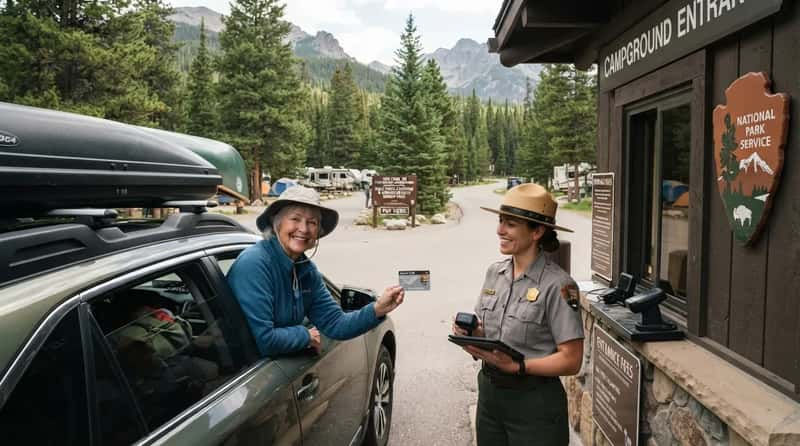
The pass doesn’t stop at the gate. It can take 50 percent off some amenity fees, including camping, swimming, boat launches and specialized interpretive services. For anyone who camps or tows a boat, that’s a second discount stacked on the first.
The word “some” matters, because not every site or fee qualifies. The pass also covers you and the passengers in one vehicle at per-vehicle fee sites. That means a road trip with the grandkids can clear the gate on a single card. The savings only work if you hold it up.
But the most common mistake with this pass costs real money at #21.
#21 – The Online Checkout Trap That Quietly Inflates a Government Pass

Buy the pass the wrong way and it costs more. Ordering a physical card online or by mail can add processing and handling fees to the sticker price. The card that’s supposed to cost $80 arrives costing more, and nothing on the pass warns you.
The easy workaround is to buy in person at a federal site that sells them, so the price stays where it should. And if you’ve held annual senior passes before, four of them can be traded in for a lifetime pass. Check your drawers, because old cards count.
Now for a fee that starts at the airport, one most travelers just swallow, at #20.
#20 – The Checked Bag That Stopped Flying Free on Southwest
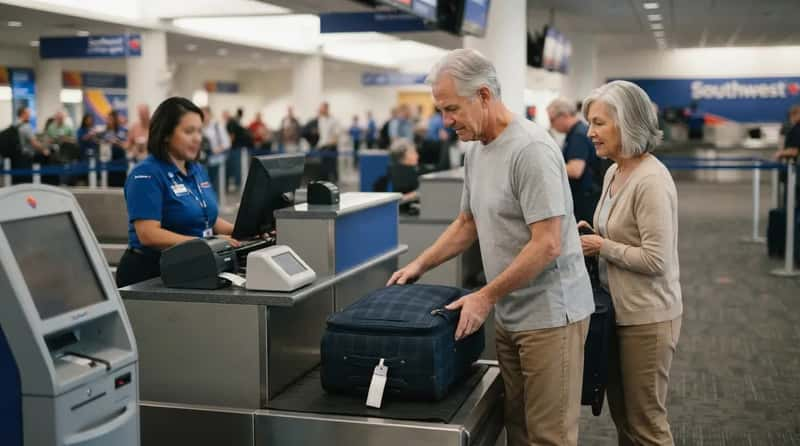
For years, Southwest was the airline that let you check two bags without a charge. That ended for most tickets in May 2025, when it began charging $35 for a first bag and $45 for a second. Most of the big airlines already charge roughly $35 to $45 for a first bag each way.
That’s why packing light is real money. Skipping the checked bag can save $70 to $90 on a round trip at those rates, and a laundry stop mid-trip often beats paying for a bigger suitcase. Fees vary by airline, route and fare, so check yours before you book. Even then, the same suitcase can cost more depending on when you pay, as #19 shows.
At a Glance
- Southwest first bag: $35 on most tickets since May 2025
- Southwest second bag: $45
- Most big airlines: roughly $35 to $45 for a first bag each way
- One skipped bag, round trip: about $70 to $90 saved
#19 – Why the Same Suitcase Can Cost More at the Counter
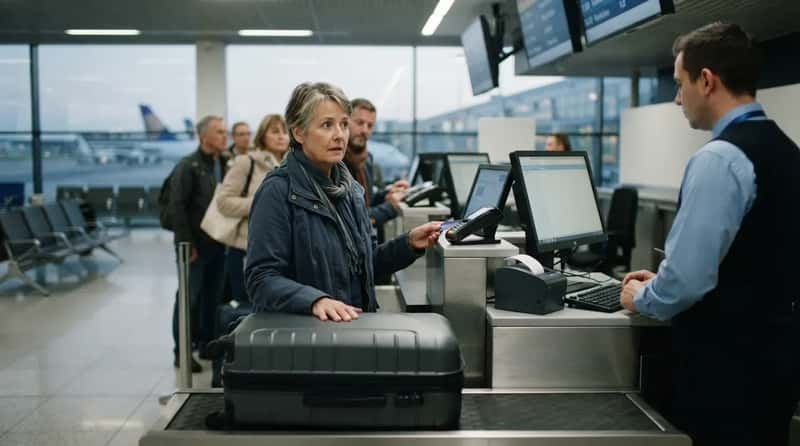
The bag is identical. The price isn’t. JetBlue began charging more for checked bags on high-demand travel days in 2024, and adding a bag usually costs more the closer you get to departure.
It isn’t just one airline. United and American, among others, charge less when you prepay a bag online than when you pay at the airport. The cheapest moment to pay is when you book. The most expensive is at the counter, with a line forming behind you.
But bags are only one of the add-ons waiting at #18.
#18 – The Seat Fee That Can Put You Rows Away From Your Spouse

Choosing where you sit can now cost extra. Cheaper fares often leave seat assignment for later, or for a fee, and airlines lean on those extras to make up the difference. Window seats, extra legroom and front rows are common targets.
That’s a real worry if you’re traveling with a spouse or need an aisle for a bad knee. Rules differ by airline and fare type, so read the fare details before you click buy. Some travelers call paying to sit next to a partner the most irritating fee in travel. Others say it’s a fair price for a low base fare. Either way, you only dodge the surprise if you check first. The price on the ticket itself can be just as misleading, as #17 shows.
#17 – The $100 Ticket That Ends Up Costing More Than the $150 One

The lowest fare isn’t always the lowest price. A $100 ticket that looks like a deal on one airline can cost more than a $150 ticket on another once fees are factored in. Airlines count on you not doing that math.
The fees stack up fast. Add a checked bag each way and a seat choice, and the bargain fare can flip into the pricier one. Compare the total for the whole trip, not the headline number.
Next comes a program many travelers pay for without checking what it still delivers at #16.
#16 – The $75-Plus Shoe Perk That Just Lost Some of Its Shine
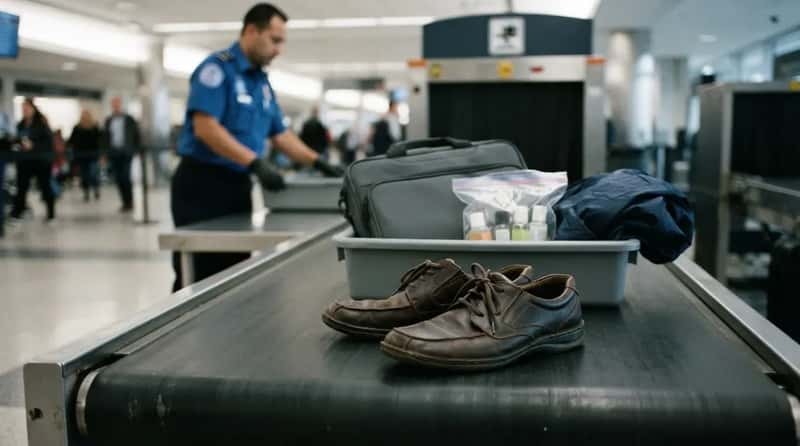
Here’s a twist for frequent flyers. In 2025, TSA moved to end its long-running shoe-removal requirement. Before that, only children 12 and under and travelers 75 and older were exempt. Many people paid roughly $75 for PreCheck partly to keep their shoes on, and now they have to ask what else it gets them.
The other perks are real. In PreCheck lanes you typically don’t need to remove laptops, 3-1-1 liquids, light jackets or belts. There’s no senior discount, though, and approval lasts five years. If you fly twice a year, the math looks very different than it does for a monthly traveler.
The next fee isn’t on your airline receipt at all, and it’s at #15.
#15 – The Resort Fee That Wasn’t in the Nightly Rate

A hotel can look like a bargain until the final bill. Mandatory resort and destination fees have long been added on top of the advertised nightly rate. A Federal Trade Commission rule that took effect in May 2025 now requires hotels, short-term rentals and live-event ticket sellers to show the full price, mandatory fees included, up front.
That helps, but it doesn’t make the fee disappear. It just means you should see it sooner. Compare the total at checkout, not the first number on the search page. Ask what the fee covers, because parking, Wi-Fi and pool access sometimes fall under it. Then there’s a charge hiding in your wallet at #14.
Worth Knowing
- The FTC rule took effect in May 2025
- It covers hotels, short-term rentals and live-event ticket sellers
- Mandatory fees must be included in the price you first see
- Ask what the fee actually includes before you book
#14 – The 3 Percent Tax You Pay Just for Swiping Abroad

Many credit cards add a foreign transaction fee, often around 3 percent, to every purchase made abroad. It’s easy to miss because it shows up as a small line on your statement weeks later. Cards that don’t charge it exist, so check your own before you pack.
Look at your card’s terms or call the number on the back. If yours charges the fee, bring a different card that doesn’t. Over a long trip full of small purchases, a few percent adds up to a very nice dinner out.
The exchange rate itself can quietly cost you more, as #13 shows.
#13 – The Airport Currency Counter and the “Pay in Dollars?” Question

Airport exchange counters are convenient, and that convenience is usually why their rates are worse than what a bank or ATM offers. Plan to get a small amount of local cash after you arrive from a standard ATM, rather than exchanging a large amount at the terminal.
Then there’s the card machine that asks whether you’d like to pay in dollars or the local currency. Choosing dollars is often called dynamic currency conversion, and it can come with a worse rate. Experts generally suggest picking the local currency. The dollar option just looks friendlier.
Your phone can leak money abroad in a quieter way at #12.
#12 – The Roaming Bill That Shows Up After You’re Home

A phone that works perfectly at home can become expensive overseas. Carriers have different international plans, and some travelers don’t learn the rules until the bill arrives. The surprise is usually not the calls. It’s the background data that keeps running while you sleep.
Before you go, ask your carrier what international option fits your trip. Look into an eSIM or a short-term plan if yours doesn’t offer one. Use hotel Wi-Fi when you can, and download maps and tickets before you leave. The phone call to your carrier is free, and it can prevent a very unpleasant envelope later.
The next bill comes from the rental counter, and it’s mostly a paperwork problem at #11.
#11 – Rental Car Insurance You May Already Be Paying For

At the rental counter, you’re tired and holding bags. That’s exactly when the agent offers extra coverage. But you may already have some through your personal auto policy or a credit card, so saying yes can mean paying twice.
The catch is that coverage rules differ a lot. Some cards cover rentals only when you pay with that card and decline the rental company’s waiver. Some exclude certain countries or vehicle types. Checking before you leave is a ten-minute job that can save a lot at the counter.
Another problem can sink a trip outright, and it starts with a date printed in your passport at #10.
#10 – The Passport Problem That Turns Into a $60 Rush Fee
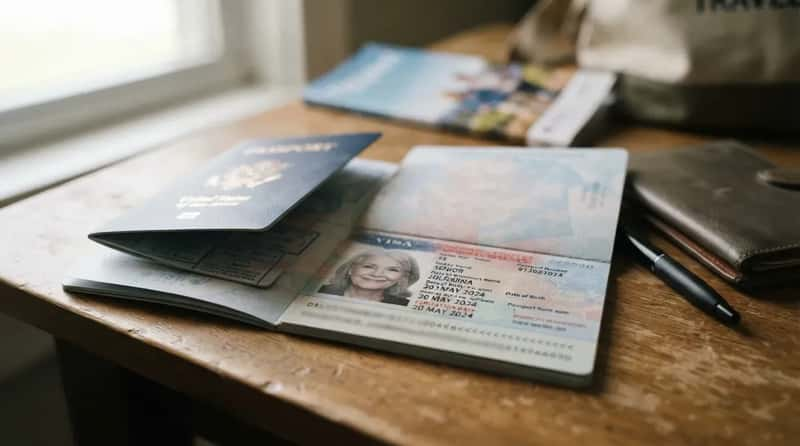
An expired or nearly expired passport can derail a whole trip. Expedited processing adds a $60 fee on top of the regular cost, and faster service still isn’t a promise. Checking the expiration date months ahead lets you use the standard timeline and skip the panic.
Many travelers also forget that some countries expect your passport to be valid for several months beyond your departure date. That’s a rule you need to check for your specific destination. Treat the passport like the first item on the packing list, not the last. One rushed application costs little next to a missed flight.
One of the sneakiest travel costs needs no form at all, and it fits in your carry-on at #9.
#9 – The Airport Sandwich Tax You Can Beat With a Zip-Top Bag
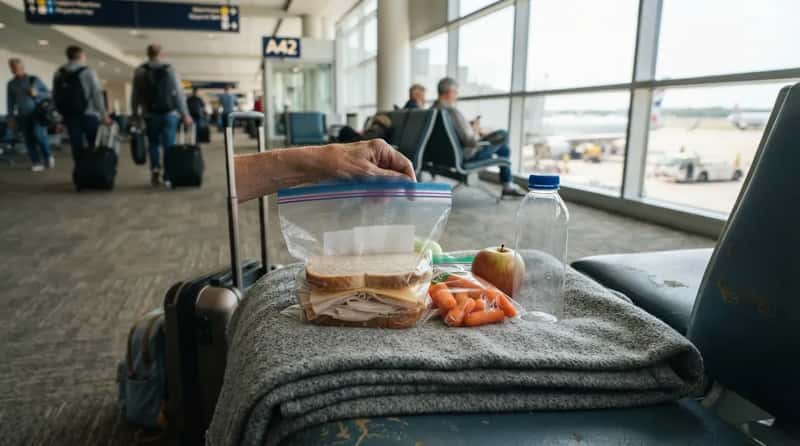
Airport food costs more than the same food a few miles away. A bottle of water, a sandwich and a snack can add up to a small fortune before you’ve left the ground. Packing your own is one of the simplest cuts on this whole list.
Solid food generally goes through security just fine. Liquids follow the 3-1-1 rule, so bring an empty water bottle and fill it after screening. Check current TSA guidance for anything borderline, like spreads. It’s the one cost here you can remove with a plastic bag. Next comes a cost that hits solo travelers harder than anyone, at #8.
#8 – The Single Supplement That Makes Traveling Alone Cost Extra

Many cruises and group tours price a cabin or room for two. A traveler who books alone can face a single supplement on top, which can make the trip cost noticeably more per person. It hits widowed and divorced travelers over 60 especially hard.
Some operators waive or reduce the charge on certain departures, and some offer roommate matching. It pays to ask, because the policy isn’t always visible when you search. Plenty of solo travelers call the surcharge the most unfair fee in the industry. Whatever you think of it, comparing several companies before you book is worth the time.
Then there are the health costs, where the stakes get higher, starting at #7.
#7 – The Travel Vaccine Bill Your Drug Plan May Already Cover

Some trips call for vaccines, and the bills can sting. But Medicare drug coverage (Part D) covers vaccines recommended by the CDC’s Advisory Committee on Immunization Practices, and that includes some shots you might need before traveling outside the U.S. Since 2023, those recommended adult vaccines have carried no cost sharing under Part D.
Not every travel vaccine is on that list, and plans differ on which pharmacies they use. Call your plan or pharmacist before you book an appointment. Starting early also gives vaccines time to work before departure. It’s a small phone call with a potentially big payoff.
But there’s a prescription rule that catches people off guard at #6.
#6 – The Prescriptions Medicare Won’t Touch Overseas

Running low on medication abroad is a headache. It can also be a cost your plan won’t help with. Whether you have a standalone drug plan or drug coverage through a Medicare Advantage plan, Part D won’t cover prescriptions you fill outside the United States.
The practical fix is to bring enough for the whole trip plus extra days, in original labeled containers. Ask your pharmacy or plan whether an early refill is possible before you leave. Carry a list of your medications and doctors, too. Packing extra pills is far cheaper than buying them abroad at full price.
The deposits you’ve already paid are the next risk, at #5.
#5 – The Non-Refundable Deposit That Can Vanish After One Doctor’s Visit

The more you prepay, the more you stand to lose if your health changes. Cruises, tours and rentals often require deposits long before departure. If a medical issue forces you to cancel, that money may not come back.
Trip cancellation coverage is designed for exactly this, but the details matter a lot. Pre-existing conditions are a common sticking point. Some policies only waive that exclusion if you buy soon after your first trip payment. Read the policy’s deadlines and definitions before you pay.
And that’s still not the biggest health gap. That one comes with a cap at #4.
#4 – The Medigap Safety Net With a $50,000 Lifetime Ceiling
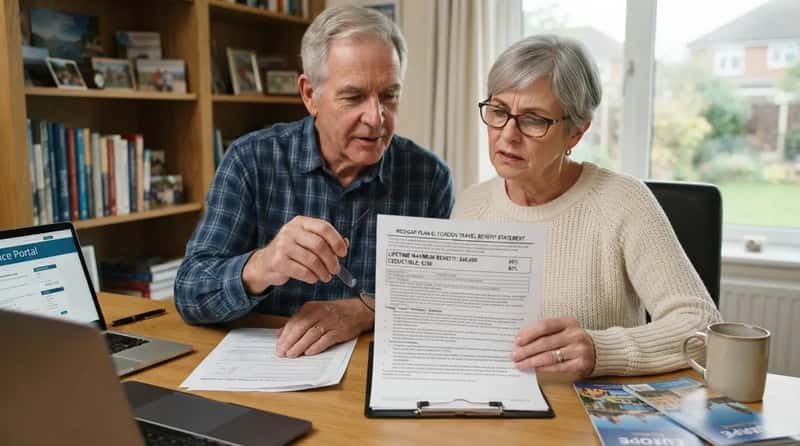
Some Medigap plans do help abroad. Plans C, D, F, G, M and N include foreign travel emergency coverage, paying 80 percent of billed charges after a $250 deductible, up to the plan limit. That sounds generous until you read the limit.
The cap is $50,000 for your entire lifetime, and the emergency care has to begin during the first 60 days of a trip. A long stay or a serious hospital bill can blow through that quickly. Treat Medigap as a starting point, not a guarantee.
The most expensive gap on this list is next, at #3.
#3 – The Emergency Flight Home Most Plans Won’t Pay For

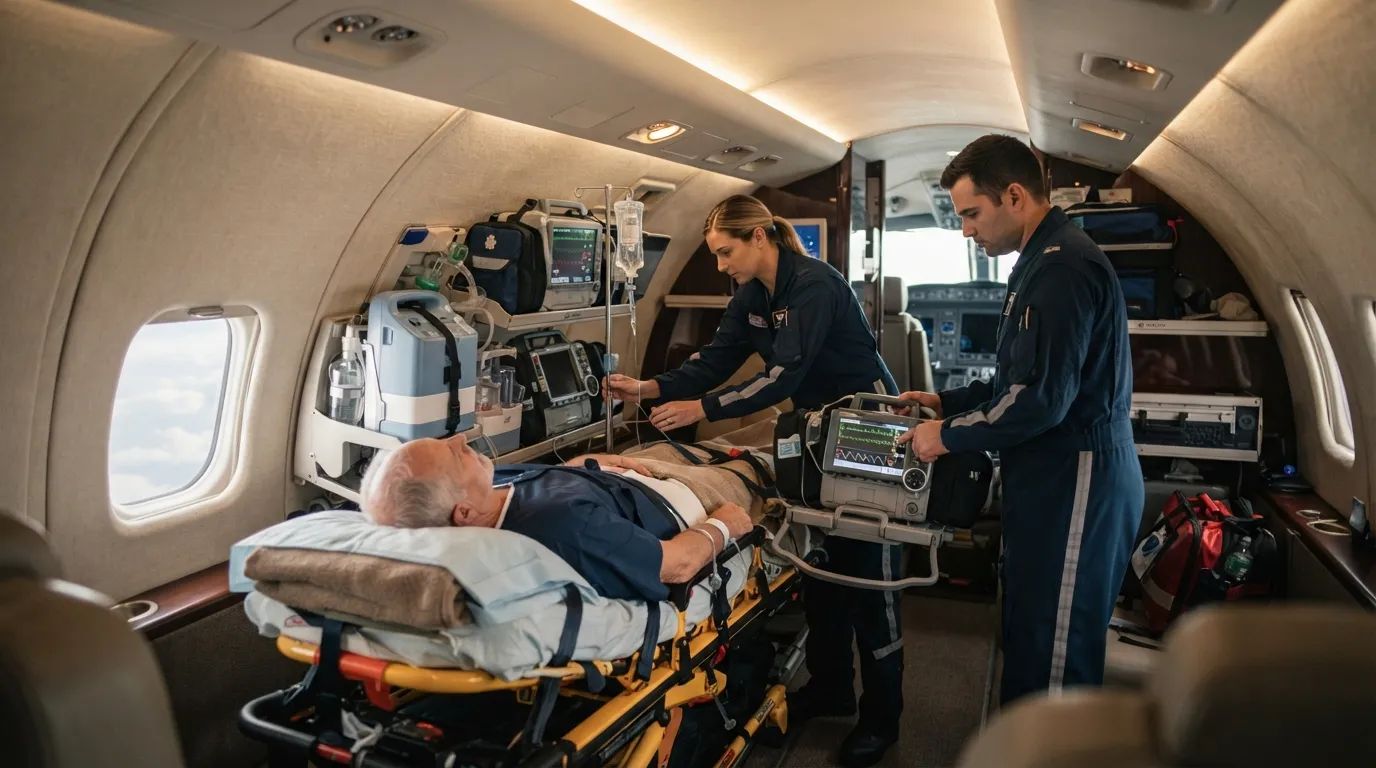
A serious illness abroad can mean a flight to a better hospital, or all the way home. That’s often the costliest part of an overseas medical emergency. Medical evacuation and transport back home isn’t covered by Original Medicare, and it’s usually not covered by Medicare Advantage or Medigap either.
Even ambulances are limited. Medicare may cover ambulance transportation to a foreign hospital only when you’re admitted for medically necessary covered inpatient services. That’s a narrow window, and it’s the gap a dedicated travel insurance policy is built to fill. But whether your own plan helps at all is the question at #2.
#2 – The Medicare Advantage Assumption That Needs One Phone Call

Some Medicare Advantage plans offer more than the basics. A number of them include extra coverage for emergency or urgent care while you’re abroad. But that’s plan-specific, and it often comes with dollar limits.
Even with a good plan, follow-up or routine care overseas is usually not covered. The only way to know is to ask. Your benefits may look nothing like your neighbor’s, even in the same zip code.
All of that leads to one assumption that can cost the most of all, at #1.
#1 – The Belief That Medicare Goes Where You Go

This is the big one. Medicare usually doesn’t cover health care while you’re traveling outside the U.S., and in most cases you pay all costs yourself. That includes places many people think of as close to home, like Canada and Mexico. The exceptions are narrow.
One involves a foreign hospital that is closer to your home than a U.S. hospital that could treat you. Another covers a direct route through Canada between Alaska and the lower 48 states. Most trips won’t qualify. So the single cost to remove before you leave is the surprise itself. Find out what you’re covered for, then buy what you’re missing.
Quick Compare
- Original Medicare abroad: usually nothing, with narrow exceptions
- Part D prescriptions: not covered if filled outside the U.S.
- Medigap Plans C, D, F, G, M and N: 80 percent after a $250 deductible, capped at $50,000 for life
- Medical evacuation home: usually not covered by any of them
Most of these costs aren’t dramatic. They’re small and quiet, and they hide in fine print, checkout screens and assumptions. An $80 park pass and a smarter bag purchase cut the everyday ones, while the health gaps can run far past what Medigap will pay.
A few calls and clicks before you go can remove most of it. The trip you remember should be the one you took, not the bill that followed it home.