A camera used to be one of the simplest travel companions, something you pointed and clicked without much thought. These days, in a handful of countries, that same habit can turn a relaxed afternoon into a tense conversation with a security officer.
The rules are rarely about vacation snapshots of temples or sunsets. They tend to center on military sites, government buildings, and anything that touches on national security or public image, and the penalties for getting it wrong range from a stern warning to genuine legal trouble.
North Korea
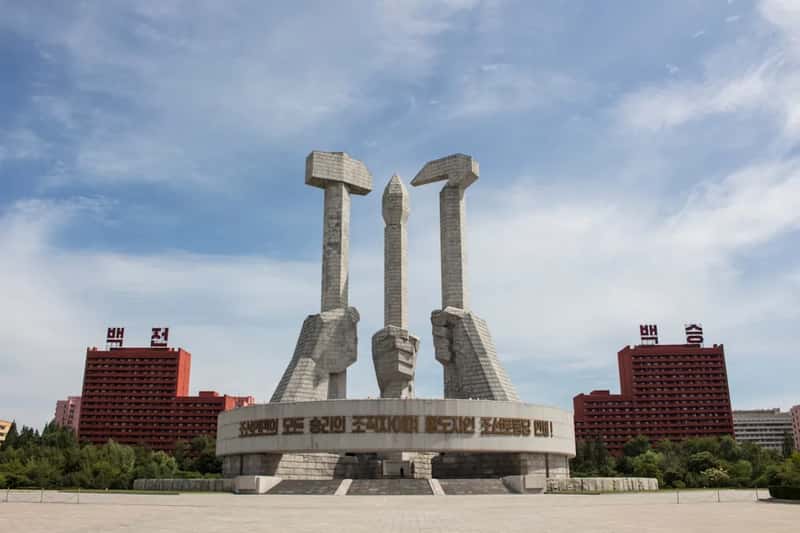
North Korea has a reputation for being the strictest photography destination on earth, though the reality on the ground is a bit more nuanced than the headlines suggest. Tourists travel with government-assigned guides who tell you what you may and may most definitely not photograph, and if you obey these rules then one can photograph under relative freedom. Military checkpoints are the strictest zones, and you cannot take pictures of military facilities, soldiers, or vehicles, with military check-points being the strictest places.
Statues and murals of the country’s leaders come with their own etiquette. Guides typically insist that only photographing statues from the front is acceptable, and visitors are expected to obey these directives. Anything that could be read as unflattering, such as photographing homelessness, poverty, or obvious faults in infrastructure, is frowned upon and considered portraying the country in a negative light. Despite the intimidating reputation, most travelers report that Pyongyang was more or less completely open for photography, with even cities like Wonsan and Hamhung being quite relaxed.
United Arab Emirates
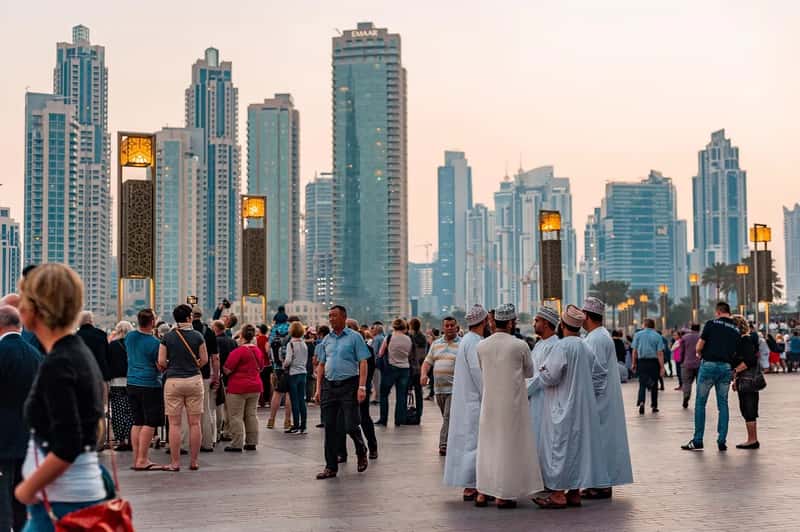
The UAE markets itself as one of the most tourist-friendly destinations in the region, yet its photography laws are stricter than many visitors expect. Across the country, taking photos of military areas, palaces, courts, and government buildings is banned, and enforcement is not just theoretical. Reports indicate visitors taking forbidden pictures have been jailed and fined about $1,350 for illegal photography.
Street photography carries its own set of rules that catch many tourists off guard. There is a legal requirement that people give their permission before being photographed in the street, and these pictures cannot be distributed without everyone’s consent. This extends to famous sites too; the crown jewel-style protections mean taking photos of the royal collection poses a potential security risk that could attract thieves looking at visuals of security weaknesses. Even in modern, glossy Dubai, the advice remains the same: travelers must be cautious about what ends up in the background of their pictures.
China
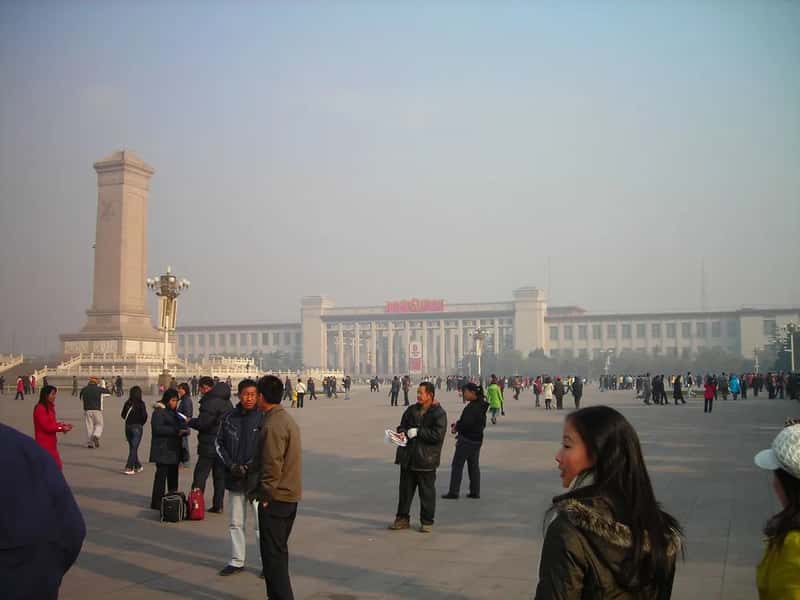
China’s photography restrictions are tied closely to political sensitivity rather than a blanket ban on cameras. In the capital, there are restrictions on the use of professional cameras and tripods in Tiananmen Square and near government and military buildings. The reasoning given is straightforward: this is due to ensuring security and preventing possible problems.
Certain regions carry heavier scrutiny than others. China imposes tight controls on photography, especially in politically sensitive regions such as Tibet and Xinjiang, where military sites, police, protests, and anything tied to political dissent are forbidden, and restrictions also apply in areas where ethnic minorities face persecution. What makes China particularly tricky for visitors is that even in tourist cities, some sites have unmarked photography bans that put visitors at legal risk, meaning there is often no sign to warn you before you have already broken a rule.
Russia
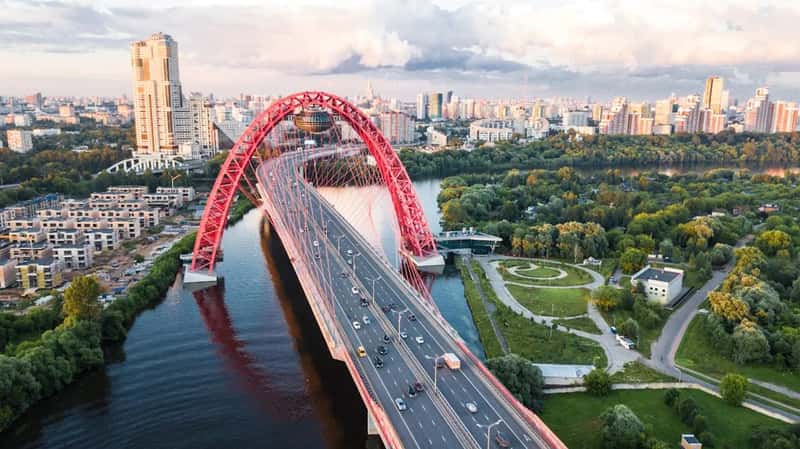
Russia’s photography laws have tightened noticeably in recent years, particularly around anything connected to defense or state infrastructure. Russia has tightened its photography restrictions in recent years, making military sites, government buildings, and border areas strictly off-limits. Part of the difficulty for tourists is that the definitions themselves are vague, since what counts as a military or strategic site is often broadly defined and unclear to visitors.
Enforcement is not limited to obvious targets like tanks or barracks. Photographing near ordinary administrative buildings can also cause trouble, as taking photos near government facilities, including police stations, can lead to being stopped by security forces and having your equipment seized. Authorities have become particularly cautious about anything resembling infrastructure documentation, since they are especially wary of foreigners photographing anything that could be interpreted as sensitive infrastructure.
Saudi Arabia
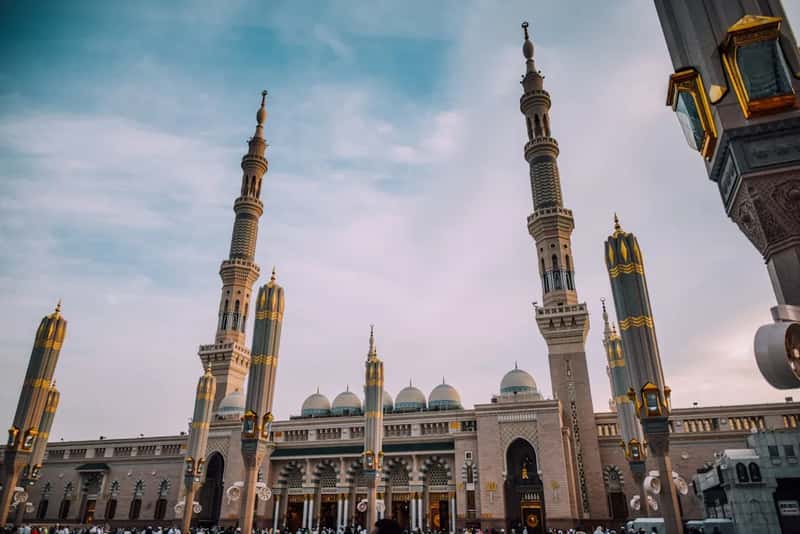
Saudi Arabia has loosened many of its social restrictions in recent years as part of its tourism push, but photography rules around security and privacy remain firm. The core prohibition is consistent across nearly every travel advisory: government buildings, military installations, and police or security personnel are illegal to photograph and can result in arrest. Casual sightseeing photos are generally fine, but government buildings, palaces, and military sites are strictly off-limits.
Photographing people, especially women, is treated as a serious matter rather than a minor faux pas. Guidance from the U.S. State Department is direct: this includes photos of people in public, scenes showing poverty, local religious sites like mosques, and traditional markets, and travelers should never photograph women in public or places where women gather. Drone photography faces its own hurdles too, since drones require a permit from the General Authority of Civil Aviation, and flying without one is illegal and can result in confiscation of equipment and legal penalties including fines and potential detention.
Iran
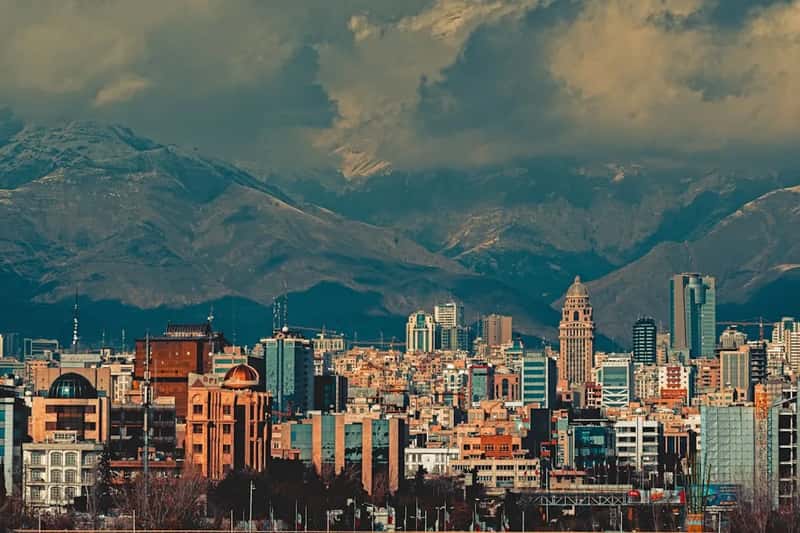
Iran’s photography rules follow a familiar Middle Eastern pattern, with government and military sites topping the list of forbidden subjects. The warning is blunt in nearly every travel resource: Iran has strict rules regarding photography, particularly near government buildings, military installations, infrastructure and in some public spaces, which are often located in historical buildings near or adjacent to tourism attractions. Breaking these rules is not treated lightly, since violations can result in detention and questioning by Iranian security services, with authorities particularly sensitive to images of strategic sites, protests or anything deemed to compromise national security.
The list of banned subjects goes well beyond obvious military bases. Travel advisories specifically caution against photographing any military object, jails, harbors, telecommunication devices, airports or other objects and facilities which you suspect are military in nature. Even some of Iran’s most visited religious sites impose their own limits, since most of the holy shrines in Iran do not allow photography, so it’s always worth checking signage or asking staff first.
Egypt
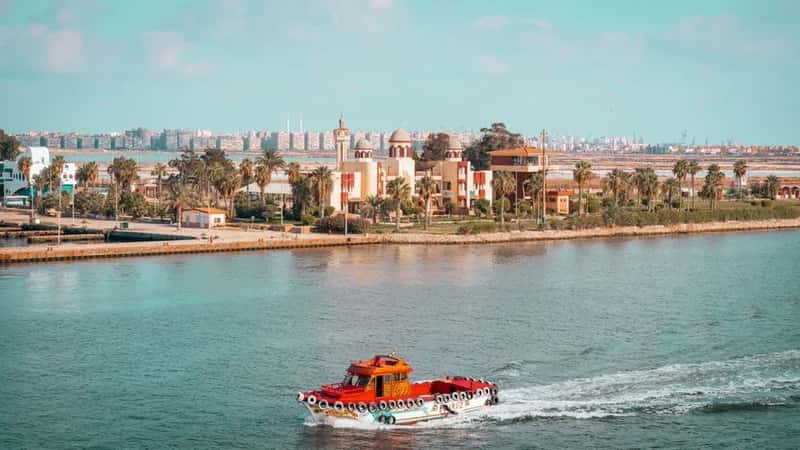
Egypt’s restrictions focus heavily on strategic infrastructure, a reflection of the country’s sensitivity around key national assets. According to multiple travel safety sources, Egypt strictly bans photography of government buildings, military sites, bridges, and the Suez Canal. That last one catches a lot of visitors off guard, since the canal is such a recognizable and photogenic feature of the country’s geography.
Beyond the canal and bridges, the same caution applies to anything with a security or defense connection near Egypt’s historic sites and cities. Military-adjacent zones near tourist areas are treated with the same seriousness as they would be anywhere else with active security concerns. Travelers who want to photograph ancient monuments rarely run into trouble, but wandering close to ports, checkpoints, or official buildings is where the risk actually begins.
Thailand
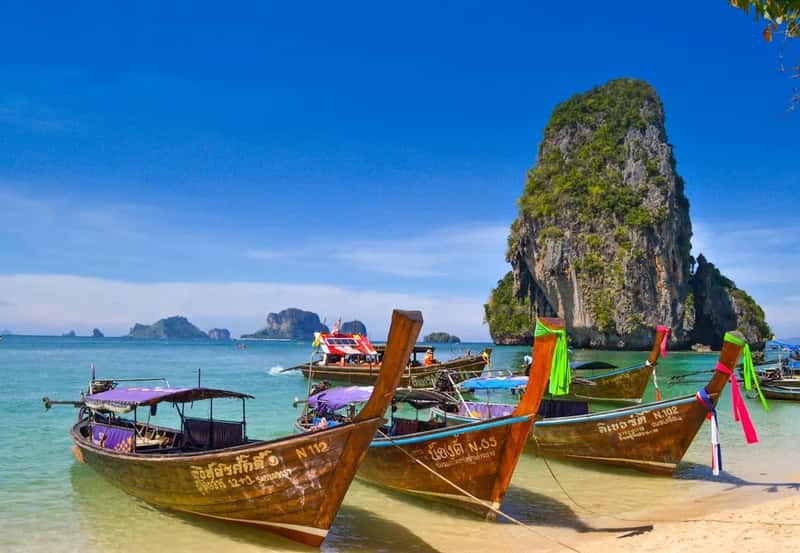
Thailand is generally an easygoing destination for photography, but certain zones carry penalties that are startlingly severe on paper. Aviation-related security is treated with extraordinary seriousness, and reports note that at one airport, photographing in the runway zone can result in a fine of 40,000 baht, or about 1,300 dollars, or imprisonment for up to 20 years. Officials have also indicated that in the most extreme scenarios, the court may issue a death penalty according to the aviation law, though such extreme penalties are reserved for the most severe security violations rather than everyday tourist mistakes.
Outside of aviation zones, the country has actually relaxed some of its older restrictions on casual street photography. Even so, photographing children or taking pictures that may harm the country’s image is prohibited. Photographing people, and women in particular, without their consent is also treated as more than just bad manners, since it can be considered a genuine legal issue in certain contexts.
Final thoughts

None of these eight countries are trying to keep tourists from taking photos of a nice view or a family dinner. The common thread running through all of them is security, privacy, and national image, three things that governments treat with far more weight than the average traveler expects.
A little research before landing, paying attention to guides and local signage, and simply asking before pointing a camera at a stranger will keep almost anyone out of trouble. The camera is still welcome nearly everywhere, it just helps to know exactly where to lower it.