
Education is one of those things that shapes almost everything else: life expectancy, economic mobility, political stability, even how a country responds to climate change. Yet despite decades of global progress, the gap between the world’s best and worst education systems remains vast. Global literacy stands at roughly 87.74% as of 2026, which sounds encouraging until you realize what that number is hiding.
There are more than a dozen countries that have less than a 50% literacy rate, and most of them face a tightly clustered set of causes: armed conflict, chronic poverty, gender inequality, and geography. The countries at the very top, meanwhile, have spent generations building systems that treat education as infrastructure – as essential as roads or hospitals. What follows is a look at both ends of that spectrum, drawing on UNESCO data, the OECD’s Education at a Glance 2025 report, and the UN’s Human Development Index.
1. Chad – The Lowest Adult Literacy Rate on Earth
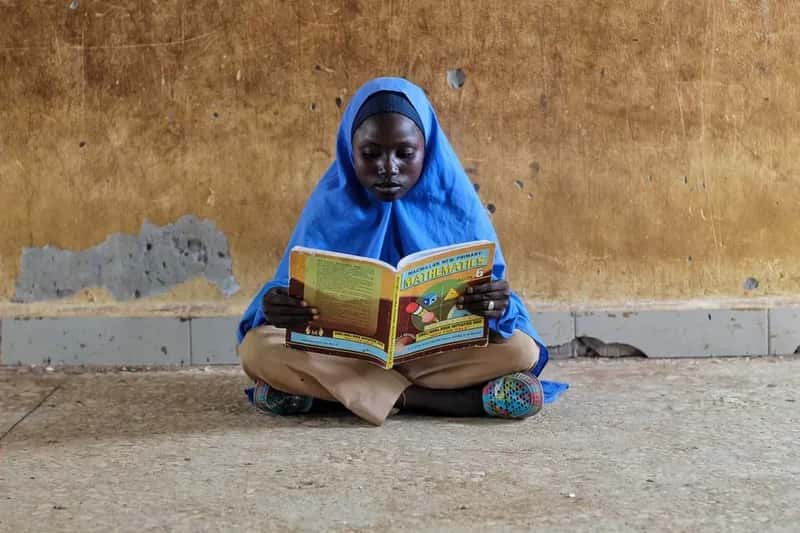
Chad faces the greatest literacy challenges of any country in the world, with an adult literacy rate hovering around 30.63% in recent data. Female literacy in Chad sits at just 18.2%, compared to 35.4% for men, a gap driven largely by economic conditions that force families to make impossible choices about which children get to attend school.
With roughly 42% of its population living below the poverty line, Chad struggles to allocate sufficient resources to education, and government expenditure on education accounts for just 2.6% of GDP – far below the global average. Adults in Chad average just 2.3 years of schooling, a number that encapsulates decades of conflict, displacement, and systemic underinvestment in one of the world’s most remote and arid nations.
2. Mali – Where Average Schooling Barely Reaches 18 Months
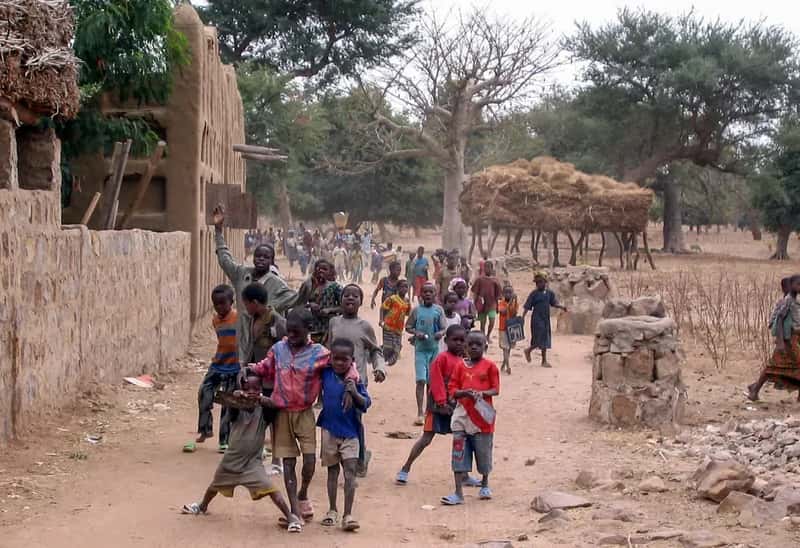
Mali anchors the very bottom of global rankings alongside Chad, with an adult literacy rate of around 31% and an average of just 1.6 years of schooling for adults. That figure is startling when you consider that a single year of primary school typically covers only the most basic introduction to reading and counting.
USAID’s Selective Integrated Reading Activity ran from 2016 to about 2021-2022, improving early-grade reading in thousands of Bamanankan-medium classrooms before the project ended. In Mali, the literacy split between men and women stands at roughly 46.2% versus 25.7%, a gender gap that reflects deep-rooted social structures and the particular vulnerability of girls in conflict-affected Sahelian communities.
3. South Sudan – The World’s Newest Country, Struggling With Its Oldest Problems
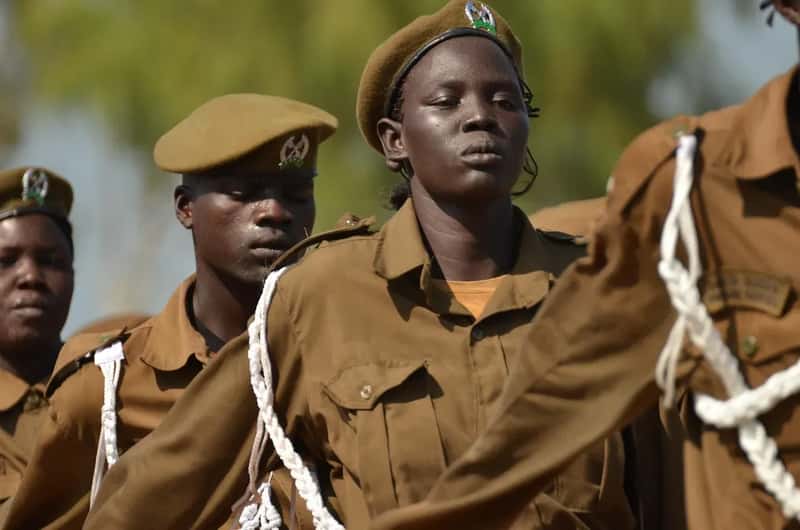
South Sudan’s literacy rate of around 34.52% is significantly impacted by challenges within its educational system – challenges stemming from poverty, violence, insufficient political leadership, and a shortage of qualified teachers. The country gained independence in 2011 and has never known a period of sustained peace long enough to build functioning national institutions.
4. Niger – The Fewest Years of Schooling of Any Nation
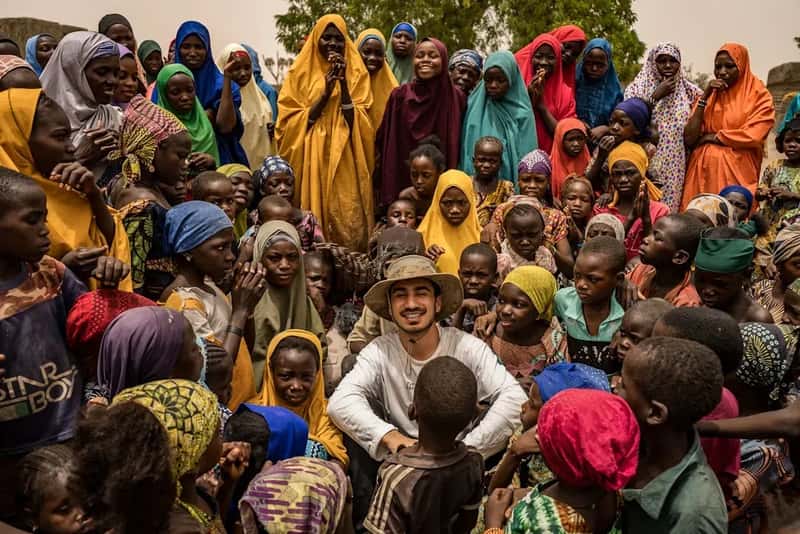
Of all countries tracked by the UN’s Human Development Index, Niger has the lowest average for educational attainment, at just 1.4 years of schooling out of an expected 8.3. That expected-versus-actual gap is among the most dramatic in any human development indicator anywhere in the world.
Five years of heightened insecurity in the Sahel have nearly doubled the number of school closures, resulting in over 13,200 schools closed across eight countries in central and west Africa, including approximately 940 schools in Niger as of early 2024, affecting over 74,000 students and nearly 1,800 teachers. Today, socio-cultural factors, early marriage, and conflict remain the primary barriers to literacy across Niger.
5. Afghanistan – The Only Country That Has Banned Girls From School
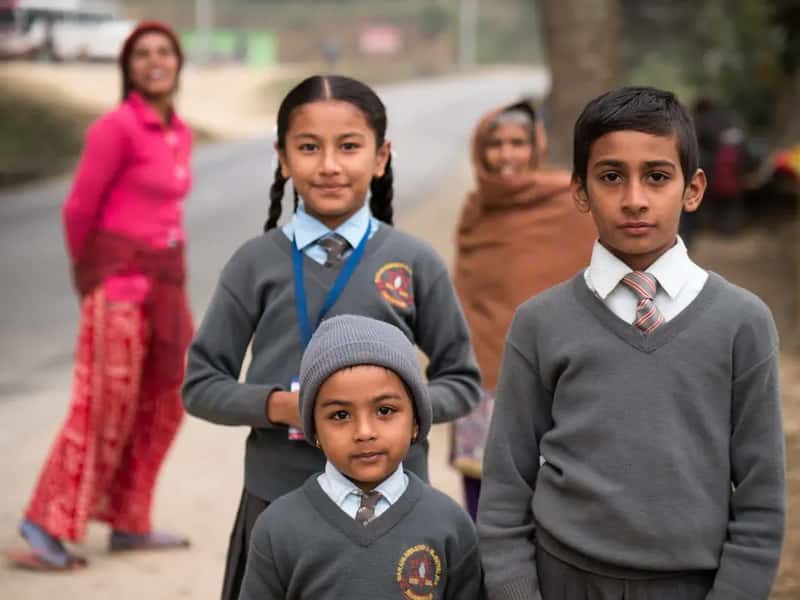
Afghanistan is the only country in the world that has formally banned girls from attending secondary school and university. The Taliban’s decree, imposed after the 2021 takeover, reversed two decades of progress. The consequences are already measurable and are expected to worsen across the coming decade.
In Afghanistan, the gender literacy gap is 29.5 percentage points: roughly 52.1% of men can read, but only 22.6% of women – the lowest female literacy rate of any country in the dataset. The Taliban’s 2021 decision to ban girls from secondary education has locked an estimated 2.2 million girls out of school, making it the only country where education beyond primary is formally forbidden to girls.
6. Central African Republic – Corruption and Conflict at Every Level
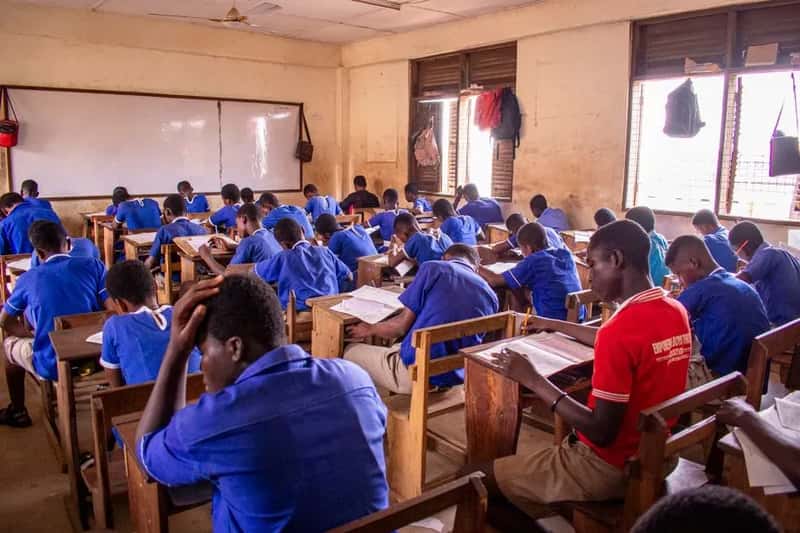
Corruption, a lack of qualified teachers, violence, and unequal access to education have all contributed to the Central African Republic’s literacy rate of around 37.49%. The country has experienced repeated waves of civil war since gaining independence, and each conflict has stripped another layer off an already thin education system.
Many of these countries face obstacles such as poverty, conflict, limited infrastructure, and gender inequality in education, and the Central African Republic combines all of these at once. Geographic isolation compounds the problem: vast stretches of the country have no functioning schools at all, and qualified teachers are concentrated almost entirely in the capital, Bangui.
7. Somalia – Three Million Children Not in School
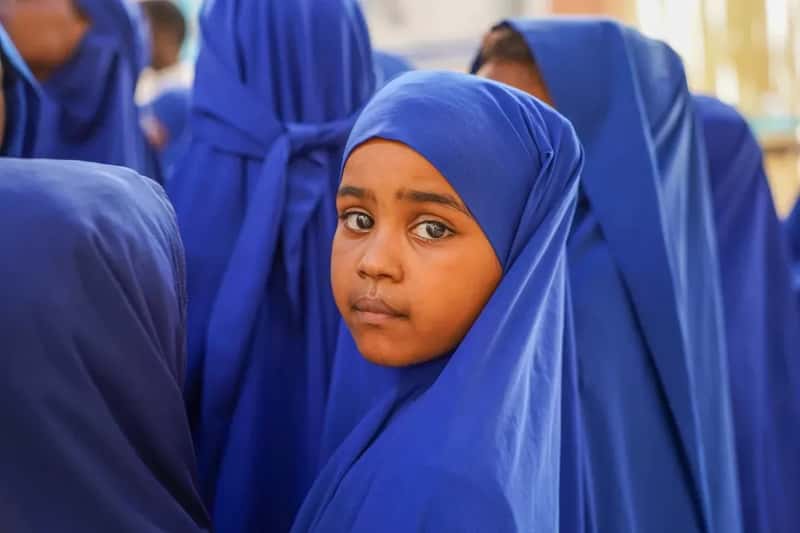
Over three million children in Somalia do not attend school. Many families cannot afford their children’s education, and many children live far from the nearest school. Those who can enroll their children often decide not to due to safety concerns, inadequate sanitation facilities, a lack of teachers, and overcrowded classrooms.
Many children also live in nomadic pastoral communities, unable to acquire a formal education due to constant movement. Somalia’s adult literacy rate sits at roughly 41%, according to the most recent available data – a figure that reflects not only decades of state collapse and conflict, but also a school infrastructure so fragmented that the concept of a national education system barely applies.
8. Guinea – A 30-Point Gender Gap
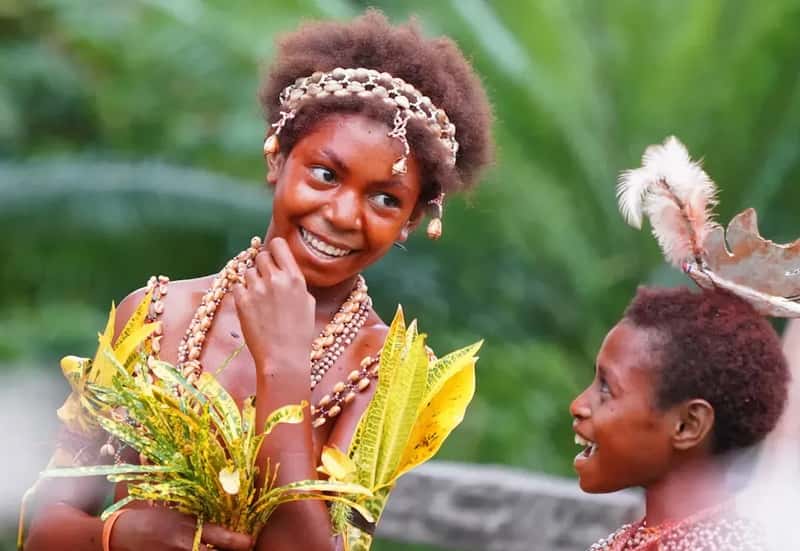
Guinea’s literacy level varies greatly depending on gender. While over 60% of men have adequate literacy skills, just over 30% of women can read and write. The gender gap in Guinea stands at 29.9 percentage points, one of the starkest disparities anywhere in the world and a clear marker of how structural inequality compounds educational disadvantage.
Somalia, Guinea, and Burkina Faso bring the total to nine countries falling below the halfway mark in literacy, and Guinea’s position reflects both colonial-era neglect of rural schooling and persistent post-independence underinvestment in the sector. International organizations have made incremental gains in female enrollment at the primary level, but those gains have yet to translate into measurable improvements in adult literacy.
1. Canada – World Leader in Tertiary Attainment
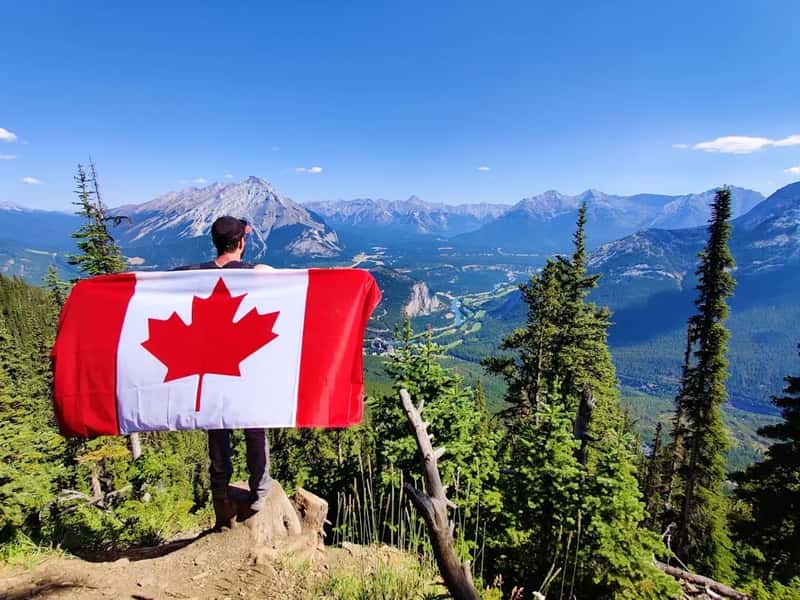
According to the OECD’s Education at a Glance 2025 report, which compares educational attainment among working-age adults across 45 countries as of 2024, Canada tops the list with nearly 65% of adults holding a college or university degree. Canada leads in the G7 as having the most educated workforce, a position it has held for several consecutive OECD reporting cycles.
Canada takes the top spot for the highest percentage of 24 to 65-year-olds with a college or university degree. In the academic year 2022-2023, around 617,000 students graduated with a certificate, diploma or degree from a Canadian public post-secondary institution. Canada and its peers among the most educated nations have invested heavily in expanding access to higher education, driven by knowledge-based economies that reward advanced qualifications.
2. Japan – Technical Excellence Meets Universal Literacy
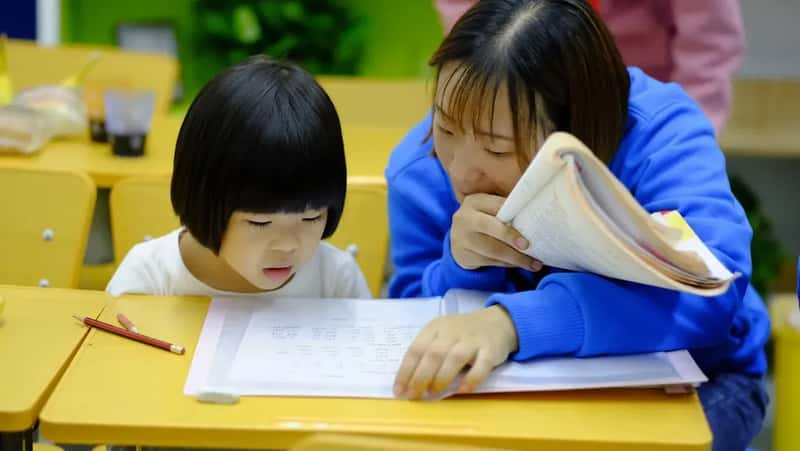
Japan is among the top three most educated countries globally in 2024, with a tertiary education rate of around 64%. With 65% of Japanese individuals aged 25 to 34 holding tertiary education qualifications, Japan stands as a global leader in educational success and innovation. The country pairs that attainment rate with one of the world’s most rigorous primary and secondary school systems.
The country’s education system, known for its rigorous standards and often referred to as “education fever,” is marked by intense competition and high expectations from an early age. This demanding environment fosters a culture of hard work and dedication to academic success. Japan’s combination of near-universal literacy and high tertiary attainment makes it unusual in that it excels across every measurable tier of education simultaneously.
3. Ireland – The Highest University Degree Rate in Europe
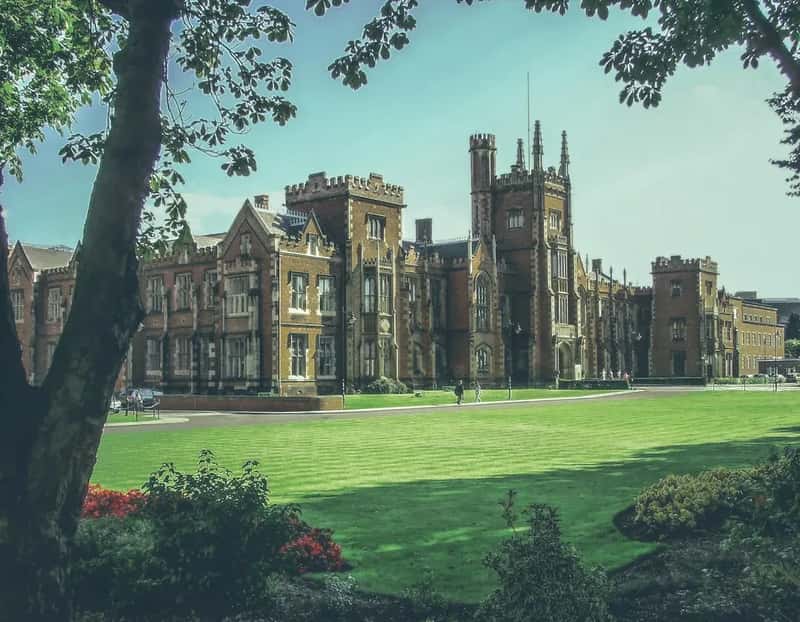
Ireland ranks highest in Europe by education rate, with 52.4% of its working-age population holding a bachelor’s degree or higher. Across wider age groups, Ireland remains well above the EU average for tertiary attainment. Total enrolments in higher education rose significantly, with enrolments increasing by about 15% from 231,710 to 265,905 people between 2017-2018 and 2023-2024.
In Ireland, 62.8% of undergraduates were on permanent or open-ended contracts nine months after graduation, while 84.6% of postgraduate taught graduates were in employment nine months after graduation. Ireland’s strategic long-term planning, government support, world-class educational institutions, and thriving economy collectively contribute to its status as a global leader in education. The country’s transformation from one of Western Europe’s poorest nations in the mid-20th century to one of its most educated is, by any measure, one of the more striking stories in modern development history.
The distance between Chad and Canada is not just a matter of funding or policy – it is the cumulative result of decades of conflict, colonial histories, geographic isolation, and political choices that either invested in people or didn’t. The pattern of low education is not random. It follows conflict, poverty, and the near-absence of functioning school systems. Where those conditions ease, literacy tends to follow. Where they persist, entire generations are left behind.