Nobody announces a retirement move with a press release. Most of it happens quietly, a lease signed here, a moving container shipped there, until the pattern becomes obvious only in hindsight. That’s roughly where things stand in 2026, as a steady stream of American retirees look past the usual suspects and settle into towns and countries that rarely make headlines but consistently show up in cost of living data and residency statistics.
By the end of 2024, roughly 712,000 Americans were receiving Social Security benefits while living abroad, up 20% over thirteen years. That number keeps climbing, and it’s not just wealthy retirees chasing beaches. It’s people running the numbers on healthcare, taxes, and housing, and quietly concluding that somewhere else makes more financial sense.
1. Green Valley, Arizona
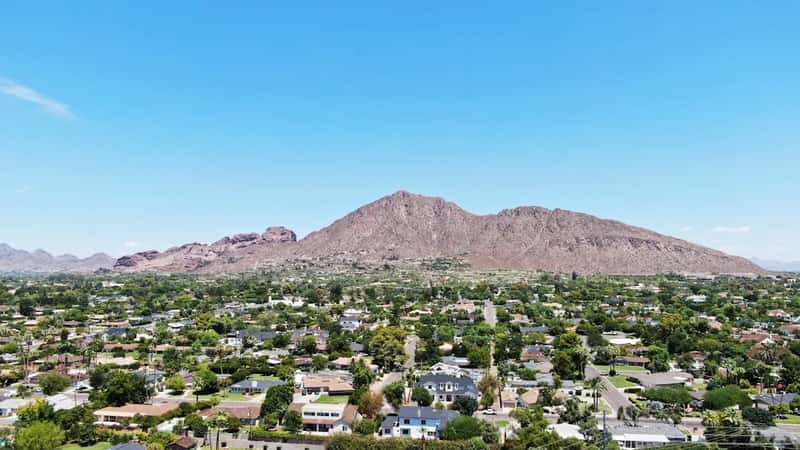
Not every quiet move crosses a border. Green Valley, a scenic unincorporated area made up of 130 mostly age-restricted retirement developments, was named one of 25 locales on Forbes’ Best Places To Retire In 2026 list. The appeal is straightforward: it’s a quiet, welcoming community of roughly 21,000 residents known for its laid-back atmosphere, strong sense of safety, and easy access to trails, parks, and classic Arizona mountain views.
Housing costs are a big part of the draw. Since 2020, the median price of single-family homes nationwide has risen 50% to $409,000, but in Green Valley it sits at just $282,000. The median age here is in the low 70s, so it’s easy to connect with people at the same stage of life, and the town has been quietly building this reputation since the 1960s rather than marketing itself loudly.
2. Vlorë, Albania
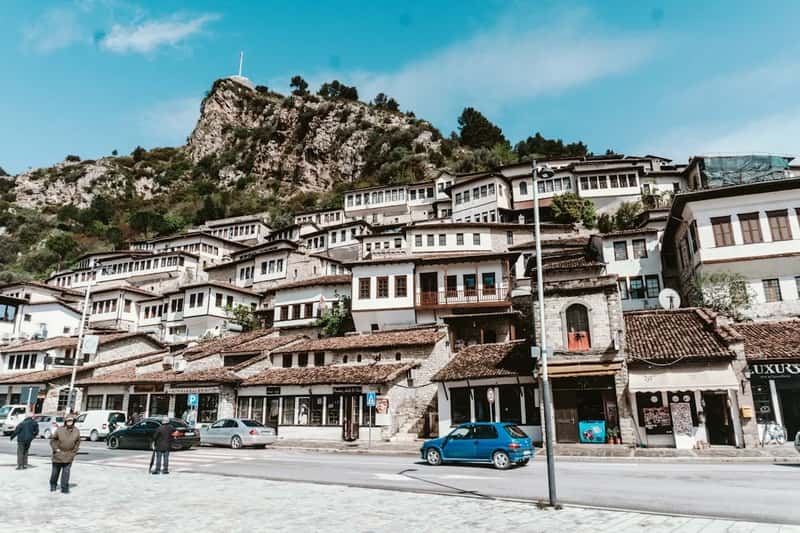
Albania is not a place most Americans could locate on a map a decade ago, and that’s exactly the point. Albania is a small country of 2.4 million people that didn’t shrug off Communist rule until 1992, yet it offers low costs, roughly half those in the U.S., and an atmosphere that’s drawing retirees away from more obvious European picks. The coastal town of Vlorë has become something of a quiet hub.
Retirees are paying just $1,100 a month for a three-bedroom apartment near the Lungomare Promenade, a lively three-mile-long café-studded walk along the Adriatic Sea. A one-year tourist visa gives newcomers plenty of time to look around and decide whether to apply for a longer stay, which makes Albania a low-risk way to test out life abroad before committing further.
3. The Algarve, Portugal
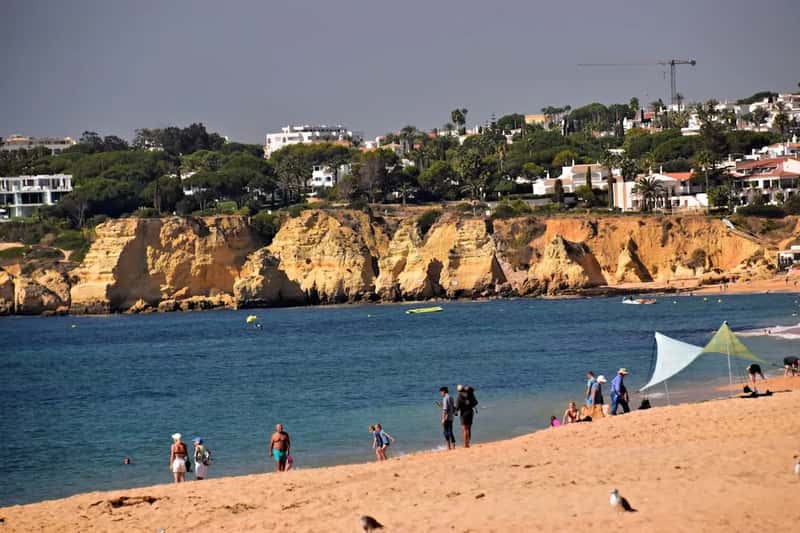
Portugal has been on retirement lists for years, but the real movement now is toward its southern coast rather than Lisbon. In the Algarve, retirees are finding rents about 60% lower and groceries roughly 40% cheaper compared to US cities. That kind of gap adds up fast over a full retirement.
Getting there legally has also gotten simpler. Portugal offers the easiest retirement visa for US citizens, with its D7 Retirement Visa requiring a passive income of just around €920 per month. Processing takes six to nine months in 2026, and the visa can eventually lead to permanent residency and Portuguese citizenship, giving retirees a clear long-term path rather than a temporary workaround.
4. Boquete, Panama
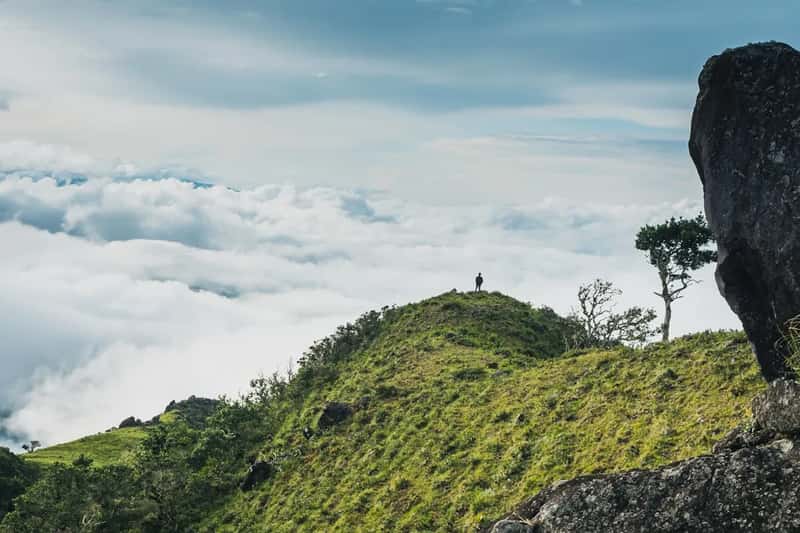
Panama has long attracted attention for its Pensionado visa, but Boquete specifically appeals to retirees who want mountains instead of humidity. Boquete sits in Panama’s highlands at roughly 3,900 feet, which gives it a spring-like climate year-round while the coast bakes. That elevation makes a real difference for anyone who finds tropical heat exhausting.
Cost comparisons help explain the appeal too. The monthly cost for a single person, not including rent, runs around $800 in Panama compared to $1,166 in the U.S. on average. Panama, along with Uruguay, also doesn’t tax foreign-sourced income, which matters for anyone living off pensions or investment income from back home.
5. Lake Chapala, Mexico

Mexico has quietly served as the default overseas retirement destination for American retirees for decades, and Lake Chapala remains its quietest corner. It sits just three hours from the US, with low rents and strong expat networks already in place. That established infrastructure, decades of expats before you, makes the transition smoother than starting from scratch somewhere newer.
The rules have shifted somewhat, though. For decades, Mexico was the most popular destination for US retirees, but by 2025 new income requirements of $4,200 per month for temporary residency and $7,000 for permanent residency made it unattainable for many relying solely on Social Security. Retirees with pensions or savings beyond Social Security alone still find Lake Chapala workable, even as the entry bar has risen for others.
6. Crete, Greece

Greece topped the 2026 Global Retirement Index for the first time in its 35 year history, and Crete is where much of that quiet American interest has landed. Crete is an affordable place to live, and because the island is so big, there’s enough room for budget flexibility, with rent outside the cities running as little as $500 per month. That size gives newcomers options that smaller Greek islands simply can’t offer.
There’s also an unusual military connection. While most expats on Crete are older folks from the U.K. and Germany, there’s also a fairly large community of American expats because of the U.S. naval base in Souda Bay, made up of 350 commissioned and enlisted personnel. Greece overall offers 300-plus sunny days a year and living costs around one-third of what many Americans pay back home, a combination that’s hard to ignore once you’ve seen the numbers.
7. Montevideo and rural Uruguay

Uruguay rarely gets the attention Costa Rica or Mexico receive, which is part of why it’s become a quiet favorite among retirees who value stability over buzz. Uruguay ranks 43rd out of 163 countries on the 2026 Global Peace Index, making it the safest country in South America. For retirees prioritizing safety above almost everything else, that ranking carries real weight.
Healthcare and taxes sweeten the deal further. The country’s mixed public-private Mutualista system covers over 70% of the population, offering affordable plans of roughly $70 to $150 per month for expats. Uruguay also offers a territorial tax system where new residents get an 11-year tax holiday on most foreign-sourced income, which for retirees living off pensions and investments abroad can mean a meaningfully lighter tax burden for over a decade.
8. Penang, Malaysia
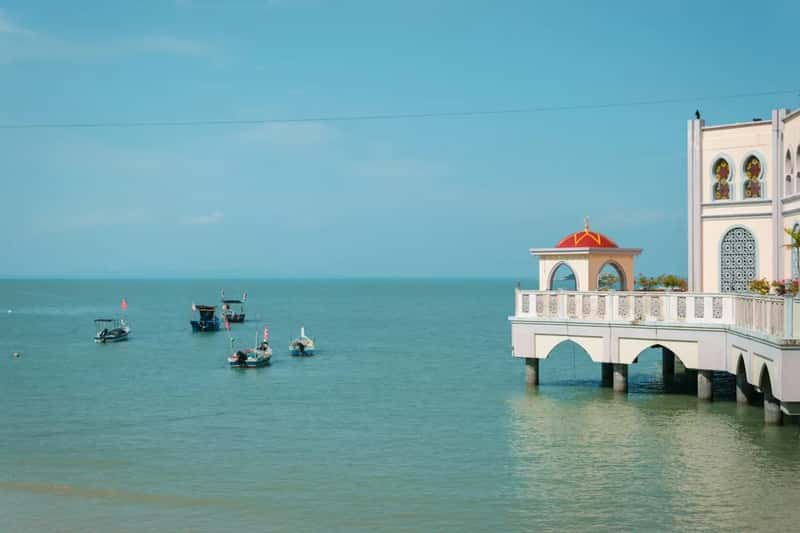
Southeast Asia doesn’t come up often in American retirement conversations, but Penang has been quietly building a loyal following. Malaysia’s My Second Home program provides 10-year renewable visas for retirees, and Penang offers UNESCO heritage charm with beach access, while English-language capabilities make daily life easier for Western newcomers. The visa length alone, a full decade, gives retirees a level of stability that shorter-term permits elsewhere can’t match.
Healthcare costs are the real headline here. Malaysian healthcare combines British-trained medical professionals with modern facilities at costs 70 to 85% below US levels, with comprehensive health insurance costing only $100 to $200 annually. For retirees worried about medical bills eating into fixed incomes, that gap between Malaysian and American healthcare pricing is often the deciding factor.
None of these eight places show up on glossy travel brochures the way Paris or the Cayman Islands might. That’s rather the point. The retirees choosing them are running spreadsheets before they’re booking flights, weighing visa timelines against healthcare systems and rent averages against Social Security checks. What connects Green Valley to Vlorë to Penang isn’t glamour. It’s a quieter kind of math that adds up to more freedom, less financial strain, and, for a growing number of Americans, a retirement that looks nothing like what their parents imagined.