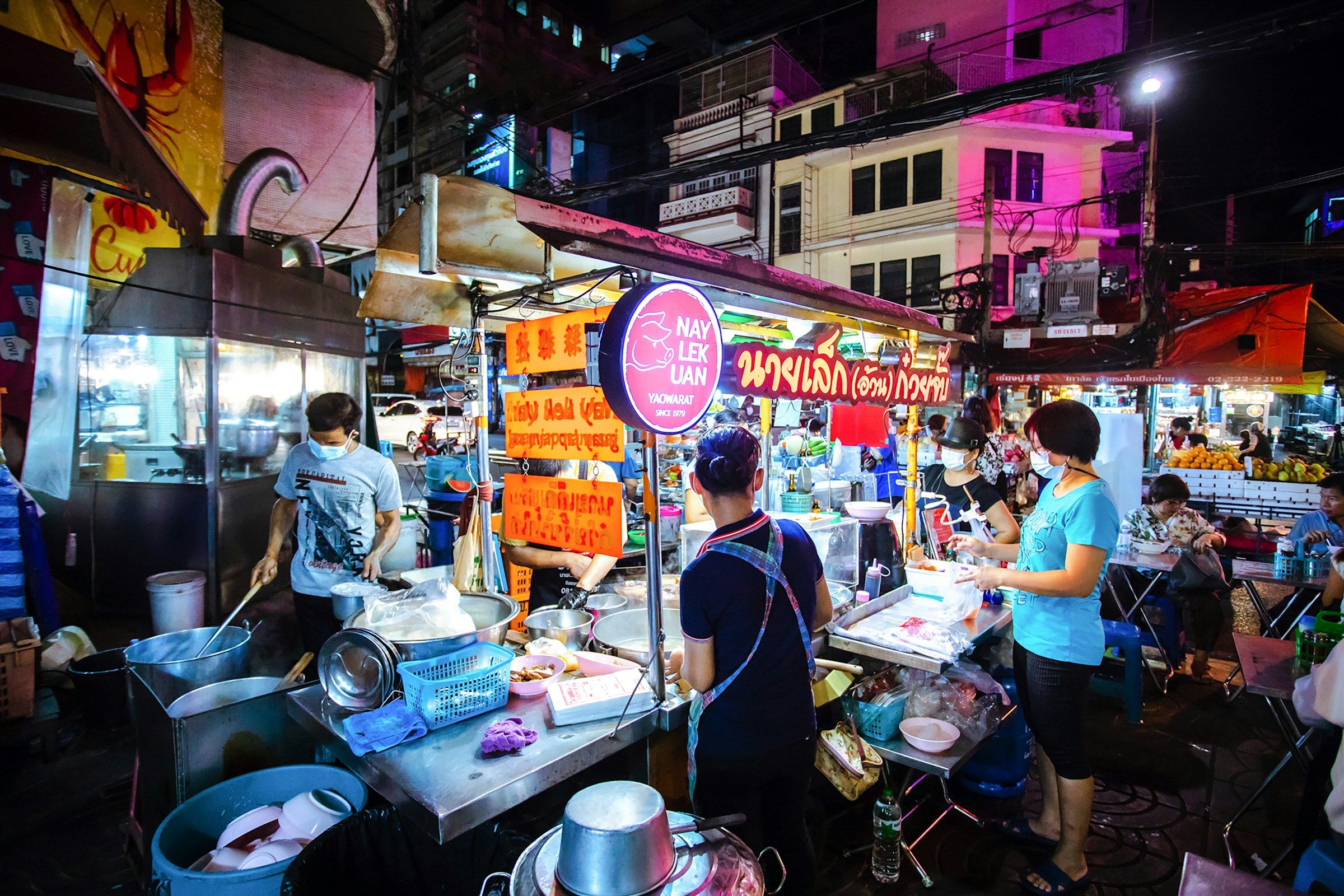
Bangkok doesn’t really separate eating from walking around. A plastic stool on a pavement, a wok spitting flames, a handwritten price sign: that’s often the whole restaurant. Many visitors arrive expecting cheap snacks and end up planning entire days around a single bowl.
The city’s reputation has also caught the attention of the Michelin Guide. Most of Bangkok’s well known street stalls sit in the Bib Gourmand category rather than holding a star.[1] Below are eight dishes worth seeking out, with some practical detail on where to find them and what they tend to cost.
Pad Thai, the Dish Everyone Knows
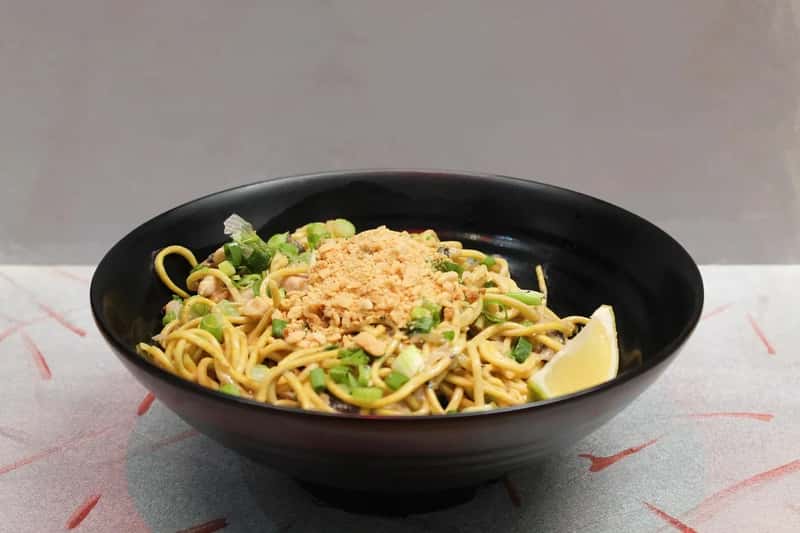
Pad thai is the most internationally recognized Thai dish, though locals often steer visitors toward other things first.[2] It’s still worth eating once on home turf, where the noodles are stir fried to order and the flavor is sharper than the versions abroad. The famous name is Thipsamai near the Giant Swing, where the noodles come wrapped in a thin egg net.[3]
At an ordinary cart, pad thai often costs about fifty to eighty baht.[4] In tourist areas, the same plate might run eighty to one hundred twenty baht or more.[4] Prices climb further if you add prawns or extra toppings.
Boat Noodles in Tiny Bowls
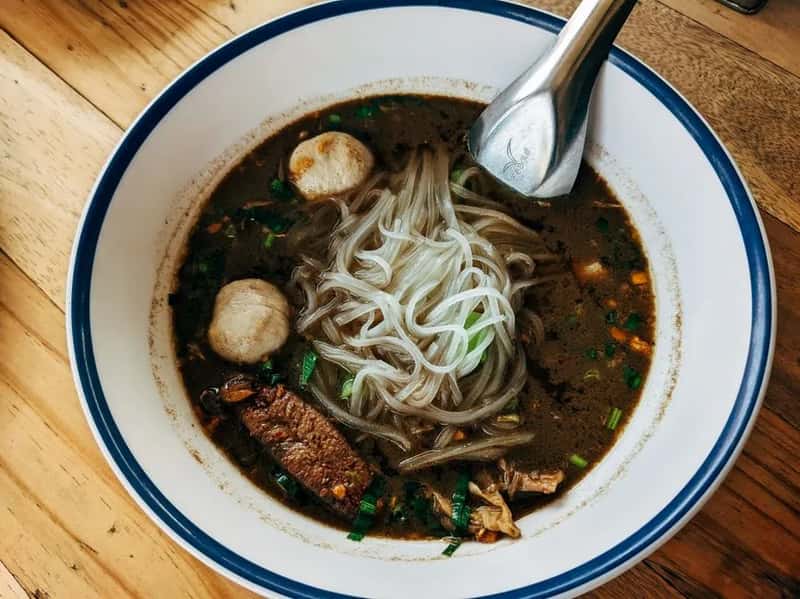
Boat noodles are small, intensely flavored bowls of noodle soup, traditionally sold from boats along the canals.[2] Since each bowl is only a few mouthfuls, the usual approach is to order several rounds. Boat Noodle Alley by Victory Monument is a popular spot, where diners stack the empties as they go.[3]
Prices are low, though sources differ on the exact figure. One 2025 guide puts a bowl at about fifteen to twenty baht,[5] while another suggests around forty baht.[6] Location and portion size probably explain most of the gap.
Moo Ping for a Morning Start
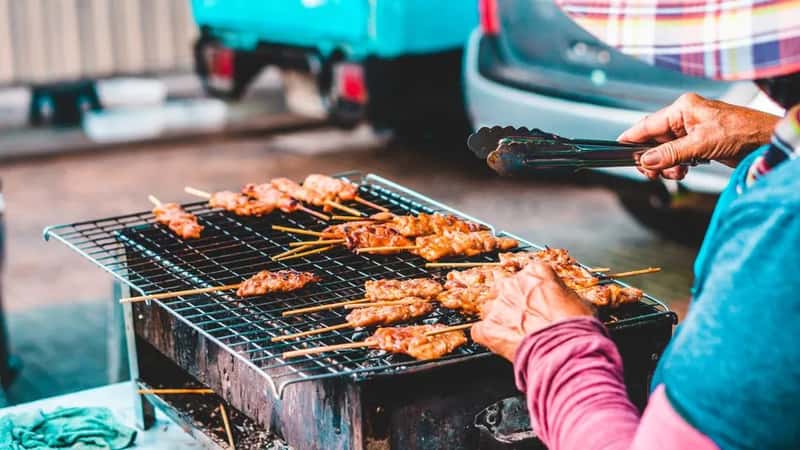
Moo ping is charcoal grilled pork skewers marinated in a sweet, garlicky sauce, and a common breakfast item eaten straight off the stick.[2] You’ll spot the smoke from a distance, especially near morning markets. It’s one of the easiest things to try if you’re still finding your feet with Thai flavors.
The skewers are cheap enough to experiment with. A small curbside skewer may cost ten to fifteen baht.[4] Many vendors serve them with sticky rice.[7]
Som Tam, Green Papaya Salad with a Kick
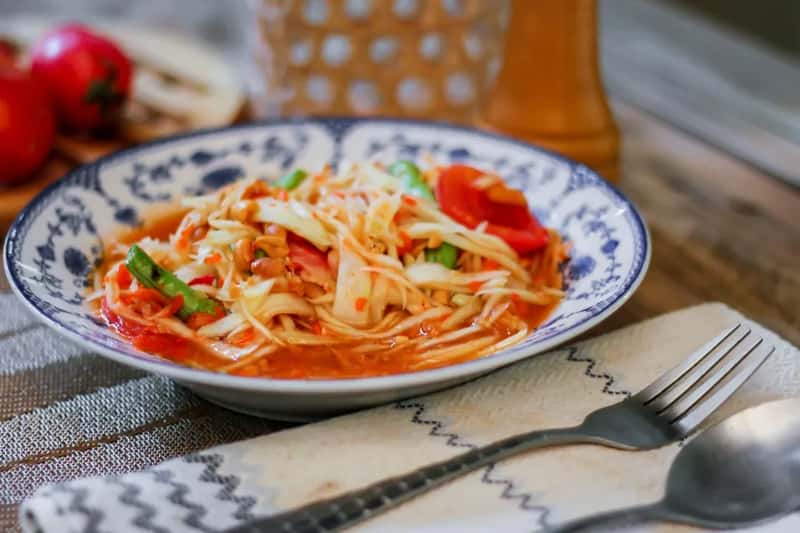
Som tam is pounded to order in a mortar, usually with chili, lime, and fish sauce. It’s bright, sour, salty, and often very spicy, which makes it a good counterweight to richer street dishes. Travelers who can’t handle much heat can simply ask for less chili when ordering.
It’s a staple of the cheap eats list, with typical prices in the range of forty to sixty baht.[8] A classic pairing is Isaan style grilled chicken, often served with sticky rice and som tam.[2] Together they make a full lunch for very little money.
Khao Man Gai, Chicken Rice Done Right
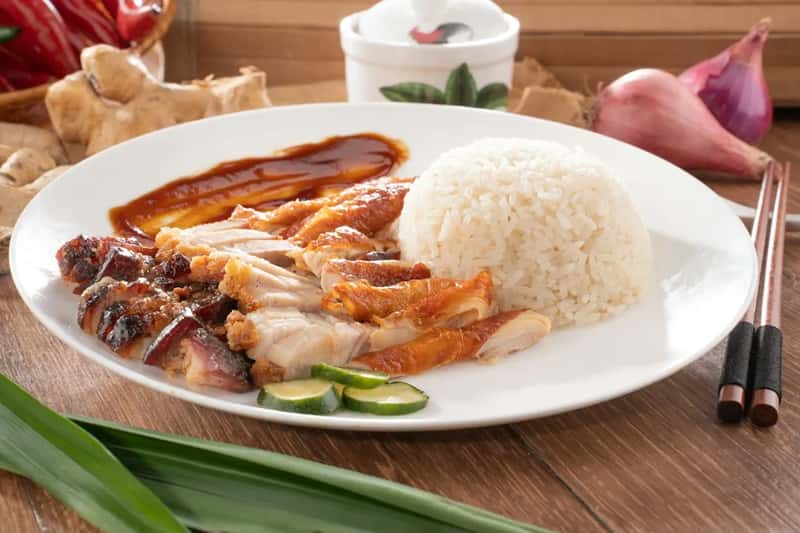
Chicken rice looks plain, and that’s part of its charm. Go-Ang Kaomunkai near Pratunam Market is a good example. It has served Hainanese style chicken rice for decades and holds a Michelin Bib Gourmand.[9]
The appeal comes from simple things done carefully. Tender poached chicken sits on fragrant rice cooked in chicken broth, with a spicy dipping sauce on the side.[9] It’s a reliable pick when you want something gentle after a few fiery meals.
Guay Jub in Yaowarat
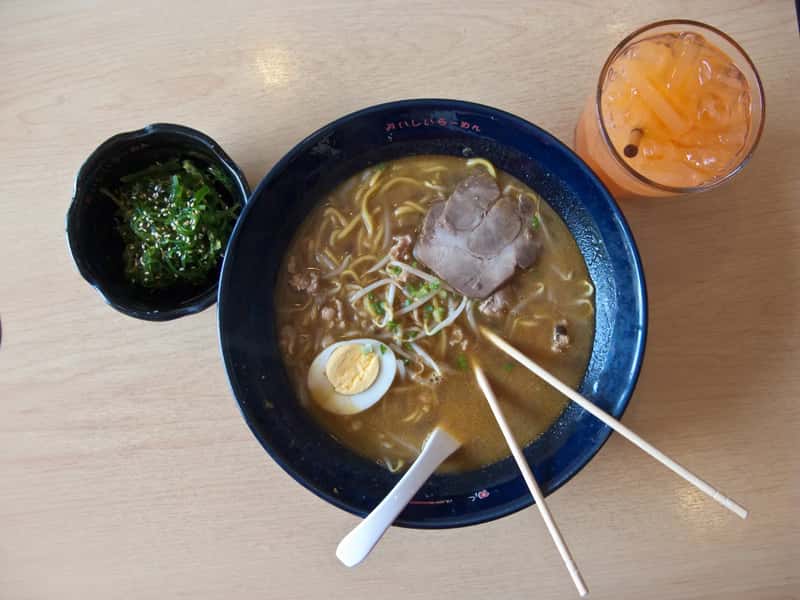
Guay jub is a Chinatown favorite. It’s a peppery rolled rice noodle soup with crispy pork, found in Yaowarat.[3] The noodles curl into little scrolls as they cook, and the broth leans heavily on white pepper.
One well known address is Nai Ek Roll Noodle, a Bib Gourmand favorite known for this peppery soup with crispy pork.[10] Adventurous eaters might also try the related kway chap, a peppery, dark broth soup with rolled rice noodle sheets and toppings such as pork offal, egg, and tofu.[2]
Crab Omelette at Jay Fai
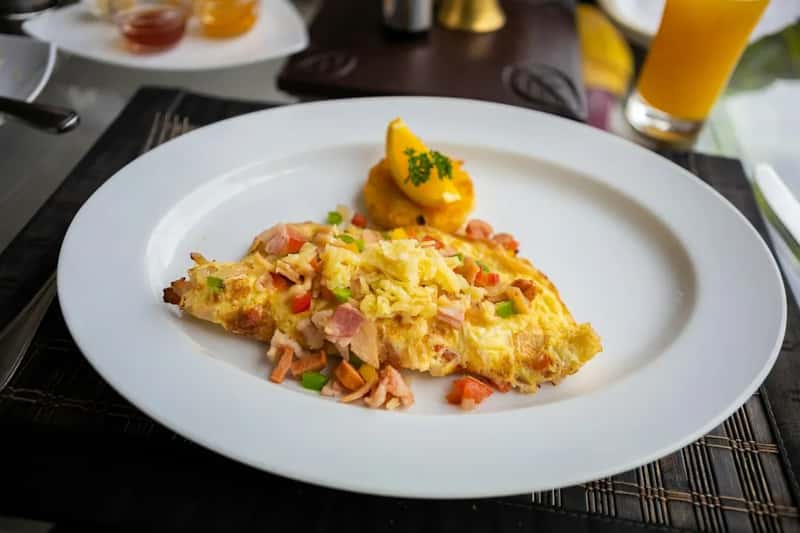
This is the splurge. Jay Fai made history as the first Bangkok street food vendor to receive a Michelin star.[9] Her thick crab meat omelette is cooked over charcoal, and diners should expect higher prices and longer waits than at a typical stall.[11]
Planning matters here. One 2026 guide lists the opening hours as Wednesday to Saturday, from 9:30 am to 7 pm, closed Sunday to Tuesday.[11] Hours can change, so check before you make the trip.
Mango Sticky Rice for Dessert
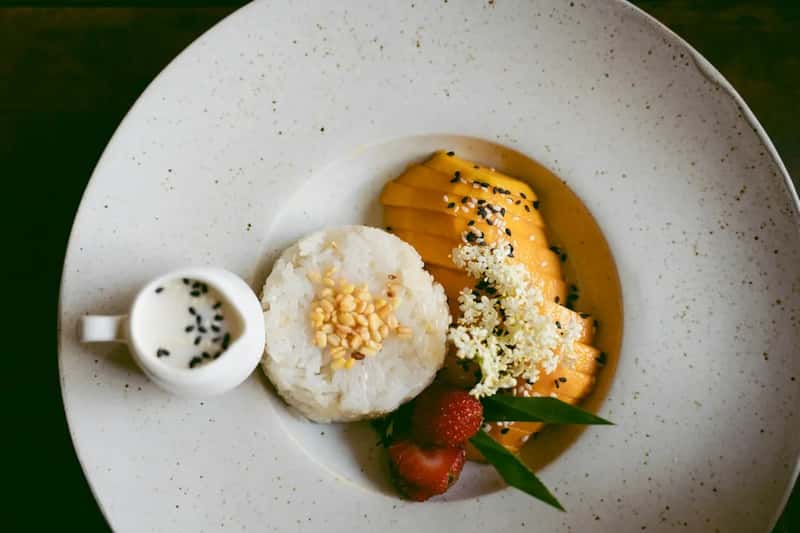
The dessert most travelers remember is simple: glutinous rice served with fresh mango and coconut cream.[7] Timing helps. One guide recommends Mae Varee at the mouth of Thonglor, best from March to June when the mangoes peak.[3]
Prices vary by area. A local range of fifty to eighty baht is common,[8] while tourist area servings can cost more, with some reaching about one hundred twenty baht.[4] It’s still one of the better value sweets in the city.