Ask a well-traveled food critic where they book their next flight, and you rarely hear the answer out loud in public. Best-of lists get published with fanfare, yet the cities that actually pull restaurant reviewers back again and again tend to be the ones doing quiet, consistent work rather than chasing headlines. These are capitals where the street food is as serious as the tasting menus, where chefs push regional identity instead of copying trends, and where the concentration of talent simply makes the trip worthwhile.
What follows isn’t a ranking of the “best” food cities in some abstract sense. It’s a look at eight capitals that keep showing up in critics’ notebooks, supported by the kind of hard evidence that matters in this business: Michelin counts, World’s 50 Best placements, and cultural recognition that doesn’t fade with a news cycle.
1. Tokyo, Japan
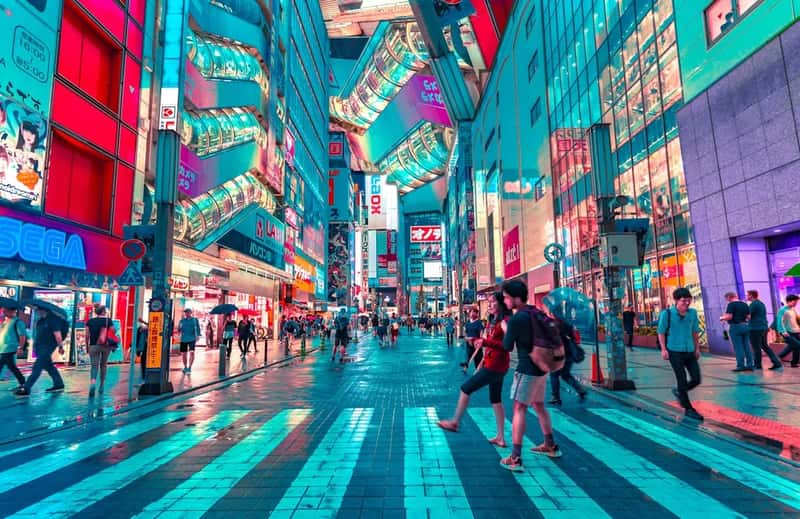
No city on earth comes close to Tokyo when it comes to sheer density of culinary excellence. As of February 2026, the city with the most Michelin stars in the world is Tokyo, with 194 Michelin-starred restaurants holding a combined 251 stars, more than any other city on the planet.[1] That gap isn’t small either, since Paris, by comparison, comes in close second with 123 restaurants and 160 stars.[1] For critics, that kind of density means a single trip can cover an astonishing range of styles, from centuries-old kaiseki counters to experimental tasting rooms.
What keeps reviewers coming back isn’t just the star count, though. Tokyo also leads the world in three-star restaurants, Michelin’s most coveted rating.[1] The city’s obsessive culture around craft, where a single sushi chef might spend years perfecting rice temperature alone, gives critics material that simply doesn’t exist elsewhere in the same volume. It’s the kind of place where you can eat at a twelve-seat counter one night and a sprawling multi-course showcase the next, and both feel equally essential.
2. Paris, France
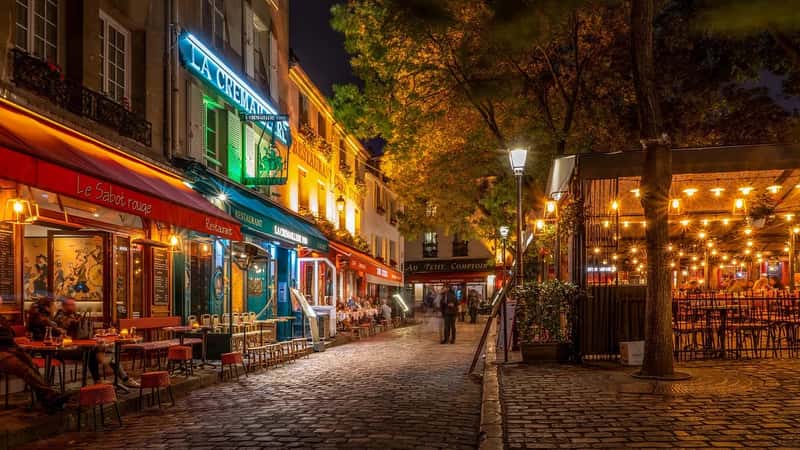
Paris remains the reference point against which every other food capital gets measured, even as newer cities climb the rankings. The French capital holds 123 Michelin-starred restaurants and 160 stars in total[1], a number that still places it firmly among the top two cities worldwide. Beyond the count, France continues to lead in 3-star establishments globally, with 31 restaurants holding Michelin’s top rating.[2] That’s a statement about depth, not just quantity.
Critics keep returning to Paris because the city refuses to stand still, even with all that history behind it. Bistronomy, natural wine bars, and a new generation of chefs blending North African, Southeast Asian, and classic French techniques have kept the scene from calcifying into a museum piece. The old guard of grand maisons still commands respect, but it’s the tension between tradition and reinvention that gives reviewers something fresh to write about every visit.
3. Lima, Peru
Lima has spent the better part of two decades quietly building a case as South America’s most serious food city, and in 2025 that case became undeniable. Maido was named the best restaurant in the world at The World’s 50 Best Restaurants ceremony in Turin, led by chef Mitsuharu “Micha” Tsumura and championing Nikkei cuisine, the fusion of Japanese and Peruvian flavors.[3] That win wasn’t a fluke either, since the restaurant had previously topped the Latin America’s 50 Best Restaurants list four times.[3]
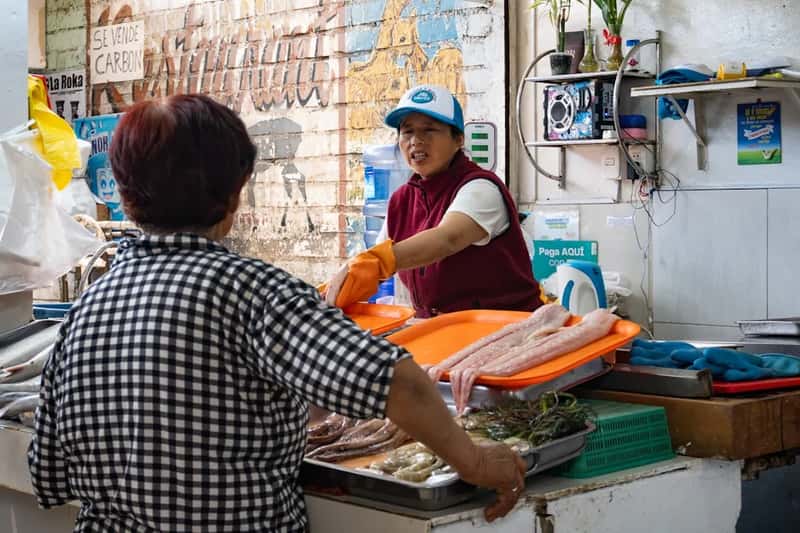
Critics gravitate to Lima because the city offers something rare: a genuinely original cuisine built from the ground up, drawing on Andean ingredients, Amazonian produce, and immigrant traditions that reach back generations. The ceviche stalls and anticucho carts matter just as much as the tasting menus here, and reviewers who take the city seriously tend to spend as much time in the markets as they do in dining rooms. It’s a place where research trips genuinely change how people think about what Latin American food can be.
4. Bangkok, Thailand
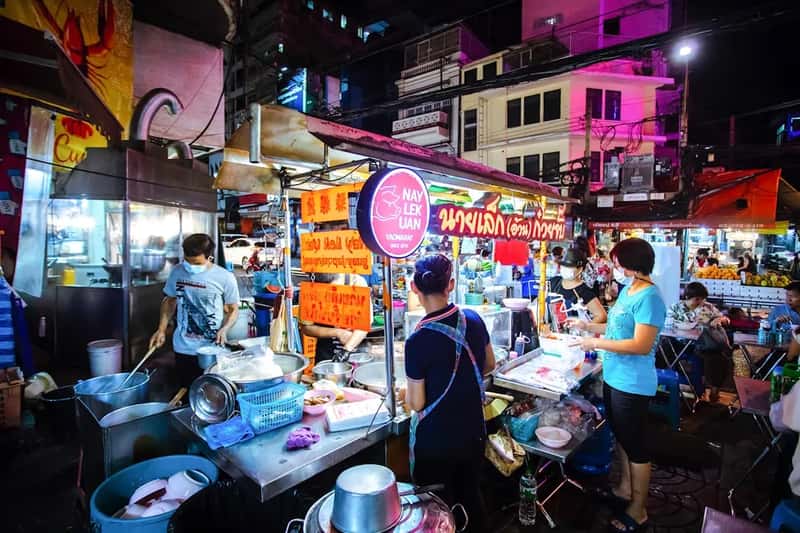
Bangkok occupies a strange and wonderful position in the food world, sitting at the intersection of legendary street food and increasingly ambitious fine dining. In 2025, that duality was on full display when Gaggan took the top spot on Asia’s 50 Best Restaurants list[4], cementing Bangkok’s reputation beyond its famous curb-side kitchens. The city’s standing was reinforced further by the fact that Tokyo and Bangkok tied for the most restaurants on the list, with nine each.[4]
What makes Bangkok a critic’s city is the refusal to separate high and low dining into different conversations. A reviewer might spend a morning eating boat noodles from a cart, then close out the evening at a tasting counter that reinterprets those same regional flavors with technical precision. That constant dialogue between street and fine dining is rare, and it’s exactly the kind of narrative that keeps food writers returning to Bangkok rather than treating it as a one-time stop.
5. Singapore
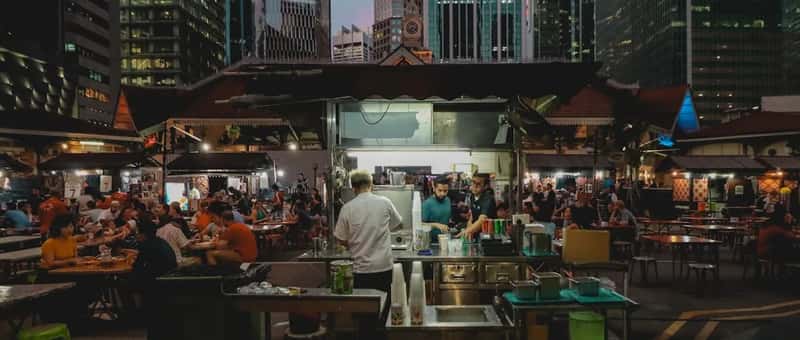
Singapore earned something no other city on this list can claim: global cultural recognition for its everyday food culture rather than its tasting menus. The country led a successful campaign to have hawker culture inscribed on the 2020 UNESCO Representative List of the Intangible Cultural Heritage of Humanity.[5] That’s not a restaurant award, it’s a statement about the value of a whole system of cooking and community.
The Michelin Guide has followed suit in its own way, and the results genuinely surprise first-time visitors. The standard of food is so high that many hawker stalls feature on the Michelin Bib Gourmand list, and several have achieved Michelin stars outright, likely making them the cheapest Michelin-starred meals in the world.[6] With more than 100 hawker centers throughout Singapore serving Chinese, Malay, Indian, and other cuisines side by side[7], critics find an unmatched laboratory for studying how multicultural food traditions coexist and elevate one another in a single, compact city.
6. Seoul, South Korea
Seoul’s rise on the global dining stage has been fast and well documented. The city hit a milestone in 2024 when Mingles became Seoul’s first three-star restaurant, a status it has held into 2026[8], run by chef Mingoo Kang and built around modern interpretations of fermented Korean staples. The broader numbers back up the momentum, since the 2026 MICHELIN Guide Seoul & Busan awarded a total of 233 restaurants, including 42 Michelin stars in Seoul alone.[8]
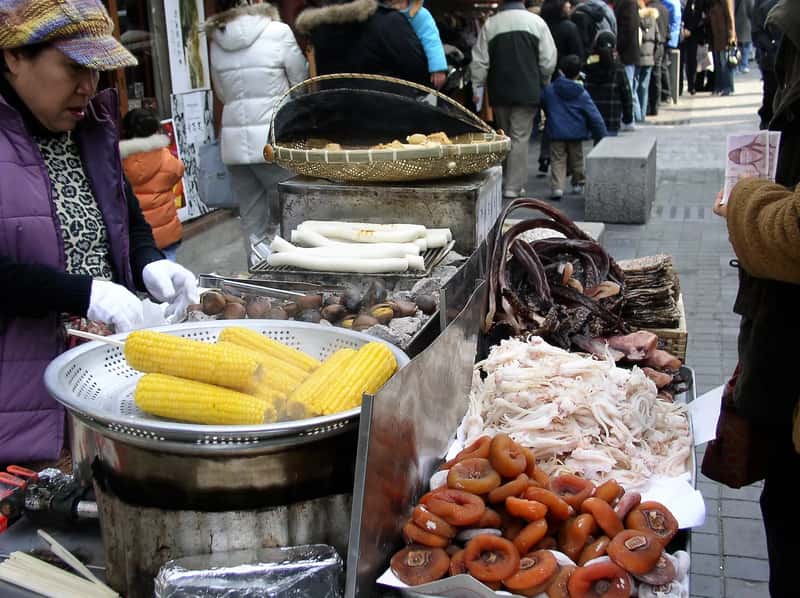
Critics who visit Seoul regularly point to the speed of change as the real draw. New chefs are reworking banchan, gochujang, and grain-based dishes into formats that feel genuinely inventive rather than borrowed from Western fine dining templates. Add to that a street food culture built around late-night alleys serving kalguksu and tteokbokki, and you get a city that rewards repeat visits because it simply doesn’t sit still between guide editions.
7. Mexico City, Mexico
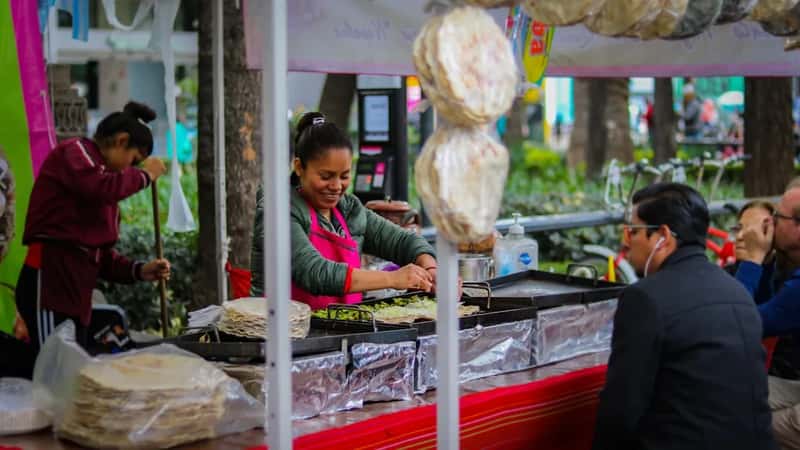
Mexico City has long been an obsession for critics who care about depth over polish, and the reasons are almost entirely rooted in the markets. The city’s mercados function as living archives of regional Mexican cooking, where cooks from Oaxaca, Puebla, and the Yucatán bring recipes that rarely make it onto printed menus elsewhere. That kind of raw, regional variety is difficult to fake, and it’s exactly why food writers treat a trip to Mexico City as research rather than tourism.
The fine dining side of the city has matured considerably over the past decade too, with chefs increasingly building tasting menus around native corn varieties, wild greens, and pre-Hispanic ingredients rather than imported European technique. Reviewers who once visited for tacos al pastor now find themselves equally drawn to ambitious dining rooms that treat Mexican ingredients with the same rigor once reserved for French or Japanese cuisine. The combination of street-level authenticity and rising culinary ambition is a rare pairing, and it’s one Mexico City wears comfortably.
8. Copenhagen, Denmark
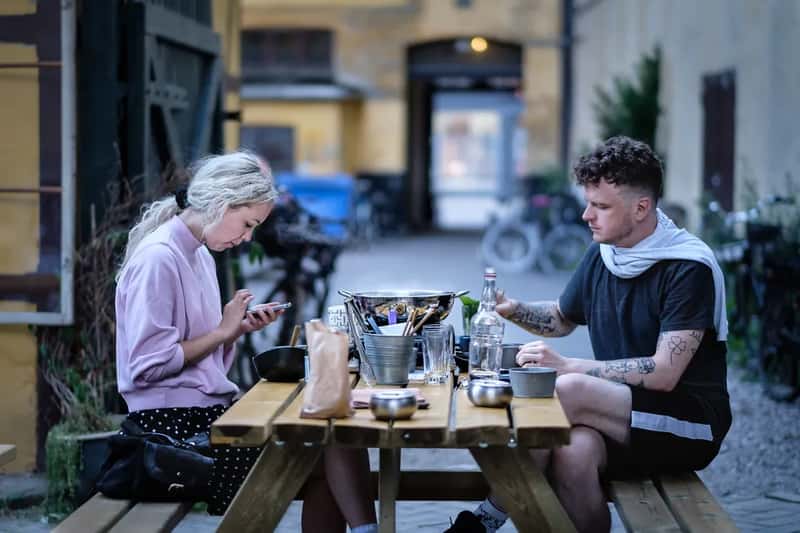
Copenhagen changed the direction of global fine dining more than a decade ago with the New Nordic movement, and critics still treat the city as essential precisely because that influence hasn’t faded. The push toward foraged, seasonal, and hyper-local ingredients that started here reshaped how chefs think about cooking on nearly every continent. That legacy alone would justify repeat visits, but the city keeps adding new names to the conversation as well.
The 2025 World’s 50 Best Restaurants extended list reflected that continued evolution, with Koan entering the ranking as a new addition, led by chef-patron Kristian Baumann and built around a Zen Buddhist philosophy of open-minded inquiry.[9] For critics, Copenhagen offers something increasingly rare in the food world: a city small enough to cover thoroughly in a few days, yet influential enough that a single visit can shape how they write about restaurants everywhere else for months afterward.
Why These Cities, and Not Just the Obvious Ones
What ties these eight capitals together isn’t luxury or prestige alone. It’s the combination of measurable excellence, whether that’s Michelin stars, World’s 50 Best rankings, or UNESCO recognition, paired with food cultures that keep evolving rather than resting on reputation. Critics don’t need to announce these trips because the destinations speak for themselves once the work gets published.
The next time a major food publication drops a list of “hidden gems” or “rising stars,” it’s worth remembering that the real research often happens quietly, city by city, plate by plate, long before anyone reads the final review. These eight capitals aren’t secrets exactly, but they’re the ones doing the heavy lifting behind the scenes of global food journalism, one unannounced flight at a time.