Plenty of travelers pack a phrasebook out of habit, assuming that any destination outside the usual English-speaking circuit will require some linguistic gymnastics. Reality often looks different. In a surprising number of places, from African capitals to European coastlines, English has quietly become the language that gets things done, whether at a hotel counter, a market stall, or a government office.
Some of this comes down to colonial history, some to modern education policy, and some to the simple pull of global tourism and business. Whatever the cause, the countries below tend to catch visitors off guard, in a good way.
Rwanda
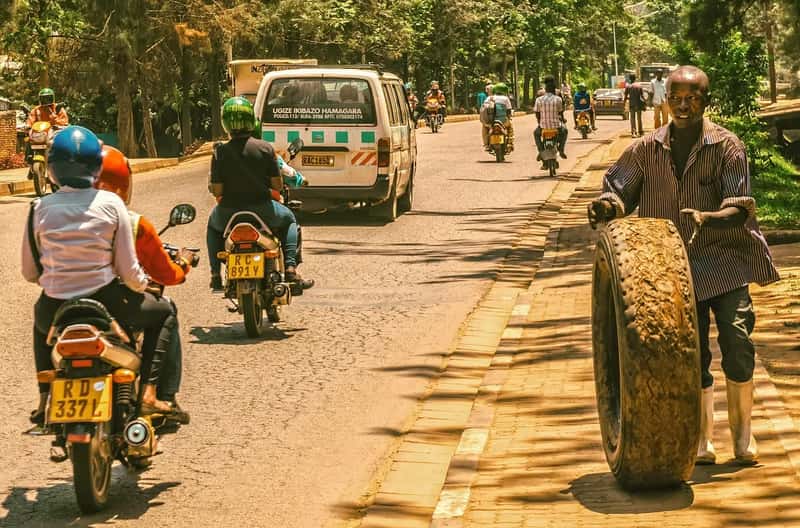
Rwanda is often filed under “French-speaking Africa” in travelers’ minds, a holdover from decades of Belgian colonization. That assumption is increasingly outdated. English is the sole medium of instruction from primary school through university and serves as the primary working language in government and business. The shift accelerated after Rwanda joined the East African Community and the Commonwealth, cementing English as the practical language of daily administration.
For visitors, the effect is most noticeable in Kigali and around the country’s national parks. English is now the dominant language in Rwanda’s tourism, business, and education sectors, and all tourism professionals, guides, lodge staff, and airport personnel are expected to communicate competently in English. French still lingers among older generations and in some rural areas, but anyone sticking to hotels, safaris, and city restaurants will rarely need it.
Namibia
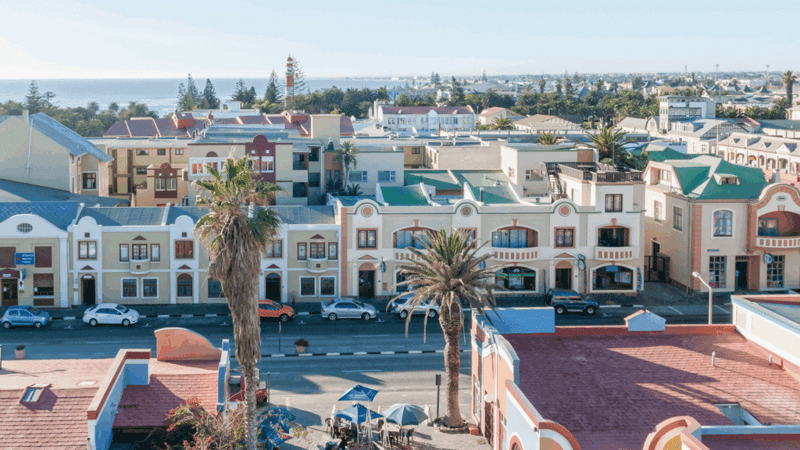
Namibia presents an odd puzzle on paper. English, spoken by just over 7% of the population, shares equal status with Oshiwambo as an official language. That small percentage might suggest English is hard to find, but it misses the point entirely, because English was chosen precisely to sit above the country’s many ethnic languages rather than to reflect any single community’s mother tongue.
English holds the distinct position as the sole official language of Namibia for governmental, administrative, and educational purposes, a decision made at independence to foster unity and serve as a neutral language in a linguistically diverse nation. In practice, this means road signs, museum placards, safari briefings, and hotel service across Windhoek and the desert lodges of Sossusvlei run smoothly in English, even though most locals grow up speaking Afrikaans, Oshiwambo, or one of several other home languages first.
Philippines
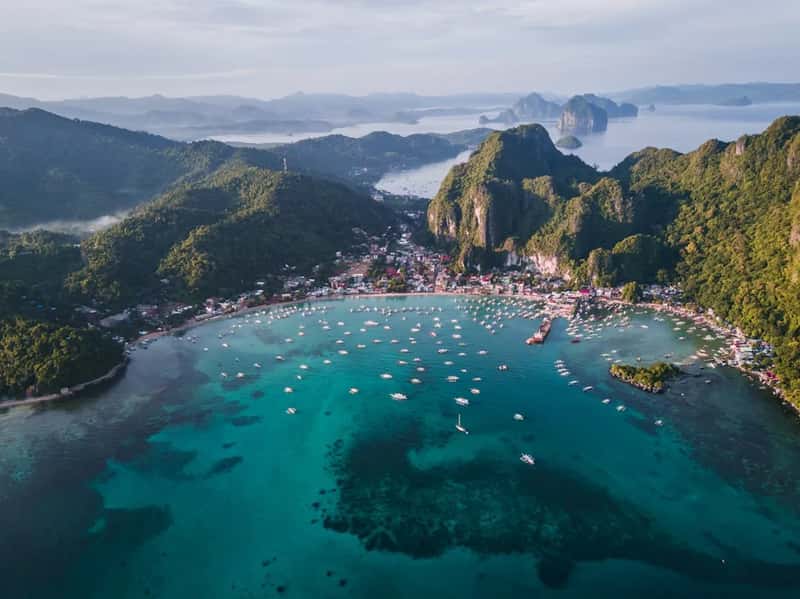
The Philippines rarely surprises seasoned Southeast Asia travelers, but first-timers sometimes brace for a Tagalog-only experience and find something entirely different waiting. The Philippines is the third-largest English-speaking country in the world, with over 90% of Filipinos understanding and speaking English as a second language. That figure traces back to American colonial-era schooling, which built English directly into the national curriculum.
English is used in all official government and private sector documents and other commercial communications, and has become prevalent among the younger generation because it is taught in schools and used in business, tourism, and other sectors. Menus, transport apps, tour guides, and even casual street conversation in cities like Manila or Cebu tend to slip into English without a second thought, often mixed with Tagalog in the same sentence.
Nigeria
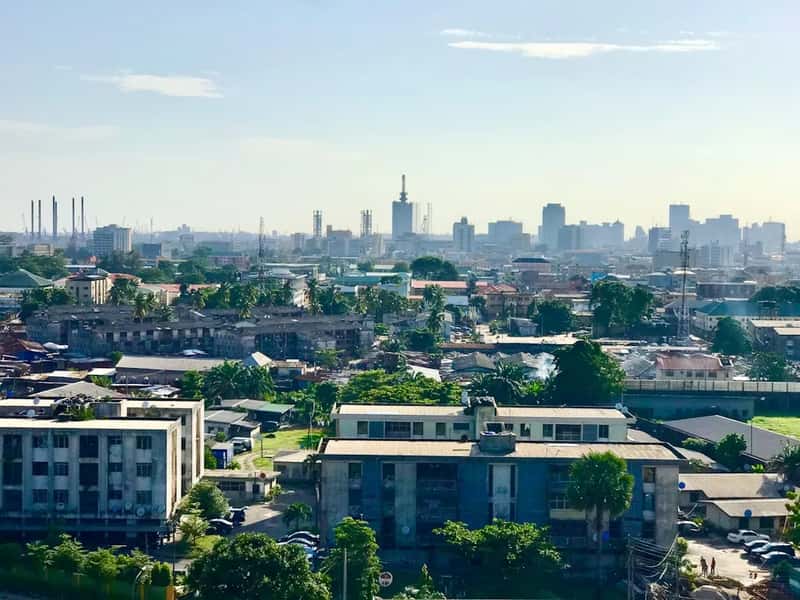
Nigeria’s linguistic map is genuinely overwhelming, with hundreds of local languages spoken across dozens of ethnic groups. Visitors sometimes assume this complexity will make communication a challenge, but the opposite tends to be true in practice. Nigeria is the most populous country in Africa and one of the most well-known African countries that speak English, where English is not only official but also the primary language in government, education, business, and media.
The scale here is worth noting. Estimates place the number of Nigerians who speak at least some level of English at more than 110 million. In Lagos and Abuja especially, English functions as the connective tissue between Yoruba, Hausa, Igbo, and dozens of smaller language communities, which means a visitor sticking to major cities will almost always find someone ready to switch into English without hesitation.
Malaysia

Malaysia’s multilingual reputation, Malay, Mandarin, Tamil, and countless dialects layered together, can make travelers assume they will need to lean on gestures and translation apps. The EF English Proficiency Index tells a different story. Malaysia sits at rank 24 among 123 countries and regions in the 2025 index, in the very high proficiency tier for the region.
Part of the explanation is structural rather than accidental. Malaysia follows closely behind the Philippines in the Asian rankings, benefiting from English-medium education systems and strong exposure through media and international work environments. Kuala Lumpur’s markets, Penang’s street food stalls, and Borneo’s ecotourism operators all lean on English as a practical bridge language, a legacy of British colonial administration that never really faded.
Portugal
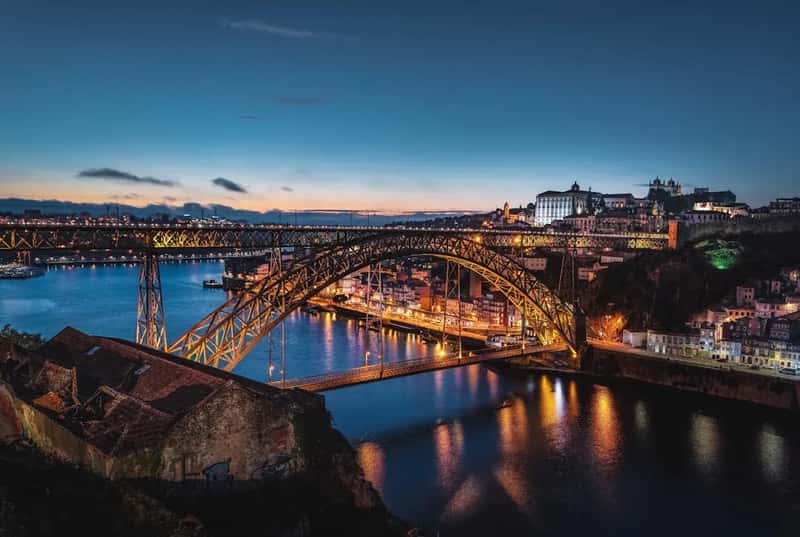
Southern Europe has a reputation, fair or not, for language barriers outside the biggest cities. Portugal quietly breaks that pattern. In the 2025 edition of the EF English Proficiency Index, Portugal ranks sixth out of 123 countries and regions, with a score of 612, placing it in the very high proficiency band.
That ranking puts Portugal ahead of countries more commonly associated with English fluency, including Sweden and Denmark. Lisbon and Porto in particular have absorbed a wave of remote workers and long-term visitors in recent years, which has only reinforced English as a second working language in cafes, coworking spaces, and rental offices, even as Portuguese remains firmly the language of home and community life.
Morocco
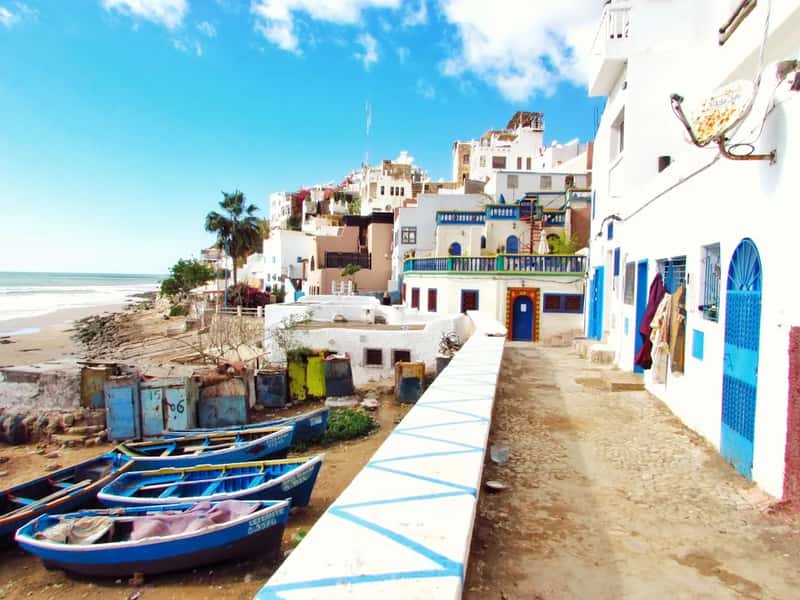
Morocco’s linguistic identity has long revolved around Arabic and French, a direct result of its colonial past. Younger Moroccans are rewriting that script, quietly but noticeably. How Moroccans use English is adapting very fast, as for years Arabic and French were the dominant languages, but now the youth are choosing something different, with English introduced at a younger age in private schools because of the growing influence of tourism, technology, and global business.
The proficiency numbers still trail Europe’s leaders, but the trajectory matters more than the raw score for travelers. Morocco’s EF EPI score demonstrates that English is improving in both Casablanca and Marrakech. Riad owners, tour guides, and shopkeepers in the medinas increasingly default to English with visitors who clearly aren’t French speakers, a shift that would have seemed unlikely a generation ago.
Croatia
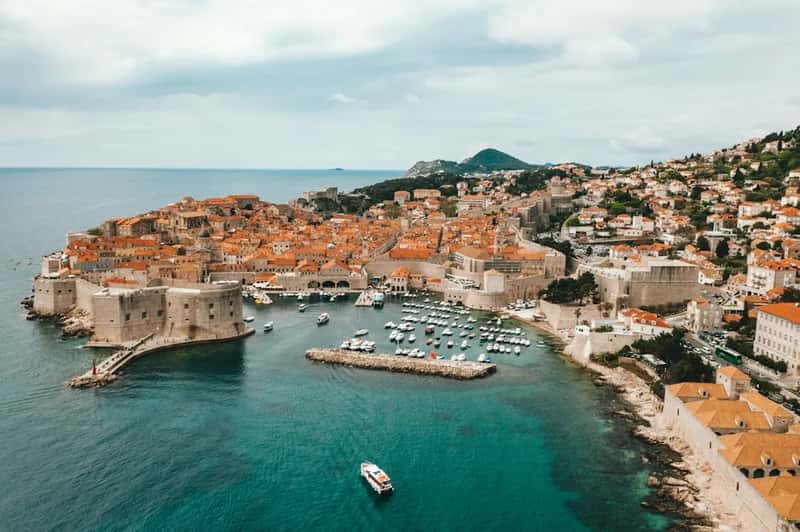
Croatia’s Slavic language and famously tricky grammar can make Adriatic-bound tourists assume they’re headed somewhere linguistically isolating. The numbers argue otherwise. Croatia ranks second out of 123 countries and regions in the EF EPI 2025, with a score of 617, just behind the Netherlands and ahead of Austria and Germany.
That places Croatia among the most English-proficient nations on the planet, a fact that rarely makes it into travel guides focused on Dubrovnik’s walls or Split’s waterfront. Younger Croatians in particular grew up with English-language television, music, and social media as a baseline rather than an afterthought, and it shows the moment a conversation with a hotel receptionist or ferry ticket agent begins.
Slovakia
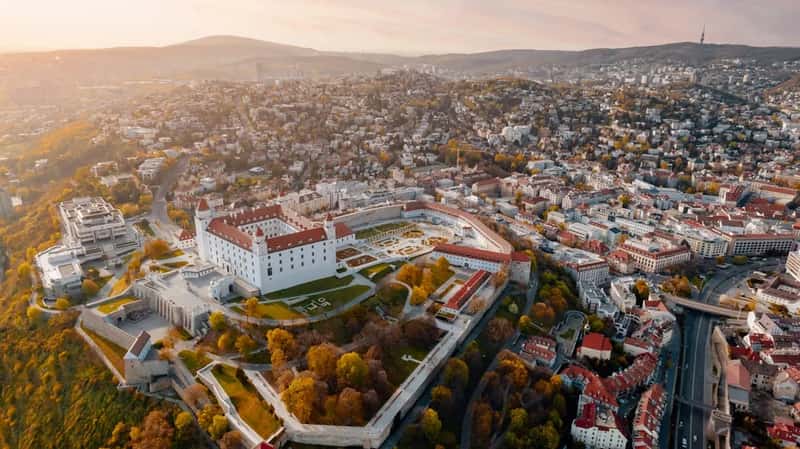
Slovakia rarely tops anyone’s list of English-friendly destinations, overshadowed by neighbors like Austria and the Czech Republic in most travel planning. Yet the country quietly outperforms plenty of better-known tourist hubs. Slovakia ranks tenth in the EF EPI 2025 with a score of 606, still within the very high proficiency band alongside Germany, Norway, and Sweden.
Bratislava, close enough to Vienna to feel almost like an extension of it, has built up a hospitality and business scene that leans heavily on English, partly through EU integration and partly through a young workforce educated with English as a near-mandatory second language. Smaller towns and the High Tatras mountain region lag a bit behind the capital, but even there, younger staff at guesthouses and ski lodges tend to manage English competently enough for ordinary travel needs.