Most people who scroll through social media, stream a show, or search for something online rarely think twice about whether they’re allowed to do it. Yet for hundreds of millions of people, every click carries a different kind of weight. In several nations, going online means navigating a maze of blocked platforms, government surveillance, and laws that can turn a simple post into a criminal offense.
North Korea: A Nation Almost Entirely Offline
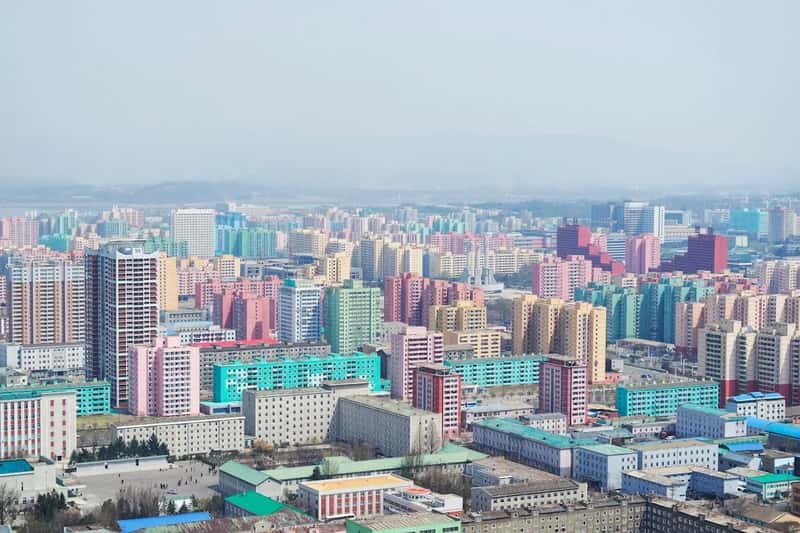
North Korea remains in a category of its own when it comes to digital isolation. Only the regime’s most trusted citizens can use the global internet, and the country scored 0 for internet freedom in recent rankings. The vast majority of the population instead uses a heavily monitored domestic intranet that offers none of the open access the rest of the world takes for granted.
Even basic communication tools are treated as security threats. VPN use is banned and highly punishable in North Korea, since all internet access is government controlled. The result is a country where the outside digital world essentially does not exist for ordinary residents.
China: The Architecture of the Great Firewall
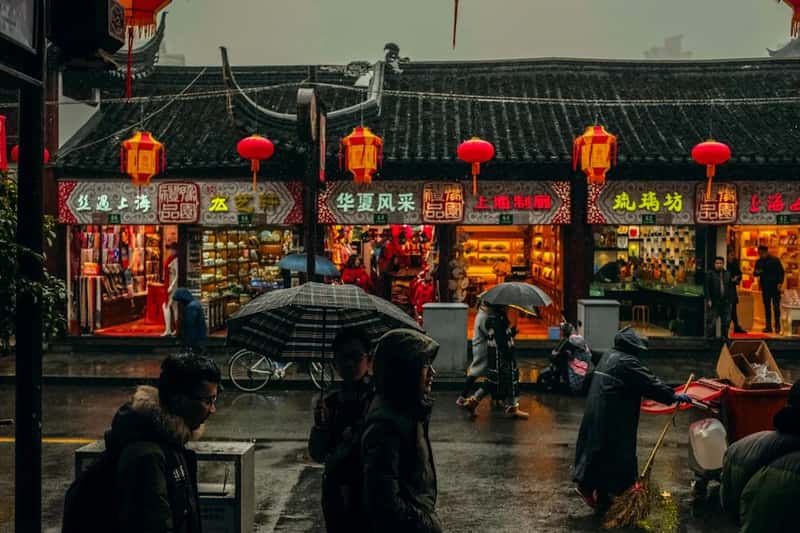
China’s approach to internet control is less about total blackout and more about total management. China’s Great Firewall now blocks virtually all Western platforms including Google, Facebook, Twitter (X), Instagram, and YouTube. In their place, the government has cultivated homegrown alternatives that are far easier to monitor and moderate.
Getting around these blocks is also legally risky. Only government licensed VPNs are allowed in China, and all others are considered illegal. Enforcement has grown more sophisticated too, with China’s Great Firewall actively detecting and blocking unauthorized VPN traffic using advanced technology.
Iran: Licensing Loopholes and Real Consequences
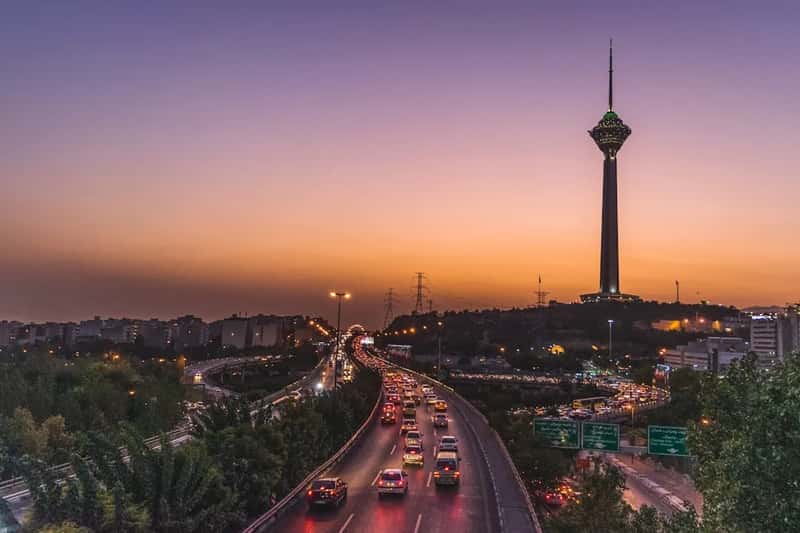
Iran controls its internet through a mix of legal requirements and technical filtering rather than a single blunt wall. VPN use is technically legal only if the service is government approved, and noncompliance may result in fines or arrest. This creates a system where the line between permitted and forbidden technology is often blurry and enforced unevenly.
The penalties for stepping outside those lines are far from symbolic. Iran imposes up to one year in prison for unauthorized VPN use, while China terminates internet accounts for similar violations. Iran has also had this framework in place for over a decade, since Iran has restricted unauthorized VPNs since 2013, requiring both providers and users to obtain government permits.
Turkmenistan: One Provider, One Voice
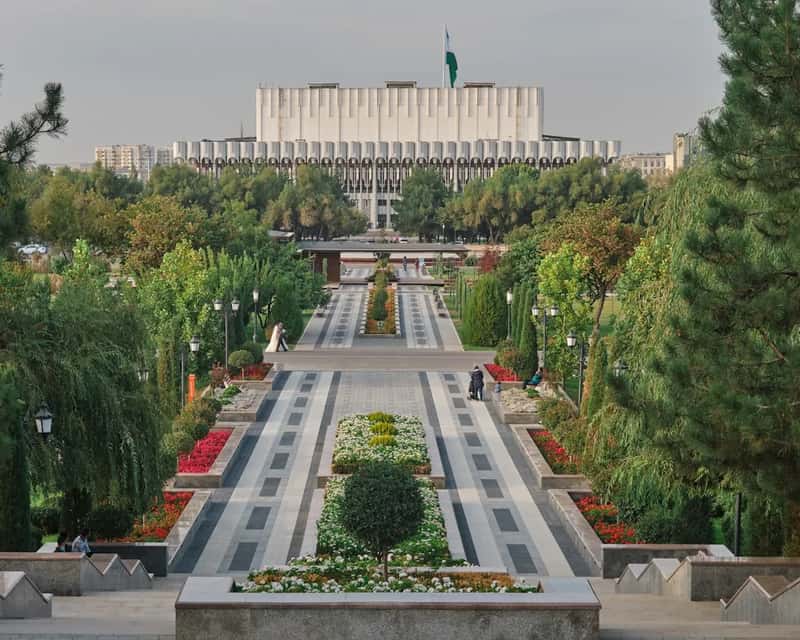
Turkmenistan often gets overlooked in conversations about internet censorship, but it may run one of the tightest systems on the planet. The country operates a total gagging of the internet through just one government-owned internet provider, a practice in place since 2001. That single point of control gives authorities near-complete power over what citizens can see and share online.
Social media access reflects this same tight grip. Popular platforms like Twitter, Facebook, and Instagram are blocked throughout the country. Circumvention tools offer little relief either, since Turkmenistan is among the small group of nations where VPNs are not just restricted but flatly illegal.
Myanmar: Restrictions Born From Political Upheaval

Myanmar’s internet landscape shifted dramatically following its political turmoil in recent years, and the restrictions have only deepened since. Myanmar is now classified among the high repression jurisdictions alongside mainland China, Russia, Iran, and Belarus. Access to independent information has become increasingly difficult for ordinary citizens caught in that environment.
Circumvention tools are treated as a direct threat by authorities there. Myanmar is one of seven countries with a full ban or block on VPN use, alongside China, Iran, Iraq, North Korea, Turkmenistan, and Russia. This puts the country firmly among the small handful of nations willing to criminalize the very tools people use to reach the open internet.
Russia: Escalating Controls Since 2022
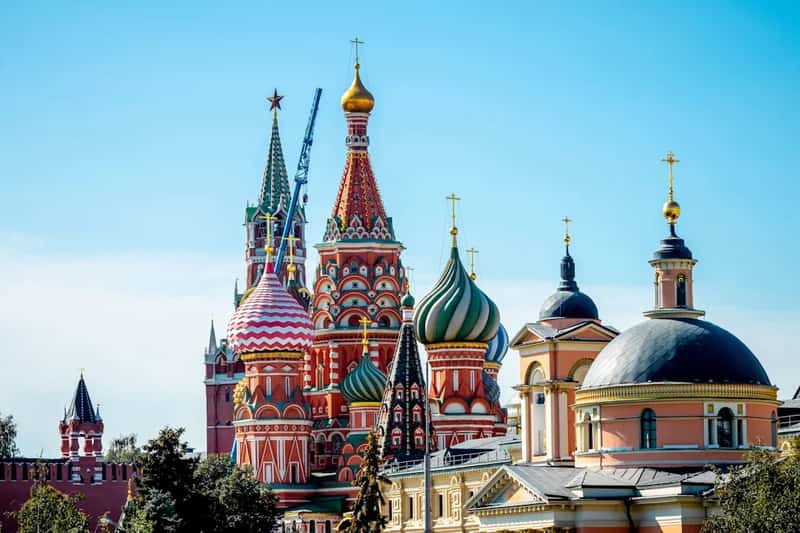
Russia’s internet policy has tightened sharply in recent years, moving from selective blocking toward a more systemic clampdown. In March 2024, the country enacted a law prohibiting websites from sharing information about VPNs or promoting their use, and shortly after, thirty web pages offering guidance on accessing banned platforms were blocked, with penalties for VPN use also intensified. These moves signal a government less interested in loopholes and more focused on closing them entirely.
The pressure on circumvention tools has continued into the following year as well. In 2024, Russia ordered nearly 100 VPN apps to be removed from app stores for allowing access to content considered illegal in the country. Officially, the legal status of VPNs remains murky, since authorities have not banned VPNs outright, but they do block specific providers that do not follow local censorship laws.
Belarus: A Quiet but Firm Digital Lockdown
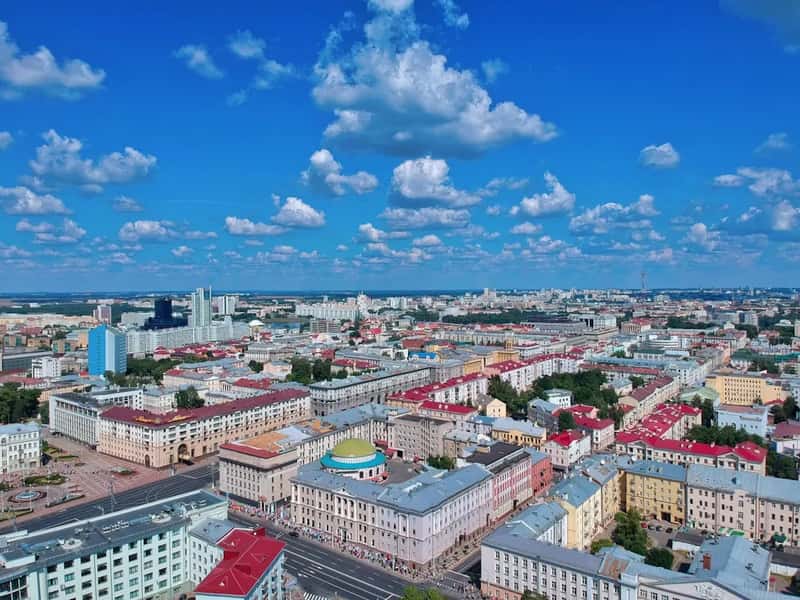
Belarus rarely makes international headlines for its internet policy, yet it sits comfortably among the world’s most restrictive regimes. VPNs are illegal in Belarus, alongside North Korea, Oman, Turkmenistan, and Myanmar. This places the country in a small, exclusive group willing to criminalize the technology outright rather than merely regulate it.
Circumvention options are limited even beyond VPNs. Belarus blocks both VPNs and Tor, cutting off two of the most common tools people use elsewhere to bypass government filtering. For residents, that leaves very few legal paths around state-approved content.
Saudi Arabia: Filtering Layered With Legal Risk

Saudi Arabia’s internet restrictions extend across nearly every category tracked by researchers who study digital freedom. The country scored just 12 in a recent internet freedom ranking, a poor showing across all measured categories, alongside Yemen, the UAE, Syria, and Egypt. That low score reflects heavy content filtering combined with limited legal protection for what users say online.
VPN use in the Gulf region carries financial risk that can be severe. The UAE, a neighboring Gulf state with similarly strict policies, fines VPN users up to 540,000 dollars. Saudi Arabia’s regulatory posture follows a comparable logic, treating unsanctioned circumvention tools as a legal liability rather than a gray area.
Vietnam: Following a Familiar Regional Playbook

Vietnam has increasingly modeled its internet governance on its northern neighbor, and the resemblance is intentional. Vietnam has been taking cues from its close ally China, which asserts internet control via the Great Firewall, a collection of gateways that filters all internet traffic entering and leaving the country. That influence shows up in how Vietnamese authorities manage both platform access and the flow of politically sensitive content.
The country consistently appears alongside other tightly controlled states in independent assessments. Vietnam is named among nations that consistently appear at the restrictive end of global censorship rankings, alongside China, North Korea, Iran, Myanmar, Turkmenistan, Saudi Arabia, Russia, Cuba, and Eritrea. While Vietnam’s economy has opened considerably in other respects, its approach to online speech has not followed the same trajectory.
The Bigger Picture Behind These Restrictions

These nine countries do not share identical systems, but they do share a common instinct: treating information as something to be managed rather than freely exchanged. The global decline in internet freedom has continued for fourteen consecutive years, with around 80 percent of global internet users now living in countries that exercise some form of online censorship or surveillance. That statistic is a reminder that restricted access is not a fringe issue affecting a handful of outliers, but a condition shaping how a large share of the world actually experiences the internet.