Breathing is not something most people think about until the air itself becomes the story. Yet every year, a small set of numbers, measured in micrograms of fine particulate matter per cubic meter, quietly sorts the world into places where lungs get a break and places where they do not. The gap between the two extremes has only widened recently.
According to the latest global air quality data, only a tiny fraction of the world’s monitored cities actually meet the health guideline set by the World Health Organization. The rest fall somewhere on a spectrum from mildly hazy to genuinely dangerous. Here is where that spectrum currently sits, starting with the places doing it right.
1. French Polynesia
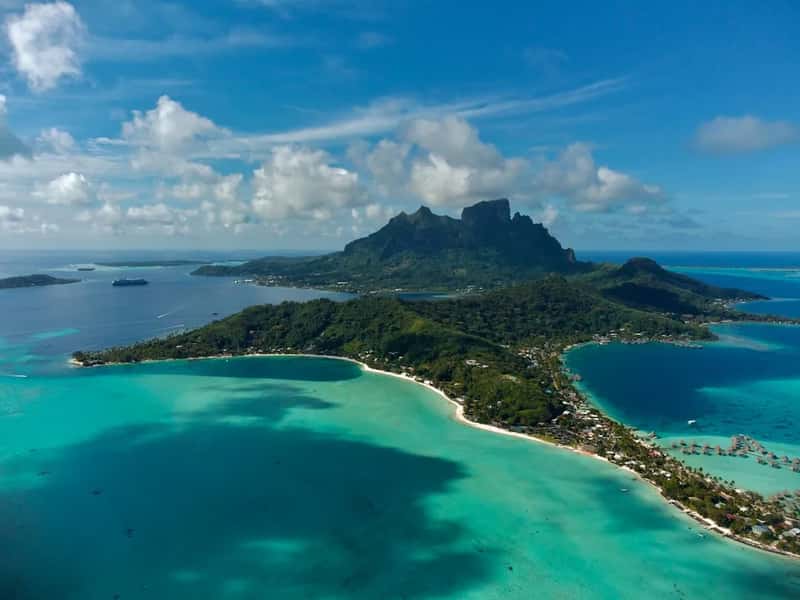
French Polynesia currently holds the title for the cleanest measured air on the planet. French Polynesia recorded the cleanest air of any place measured in 2025, averaging 1.8 micrograms of PM2.5 per cubic meter. That figure is not a fluke of one good year, either, since the territory’s geography makes pollution accumulation almost impossible.
This remote archipelago in the South Pacific benefits enormously from its geographic position, with thousands of kilometers of open ocean separating it from any major industrial region, meaning pollutants carried by wind simply don’t reach it in significant quantities. The islands also have minimal heavy manufacturing and a small population spread across a vast area, which naturally suppresses emission levels. It is, in short, an accident of location as much as a policy achievement.
2. Iceland
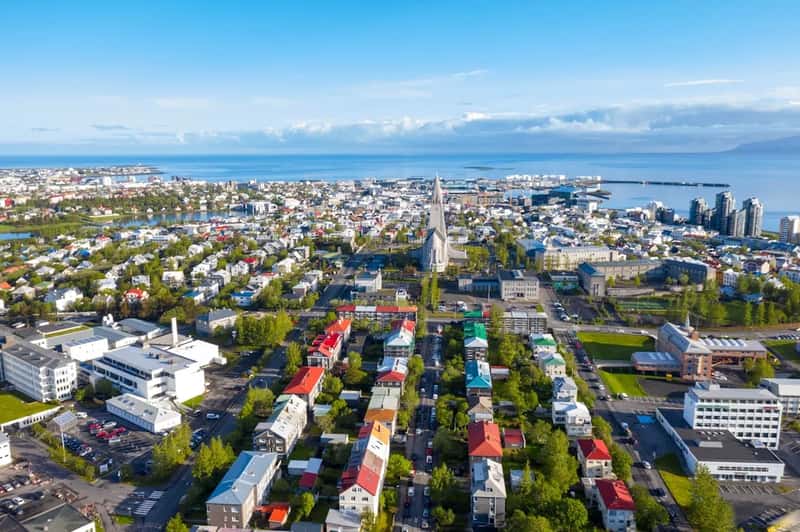
Iceland’s reputation for pristine air is well earned and backed by consistent data year after year. The island nation’s excellent air quality comes from its very low population density, limited heavy industry, and geographic isolation. On top of that, Iceland relies almost entirely on renewable energy, particularly geothermal and hydropower.
The capital city is often used as the go-to example of what clean urban air can actually look like. Reykjavik often measures PM2.5 concentrations at just 2 to 3 micrograms per cubic meter, some of the lowest readings on record anywhere. Volcanic activity can occasionally spike local readings, but the national average stays remarkably low.
3. Andorra
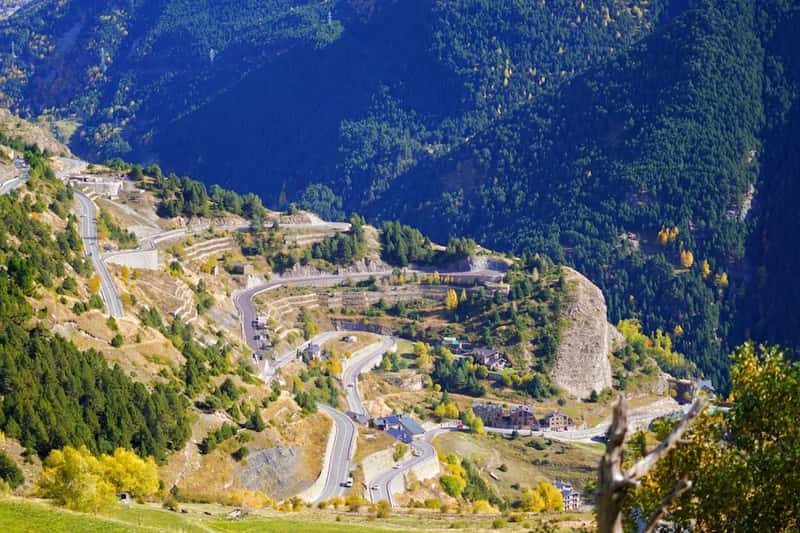
Tucked into the Pyrenees between France and Spain, Andorra is one of only three European countries that actually clears the WHO bar. In Europe, Andorra, Estonia and Iceland are the only countries that met the WHO annual PM2.5 guideline of 5 micrograms per cubic metre in 2025. That puts a small mountain principality in the same company as Nordic and Pacific island nations, which says something about how much elevation and low industrial density can matter.
Andorra has no heavy industry to speak of and a population small enough that traffic emissions never build up the way they do in larger European capitals. Its mountain valleys also help disperse what little pollution does get generated. The result is air quality that punches well above what its size would suggest.
4. Estonia
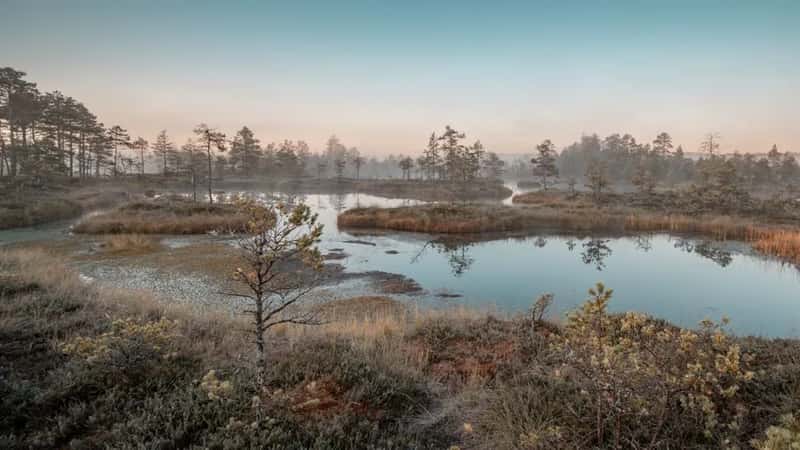
Estonia stands out as the only country from the former Soviet bloc to consistently make the cleanest-air list. It appeared again in the 2025 rankings alongside Andorra and Iceland as one of Europe’s three qualifying nations. In Europe, Andorra, Estonia and Iceland are the only countries that met the WHO annual PM2.5 guideline of 5 micrograms per cubic metre in 2025.
Estonia’s advantage comes largely from its low population density, extensive forest cover, and a relatively small industrial footprint compared to its Baltic neighbors. Wind patterns off the Baltic Sea help move pollutants away rather than let them settle. The country has held this position for several consecutive reporting years, which suggests the trend is structural rather than seasonal.
5. Australia
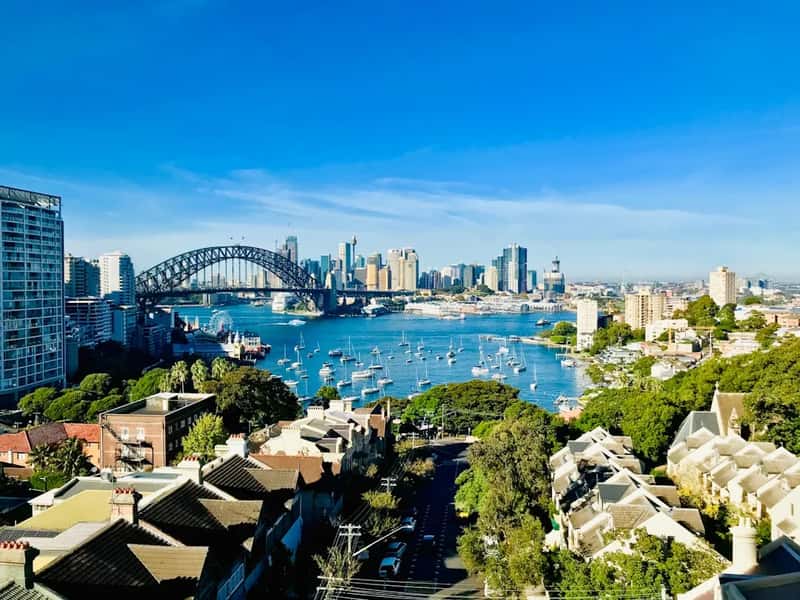
Australia is the largest country by far to appear on the cleanest-air list, and its performance has held up despite some rough patches. Oceania remained one of the world’s cleanest regions with 61% of cities meeting the WHO guideline, though record-breaking cold in New South Wales in June 2025 led to seasonal PM2.5 spikes. Those cold-weather spikes were temporary rather than a sign of a broader decline.
Australia’s long-term regulatory frameworks, including tight vehicle emission standards and controls on industrial output, continue to keep annual averages well below the global norm. Vast open landscapes and low population density outside a handful of coastal cities also help keep the national average pulled down. It is a reminder that size and clean air are not mutually exclusive when policy and geography work together.
6. Barbados
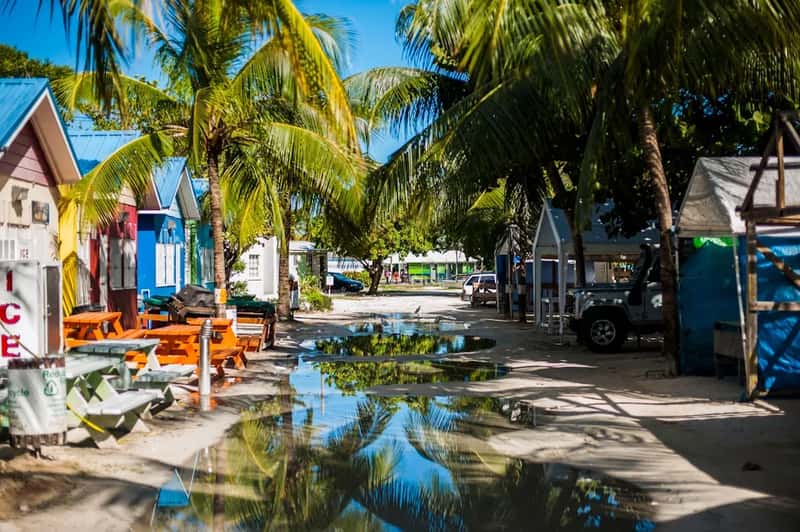
Barbados has been a fixture on the cleanest-air roster for several years running, and 2025 was no exception. Only thirteen countries and territories met the WHO annual average PM2.5 guideline, and Barbados was one of them. Its position in the Caribbean, surrounded by open Atlantic water, gives it the same natural advantage that helps other island nations on this list.
The island has no significant heavy industry and a tourism-driven economy that has little incentive to pollute the very beaches and reefs visitors come to see. Trade winds sweep steadily across the island, preventing any localized buildup of particulates. Small population size rounds out the picture, since fewer people generally means fewer emission sources per square kilometer.
7. Grenada
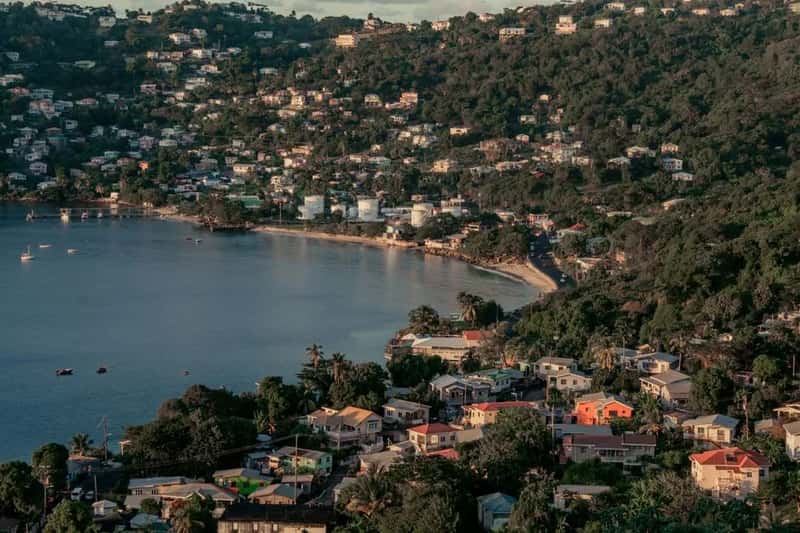
Grenada is another Caribbean nation that consistently posts some of the lowest PM2.5 readings anywhere in the world. Grenada records a PM2.5 index of only 3.8 micrograms per cubic meter. That places it comfortably under the WHO guideline of 5 micrograms per cubic meter, with room to spare.
The country has a low level of industrial activity and motorization, as well as a small population density, which reduces the amount of emissions. It also lacks the kind of heavy manufacturing base that tends to drive up particulate counts elsewhere in the region. For a nation of its size, the clean air is less a policy triumph than a natural byproduct of how little pollution gets generated in the first place.
8. Panama
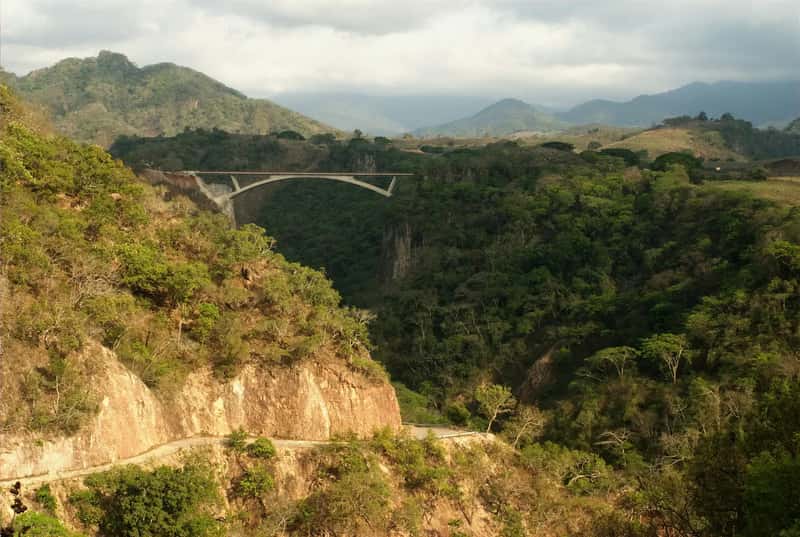
Panama’s inclusion on the cleanest-air list might surprise people who associate it primarily with its canal and shipping traffic. Even so, Panama was one of only thirteen countries and territories that met the WHO annual average PM2.5 guideline in 2025. Much of the country’s land area remains covered in tropical forest, which helps absorb and filter airborne particulates.
Panama’s coastal geography, bordered by two oceans, also allows for constant air movement that prevents pollution from settling over populated areas. The canal itself, while busy, is not a major source of the kind of fine particulate pollution that drives up national averages elsewhere. Combined with a moderate population size, these factors keep the country’s air quality well within safe limits.
9. New Caledonia
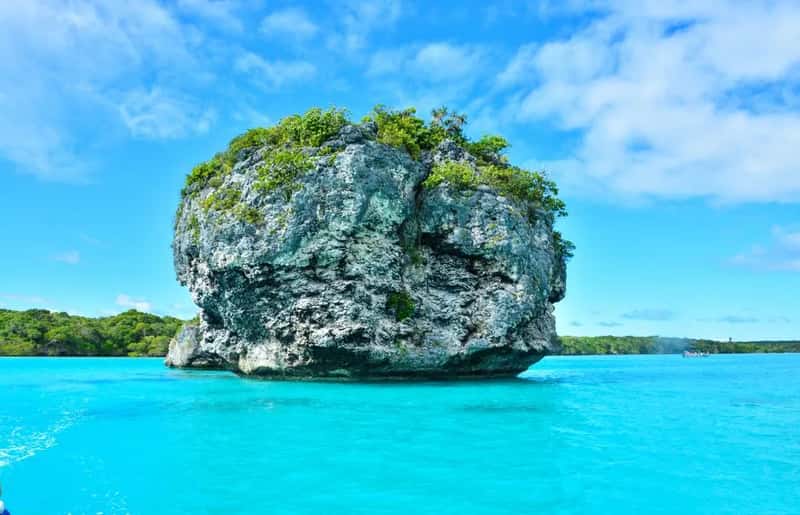
New Caledonia rounds out this list as another French Pacific territory benefiting from sheer distance from industrial pollution sources. It was named among the thirteen countries and territories that met the WHO annual average PM2.5 guideline in 2025. Like French Polynesia, its isolation in the South Pacific plays a major role in keeping particulate levels low.
The territory has limited heavy industry and relies heavily on tourism and nickel mining, the latter of which is concentrated enough not to significantly affect broader air quality readings. Ocean winds regularly clear the air over its main population centers. The combination of geography and modest industrial activity keeps New Caledonia consistently near the top of global clean air rankings.
10. Pakistan
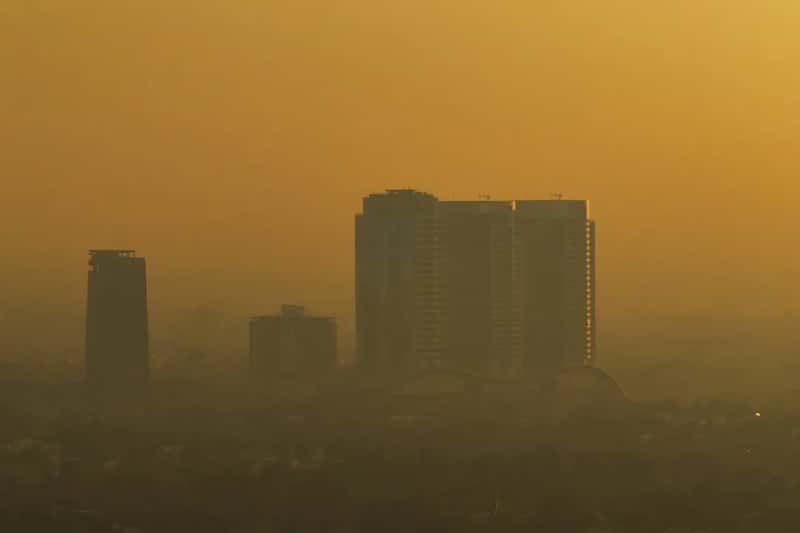
At the other end of the spectrum, Pakistan currently holds the unwelcome distinction of having the world’s most polluted national air. Pakistan recorded an annual average PM2.5 concentration of 67.3 micrograms per cubic meter in 2025, the worst of any country measured. That figure is more than thirteen times higher than the WHO’s recommended annual guideline.
Much of the pollution stems from a mix of vehicle emissions, brick kilns, crop burning, and industrial output concentrated in cities like Lahore. Seasonal smog events during winter months regularly push air quality into hazardous territory across the Punjab region. Despite growing public awareness, monitoring gaps and inconsistent enforcement of emission standards have made sustained improvement difficult to achieve.
11. Bangladesh
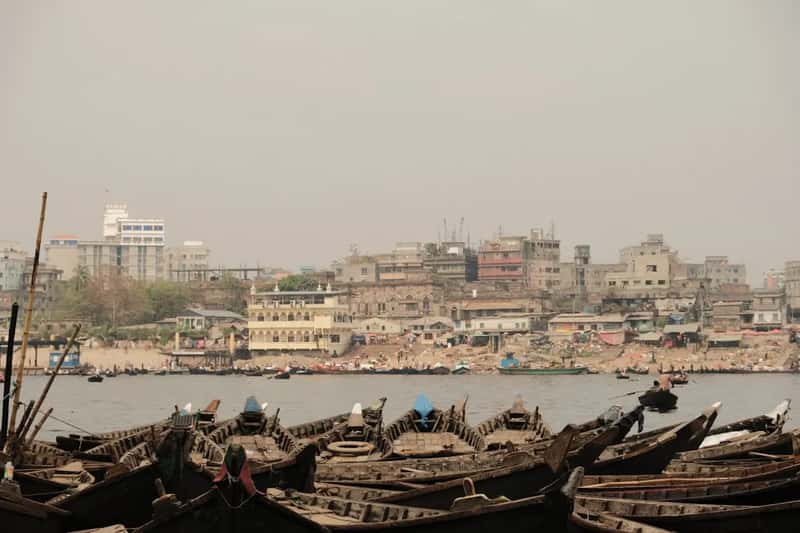
Bangladesh sits just behind Pakistan on the list of most polluted countries, and the two nations share several of the same underlying causes. Bangladesh’s annual average PM2.5 concentration reached 66.1 micrograms per cubic meter in 2025. Dense urbanisation, brick kilns, vehicular emissions, construction dust, and transboundary pollution all contribute to the elevated levels.
Seasonal improvements during the monsoon have proven insufficient to offset extreme pollution episodes during winter, keeping the national average near severe health concern thresholds. Dhaka, the capital, regularly ranks among the most polluted cities globally during dry season months. Rapid, largely unregulated construction across the country adds a steady stream of dust to an already burdened atmosphere.
12. Tajikistan
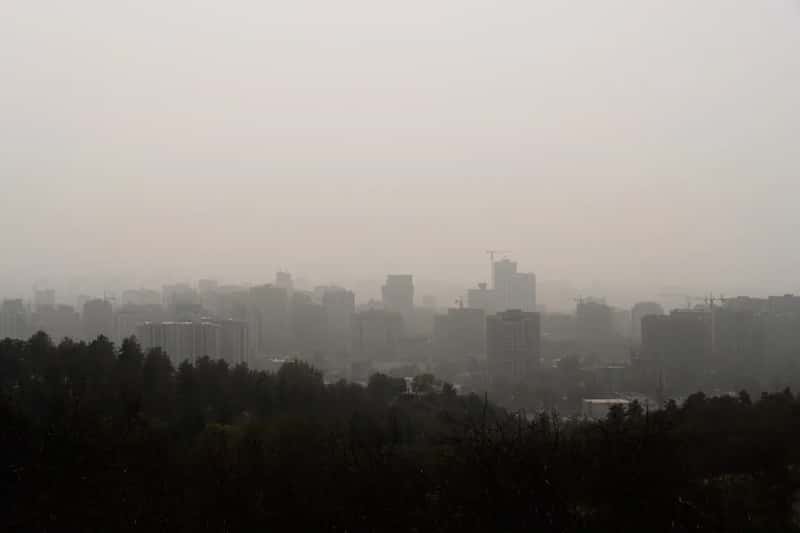
Tajikistan is a newer addition to the world’s most polluted list, and its rise reflects both genuine deterioration and improved monitoring coverage. Its annual average PM2.5 concentration stood at 57.3 micrograms per cubic meter in 2025. That places the Central Asian nation more than eleven times above the WHO’s safe threshold.
Geography plays a significant role here, since the country’s mountainous terrain traps pollution in valleys, particularly during colder months when heating relies heavily on coal and wood burning. Dust storms originating in neighboring arid regions also contribute to periodic spikes. Limited industrial regulation and a still-developing monitoring network mean the true picture may be even more complex than current data suggests.
13. Chad
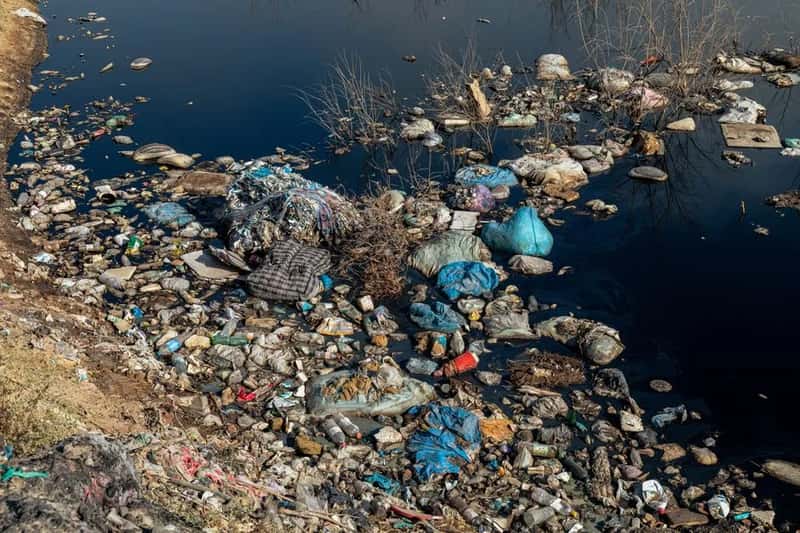
Chad has appeared among the world’s most polluted countries for several consecutive years, driven largely by a combination of natural and human factors. Its annual average PM2.5 concentration reached 53.6 micrograms per cubic meter in 2025. Airborne dust from the Sahara and Sahel regions accounts for a substantial share of that figure, since Chad sits directly in the path of seasonal dust transport.
Beyond natural dust, limited access to clean cooking fuels means many households still rely on wood and charcoal, adding to indoor and ambient particulate levels. Chad also has some of the sparsest air quality monitoring infrastructure on the continent, which makes tracking year-to-year changes genuinely difficult. Across Africa more broadly, the scarcity of real-time, publicly accessible air quality monitoring data is so severe that there is only one monitoring station for every 3.7 million people.
14. Democratic Republic of the Congo
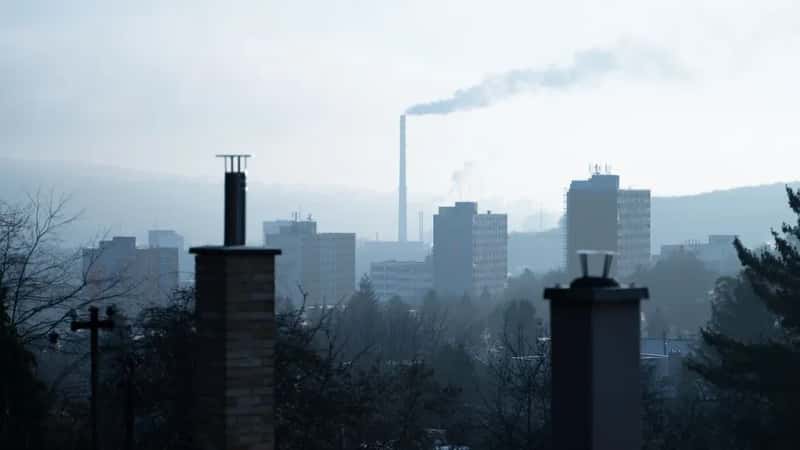
The Democratic Republic of the Congo closes out the list of the five most polluted countries measured in 2025. Its annual average PM2.5 concentration was recorded at 50.2 micrograms per cubic meter. That places it exactly ten times over the WHO’s annual guideline, a threshold with real consequences for respiratory and cardiovascular health across the population.
Widespread biomass burning, both for agriculture and household cooking, is a major contributor to the country’s elevated readings. Deforestation tied to agricultural expansion and charcoal production adds another layer of particulate pollution across large stretches of the country. As with several of its neighbors, sparse monitoring coverage means the full extent of the problem may still be underrepresented in the global data.
Taken together, these fourteen countries illustrate just how uneven the global air quality picture has become. On one end, isolated islands and small nations with light industrial footprints continue to enjoy air that meets or beats international health standards. On the other, a mix of geography, fuel dependence, and thin monitoring networks keeps millions of people breathing air that would be considered a public health emergency almost anywhere else. The distance between those two realities, measured in a handful of micrograms per cubic meter, remains one of the starkest and most consequential gaps in global public health today.