Anyone who has tried to book a summer trip to southern Europe in the last couple of years has probably noticed something new creeping into the process. There are QR codes required just to walk into a historic center, booking windows for beaches that used to be first come first served, and price tags that seem to shift depending on when you plan to show up. None of this happened by accident.
Across the continent, city halls and national governments have spent 2025 and 2026 rewriting the rules of visiting some of the most photographed places on earth. The changes range from modest fees to outright caps on how many people can be somewhere at once, and they are reshaping what a vacation to these places actually looks like.
Venice, Italy
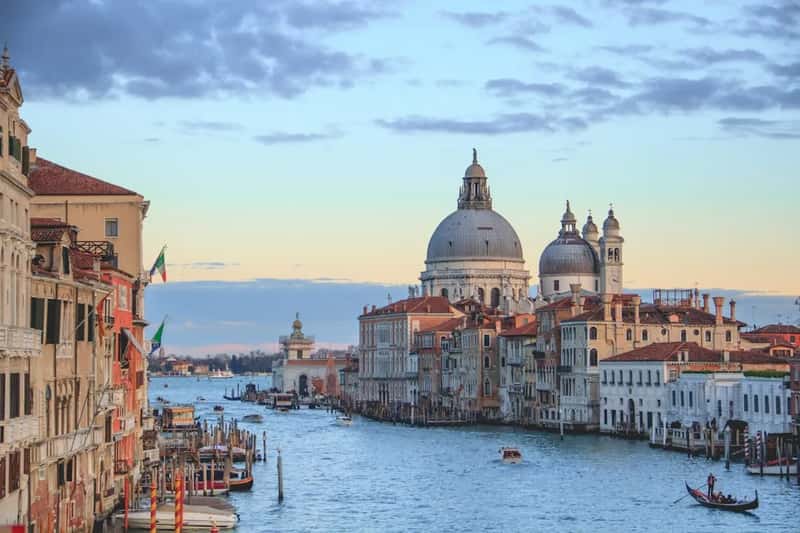
Venice has become the reference point for entry fees in Europe, and for good reason. On Thursday, April 25, 2024, Venice implemented the world’s first tourist entry fee to curb mass tourism and make the city more liveable for its residents, charging €5 for each day that day trippers visit the city. What started as an experiment has since grown considerably in scope.
Venice confirmed that its daytripper fee will return in 2026 with an expanded calendar covering 60 days between April and July, according to Euronews. The payment is set at €10.00, or €5.00 with advance booking made at least four days ahead, rising to €10.00 for payments made in the three days prior. The city is even weighing a much steeper fee for its busiest days, though the main obstacle to raising the tax further is not logistical but legal, since officials lack the authority to push the fee beyond current limits without a change in national legislation.
Barcelona, Spain

Barcelona has arguably gone furthest of any major European city in confronting the housing side of overtourism. After locals took to the streets to protest rocketing housing costs, the city’s mayor announced plans to ban all short-term rentals by 2028, stripping licences from over 10,000 Airbnb-style apartments in a housing market where rents have spiked by 68 percent.
The frustration on the streets has been visible and, at times, theatrical. In June 2025, protesters marched through central Barcelona holding signs stating “Tourism is killing Barcelona” and squirting people with water pistols in tourist hotspots. On top of the rental crackdown, Barcelona has also doubled its tourist tax, with combined tourism charges now among the highest in Europe.
Amsterdam, Netherlands
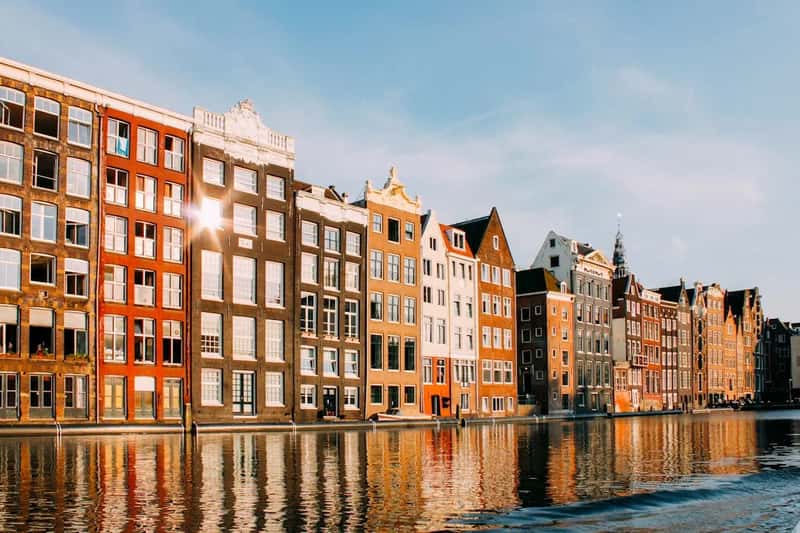
Amsterdam took an unusual approach by essentially telling a segment of its own market to go elsewhere. Following its 2023 campaign telling rowdy tourists to stay away, Amsterdam is now clamping down on hotels and cruise ships. That earlier messaging has since evolved into concrete building and berthing restrictions.
The city is operating a hotel freeze, where one opens only if another closes, and has slapped a cap of 100 cruise ship calls per year and a €15 tax on day-trippers. The ambition does not stop there either. The unapologetic end goal is evicting cruise ships from the city centre entirely by 2035. Combined with a room tax that already sits among the region’s highest, Amsterdam’s 12.5 percent room tax for hotel guests, or a separate €15 per person cruise levy, places it alongside Barcelona and Venice as one of the priciest cities for tourism charges.
Dubrovnik, Croatia
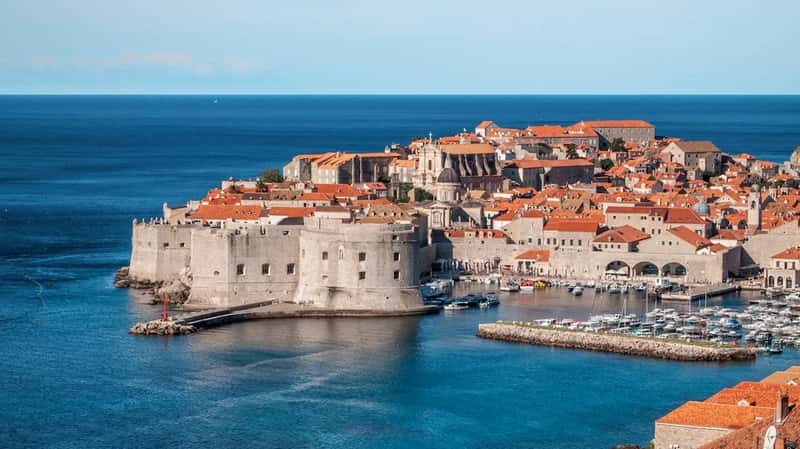
Dubrovnik’s Old Town is a compact medieval fortress, which makes it especially vulnerable to cruise ship surges. Officials imposed a restriction on the number of people allowed inside the city walls at any given time, setting a cap at 11,200 individuals. Cruise arrivals themselves are now tightly scheduled too.
The “Respect the City” initiative, launched in partnership with the Cruise Lines International Association, limits cruise ship arrivals to two per day, with a daily cap of around 4,000 disembarking passengers. Looking ahead, the city is adding another layer of control on its most iconic attraction. By 2026, entrance to Dubrovnik’s famed city walls is expected to require timed advance booking, a first for one of the city’s most visited attractions. Even with these measures, the sheer scale of demand remains striking, since figures from the Dubrovnik Port Authority show cruise tourism remains resilient, with 2026 expecting to receive more than 661,000 cruise passengers across 461 ship calls by the end of the year.
Santorini, Greece
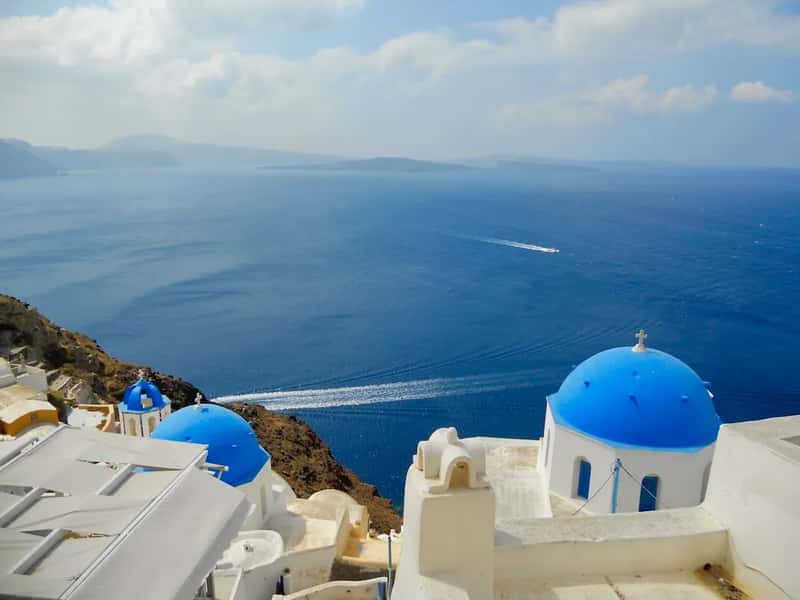
Few places illustrate the tension between iconic views and physical limits quite like Santorini, a small volcanic island whose caldera towns were never built for mass tourism. The headline measure is Santorini’s hard daily cap of 8,000 cruise passengers, introduced in 2025 and tightened for 2026. The tightening was mostly technical, but its effects are real.
For 2025, the port assumed 80 percent occupancy when calculating each ship’s passenger load, but in 2026 that assumption rises to 100 percent, meaning a ship with 3,000 berths now occupies 3,000 of the 8,000 daily slots rather than 2,400, effectively reducing the number of large vessels that can call on any given day. The result has been a measurable drop in ship traffic, since the island’s Berth Allocation System shows an 18.27 percent drop in scheduled cruise arrivals for 2026, with only 595 ships scheduled to dock compared to 728 in 2025. Ferry and flight arrivals remain uncapped though, so air and ferry arrivals remain uncapped, meaning peak-season congestion in Oia and Fira will persist, though at reduced levels compared to 2023 and 2024.
Athens, Greece
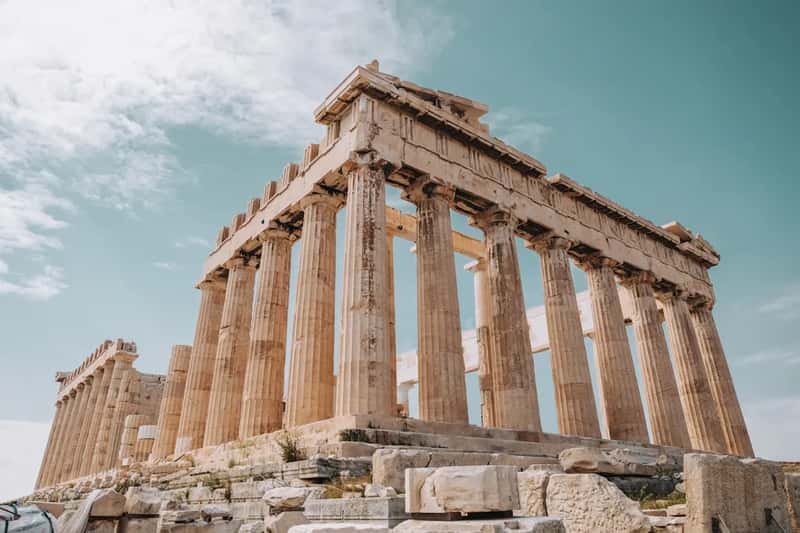
The Acropolis has moved from an open-access monument to a heavily managed, timed experience. In the summer of 2023, up to 23,000 visitors visited the Acropolis on a daily basis, often leading to delays and overcrowding, especially with large groups visiting before noon, prompting officials to set the daily visitor maximum at 20,000 people. That cap has since become a permanent fixture of the visitor experience.
As of 2026, the Acropolis has implemented a strict daily limit of 20,000 visitors and mandatory time-slot bookings through the official hhticket.gr platform to preserve the site. Pricing has also shifted toward a simpler, higher year-round structure, with official 2026 ticket pricing updated to a unified year-round rate, with a standard adult ticket for the Acropolis site now set at 30 euros. Beyond the hilltop itself, the city has widened its response to include housing, since Athens has introduced a moratorium on new short-term rental licences in key districts, reflecting mounting efforts to address housing shortages and reduce urban congestion.
Palma de Mallorca and the Balearic Islands, Spain
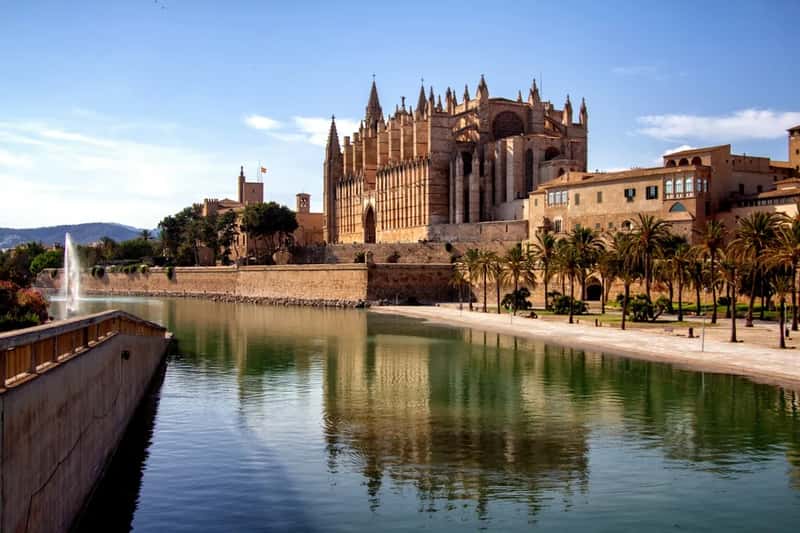
Mallorca’s capital sits at the center of one of Spain’s most visited, and most contested, tourist regions. Palma de Mallorca sits on the southwestern coast of Mallorca, Spain’s largest Balearic island and the most visited island in the western Mediterranean, drawing roughly 12 million visitors annually. That volume against a city of roughly around 430,000 residents has fueled some of Spain’s loudest protests.
Spain is experiencing a sustained wave of anti-overtourism demonstrations, concentrated in Barcelona, Palma de Mallorca, the Canary Islands, and other heavily visited cities. In response, regional authorities have started limiting the supply side of tourism directly. Palma de Mallorca is introducing caps on cruise ship arrivals and hotel accommodations in an effort to attract higher-spending, lower-impact tourists. Nationally, the crackdown on unregulated rentals has been substantial too, since the Spanish government took action by removing 65,000 Airbnb listings and introducing a tax on foreign buyers.
Nice and Cannes, France
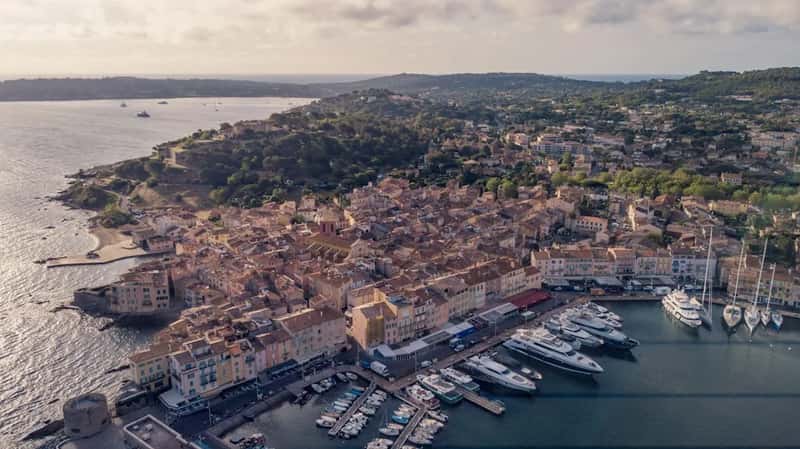
The French Riviera has generally avoided the intensity of Spanish or Italian protests, but its cities are still adjusting to cruise crowds. In Southern France, Nice and Cannes have begun limiting cruise ship passengers coming into the towns starting in summer 2026. The move puts both cities in the same category as Mediterranean neighbors already managing port congestion through caps rather than outright bans.
What makes the Riviera case notable is timing. Rather than reacting to a crisis after years of visible strain, as Venice and Dubrovnik did, Nice and Cannes introduced their limits proactively, ahead of what officials expect to be another record summer for cruise arrivals across the western Mediterranean. It is a smaller-scale version of the same calculation being made in Barcelona and Santorini: fewer large ships, spread more evenly, rather than an unlimited flow concentrated into a handful of peak days.
Comino, Malta
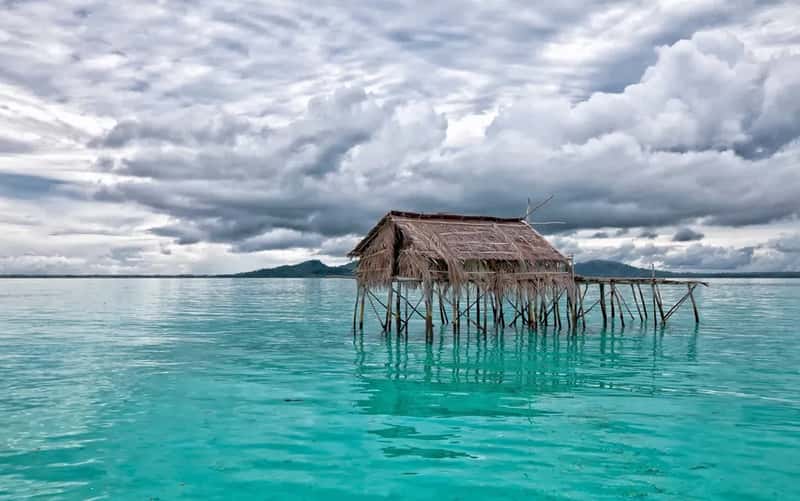
Malta’s Blue Lagoon on the tiny island of Comino became a cautionary tale of what happens when a small, fragile spot goes viral. Anyone who has been to the Blue Lagoon on Comino Island, Malta, knows it used to be a nightmare of shoulder-to-shoulder selfie sticks. The fix, when it came, was straightforward and digital.
To fix the beach overcrowding, Malta introduced an online booking system, requiring visitors to snag a morning, afternoon or evening slot, capping crowds at 4,000 at any one time. The numbers back up how dramatic the shift has been, since peak crowd numbers instantly plummeted from a suffocating 12,000 down to a breezy 3,830. For a lagoon barely a few hundred meters wide, that is the difference between a genuinely relaxing swim and standing in a queue for a patch of sand.
What This Means for Travelers

The common thread across all nine places is that free, spontaneous access to the most famous sights in Europe is quietly disappearing. Booking windows, daily caps, and tiered pricing are becoming standard rather than exceptional, and travelers who show up without a plan increasingly find themselves turned away or paying a premium for last-minute arrangements. Officials insist these tools are not meant to keep visitors out, and Europe is not closing its doors, since tourism remains a pillar of the Spanish, Italian, French and Greek economies, and arrivals keep setting records.
Still, the social contract behind that welcome is shifting. What is changing is the social licence, as residents are demanding that growth be capped, taxed and redirected before their cities become stage sets. For anyone planning a trip to these nine destinations, the practical takeaway is simple: book earlier, check for entry requirements well before departure, and expect that the spontaneous, wander-in-anytime version of these cities is becoming a thing of the past.