Ask ten well-traveled Americans to name the country’s most beautiful city and you will likely get ten different answers, and that is part of the fun. Beauty in an urban setting comes from a mix of things: dramatic geography, historic architecture that has somehow survived the wrecking ball, tree-lined streets, and that intangible feeling a place gives you the moment you step off the plane or train.
This list draws on the cities that show up again and again in travel rankings, guidebooks, and the personal favorites of frequent visitors. Some are famous for their skylines, others for colonial-era streets that have barely changed in two centuries. Either way, each one earns its spot for a distinct reason, and together they offer a pretty good snapshot of what makes American cities visually memorable in 2026.
9. Pittsburgh, Pennsylvania
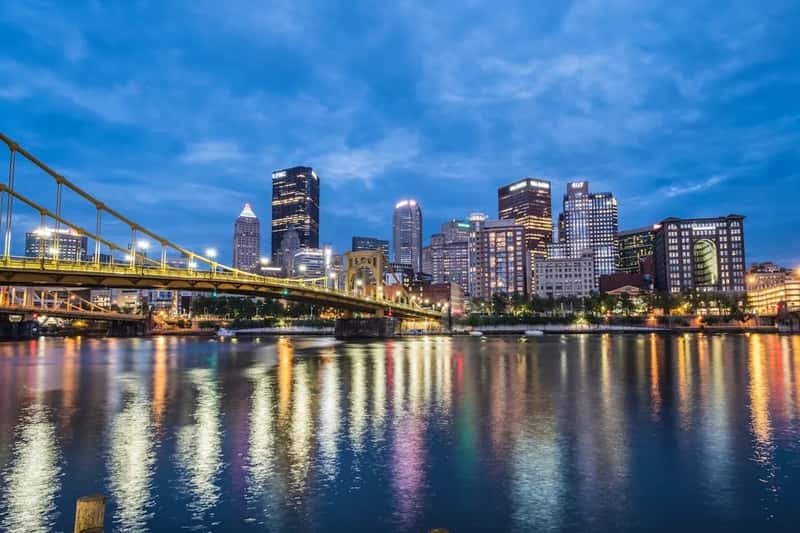
Pittsburgh rarely tops generic “best city” lists, yet travelers who have actually stood at Point State Park tend to come away stunned. Pittsburgh’s downtown sits on a scenic point at the confluence of two rivers that create a third. That geography alone gives the skyline a dramatic backdrop that few other American downtowns can match, especially when viewed from the top of Mount Washington at dusk.
What keeps Pittsburgh on this list isn’t just the rivers. The city’s hillside neighborhoods, restored industrial architecture, and unusual number of bridges (more than any other city in the country, locals will proudly tell you) add texture that rewards slow exploration rather than a single photo stop. It is the kind of beautiful that sneaks up on you rather than announces itself.
8. Chicago, Illinois
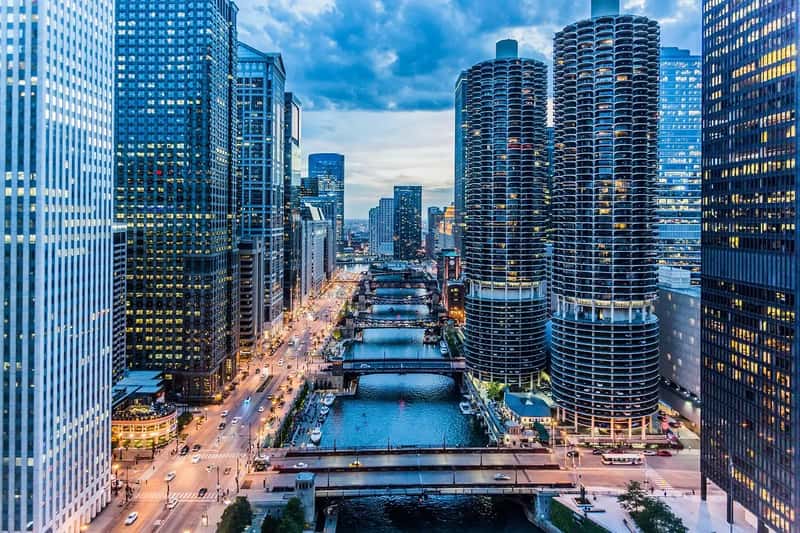
Chicago earns its place through sheer scale and ambition. Millennium Park is just one of Chicago’s many scenic outdoor spaces. Add a lakefront that stretches for miles along Lake Michigan, and the city offers a rare combination of big-city energy with genuine green space and water views right downtown.
The architecture is a big part of the draw too. Chicago is the American dream, with tall buildings hovering over you, and the city is home to over 60 museums, including the Art Institute of Chicago and the Museum of Science and Industry. Recent additions to the skyline keep the story evolving; the city continues to add striking new towers and hotel projects to its already famous architectural lineup.
7. New York City, New York
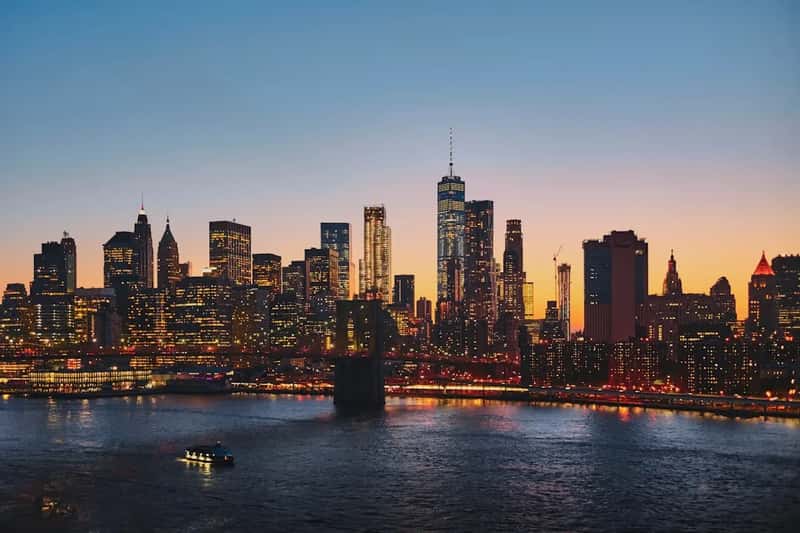
New York’s beauty is less about a single postcard view and more about density and contrast. Central Park’s rolling green space against a wall of skyscrapers is one of the more striking urban juxtapositions anywhere in the world, and the city’s five boroughs each bring their own visual character, from Brooklyn brownstones to the neon sprawl of Times Square. Beyond must-see tourist landmarks like Central Park and the Empire State Building, New York City is home to a range of museums.
It also remains the most visited American city by a wide margin, which says something about how much people want to experience it in person rather than just look at photos. New York City saw 65 million visitors in 2025, and is number one for the tenth year running in Resonance’s comprehensive ranking of American cities. That kind of consistent draw over a full decade is hard to argue with.
6. Santa Fe, New Mexico
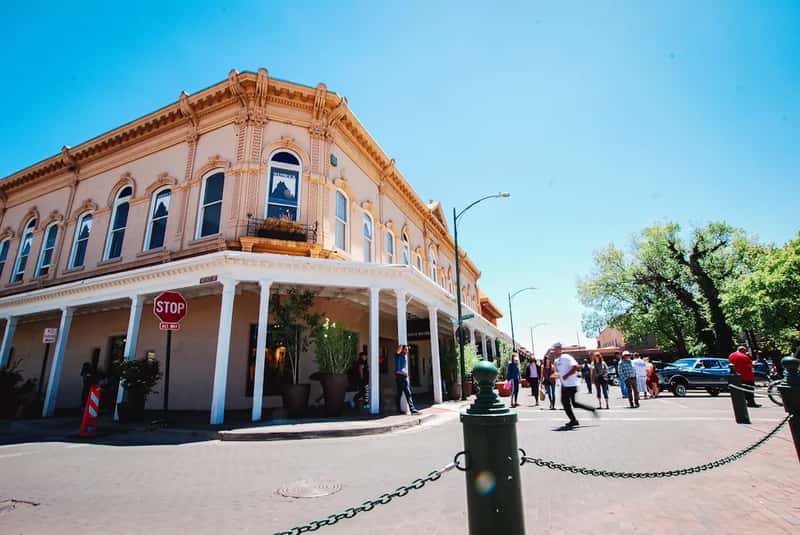
Santa Fe looks unlike anywhere else in the country, and that is precisely the point. Santa Fe dates to 1610 and ranks among the oldest cities in the U.S., with Pueblo-style adobe structures dominating the skyline, and local building rules require new construction to follow the same approach, maintaining a consistent appearance. The result is a city where nearly every building, old or new, follows the same warm, earth-toned architectural language.
The Plaza remains the heart of it all. Santa Fe Plaza remains the center of activity, where markets and vendors gather, and Native American and Spanish influences appear across food, art and small businesses, giving the city a distinct cultural presence. Combined with the high-desert light and nearby mountains, Santa Fe has a visual identity that photographers and painters have chased for over a century.
5. New Orleans, Louisiana
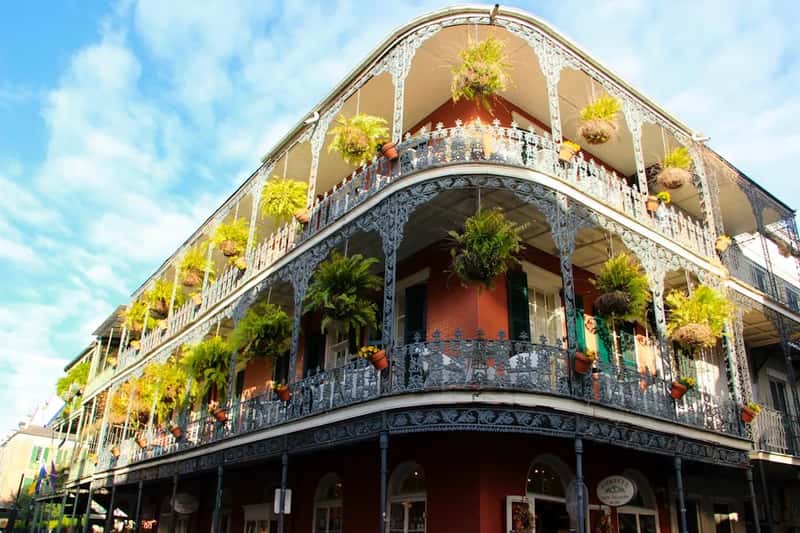
New Orleans is often described in nearly mythical terms by people who have spent time there. The French Quarter’s ironwork balconies and pastel facades are its calling card, though the name is a bit of a historical mix-up. Despite the name, the architecture of the French Quarter is overwhelmingly Spanish, after two catastrophic fires in 1788 and 1794 wiped out much of the original French-built city, and Spanish authorities rebuilt with fire-resistant brick, stucco, and tile.
The neighborhood’s scale is smaller than most people expect, which is part of its charm. Today’s Vieux Carré, also known as the French Quarter, is the 85-square-block original footprint of New Orleans, and is home to nearly 4,000 residents. Beyond the Quarter, the city holds twenty separate National Register historic districts, so there is far more architectural variety here than most first-time visitors realize.
4. San Francisco, California
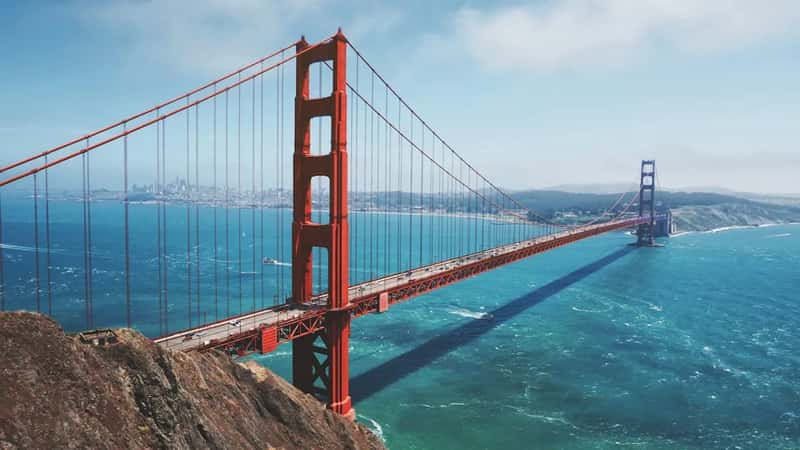
San Francisco has arguably the most naturally dramatic setting of any American city, and that has never really changed. San Francisco’s bright, hilly streets are set against the spectacular backdrop of the Pacific Ocean and its namesake bay. The steep hills that make driving a minor adventure also create constant, shifting views of water, fog, and the city’s Victorian rooflines.
The city keeps investing in its public spaces too. Sunset Dunes, a two-mile, 50-acre oceanfront park carved from the former Great Highway, opened in 2025. Tourism numbers reflect the ongoing draw of the place; San Francisco Travel forecasts 24 million visitors and 9.83 billion dollars in spending in 2026.
3. Savannah, Georgia
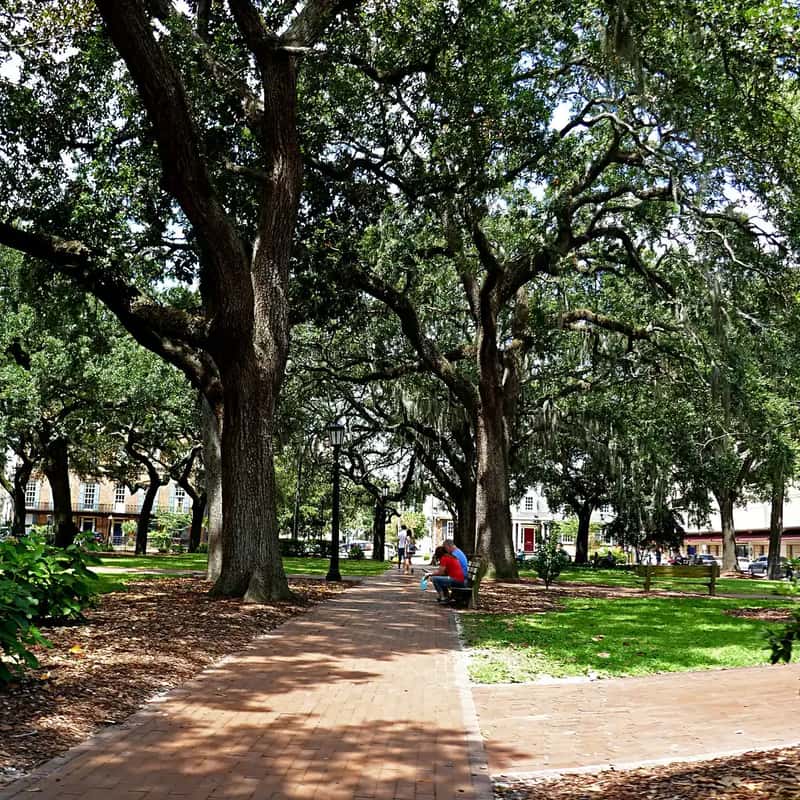
Savannah was designed to be beautiful from the very start, and the plan has held up remarkably well for nearly three centuries. Founded in 1733 by General James Oglethorpe, Savannah was originally built around four squares, and today 22 of the original 24 squares remain, providing visitors with a glimpse into the city’s storied past while offering shaded retreats for relaxation. Walking from one square to the next, each framed by historic homes and centuries-old trees, is unlike strolling through almost any other American downtown.
The live oaks draped in Spanish moss are as much a part of Savannah’s identity as the architecture itself. The city’s cobblestone streets, majestic live oaks draped in Spanish moss, and centuries-old architecture provide stunning backdrops for visitors. Forsyth Park anchors the southern end of the historic district, and its cast-iron fountain, installed in 1858 and modeled after a Parisian original, remains one of the most photographed spots in the entire city.
2. Charleston, South Carolina
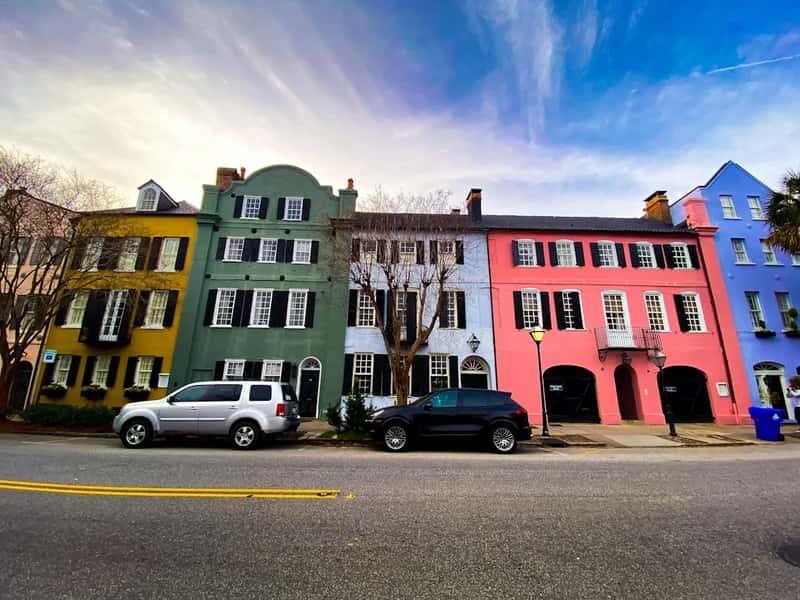
Charleston consistently ranks near the very top of American beauty lists, and it is easy to see why once you walk its peninsula. The district contains an unparalleled collection of 18th and 19th-century architecture, including many distinctive Charleston “single houses”. Rainbow Row, the colorful stretch of Georgian townhouses along East Bay Street, has become one of the most recognizable residential streetscapes in the country.
Part of what sets Charleston apart is how deliberately it has protected that beauty over time. In 1920, the Preservation Society of Charleston was formed, making it the first organization in the United States dedicated to protecting historic buildings. That century-long commitment to preservation is exactly why the city still looks, in large part, the way it did generations ago, even as new hotels and waterfront projects continue to arrive.
1. Seattle, Washington
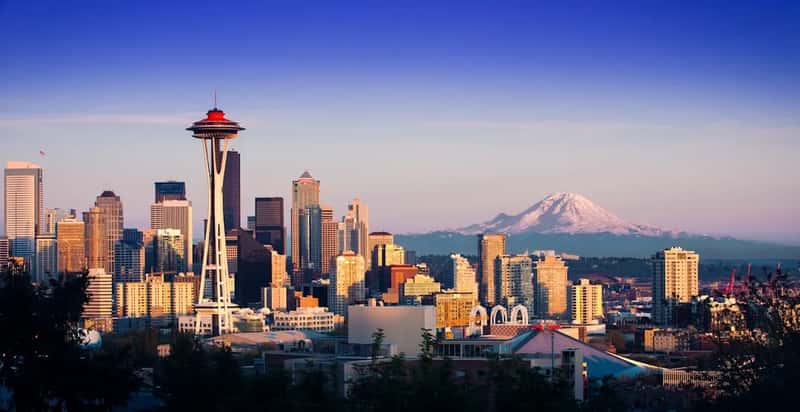
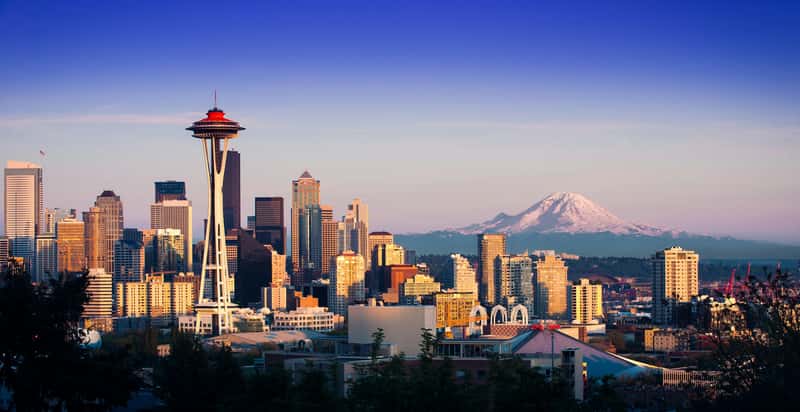
When travelers are asked directly which American city feels the most beautiful, Seattle comes up more often than almost anywhere else, and the reasoning tends to be consistent. Many travelers consider Seattle to be the most beautiful city in the U.S., due to its combination of urban design and unique natural surroundings, sandwiched between Elliott Bay and Washington Lake, defined by water, the coast, and astonishing forested landscapes just outside of the city limits. Few American cities pair a genuine skyline with mountains, water, and forest all visible at once.
The views from within the city are just as memorable as the surrounding landscape. On a clear day, you can see the incredible Mount Rainier from numerous vantage points in the city, including Kerry Park, which offers one of the best spots to take in both the skyline and the distant, snow-capped volcano, itself also a place to enjoy amazing panoramas from above. Add in Pike Place Market and an active waterfront that keeps getting new public space, and it becomes clear why so many seasoned travelers give Seattle the top spot.
Final Thoughts

Ranking beautiful cities is always going to be a little subjective, and reasonable travelers will disagree on the order. Still, the nine cities here share something important: each one built its beauty around a distinct sense of place, whether that’s a river confluence, a grid of shaded squares, or adobe walls that have looked the same for centuries. That kind of authenticity tends to age far better than anything designed purely for a photo opportunity.
If there’s one lesson worth taking from this list, it’s that America’s most beautiful cities rarely rely on a single feature. They layer geography, history, and design together, and that layering is exactly what keeps travelers coming back long after the first visit.