Beauty is a strange thing to measure. A glacier feels sacred to one traveler and merely cold to another, while a sun-bleached island can either look like paradise or just another postcard, depending on who’s holding the camera. Still, when travel researchers, guidebook editors, and geography data sets are compared side by side, a handful of countries keep showing up near the top, again and again, for reasons that go well beyond good marketing.
What follows is a look at nine countries that consistently earn a spot among the most visually remarkable places on the planet. The order draws on a mix of recent travel-industry rankings, UNESCO heritage data, and basic geographic facts that are hard to argue with. There’s no perfect formula for ranking scenery, but there is a pattern worth exploring.
1. New Zealand
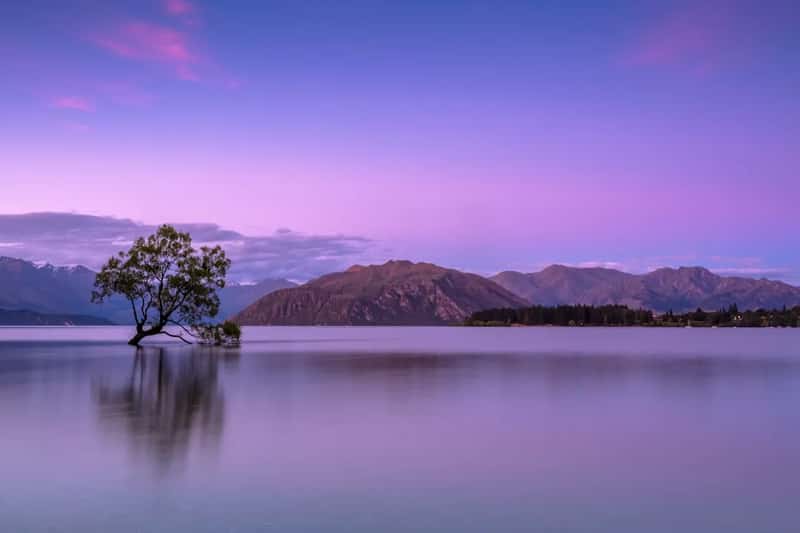
New Zealand tends to land near the very top of most modern beauty rankings, and it’s easy to see why once you look past the postcard shots. New Zealand’s landscapes are so dramatic that Peter Jackson chose them to portray Middle-Earth in the Lord of the Rings films.[1] Snow-capped peaks sit within driving distance of temperate rainforest, geothermal fields, and coastline, all packed into a country roughly the size of the United Kingdom.
The South Island in particular carries an outsized share of the drama, with fjords, glaciers, and mountain lakes crowded into a relatively small stretch of land. One quirky detail that says a lot about the country’s rural, open character: New Zealand has more sheep (26 million) than people (5 million).[1] It’s the kind of statistic that hints at just how much open, undeveloped land the country still has, which is a big part of its visual appeal.
2. Italy
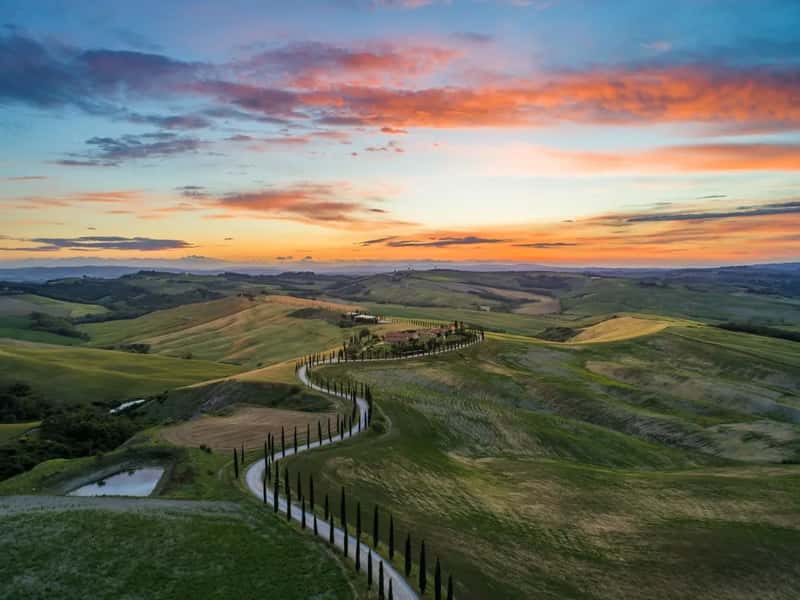
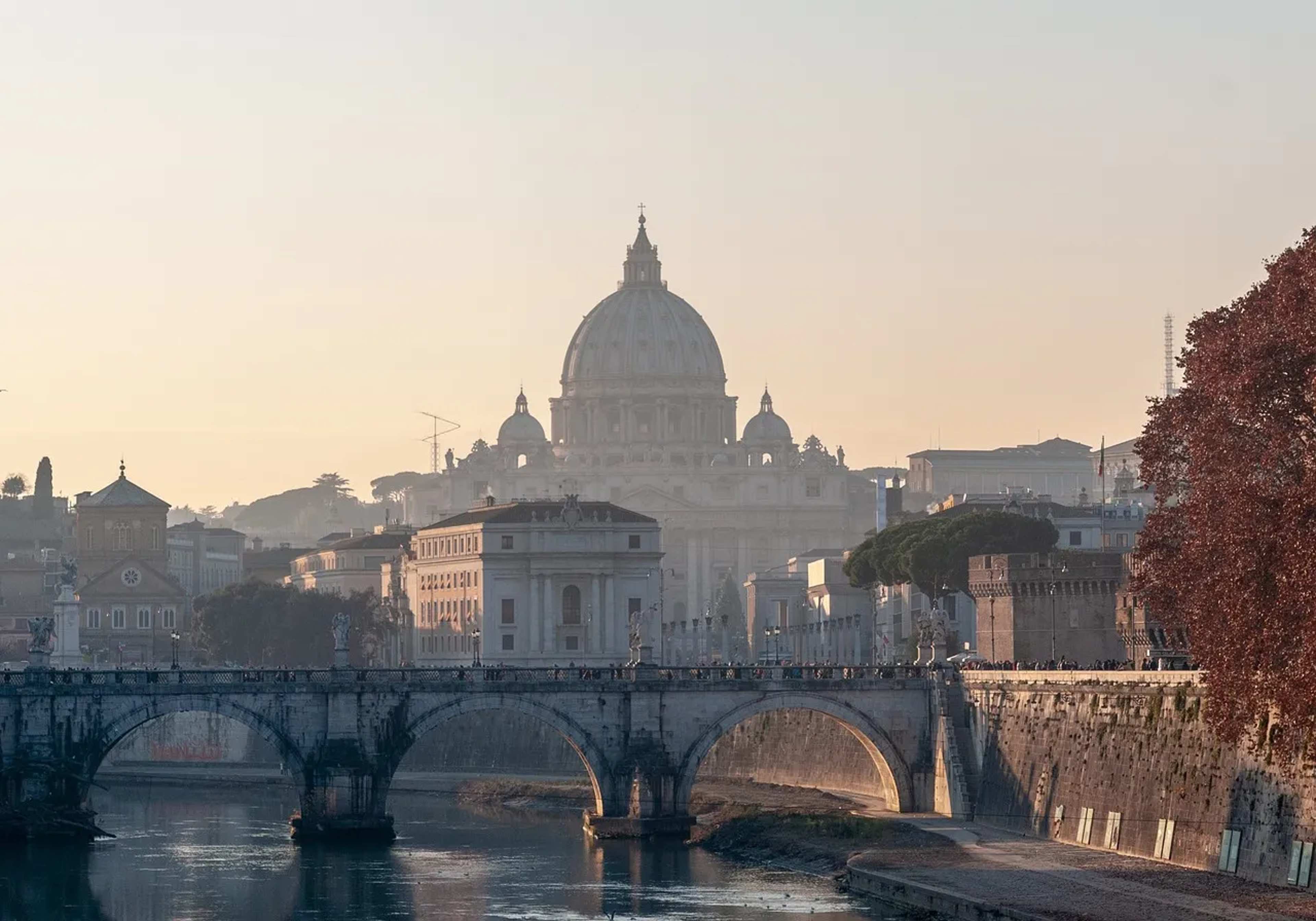
Italy’s beauty is less about wilderness and more about layers, of history, geography, and taste stacked one on top of the other. The country holds the title for the most UNESCO World Heritage Sites of any nation on Earth, with 61 in total, including the new addition of the “fairy houses,” a group of rock-cut tombs in Sardinia created between the 5th and 3rd millennia[2] BCE. That’s not a coincidence. Few countries pack this much recognized cultural and natural heritage into one relatively compact landmass.
Travel out of the cities and the geography does plenty of the work too, from the jagged Dolomites in the north to the volcanic coastlines of Sicily in the south. Coastlines, vineyards, cities where history is carved in every stone, art, and food turn breakfast, lunch, and dinner into main events.[3] Few countries manage to make ordinary daily life look this good on camera.
3. Switzerland
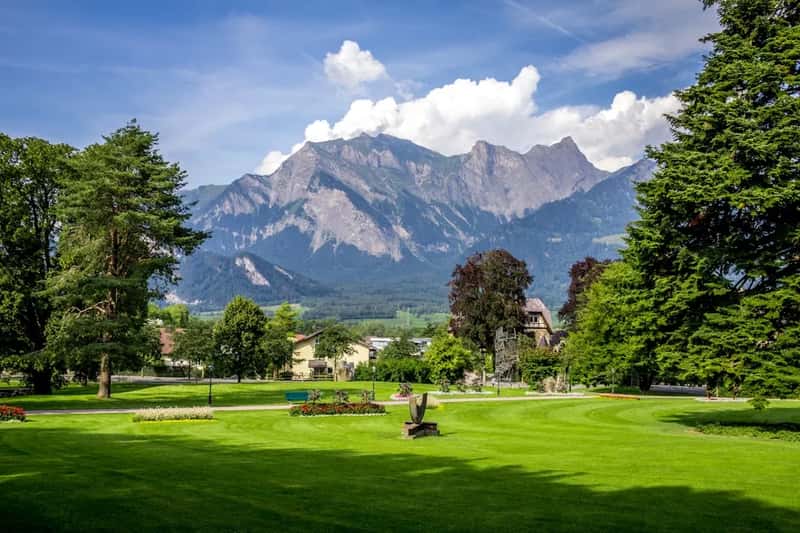
Switzerland’s reputation for scenery rests almost entirely on the Alps, and for good reason, the mountains dominate roughly two thirds of the country’s land area. What often gets overlooked is the water. Switzerland has over 1,500 lakes, and you are never more than 16 km from a lake anywhere in the country.[1] That combination of alpine peaks and clear glacial lakes gives the country a kind of postcard consistency that few places can match.
Towns like Lauterbrunnen and Zermatt sit tucked into valleys with waterfalls and peaks visible from nearly every window, which explains why the country shows up so often on scenic-travel lists. The infrastructure is part of the story too. Trains and cable cars reach viewpoints that would otherwise take days to hike to, which makes the scenery unusually accessible for a place this mountainous.
4. Norway
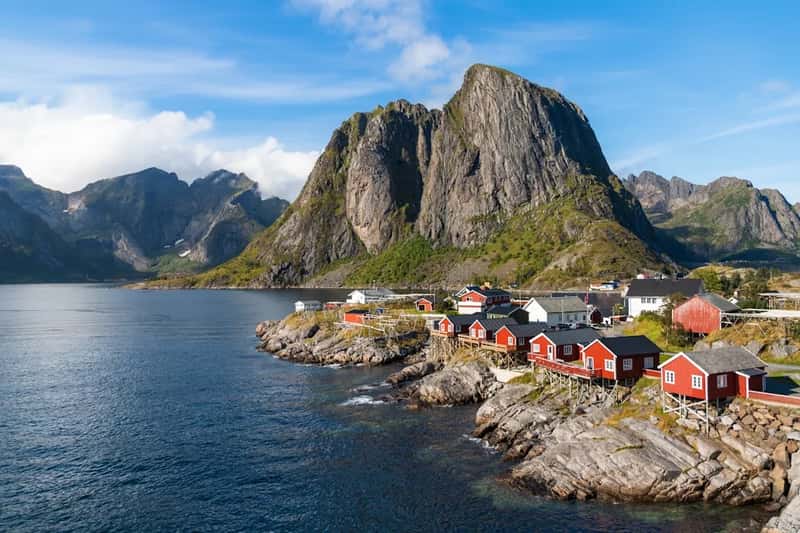
Norway’s fjords are the main event here, carved by glaciers over tens of thousands of years into deep, steep-walled inlets that cut far into the mainland. The scale is genuinely hard to grasp. Norway’s coastline, if you include all the fjords, would stretch 100,915 km.[1] That figure alone puts the country’s coastline among the longest and most complex of any nation on Earth.
The scenery has not gone unnoticed by international heritage bodies either. UNESCO recognized this in 2005, when the Norwegian Fjords and Japan’s Shiretoko peninsula were among the seven natural sites added to UNESCO’s World Heritage List.[4] Beyond the fjords themselves, the country adds the Northern Lights in winter and nearly endless daylight in summer, giving the same landscape two very different personalities depending on the season.
5. Iceland
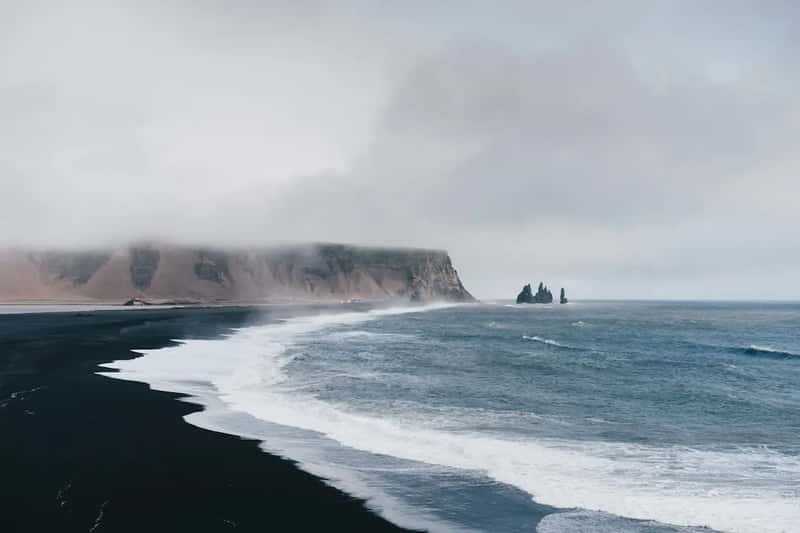
Iceland packs an unusual amount of geological variety into a country roughly the size of Kentucky. Glaciers, active volcanoes, black sand beaches, and geothermal hot springs all sit within a few hours’ drive of each other. About 11% of the country is covered by glaciers, with Vatnajokull alone spanning roughly 8%[5] of the total land area, making it the largest ice cap in Europe.
The volcanic activity beneath much of that ice is part of what makes the landscape so unpredictable and, frankly, dramatic to look at. There’s also a lighter detail that surprises a lot of visitors: Iceland has no mosquitoes despite being home to 1,300 other insect species.[1] Combine that with the Northern Lights overhead in winter and the low, golden light of the midnight sun in summer, and it’s clear why photographers keep coming back.
6. Canada
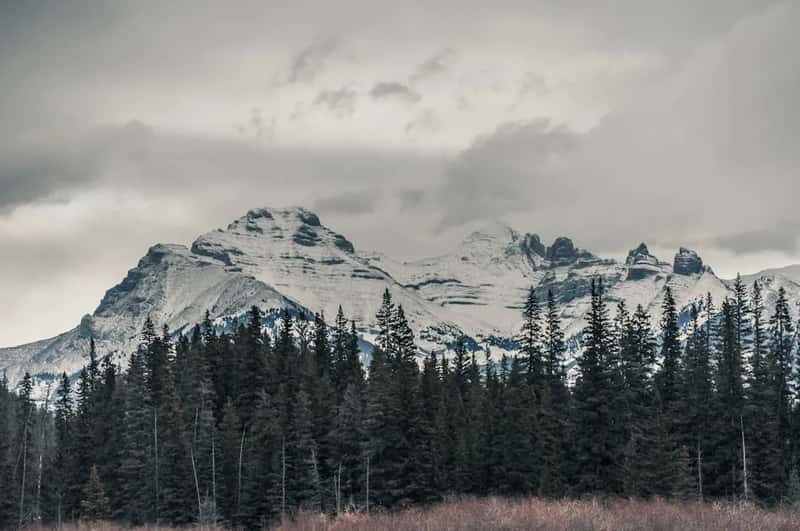
Canada’s beauty is largely a function of sheer scale. The country stretches across six time zones and includes everything from the Rocky Mountains and Pacific rainforests to Arctic tundra and the maple-covered hills of the east. Banff, established in 1885, was the country’s first national park, and it remains one of the most photographed mountain landscapes anywhere in North America.
What sets Canada apart from many other scenic countries is how much of that land remains genuinely wild and largely untouched. Vast stretches of boreal forest and thousands of lakes sit far from any major city, giving the country a sense of open space that’s increasingly rare elsewhere. It’s a landscape built for long drives and longer views, rather than quick, tightly packed sightseeing.
7. Japan
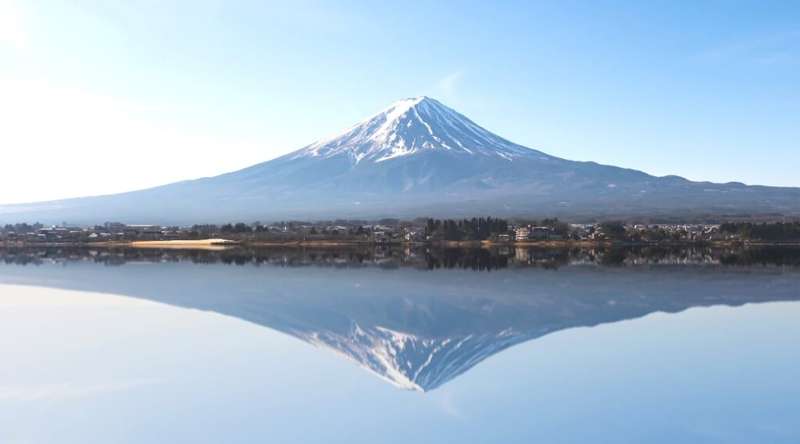
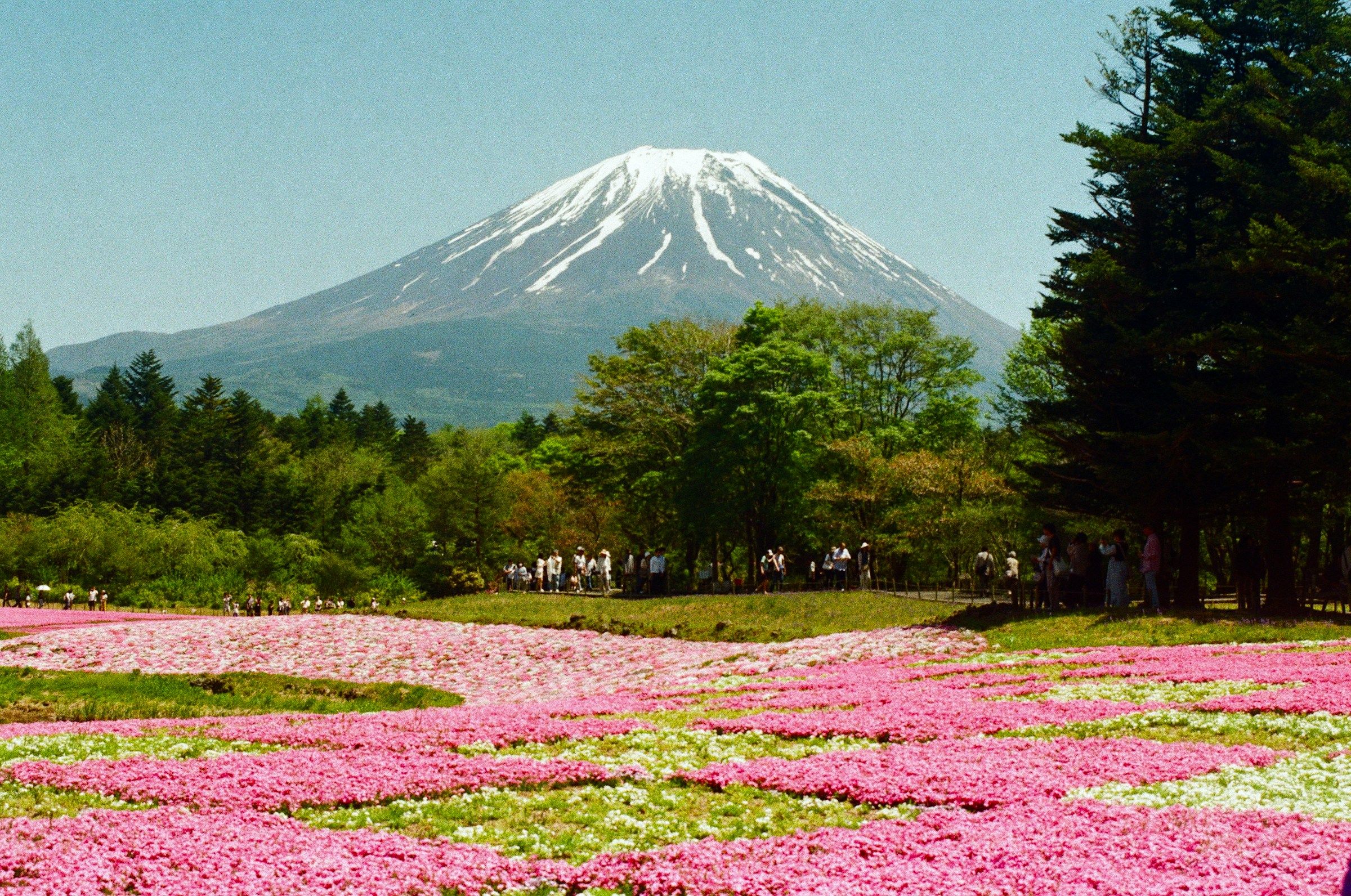
Japan’s scenery works on a rhythm tied closely to the seasons, which is part of what makes it feel different each time you visit. Japan’s sakura blossoms transform the country into something cinematic each spring, changing its backdrop as the months pass.[3] Mount Fuji anchors much of that reputation, an almost perfectly symmetrical volcano that has inspired centuries of art and poetry.
The country’s heritage list backs up the visual reputation with substance rather than just aesthetics. Japan’s 26 UNESCO sites range from the ancient monuments of Kyoto and Nara to the Hiroshima Peace Memorial and the Meiji industrial sites,[6] and Mount Fuji itself was inscribed as a cultural site rather than a purely natural one, largely because of its centuries-old role in Japanese art and religion. Few countries manage to blend natural drama and cultural depth quite this seamlessly.
8. Greece
Greece’s landscape is more mountainous than most travelers expect, and that terrain shapes almost everything about how the country looks and feels. Greece has roughly four-fifths mountainous terrain, fifty-six lakes, fifteen national parks, and close to 3,000 annual sunshine hours,[7] a combination that helps explain its near-constant presence near the top of scenic-travel rankings. That much sunlight, paired with sharp mountain relief, produces the kind of light that photographers chase for years.
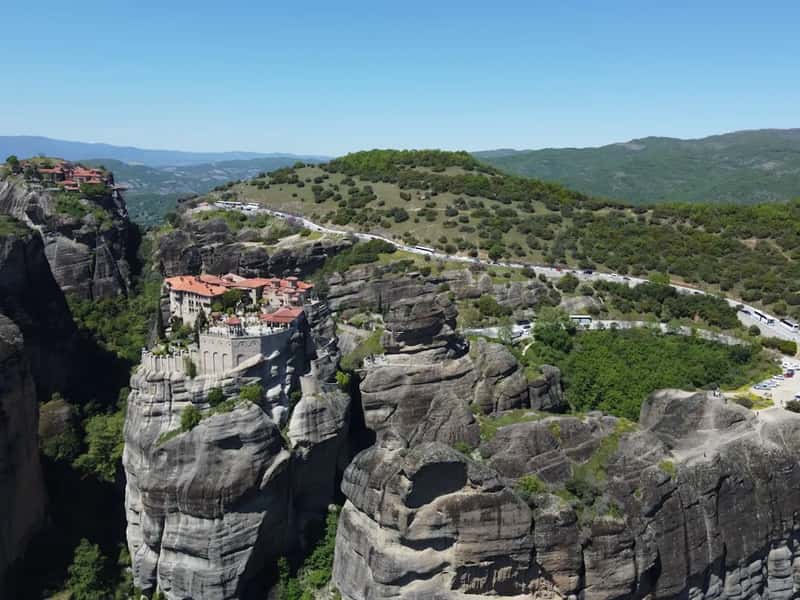
The islands get most of the attention, understandably, but the mainland holds some of the country’s most striking sights. The monasteries of Meteora, one of Greece’s most iconic landmarks, are renowned for their dramatic clifftop setting and unique cultural heritage.[8] Add in the ancient ruins scattered across the Aegean coastline, and Greece offers a rare mix of natural drama and human history that feels genuinely old rather than staged for tourists.
9. South Africa
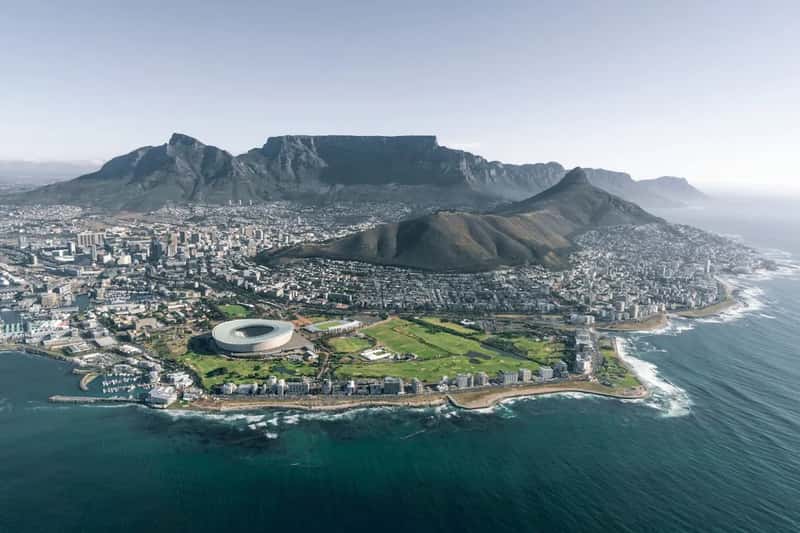
South Africa closes out this list with a kind of variety that few countries can match within a single set of borders. Cape Town alone offers Table Mountain, the Cape Floristic Region’s dense plant diversity, and a coastline where two oceans meet, all within a short drive of each other. Inland, Kruger National Park and the wider bushveld region offer some of the most reliable wildlife viewing on the continent.
The country’s appeal often comes down to contrast rather than any single landmark. For many travelers, beauty here means wildlife visiting a watering hole,[9] a scene that feels almost unchanged from centuries past. Between the Drakensberg mountains, the Garden Route’s cliffs and forests, and the stark beauty of the Karoo semi-desert, South Africa manages to compress an entire continent’s worth of scenery into one country.