Faith still shapes daily life for hundreds of millions of people around the world, and nowhere is that more visible than in how often people gather to pray. While attendance at religious services has been sliding for decades across Western Europe and parts of North America, a cluster of nations in sub-Saharan Africa, Latin America, Southeast Asia, and the Middle East continue to report remarkably high rates of weekly worship. Drawing on research from Pew Research Center, the World Values Survey, and the Center for Applied Research in the Apostolate (CARA) at Georgetown University, this list highlights nine countries where showing up to church, mosque, or another house of worship every week remains the norm rather than the exception.
These figures come from surveys conducted over the past decade, and while methodologies vary slightly between organizations, the overall pattern is consistent. Religious commitment tends to track closely with lower average levels of formal education and younger national populations, a correlation researchers at Pew have documented repeatedly. What follows is a country-by-country look at where weekly worship attendance remains highest, and why.
1. Nigeria
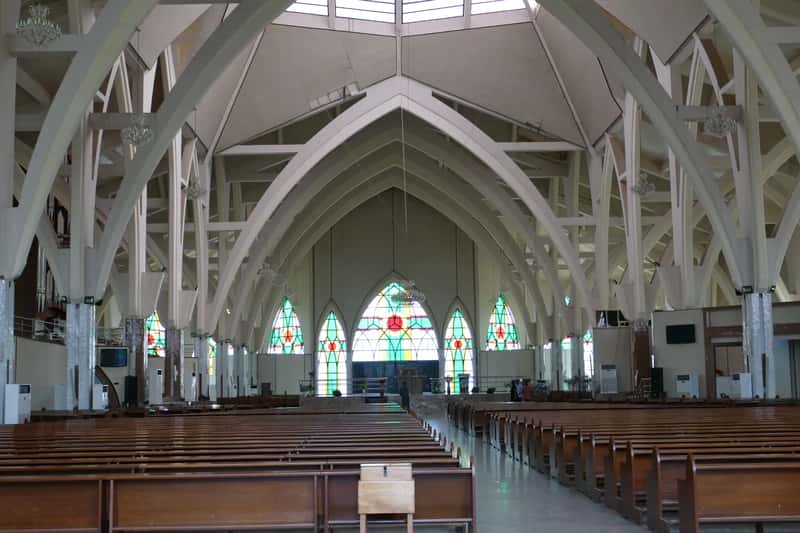
Nigeria consistently ranks at or near the top of nearly every global religiosity survey, and its Catholic population offers one of the clearest data points available. Research from CARA found that Nigeria and Kenya have the highest proportion of Catholics who attend Mass weekly or more, with Nigeria as the clear leader, with ninety-four percent of Catholics in Nigeria saying they attend Mass at least weekly[1]. That figure dwarfs attendance rates in nearly every other country with a sizable Catholic population, including famously devout nations in Latin America.
Nigeria’s religious intensity is not limited to its Catholic minority. The country sits within a broader West African region where at least 80 percent of Christians in Nigeria, Liberia, Senegal, Cameroon and Chad said they pray daily, and more than 60 percent said they attend church at least weekly[2]. With a population split roughly evenly between Christians and Muslims, religious observance touches nearly every corner of Nigerian society, from bustling Lagos churches to mosques across the country’s northern states.
2. Tanzania
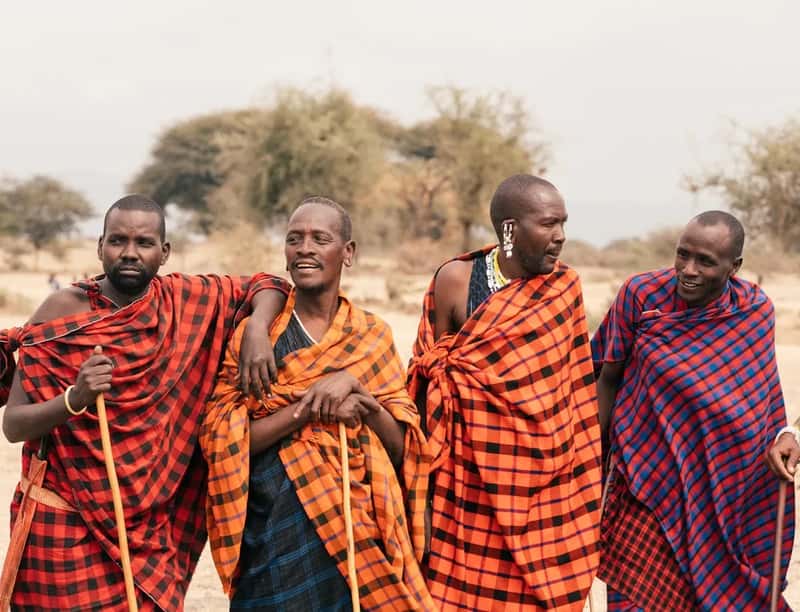
Tanzania stands out even within a region already known for high religious participation. According to data compiled from Pew Research surveys, Tanzania has 99% religious affiliation, with 82% of adults reporting weekly worship attendance[3]. That places it among the handful of countries worldwide where more than four out of five adults attend services on a weekly basis.
Tanzania’s religious makeup helps explain this pattern. The nation is predominantly Christian but has a sizable Muslim minority making up nearly a third of the country’s overall population[3], and both communities report strong weekly participation. This dual religious identity, split between Christian congregations along the coast and interior, and Muslim communities concentrated in Zanzibar and coastal areas, has not diluted overall attendance rates. If anything, the coexistence of both traditions appears to reinforce a broader culture of regular religious practice.
3. Rwanda

Rwanda’s weekly worship numbers are among the highest recorded anywhere in the world. Survey data shows that an estimated 99% of Rwanda’s population affiliates with a religion and 80% attend a weekly religious service[3]. Given the country’s small size and its history of deep social upheaval, this level of sustained religious participation says a great deal about how central faith has remained to daily life and community rebuilding.
Christianity dominates Rwanda’s religious landscape, with Catholic and Protestant congregations drawing large weekly crowds across both urban centers like Kigali and smaller rural parishes. The consistency of attendance across age groups also distinguishes Rwanda from many wealthier nations, where younger generations often attend far less frequently than their parents and grandparents. In Rwanda, weekly church attendance functions as a near-universal social institution rather than a generational habit.
4. Democratic Republic of the Congo
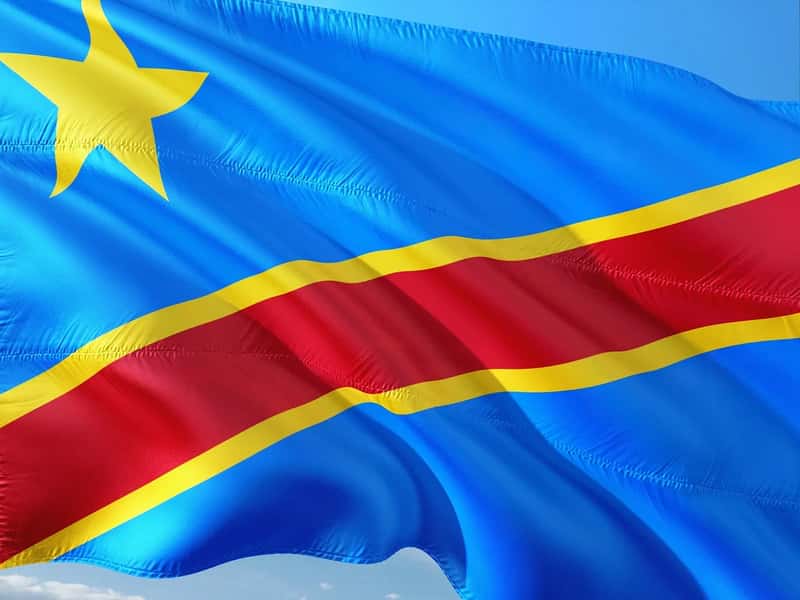
The Democratic Republic of the Congo, one of the largest and most populous nations in sub-Saharan Africa, reports similarly striking figures. Survey research indicates that 96% of respondents in the DRC affiliate with a religion, and 78% attend a weekly religious service[3]. With a population exceeding 100 million people, that percentage translates into tens of millions of weekly worshippers.
Much of this devotion is rooted in the country’s overwhelmingly Christian population, which spans Catholic, Protestant, and independent African church traditions. Pew’s broader regional research backs this up, noting that countries in sub-Saharan Africa with predominantly Christian or Muslim populations tend to have the world’s highest levels of regular worship attendance, with an average of 79% of adults across the region saying they attend services weekly[4]. The DRC fits squarely within that pattern, reflecting a region-wide culture where faith communities double as vital social support networks amid ongoing economic and political challenges.
5. Senegal
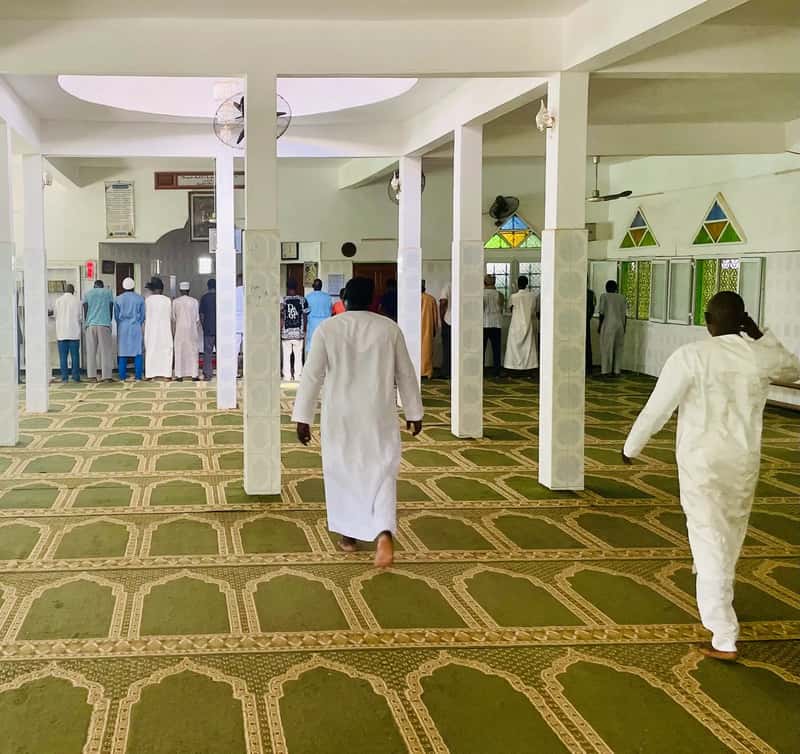
Senegal offers a different religious profile than most countries on this list, since it is overwhelmingly Muslim rather than Christian, yet its worship attendance rates remain exceptionally high. Recent Pew research found that in Senegal, 78% of older adults attend worship weekly, compared with 64% of younger adults[5]. Even among the country’s younger population, that attendance rate would rank near the top globally.
What makes Senegal particularly notable is the depth of belief underlying these numbers. Researchers observed that both older and younger groups report strong belief and nearly universal Muslim identity[5]. Senegal’s Sufi brotherhoods, which organize much of the country’s religious and social life, play a central role in sustaining this level of communal worship, with mosque attendance woven tightly into weekly routines nationwide.
6. Guatemala
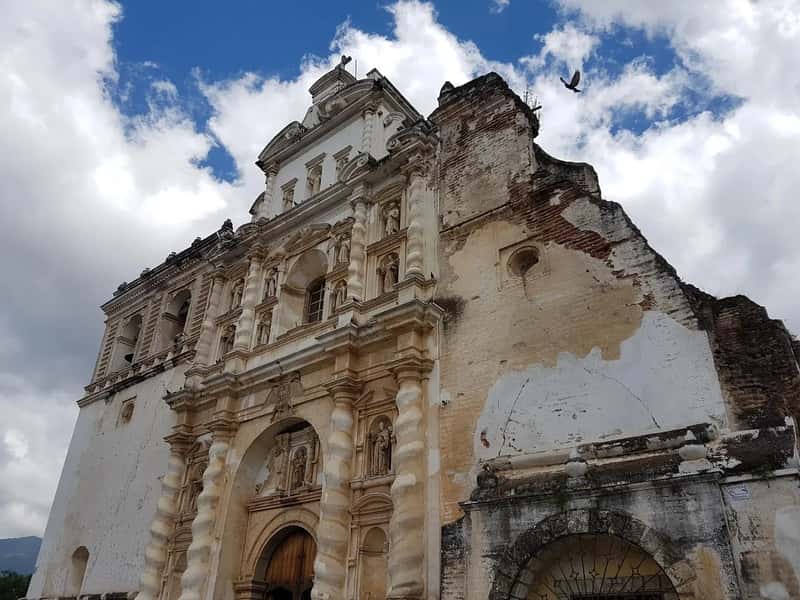
Guatemala holds the distinction of having the highest weekly worship attendance rate anywhere in the Americas. Pew Research data shows that in the Americas, weekly attendance ranges from 75% in Guatemala to just 14% in Uruguay[4], an enormous gap that underscores how much religious practice varies even within a single region. Guatemala’s figure puts it well ahead of its Latin American neighbors and far above the United States.
Guatemala’s high attendance is driven partly by the rapid growth of evangelical Protestant churches over the past several decades, alongside a still-strong Catholic tradition. Pew’s broader research on Christian commitment found that in Latin America, more than two-thirds of Christians in Guatemala, Honduras and El Salvador report weekly attendance[6]. Weekly services in Guatemala often extend beyond a single Sunday visit, with many congregants attending multiple services or prayer meetings throughout the week.
7. Indonesia
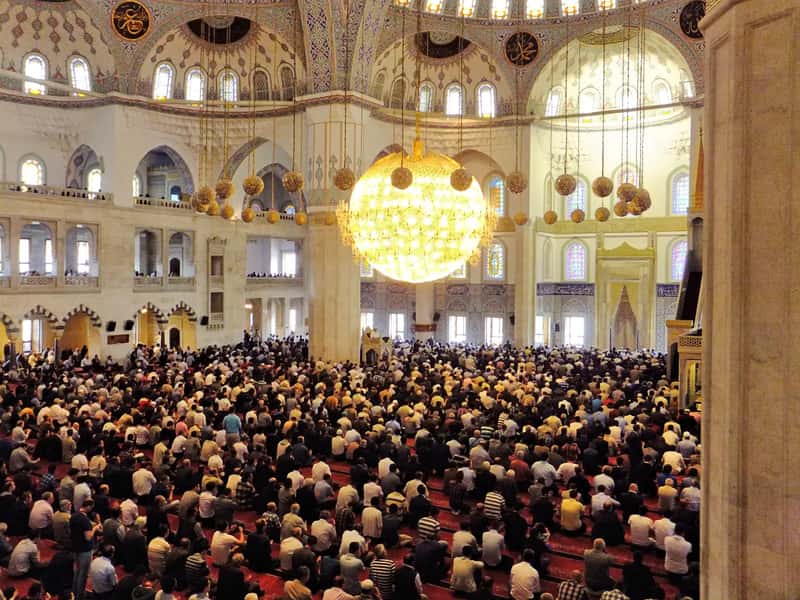
As the world’s most populous Muslim-majority nation, Indonesia’s weekly worship figures carry enormous weight simply because of scale. Pew Research found that in Asia and the Pacific, weekly attendance is highest in Indonesia at 72%[4], a figure that stands in stark contrast to several of its regional neighbors, some of which report attendance rates in the single digits.
Indonesia’s devotion is shaped by its diverse religious landscape, which includes a large Muslim majority alongside significant Christian, Hindu, and Buddhist communities, particularly in Bali and parts of eastern Indonesia. Friday prayers at mosques across Java and Sumatra draw enormous crowds weekly, while Christian congregations in cities like Manado and parts of Papua report similarly strong turnout. This blend of religious traditions, each maintaining high participation, helps explain why Indonesia leads its entire region by a wide margin.
8. Jordan
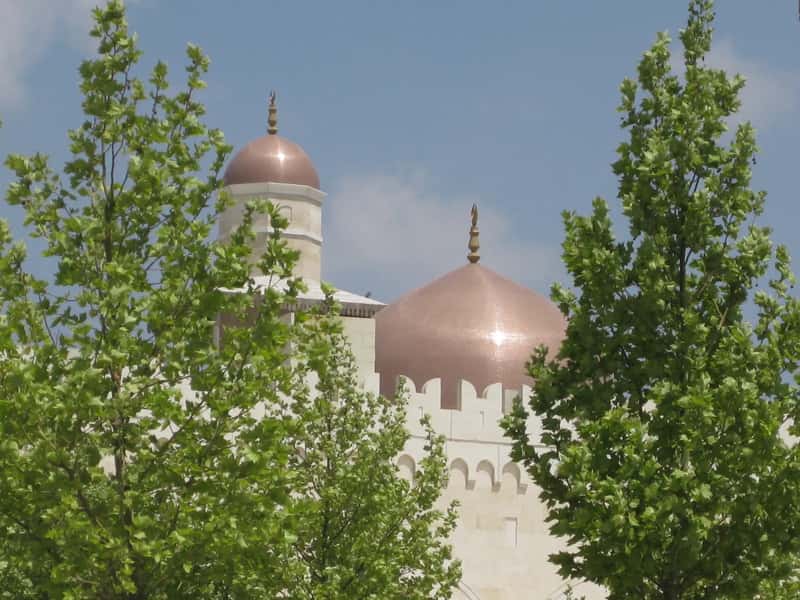
Jordan leads the Middle East and North Africa region in weekly worship attendance, reflecting the country’s strong Islamic religious identity. According to Pew’s research, most Jordanians, 64%, attend services weekly, while only 30% of Israelis do[4]. That gap illustrates just how much variation exists even among neighboring countries in the same region.
Jordan’s high attendance rate is closely tied to its role as a center of Sunni Islamic scholarship and practice in the region. Friday prayers hold particular importance across Jordanian society, drawing large crowds to mosques in Amman and beyond. The country’s religious institutions remain deeply embedded in public life, reinforcing weekly attendance as a widely shared cultural and spiritual expectation rather than a minority practice.
9. Egypt
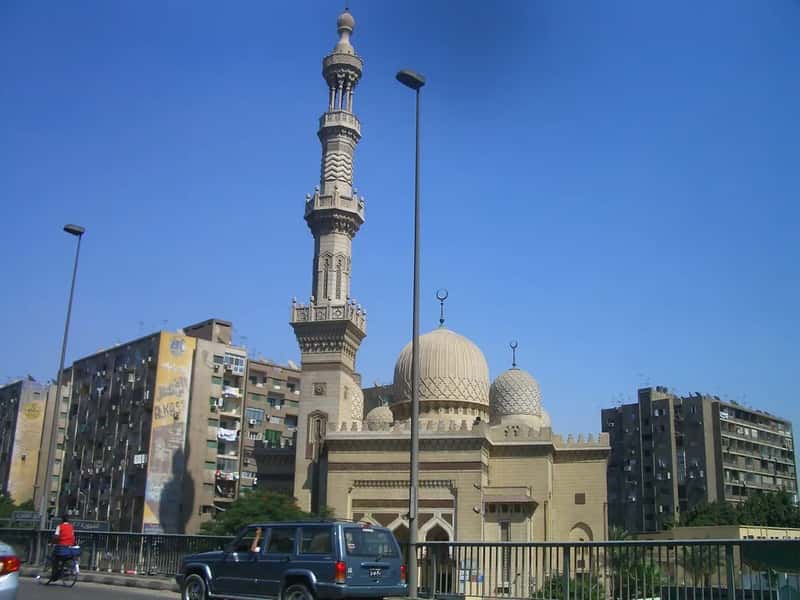
Egypt rounds out this list with the second-highest weekly worship attendance rate in the Middle East and North Africa region. Pew’s data shows that Egyptians attend services weekly at a rate of 62%[4], placing the country just behind Jordan but still far ahead of most nations worldwide. Egypt’s population includes both a Muslim majority and a substantial Coptic Christian minority, both of which contribute to these overall attendance figures.
Cairo’s mosques fill for Friday prayers throughout the week, while Coptic churches across Egypt maintain their own strong weekly attendance traditions that stretch back nearly two thousand years. This dual religious heritage, one of the oldest continuous Christian communities in the world alongside a large and devout Muslim majority, gives Egypt a religious landscape unlike almost anywhere else. Despite political and economic pressures in recent years, weekly worship has remained a stable and central feature of everyday Egyptian life.
What These Numbers Reveal About Global Faith

Taken together, these nine countries paint a clear picture of where religious devotion remains strongest in practice, not just in belief. Nearly all of them share a common thread of younger populations, lower average levels of formal schooling, and religious institutions that function as central pillars of community life rather than optional social activities. Researchers have noted this pattern consistently, observing that education levels and worship attendance tend to move in opposite directions across countries.
Meanwhile, wealthier nations in Western Europe and parts of East Asia continue trending in the opposite direction, with weekly attendance often falling into the single digits. The contrast is striking: while a country like Poland reports the highest attendance in Europe at around 42 percent, that figure would rank near the bottom among the nations featured here. As global demographics shift and populations in Africa and parts of Asia continue growing rapidly, these devout nations are likely to represent an increasingly large share of the world’s actively worshipping population in the decades ahead.