A rental listing used to be judged by its photos, and for years that was a fair shortcut. In 2026 it’s a weaker one, because the tools that make a kitchen look sunlit and spotless can also make a kitchen that has never existed. Rome, one of the most booked cities in Europe, has become a place where this gap between screen and street can cost travelers a night’s sleep and a good deal of money.
This article looks at how these scams are put together, why Rome keeps appearing in the reports, and what the rules and platform protections do and don’t cover. The details come from news coverage, platform statements and Italian regulatory guidance from 2024 to 2026.
Why Fake Listings Are Harder to Spot in 2026
The central problem is that human eyes are no longer a reliable filter. Airbnb’s own research, as reported by travel outlets, found that nearly two thirds of British travelers struggled to tell AI generated property images from real ones. More than a third mistook fakes for genuine photos, while another quarter weren’t sure.[1]
Not every polished photo is a red flag. One travel writer notes that there has been a big rise in AI edited photos on Airbnb, mostly meant to make a place look more appealing[2]. Still, scammers can use the same tools to roll out fake listings that look perfectly normal.[2]
How an AI Generated Listing Gets Built
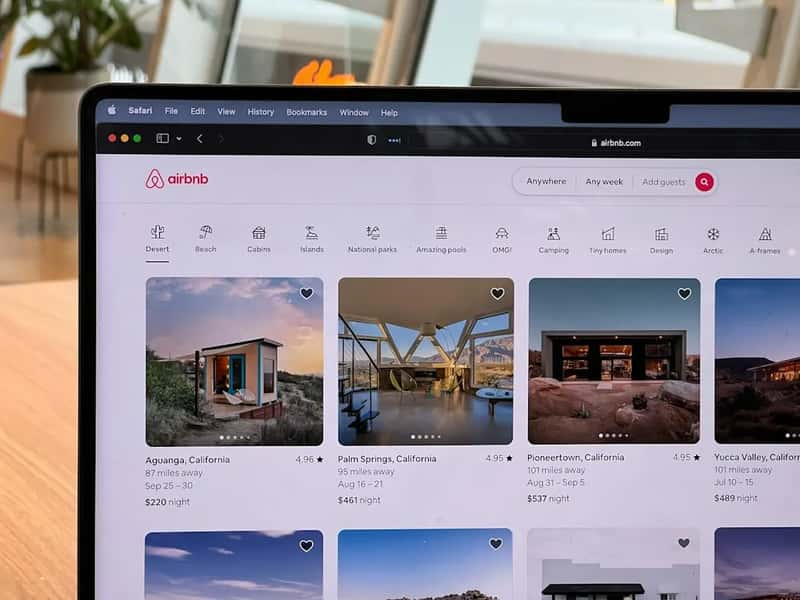
The basic recipe is simple. A fraudulent host creates a listing using AI generated photographs of a property that either doesn’t exist or isn’t theirs to rent.[3] One guide describes images produced from a short text prompt, resulting in a space that looks architecturally coherent and is entirely fictional.
The photos are only the first layer. Scammers can also generate fake reviews and fake profiles that make them look like an experienced, multi year host.[2] Another report adds that a few keystrokes can create a listing that looks more professional than the real thing.[1]
What the Rome Version Looks Like
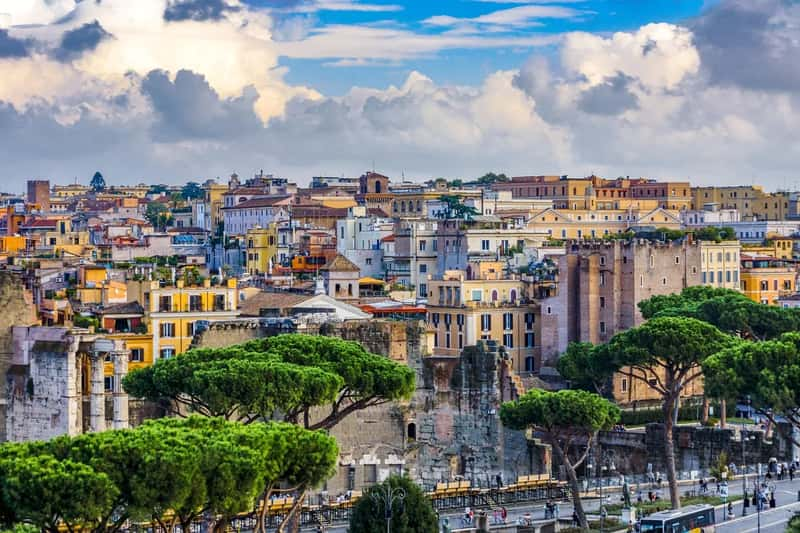
Reports from 2024 and 2025 describe a surge of fake rentals across Europe. Tourists in Paris, Rome and Prague were left stranded after booking nonexistent apartments, often lured by cheap deals and asked to pay upfront.[4] In Rome, dozens were reportedly tricked by fake hosts using stolen listings.[4]
The pattern continued into 2026. In August, Euro Weekly News described a case in which criminals allegedly took control of the online profile of a legitimate property in the Siena area and used it to sell bookings for a fictitious apartment in Rome.[5] The report says the apartment looked real on a screen, yet nothing was waiting for the guests on arrival.
Why Rome Attracts Scammers
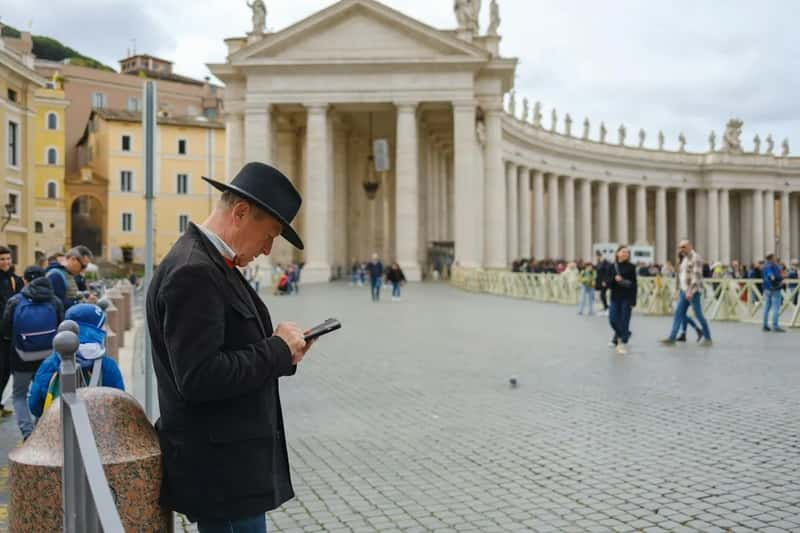
Demand is the simple answer. Rome was preparing for enormous visitor numbers around its 2025 Jubilee, with the city expecting to welcome 35 million pilgrims and tourists.[6] When rooms are scarce and prices climb, a cheap listing is tempting, and travelers book faster than they check.
The city’s rental landscape also adds confusion. Self check in is common, and guests often receive instructions by message rather than meeting anyone. A scammer who never has to appear in person fits neatly into that routine, which is why a missing host doesn’t always set off alarms.
The Payment Trap Outside the Platform
Many of these cases hinge on moving the guest away from the booking site. Some scammers send a fake Airbnb payment link or a counterfeit confirmation document.[7] Others build lookalike pages, copying genuine listings and creating a spoofed website that looks nearly identical to Airbnb’s.[4]
Once money leaves the platform, protection tends to leave with it. One 2026 guide notes that Airbnb’s AirCover doesn’t cover payments made outside the platform.[3] A request to pay by bank transfer or to continue the conversation elsewhere is worth treating as a stop sign.
What Italy’s CIN Code Can and Can’t Tell You
Italy now requires a national identification code, known as the CIN, for short term rentals. It must be displayed on all online listings and on the property itself.[8] It became compulsory on January 1, 2025.[9] Hosts who lack one face fines of €800 to €8,000 per violation.[10]
For guests, the code is a useful first check. According to The Local, it means the property is registered with the tourism ministry, meets fire safety standards and the owner is paying tax on the rental income.[8] Inside Airbnb data cited in one 2026 guide shows that the large majority of active Rome listings display a code. A listing without one deserves questions, though a code on its own isn’t proof, since scammers can copy details from real listings.
Photo and Address Checks Worth Doing
A few minutes of checking can expose a lot. Run listing photos through a reverse image search, since tools like Google Lens can show whether pictures appear elsewhere.[1] Stolen images tend to turn up on other sites under different addresses.
Then look at the location. You can ask for clarifying information about the rental’s location so you can look it up on Google Street View.[2] If the street view shows a vacant plot where a building should be, or an entrance that doesn’t match the exterior photos, you’ve learned that before paying anything.
What Airbnb Says It Covers
Airbnb has been working on verification for some time. In 2023 it announced that it would verify listings in its top five markets, asking hosts to submit information such as photos with GPS data.[11] The company also said that year that it had blocked 157,000 fake listings from joining the platform and removed 59,000 fraudulent listings.[11]
On the guest side, the rule of thumb is to stay inside the app. One 2026 guide says that if payment goes through the platform and the listing proves fraudulent, AirCover should provide recourse.[3] Airbnb’s April 2026 terms update, meanwhile, banned AI generated evidence in host damage claims[12], which protects hosts rather than guests booking a place.
If You Arrive and Nothing Is There
Start by documenting everything: screenshots of the listing, the messages, the payment confirmation and the empty address itself. Then report the listing to Airbnb using the in-app reporting function[3] and contact Airbnb support right away so a rebooking or refund request is on record. Photos taken at the spot, with timestamps, make the case easier to follow.
If money moved outside the platform, call your bank or card issuer quickly. In one Rome case reported in 2025, local police received many complaints and eventually had a fake listing removed, so a police report can also support a claim. Reports from Rome’s tourism department and police in summer 2025 also indicate that scam alerts for incoming tourists have been issued.
A Short Checklist Before You Book
Keep payment and messages inside the platform, and treat any request to move elsewhere as a reason to walk away. Check that the listing shows a CIN code, run the photos through a reverse image search, and confirm the address on Street View. Be wary of prices far below those of similar places, and read reviews for specifics rather than praise alone.
Before you fly, save the host’s full listing page, the confirmed address and the support contact details offline. Have a backup hotel option with free cancellation for your first night. With those steps done, an empty lot becomes a problem you spot from your sofa rather than from the pavement.