Airport terminals have turned into food halls in their own right, with burger chains, pizza counters, and noodle bars lined up right next to the gate. That convenience comes at a cost that has little to do with the price tag. What you eat in the hour before boarding can shape how your stomach behaves for the next several hours, especially once cabin pressure starts working against your digestive system.
Doctors and dietitians who study travel health keep coming back to the same handful of culprits. Grease, salt, carbonation, and certain vegetables all interact badly with the low pressure and dry air inside an airplane cabin. Here is a closer look at six food court staples worth skipping before you head to your gate.
The deep fried combo meal

A cheeseburger with a side of fries feels like the obvious airport comfort meal, but it is one of the worst choices before takeoff. Fried, fatty food slows down how quickly your stomach empties, and cabin conditions make that problem worse rather than better. Changes in cabin pressure and oxygen saturation, along with vibration and motion, can inhibit gastric emptying, making it harder for digested food to move along and contributing to bloating, gas, and nausea.[1] A one hour hop might not cause much trouble, but longer flights give that heavy meal plenty of time to sit and ferment.
There is also a less talked about circulation angle. Sitting squished and immobile in a pressurized cabin hinders blood flow, which can eventually contribute to swollen feet and, in more serious cases, deep vein thrombosis.[2] No researcher claims a single burger causes a blood clot, but pairing a heavy, greasy meal with hours of cramped immobility is not exactly doing your circulation any favors. Skipping the fried combo and choosing something lighter is a small trade that can make a noticeable difference by the time you land.
Loaded pizza and cheese heavy nachos
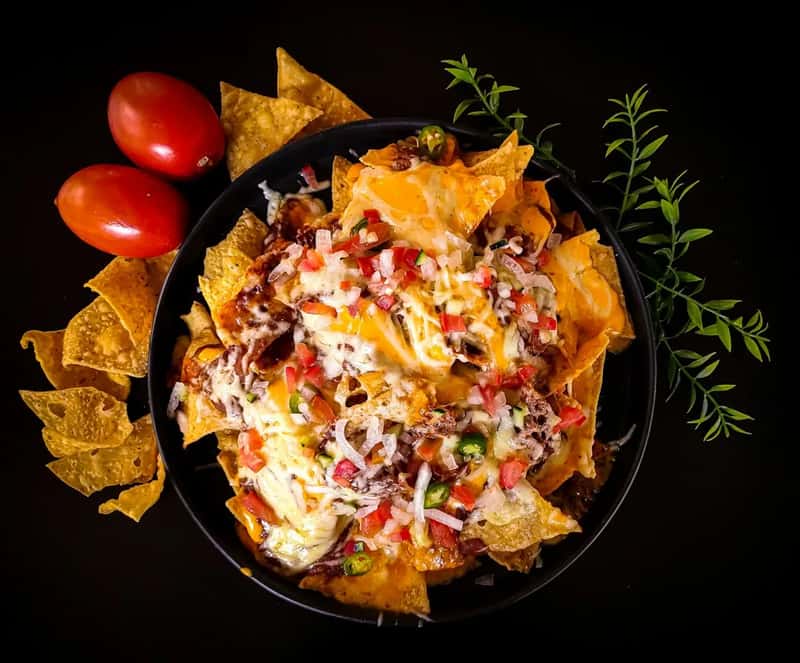
A cheesy slice or a tray of nachos might look harmless compared to a burger, but the combination of dairy, oil, and sodium creates its own set of problems at altitude. Airports rarely use the lightest oils, and that matters more than people think. Fried oils are another culprit behind digestive discomfort, since hydrogenated oils are not easily digested and can cause a stinky air about a person, or make a gassy escape when least expected.[3] On a full flight with strangers on either side, that is not a great outcome to sign up for.
Sodium is the other issue hiding in plain sight. Heavily sauced dishes, whether it is a marinara laden pizza or a nacho tray drenched in queso, tend to pack far more salt than they appear to. Foods heavily sauced, along with processed meats and hot dogs, are often loaded with sodium, and the combination of sodium, dehydration, lack of movement, and cabin pressure can leave travelers uncomfortable enough to need a laxative.[4] A simpler option, even a plain slice with less cheese, tends to sit far easier once the plane climbs.
Any combo meal paired with soda
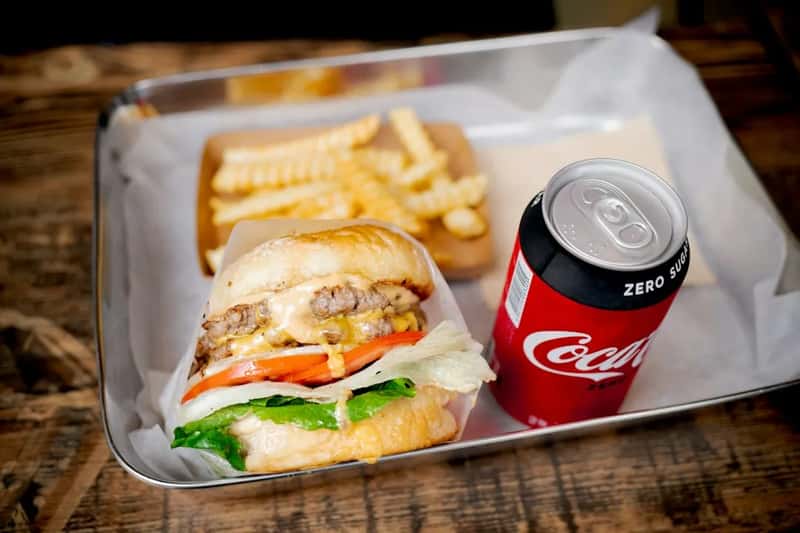
Grabbing a fountain soda to go with a sandwich or a burger feels automatic at an airport counter, but carbonation is one of the fastest ways to feel uncomfortably full before you even board. The gas dissolved in soda does not just disappear once you swallow it. Fizzy drinks contain high volumes of carbon dioxide, and some of that gas gets trapped in the digestive system, which can cause cramping and uncomfortable bloating.[5] Add a greasy sandwich to the mix and the effect compounds rather than cancels out.
Nutrition experts who study travel comfort consistently point to this same pairing as a mistake. Fried food paired with a bubbly soft drink means extra air in the stomach that can quickly expand as cabin pressure declines.[6] Swapping soda for still water at the counter costs nothing extra and removes one of the easiest sources of pre-flight bloating.
Broccoli, bean, and cruciferous heavy salads
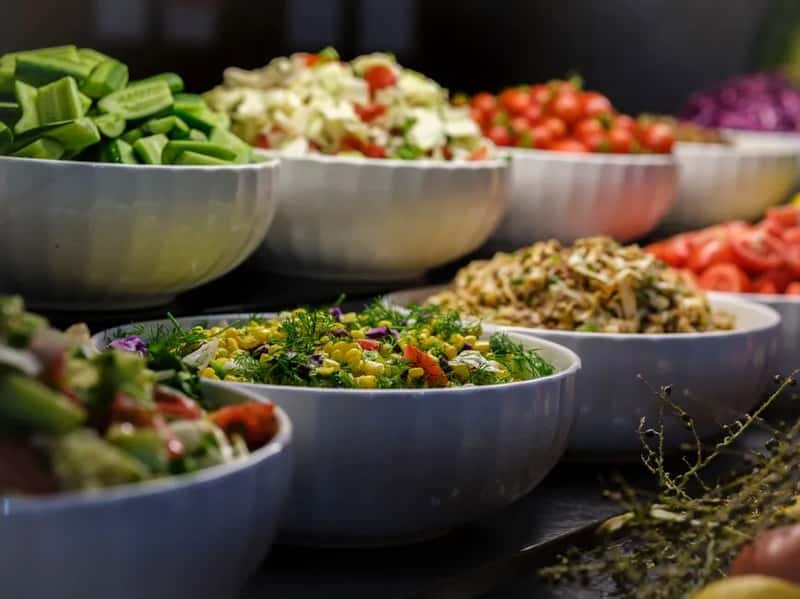
Choosing a salad at the airport feels like the responsible move, and often it is, but not every salad bowl is created equal before a flight. Bowls built around broccoli, cauliflower, kale, and beans are nutritious on the ground, yet they turn into a liability once you are airborne. A nutritious salad full of vegetables like broccoli, kale, cauliflower, beans, and kohlrabi may seem like the ticket, but these high fiber, gas promoting vegetables are worth passing on before flying.[3] The fiber itself is not the problem on the ground, it is what happens to the gas those foods generate once pressure drops.
Multiple nutrition sources land on the same short list of vegetables to avoid before boarding. Experts advise avoiding gas producing foods such as beans, lentils, broccoli, cabbage, onions, and Brussels sprouts before flying to minimize bloating.[7] A simpler mixed greens bowl with lean protein and no beans gives you the fiber benefit without the mid flight discomfort.
Salty pretzels, chips, and packaged deli sandwiches
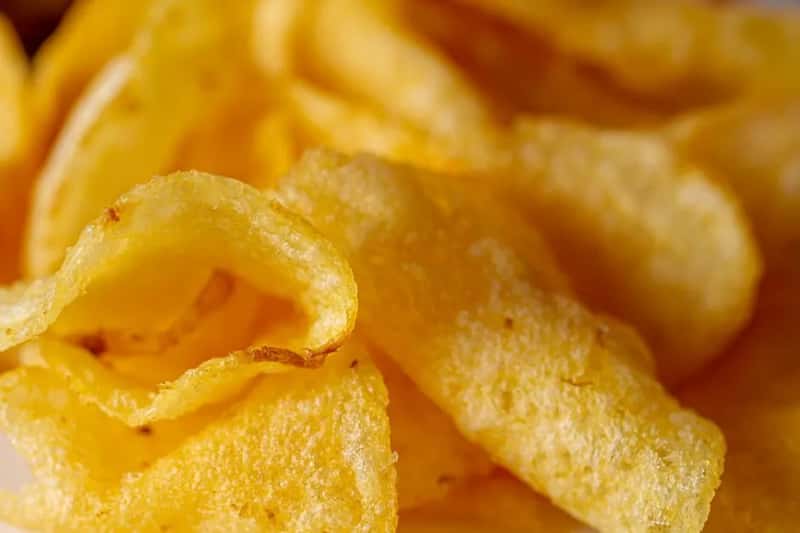
Grab and go sandwiches and bagged snacks look convenient, but they are often the saltiest thing in the terminal. Processed deli meat in particular carries a surprising sodium load. Processed deli meats such as salami, pepperoni, and ham typically contain five hundred to seven hundred milligrams of sodium per two to three slices alone.[8] Stack that on top of an already salty bread and condiments, and one sandwich can eat up a large share of a daily sodium target before the flight even leaves the ground.
The reason this matters more in the air than on the ground comes down to humidity and fluid balance. High sodium foods can dehydrate the body, and flying can exacerbate those symptoms, resulting in headaches, constipation, or fatigue, since dehydration sets in easily thanks to the lack of humidity and dry air in the cabin.[9] Even a mainstream airline meal is not exempt from this problem, since one analysis found the average tray carries a hefty sodium count well above what nutrition guidelines recommend for a single meal.
Spicy wings, curry bowls, and hot sauce loaded dishes
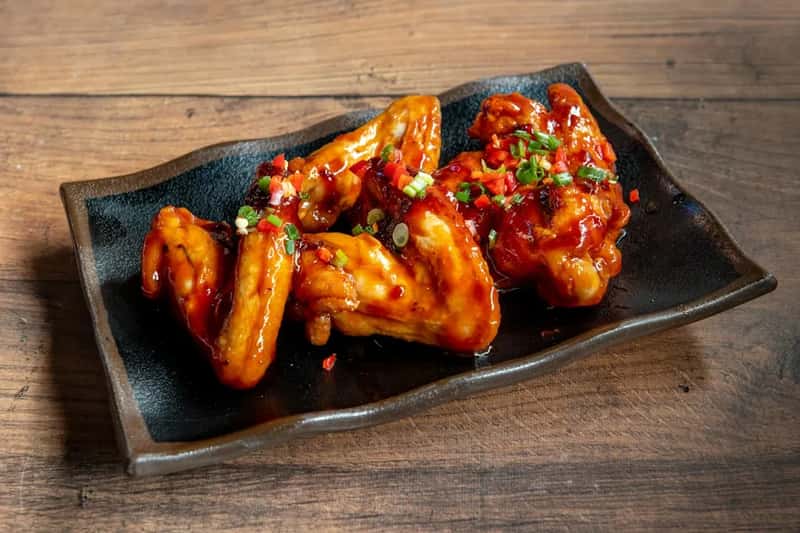
A food court curry bowl or a plate of buffalo wings might sound like a satisfying way to kill time before boarding, but spice heavy dishes tend to backfire at altitude. The gut does not always appreciate a sudden hit of capsaicin right before hours of sitting still. Spicy dishes can irritate the gut, causing stomach pain, heartburn, or diarrhea, none of which pair well with a middle seat.[10] Curries in particular often lean heavily on onion and garlic as a base, which brings its own separate complication.
That complication has to do with what happens after digestion rather than during it. Eating foods like garlic and onion, which contain volatile sulfurous substances, means those compounds get absorbed into the blood and lungs after digestion, showing up later as bad breath and body odor.[3] Combine that with the flatulence risk already tied to flying, and a spicy, onion heavy bowl becomes one of the least considerate choices for a shared cabin. A milder grain bowl or a simple protein plate gets you fed without the aftermath.