Picture this: you’ve planned your dream vacation for months, packed your bags, and arrived at the airport buzzing with excitement. Then, a gate agent shakes their head and tells you that you can’t board. Your passport expires in five months, your visa has a detail wrong, or your layover is just ten minutes too short. These aren’t rare horror stories from unlucky travelers. They happen every single day at airports worldwide, turning anticipated adventures into frustrating nightmares before planes even leave the ground.
International travel involves more moving parts than most people realize, and airlines, immigration officers, and security checkpoints enforce rules that seem designed to trip you up. According to recent data from the International Air Transport Association, preventable passenger errors cause thousands of denied boardings annually, with passport validity issues and visa problems topping the list. The good news? Nearly all these travel disasters are completely avoidable once you know what mistakes to watch for. Let’s dive into the specific airport missteps that catch even experienced travelers off guard and how you can sidestep them entirely.
When Your Passport Looks Valid, Yet Still Gets You Denied
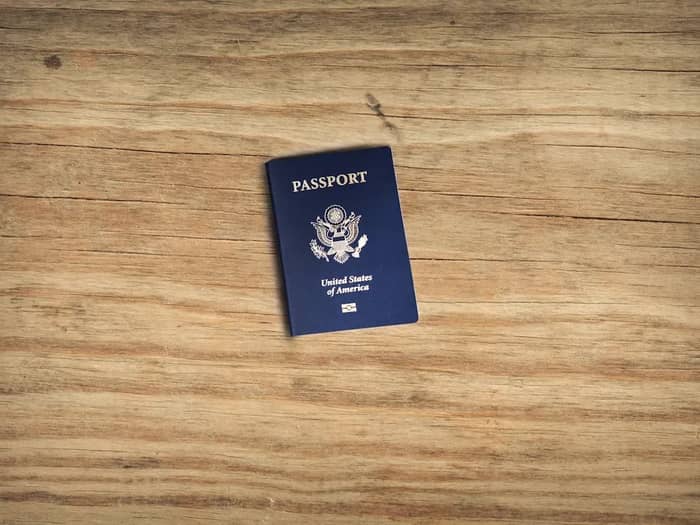
Many countries enforce the six-month passport validity rule, requiring your passport to remain valid for at least six months beyond your date of entry. Failing to meet this rule can result in denied boarding or being turned away at immigration. It’s a shock when you’re standing at the gate with what feels like a perfectly good passport in hand, only to be told you’re not going anywhere. I think most travelers assume that as long as the document isn’t expired, they’re fine. That’s not how it works.
Several countries, including those within the Schengen Area, require your passport to be valid for three months beyond your intended departure date, covering popular European destinations like Austria, Belgium, the Czech Republic, Croatia, Denmark, France, Germany, Italy, Spain, and Switzerland. Numerous countries in the Asia-Pacific and Middle East regions require a U.S. passport to have at least six months of validity remaining, including mainland China, Mongolia, Vietnam, Cambodia, Thailand, Malaysia, Singapore, and India. Even a few months on your passport can suddenly be insufficient.
Some countries require that your passport have at least six months of validity beyond the dates of your trip, and some airlines will not allow you to board if this requirement is not met. Here’s the thing: the airline bears financial responsibility if you’re denied entry at your destination. So they’re checking your documents with extreme caution. According to international treaties, it is the responsibility of the airline to ensure that you will be admitted into the country, and in case you are denied entry, the airline has to both pay a hefty fine and return you to the airport of origin at their cost.
Visa Confusion That Leaves You Stranded at Check-In
Travelers have been denied boarding due to airline staff not being aware of visa requirements, even when passengers showed official embassy websites proving no visa was needed. Let’s be real, gate agents aren’t immigration lawyers. Airline gate agents don’t have the recent relaxations of all possible combinations of origin and destination countries memorized. The problem is that their confusion becomes your problem.
Common reasons for visa-related boarding denials include a mismatch of details between your e-visa and passport information, system errors where airline or immigration systems fail to verify your e-visa, and travel purpose misalignment where your travel purpose doesn’t match your visa type.
Airlines might refuse to board you if they have information indicating you might be denied entry by CBP, such as when your passport is not valid for the required amount of time for nationals of your country entering the United States. When passengers hold separate tickets, airlines may err on the side of caution to avoid liability for immigration issues, and the lack of uniform enforcement often leads to disputes and financial loss for travelers. You can argue until you’re blue in the face, but ultimately, they control the gate.
Cutting It Too Close With Connecting Flights
Minimum Connection Times define the shortest allowable time for passengers to transfer between flights at an airport, and factors influencing MCTs include airport layout, airline partnerships, customs and immigration procedures, and whether passengers are transferring between terminals. Think of MCT as the absolute bare minimum under perfect conditions. Perfect conditions rarely exist in real travel.
The difference between a 30-minute connection and a 60-minute connection is huge, as roughly 19% of flights were delayed by 30 minutes or more into Chicago O’Hare during the 2018 holiday season, while only 10% were delayed by 1 hour or more. Comparing delay statistics shows that while some United hubs had relatively low rates of 1-hour arrival delays at around 6%, Chicago O’Hare came in at 9%, and Newark at 13%. The airport you’re connecting through matters enormously.
Too many travelers miss flights because they do not give themselves enough time to get from one gate to another, or factor in the time it takes to get through security checks between flights. Some travelers suggest nothing less than 4 hours would suffice for U.S. connections in order to clear immigration and check back in for the next flight. Honestly, an extra hour in an airport lounge beats the panic of sprinting between terminals while your flight boards without you.
A short MCT can significantly increase the risk of missed connections and lost or delayed baggage if a passenger’s incoming flight experiences a delay. Globally, 99.5% of all baggage travels with the passenger as planned, but many baggage mishandlings occur at the transfer point due to punctuality issues, and sometimes it is simply not possible to move the bags between flights in the time available.
Overlooking Checked Baggage Rules Until It’s Too Late
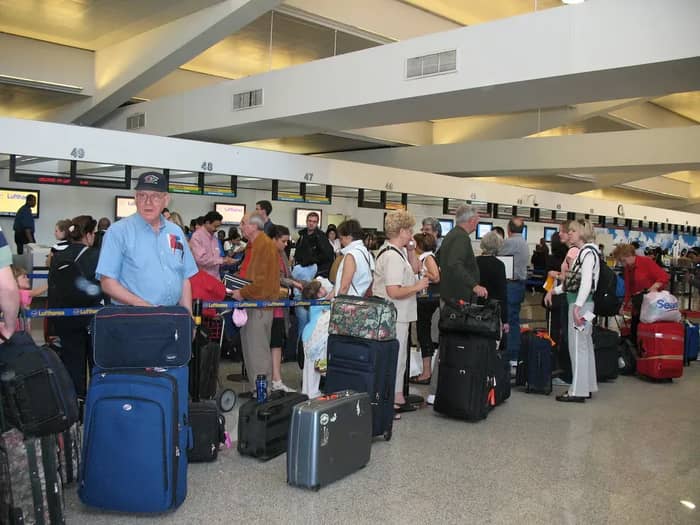
Fees keep changing. What you paid last year might not be what you’ll pay this time. For some carriers, the first bag costs $35, the second bag $45, and additional bags $150, with an extra $100 charged for bags weighing 51 to 100 pounds.
Where the piece concept applies, generally two pieces of checked baggage are allowed per passenger, each piece weighing a maximum of 32 kilos and measuring no more than 158 cm when adding the dimensions. The checked luggage weight limit for international flights is usually 50 lbs, as most airlines set this limit to reduce the risk of injury to baggage handlers. Exceeding these limits doesn’t just cost you money at the counter. It can delay your entire check-in process.
Airlines only through checked bags if all your tickets are in the same reservation and you’re connecting to another American Airlines or oneworld flight. According to IATA regulations, it is not necessary for airlines to provide baggage check-in services to a passenger’s final destination when holding separate tickets, as there are 2 separate contracts of carriage, and airlines have announced they will not provide a baggage check-in service for separate tickets. Booking cheaper flights on separate tickets might save a few dollars upfront, but it creates baggage nightmares later.
Misunderstanding TSA Security Restrictions
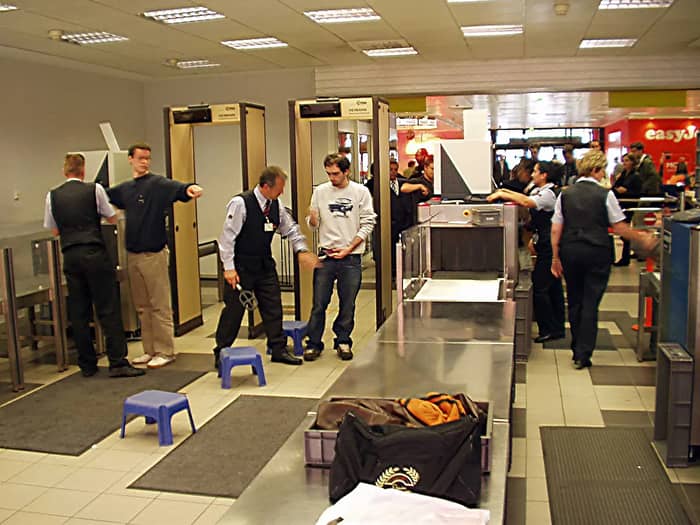
You’d think liquids would be straightforward by now. Still, people show up with full-size bottles of shampoo and act surprised when they’re pulled aside. Even if an item is generally permitted, it may be subject to additional screening or not allowed through the checkpoint if it triggers an alarm during the screening process or poses other security concerns. Security agents have final say, and they’re not there to debate.
The final decision rests with the TSA officer on whether an item is allowed through the checkpoint, and officers may ask you to power up your electronic device, including cell phones, as powerless devices will not be permitted onboard the aircraft. Dead phone, no flight. It sounds harsh, but security rules exist for reasons beyond inconvenience. Planning what you pack and how you pack it saves far more time than scrambling at the checkpoint.
Arriving Without Adequate Buffer Time
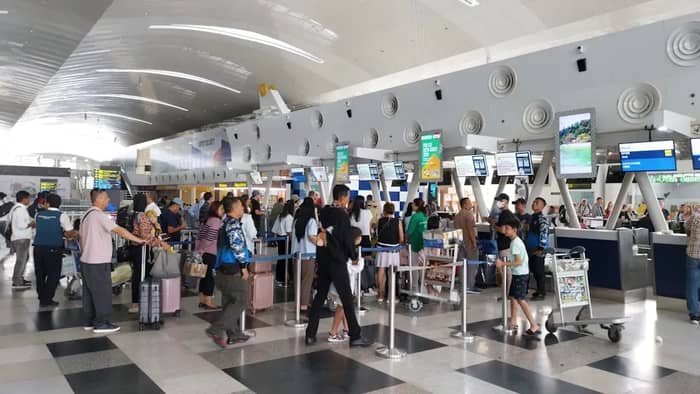
For international flights, travelers should plan to arrive at the airport three hours before flight departure time, giving time to find a spot in the airport lounge to relax before takeoff. Airlines recommend aiming to arrive at the airport at least 3 hours before departure when traveling to an international destination, and you must be checked in at least 1 hour ahead of your departure. Three hours feels excessive when you’re sitting at home. It feels perfectly reasonable when you’re stuck in an immigration line that hasn’t moved in twenty minutes.
Airport staffing and CBP resource planning often lag behind shifting demand, creating an unusual dynamic during December when the busy season occurs with uneven pressure on immigration lines depending on the airport and time of day, with some terminals managing crowds smoothly while others face long queues.
The average processing time during the 2024 holiday travel period was 22 minutes. That’s just the average. Half the time it’s longer. Add in security screening, check-in, and the walk to your gate, and suddenly, three hours doesn’t seem so generous. Missing your flight because you misjudged timing is one of those mistakes that feels entirely preventable in hindsight.
When Small Oversights Create Big Problems
International travel involves layers of regulations that domestic flights never touch. Each layer presents another chance to trip yourself up. The travelers who sail through airports aren’t necessarily lucky. They’ve usually just learned these lessons the hard way already. Checking passport expiration dates months before booking tickets, understanding visa requirements well before departure, and building generous connection times into itineraries might seem overcautious. Until you watch someone get turned away at the gate, it seems pretty reasonable.
Airlines and airports operate on tight margins with strict rules. Those rules don’t bend because you didn’t know about them. The good news is that nearly all these mistakes are preventable with planning. Read the requirements. Double-check the details. Give yourself more time than you think you need. Your future self standing calmly at the gate will thank you. What’s your worst airport experience been?