Timing a property purchase in a foreign country is rarely as simple as watching a single chart tick up or down. Mortgage rates, currency swings, local politics, and even the season you fly out to view listings can all quietly shift the final price you pay. Anyone who has shopped for a home overseas knows the frustration of falling in love with a place only to watch the numbers change before the ink dries on an offer.
Why timing matters more abroad than at home
Buying in your own country is complicated enough. Add a foreign currency, an unfamiliar legal system, and a market you can’t watch from your kitchen table, and small timing mistakes get amplified fast. A dip in a lira or a euro can add or subtract thousands from a purchase before you even factor in the property itself.
This is why seasoned overseas buyers tend to treat timing as a discipline rather than a hunch. One of the primary factors affecting the viability of an overseas property investment is the exchange rate, and buyers are often advised to review a currency’s current economic standing against historical rate charts, since currencies fluctuate over time. Getting a feel for the rhythm of a market, rather than reacting to a single headline, tends to separate good decisions from expensive ones.
When interest rates and mortgage costs make the case to buy

Interest rates set the tone for almost every property market on earth, and 2026 has not been the rate relief many buyers hoped for. U.S. mortgage rates were expected to hover near 6.3% in 2026 according to Realtor.com’s chief economist, with Redfin also projecting 30-year fixed rates averaging 6.3%, dipping slightly from 6.6% in 2025. That’s a far cry from pandemic-era borrowing costs, and it changes the math for anyone financing a purchase rather than paying cash.
Europe tells a similarly mixed story. Across the euro area, the European Central Bank deposit rate is expected to settle around 2%, though elevated long-term government bond yields are likely to prevent significant reductions in mortgage pricing in the near future. For buyers relying on financing, this means the “wait for rates to drop” strategy has limited upside right now. Cash buyers, or those who can secure favorable local financing, are in a stronger position to act sooner rather than later.
Currency swings: the hidden factor that can beat or break a deal
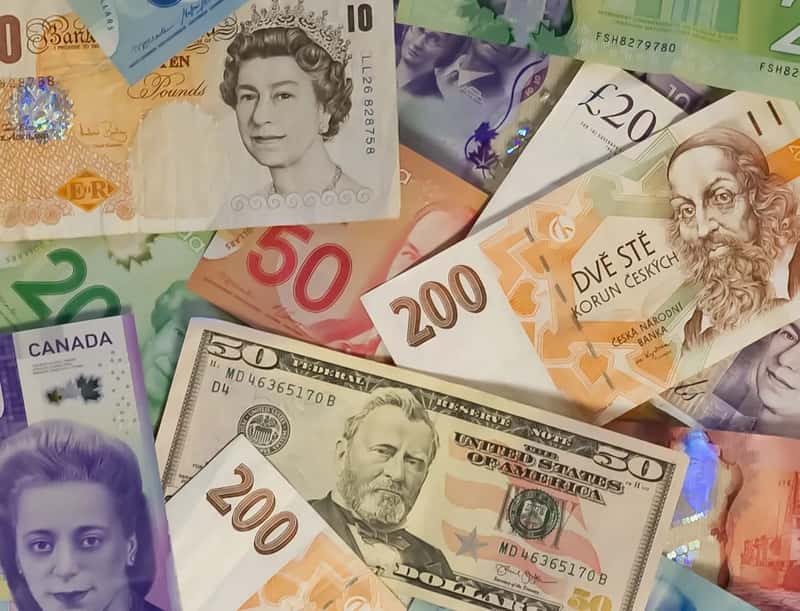
Exchange rates can move a property’s real cost more dramatically than the listing price itself ever will. Exchange-rate movement can change the real price of an overseas property by thousands. A villa that looks like a bargain in the local currency can quietly become expensive once converted back into dollars, pounds, or euros.
History offers some vivid examples of how fast this can happen. After the Brexit vote in the UK, the pound’s value fell 10% against the USD in one day, and in the three months that followed, 78% of commercial property sales were paid for by foreign investors swooping in on a bargain. That kind of volatility cuts both ways: it can create a buying window for one nationality while making the same market suddenly pricier for another. Watching currency trends for several months before committing, rather than reacting to a single day’s rate, is generally the safer approach.
Seasonal buying patterns in popular markets

Beyond macroeconomics, plain old seasonality still shapes overseas property markets. In Mediterranean hotspots like Spain, Greece, and Portugal, listings tend to swell in spring as sellers prepare for the summer rush of holiday buyers, while winter months often bring quieter negotiations and more room to haggle. Buyers willing to shop in the off season, when local agents have fewer competing offers on their desks, sometimes find sellers more flexible on price.
This pattern shows up clearly in markets currently experiencing strong momentum. Italy and Spain continue to outperform much of Europe, supported by persistent housing shortages and accessible mortgage credit, with Spain’s annual house price growth having already reached double digits as demand for housing continues to exceed new residential construction. In fast-moving markets like these, buying during a quieter season can be one of the few remaining ways to negotiate on price rather than compete against a bidding war.
Reading the local market cycle before you commit
Every country moves through its own property cycle, and lumping “buying abroad” into one global trend misses the point entirely. Analyzing the long-term real estate trends of the past decade matters because different markets have different trends even in fairly close proximity, since localized factors mean what happens in one city may not apply to a neighboring one. A recovering market and an overheated one can sit just a border apart.
Right now, some markets are clearly in recovery mode while others show signs of cooling. Spain is showing classic signs of a market recovery, and while some areas faced a stall due to oversupply in previous years, property sales are up across the board in 2026. Meanwhile, other parts of Europe are seeing forecasts pulled back. The Netherlands represents one of the few European markets where forecasters became notably more pessimistic, with home price forecasts sharply reduced for 2026 amid weakening consumer confidence and expectations of higher inflation and elevated long-term borrowing costs. Knowing which phase of the cycle a specific city or region is in matters far more than any global average.
Political and regulatory shifts that change the calculus

Laws around foreign ownership, residency incentives, and taxation can shift the appeal of a market almost overnight. Golden Visa style programs, for example, have pulled buyers toward certain countries specifically because of the residency benefits attached to a purchase, not just the bricks and mortar. Athens is seeing massive interest due to high rental yields and the enduring popularity of the Golden Visa. When a government tightens or loosens these rules, demand tends to follow quickly.
Smaller, less obvious countries can also see sudden shifts tied to future political milestones. Montenegro, with its sights set on joining the EU by 2028, is seeing property values tick up as investors bet on the so called EU bounce. Buying ahead of such a milestone can mean getting in before prices catch up with expectations, though it also carries the obvious risk that the anticipated event gets delayed or doesn’t happen on schedule.
When to wait: warning signs worth watching

Not every signal points toward buying now, and recognizing the warning signs is just as important as spotting the opportunities. Rising mortgage arrears, softening consumer confidence, and slowing transaction volumes are all flags that a market may need more time to stabilize. Forecasts have raised expectations for mortgage arrears after personal bankruptcies climbed to their highest level since 2009, with borrowers also confronting slightly higher unemployment and declining home equity following softer property prices.
Broader affordability pressure is another reason patience can pay off in certain markets. Small rate drops may not feel as helpful as they sound, since moving from the mid-6% range to something closer to 6% can reduce a monthly payment but doesn’t erase the reality of higher home prices, property taxes, or homeowners insurance costs. If a market shows several of these strain signals at once, waiting a season or two to see how prices settle is often the more prudent path rather than rushing into a purchase under pressure.
The case for buying in emerging or recovering markets right now

Some destinations are showing enough combined momentum in pricing, yield, and buyer interest that waiting may cost more than it saves. Serbia is one example currently drawing attention from yield focused buyers. The average gross rental yield for residential real estate in Serbia in the first quarter of 2026 was 5.63%, a notable level for Europe, especially in Belgrade and Novi Sad. Combined with comparatively low entry prices, that yield profile is hard to ignore for income focused buyers.
Interest is also spreading into markets that were barely on the radar a few years ago. Interest in the query “buy property in the United States” increased by 55% over a recent three month period, while interest in Vietnam, based on the query “buy an apartment in Vietnam,” increased by 114%. This kind of search demand doesn’t guarantee future price growth, but it does suggest buyers are actively repositioning toward markets they view as safer bets for the years ahead.
Practical steps to time your purchase well

Good timing isn’t only about macro trends, it also comes down to preparation. Getting financing sorted early, understanding local legal requirements, and lining up a trustworthy currency transfer partner all reduce the chance that a good deal slips away over paperwork delays. Securing your finances as soon as possible, including getting a mortgage agreement in principle and planning currency transfers in advance, is one of the more practical steps buyers can take.
It’s also worth remembering that currency conversion costs can eat into savings gained from good timing elsewhere. Many banks charge a 5% margin on the daily exchange rate, so sending $100,000 overseas could mean paying as much as $5,000 on top of hefty fees every time a transfer is made. Working with a specialist currency provider rather than a standard bank transfer can preserve a meaningful chunk of whatever advantage careful timing has already delivered.
Final thoughts

There’s no single calendar date or headline rate that makes a foreign property purchase automatically wise or foolish. The real skill lies in reading several signals together: local mortgage conditions, currency direction, seasonal listing patterns, and the specific stage of that market’s cycle. Buyers who take the time to line these factors up, rather than chasing a single trend, tend to end up with both a better price and far fewer regrets down the line.