There’s a particular kind of disappointment that comes from driving hours to reach a national park entrance only to sit in a line of idling cars for forty-five minutes. It happens more than most travelers expect, and it’s rarely a fluke. Park visitation patterns are surprisingly predictable once you know where to look, and knowing them can mean the difference between a peaceful sunrise hike and a parking lot standoff.
Why national park visitation keeps setting records
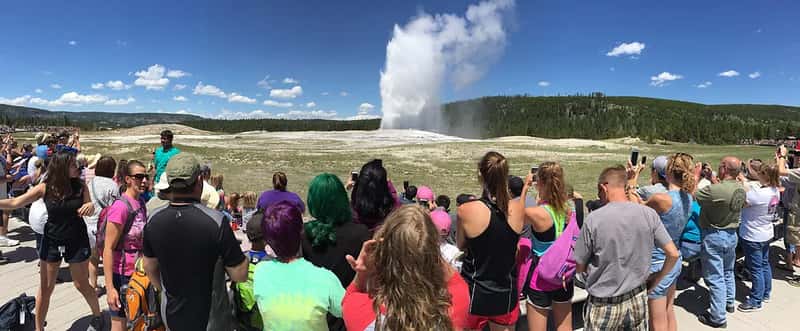
The numbers tell a clear story about how popular these places have become. The National Park Service reported 331.9 million recreation visits in 2024, a 2% increase from 2023 and almost one million more visits than the previous 2016 record of 330,971,689. That streak cooled slightly the following year, though not by much.
The National Park Service reported 323 million recreation visits in calendar year 2025, a decrease of 8.85 million recreation visits, or 2.7%, from the record year in 2024. Even with that dip, 26 parks set all-time visitation records in 2025, which suggests the crowding problem isn’t going away anytime soon. Post-pandemic outdoor habits, easier trip planning through apps, and a broader cultural pull toward nature travel all seem to be feeding this steady climb.
Summer in the marquee parks: the busy season nobody can dodge
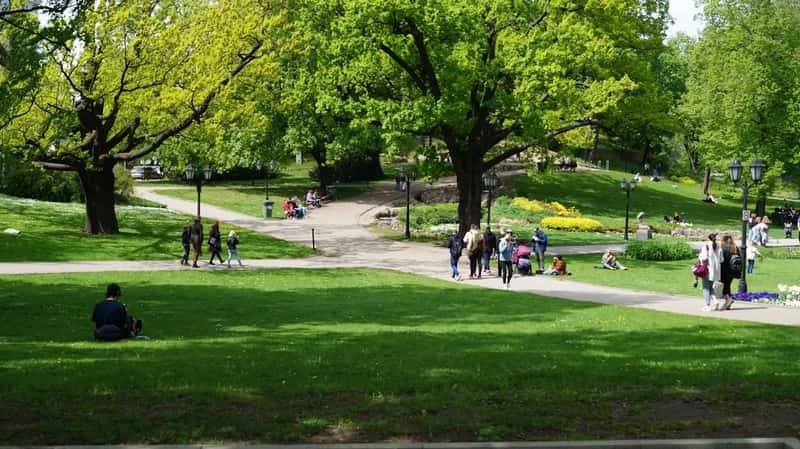
June through August remains the least forgiving stretch at nearly every famous park in the system. School vacations, warm weather, and long daylight hours combine to funnel the largest share of annual visits into a tight ten or twelve week window. Overall visitation is increasing throughout most of the system and half of all recreation visits occur in the top 25 most-visited parks, with significant congestion concentrated in a dozen or so of the most-visited parks.
Crowding conditions tend to happen at hotspots and where entries and exits are limited, and crowding can also be felt at the most popular scenic viewpoints that are within one-quarter mile of a parking lot. That detail matters more than it sounds. It means the crowd problem often isn’t the whole park, it’s a handful of overlook pull-offs and trailhead lots that fill by mid-morning and stay that way until late afternoon.
Spring and fall shoulder seasons are quietly getting crowded too
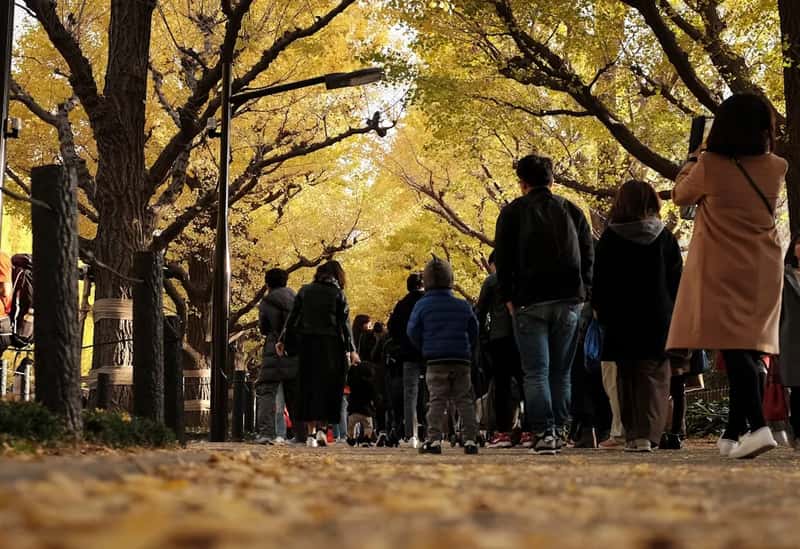
Shoulder season used to be the reliable escape hatch for anyone wanting fewer people and milder weather. That’s shifting. Tracking of visits shows that 55 percent of parks experienced an above-average number of visits in February-June and October-December, months outside of the typically heavy summer months.
Fall color season in particular has become its own kind of peak. Maine’s Acadia National Park experienced a visitation surge fueled by tourists hunting for fall colors and its gorgeous coastline. The same pattern shows up at Great Smoky Mountains and Rocky Mountain, where October weekends can rival July for parking headaches even though the temperatures feel far more pleasant.
Winter still offers the quietest version of most parks
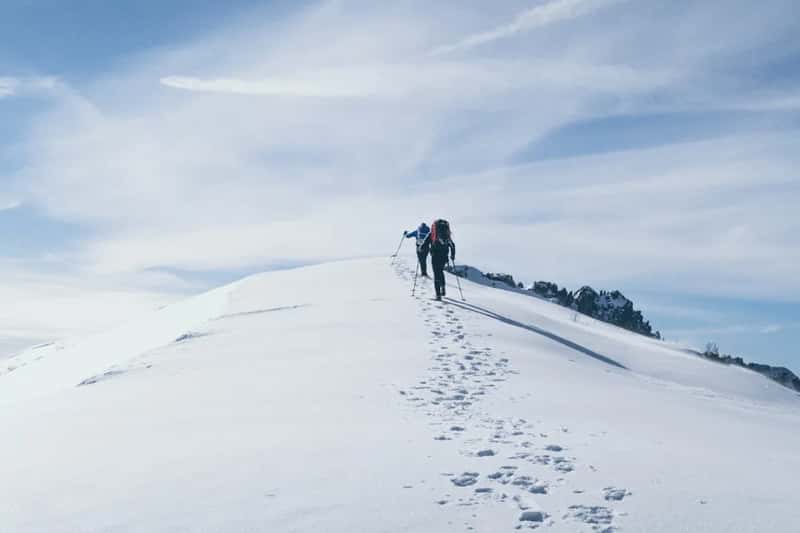
If solitude is the priority, winter remains the most dependable answer. Snow, ice, and shorter days scare off a large share of casual visitors, leaving trails and viewpoints noticeably calmer. At Zion, for example, visiting in winter means December through February with no shuttle requirement, empty trails, and red rock dusted with snow.
The tradeoff is obvious but worth naming plainly. Some roads close, some facilities run on reduced hours, and certain trails become genuinely hazardous without proper gear. Anyone comfortable with cold weather hiking gets a version of these landscapes that summer crowds never see.
Zion National Park: a small canyon carrying a massive crowd
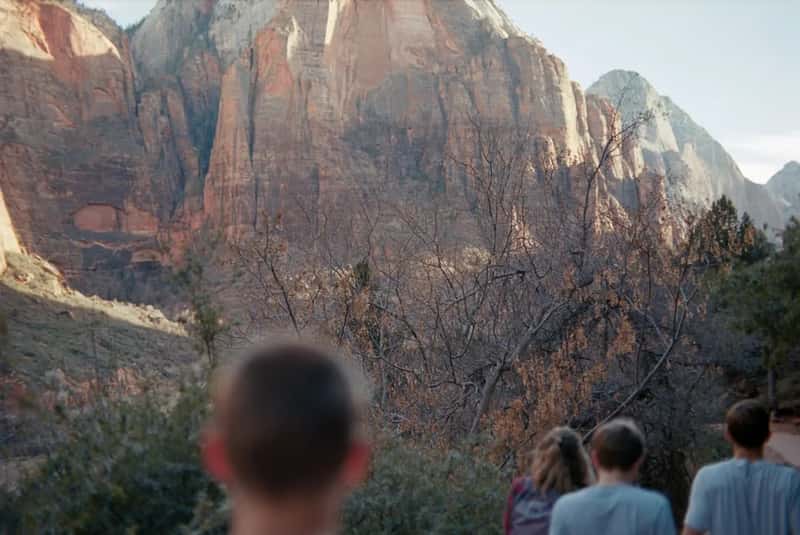
Zion illustrates the crowding problem in its purest form. Zion held the #2 spot in 2025 with 4,984,525 visits, inching up from 2024 and closing in on its all-time high of 5 million set in 2021. That’s an enormous number of people funneled into one narrow canyon, and roughly 5 million people a year squeeze into one canyon, which is about the highest visitor density per square mile of any park in the system.
Zion does not require reservations to enter the park, though visitors still cannot drive through most of the park and need to take the Canyon Shuttle from the Visitors Center, where parking can fill up quickly in peak season. Spring brings its own complication too, since snowmelt regularly swells the Virgin River and closes The Narrows for weeks at a time. The safest bet for a calmer visit is still the deep winter window, ideally a weekday.
Yellowstone and Grand Teton: geysers, wildlife, and weather windows
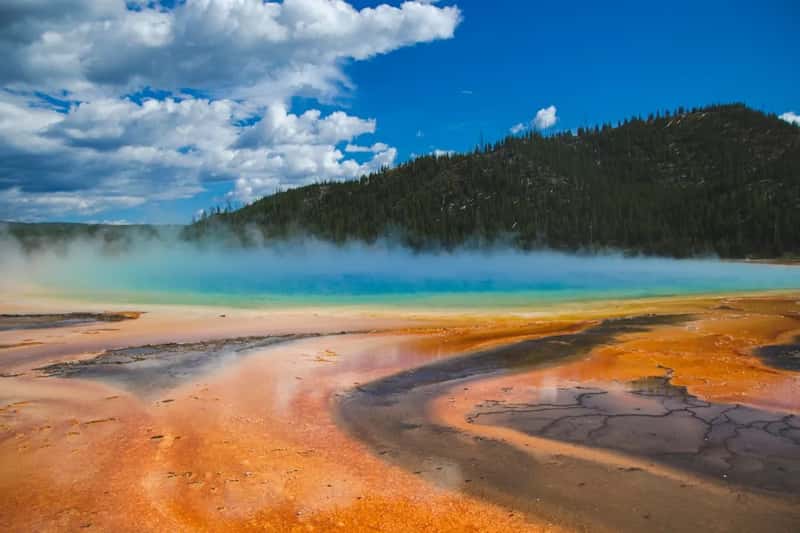
Yellowstone’s popularity keeps climbing steadily rather than spiking dramatically. Yellowstone climbed from #4 to #3 in 2025 with 4,762,988 visits, a slight increase over 2024 and within shouting distance of its all-time high of 4.86 million set in 2021. The park’s size helps spread crowds out compared to something like Zion, since it covers far more ground relative to its visitor count.
Fall is emerging as the smart pick for travelers who still want reliable road access. September brings crowds thinning out and fall color starting to pop throughout the park. Glacier tells a similar story just north of Yellowstone, where visitation numbers moderated in 2024 while September and October figures jumped 60% compared to 2017, a sign that the shoulder months are no longer the secret they once were.
Yosemite drops its reservation system for 2026
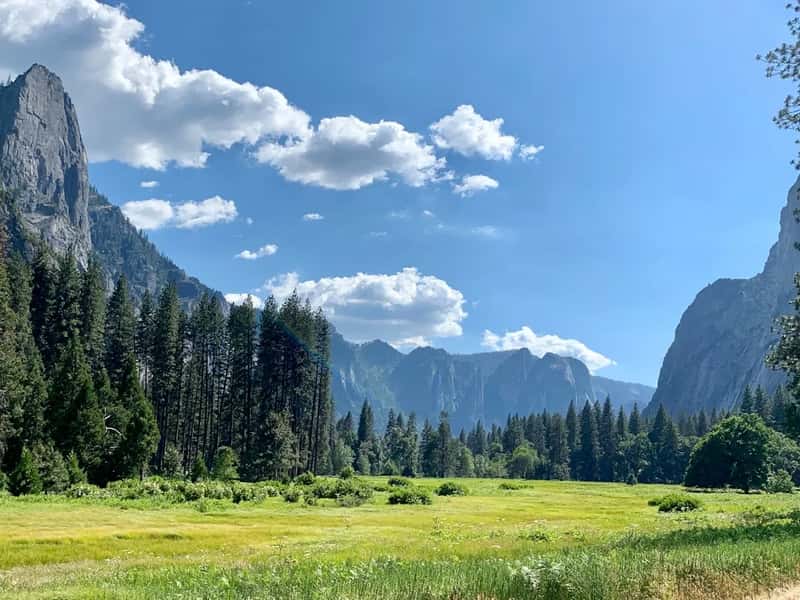
Yosemite made one of the bigger policy shifts heading into this year. Yosemite will no longer use a timed entry reservation system in 2026, a decision the NPS says follows a comprehensive evaluation of traffic and visitation during the 2025 season. Instead of entry caps, the park is leaning on a different toolkit entirely.
Park analysis found that most weekdays maintained available parking, stable traffic flow, and visitation levels within the park’s operational capacity, so the park will provide real-time traffic monitoring and employ more staff at key intersections during peak periods. Weekends and holidays are a different story, and anyone visiting Yosemite Valley on a Saturday in July should still expect the parking lots to fill early. The park is actively nudging visitors toward Tuolumne Meadows and Hetch Hetchy as pressure-release valves for the Valley’s congestion.
Arches and Glacier: reservations gone, crowds still very much present
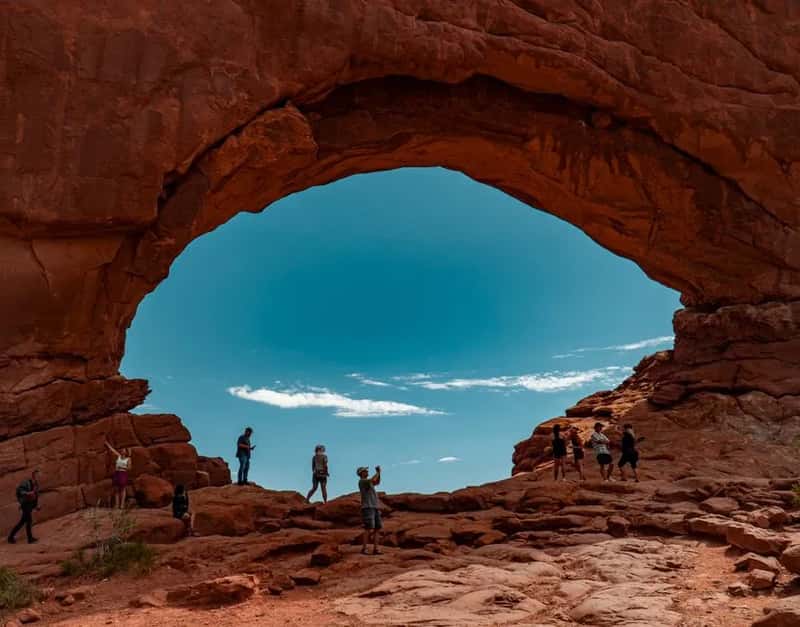
Arches followed a nearly identical path. In February the National Park Service announced Arches would lift the reservation requirement entirely for 2026. That doesn’t mean the park suddenly got quiet, though.
From March through October, waits at the entrance station can run past 60 minutes, with the worst of the line building between roughly 8 am and 3 pm. Glacier took a different approach, swapping vehicle reservations for a shuttle system instead. Northern Montana’s Glacier National Park is piloting a ticketed-only shuttle system in 2026, requiring those planning to spend more than three hours in the park to book a shuttle to the alpine area of Going-to-the-Sun Road. The lesson from both parks is consistent: removing a reservation requirement doesn’t remove the crowd, it just changes how that crowd shows up.
Great Smoky Mountains: the busiest park by a wide margin
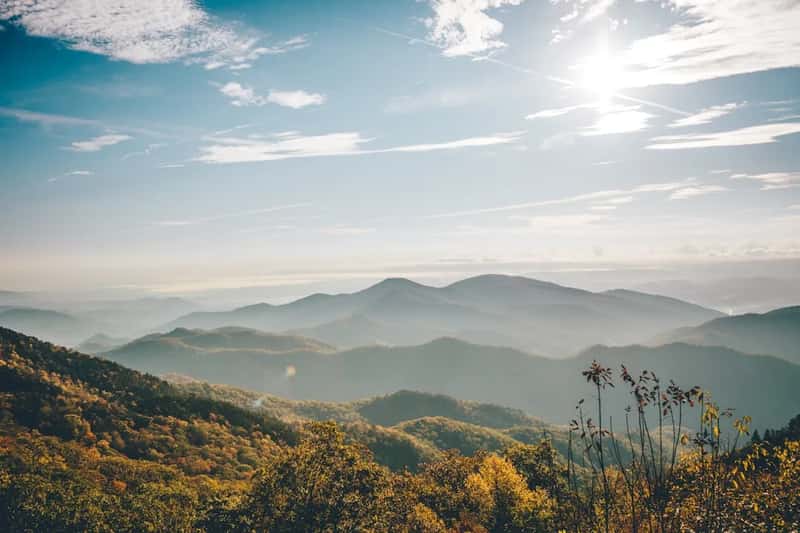
No park draws a bigger overall crowd than the Smokies, and it isn’t particularly close. Even with a slight dip, the Smokies drew more than double the next park on this list, and nobody else is close. Its free entry and easy access from several Southeastern cities make it a default day trip for a huge regional population.
Timing here comes down almost entirely to foliage. The best time to visit is fall, when the foliage is on full display, with October bringing peak color as well as the biggest crowds of the year, so picking weekdays carefully matters. Early morning visits, particularly before eight, remain the most reliable way to see Cades Cove or Newfound Gap without a bumper-to-bumper crawl.
Practical strategies that work regardless of the park

A few habits hold up across almost every park in the system, famous or obscure. Arriving before sunrise routinely buys hikers two or three uncrowded hours before the day’s main wave of visitors arrives, and leaving after mid-afternoon often catches the return lull as day-trippers head out.
Checking a park’s live entrance webcam or alert page before setting out can also save a wasted morning, since several parks now post real-time parking and line updates. Over 60% of NPS units receive under 1 million visitors annually, offering ample opportunity for quieter experiences for anyone willing to consider a less famous destination. Booking any required permits, whether for Half Dome, Angels Landing, or a shuttle seat, as early as the booking window allows remains the single most reliable safeguard against a canceled plan.
Planning around a system in flux
Reservation policies at America’s national parks are shifting almost every season now, which makes the research step less optional than it used to be. What worked last summer at a given park may not apply this year, and what’s free entry today could easily require a permit again if crowding data pushes park managers back toward stricter controls. The parks themselves haven’t changed, but the rules for reaching them quietly keep moving, and checking the official park website in the weeks before a trip has become as essential as packing good boots.