
Paris rewards travelers who show up with a little cultural homework done, and it can feel unforgiving toward those who don’t. The gap between American habits and Parisian norms isn’t huge, but it’s real, and it shows up in small moments: a rushed hello, a fumbled metro ticket, a tip left on a table that didn’t need one. None of this is about rigid rules so much as reading the room a bit differently than you might at home.
Do greet people with “bonjour” before anything else
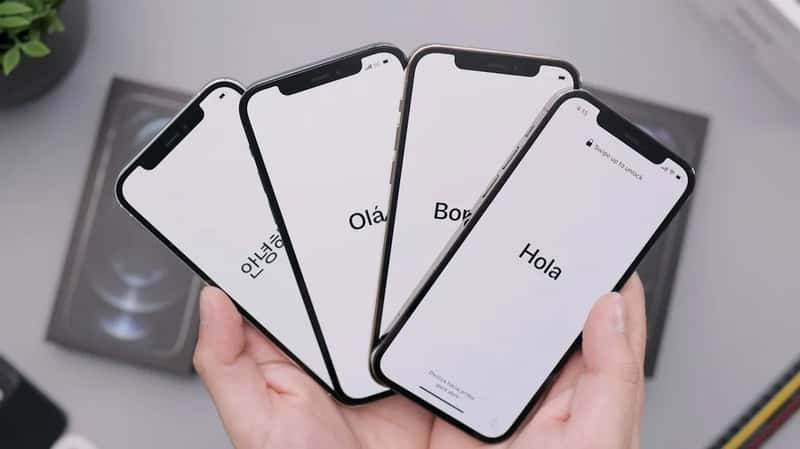
Walking into a boulangerie, a shop, or even asking a stranger for directions without saying “bonjour” first is one of the fastest ways to come across as rude in Paris, even unintentionally. The greeting isn’t just politeness for its own sake, it’s treated as the entry fee for any exchange, however brief. Skipping it and jumping straight to a question or request tends to land as abrupt, even if that’s not the intention.
This habit costs nothing and takes two seconds, yet it changes the tone of almost every interaction. Pair it with “au revoir” or “merci” on the way out, and shopkeepers and waitstaff generally warm up noticeably faster. Americans used to a more transactional retail culture sometimes find this the hardest habit to build, simply because it doesn’t occur to them that a greeting is expected before business.
Don’t assume tipping works the way it does back home
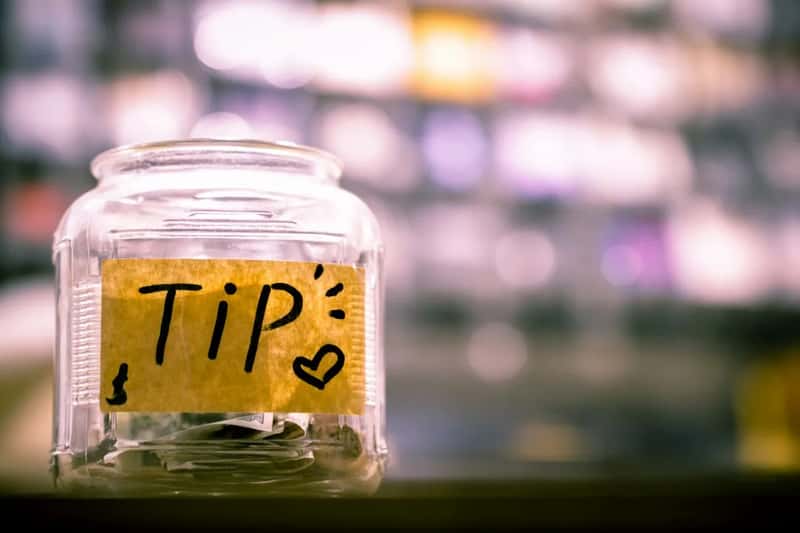
French law has required restaurants to build a service charge into menu prices since the mid 1980s, so servers already earn a stable wage rather than depending on gratuities to get by. You are not required to tip in restaurants or tip waiters or waitresses, since a 15% service fee is automatically included in all cafés, restaurants, and bars as part of the price of each item.[1] That’s fundamentally different from the American system, where tipping often makes up a large share of a server’s actual income.
That doesn’t mean tipping is nonexistent, it just isn’t obligatory. A reasonable rule of thumb is to round the bill up, leave one to two euros at a café, two to five euros at a restaurant, and five to ten euros at a multi-course dinner, rather than calculating anything close to eighteen percent.[2] Leaving a large American-style tip isn’t going to offend anyone, but it also isn’t expected, and servers won’t chase you down or act put out if you don’t add anything extra.
Do dress with a bit more intention than you might at home
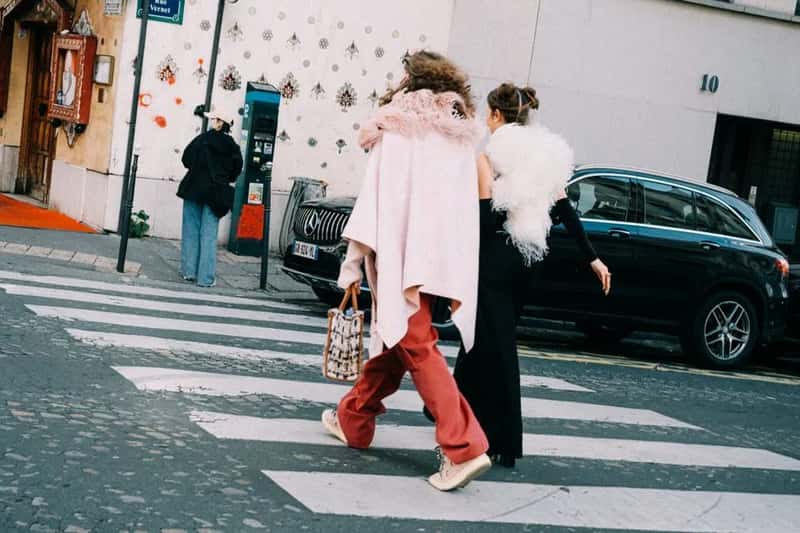
Parisians generally lean toward neat, fitted, muted clothing over the loud logos, athletic wear, and flip flops that are common in American casual dress. This isn’t about formality so much as a general preference for looking put together, even for a quick errand. Showing up to a restaurant, church, or even a mid-range shop in gym shorts and a graphic tee tends to draw glances, not because it’s forbidden, but because it stands out.
You don’t need to pack cocktail attire for a weeklong trip, but swapping sneakers for something a little more polished and avoiding head-to-toe athletic gear outside the gym goes a long way. Comfortable walking shoes are still a must given how much ground you’ll cover on foot and cobblestone, just pick a pair that doesn’t scream tourist quite so loudly. Layering also helps, since Paris weather shifts quickly and dressing in one bulky item rarely works as well as a few adaptable pieces.
Don’t count on buying a paper metro ticket
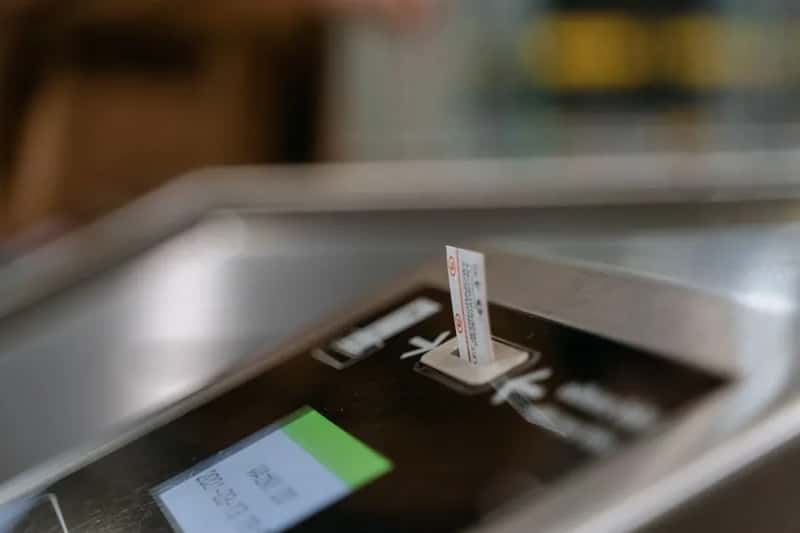
The classic small cardboard “ticket t+” that generations of visitors used on the Paris Métro is now essentially retired. Paper tickets are no longer sold as of November 5, 2025, and any leftover ones needed to be exchanged at an RATP or SNCF ticket counter within a limited window afterward.[3] By spring and summer of 2026, those old tickets stopped working on buses and then across the rest of the network entirely, so travelers can no longer rely on them at all.
The practical fix is simple. You’ll want a Navigo Easy Card, a reusable contactless card sold for two euros at ticket machines and counters, which you can load with individual tickets or passes and which lasts for years.[4] The alternative is loading tickets straight onto your phone through an official app, though be aware that unlike London, Paris metro turnstiles still don’t generally accept a direct tap of your credit or debit card, with that kind of contactless payment only being gradually rolled out and mostly limited to certain buses.[4] Buy your Navigo card on arrival at the airport or first station you pass through, and you’ll avoid any confusion later.
Do book your Louvre and major museum visits ahead of time

Walking up to the Louvre and expecting to buy a ticket at the door is a gamble that rarely pays off anymore. A permanent 30,000 visitor daily capacity limit means timed entry reservations are now mandatory for all guests, including those eligible for free admission.[5] That cap exists to protect both the visitor experience and the artwork itself, but it also means spontaneity has its limits here.
Reserve your slot through the official Louvre ticketing website rather than a third party site that just resells the same inventory at a markup. The first Friday evening of every month from six to nine in the evening is free for all visitors, though that free session doesn’t apply in July and August, and it’s worth checking for other free entry dates including Bastille Day.[6] Even on those free nights, booking a time slot in advance is strongly recommended, since free admission doesn’t mean walk-in access.
Don’t flash cash, jewelry, or open bags in tourist-heavy spots
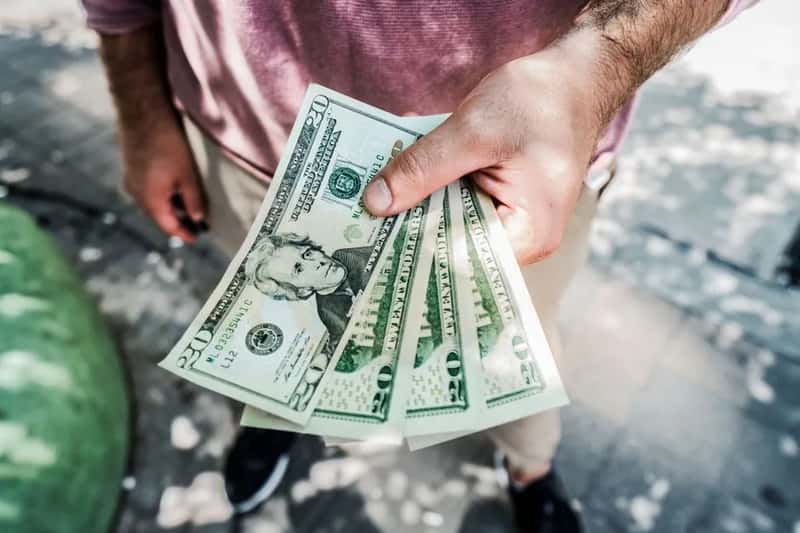
Pickpocketing around the Eiffel Tower, Sacré-Cœur, the Champs-Élysées, and crowded metro cars remains a well-documented issue in Paris, and it tends to target visitors who are visibly distracted or carrying valuables loosely. This isn’t unique to Paris among major world cities, but the density of tourists in a fairly compact center makes certain areas especially attractive to opportunistic theft. Petty scams involving fake petition signers, “found” rings, or overly friendly strangers offering unsolicited help are also common enough that most longtime residents know to keep moving.
A crossbody bag worn in front of you, a card holder instead of a bulky wallet in a back pocket, and a general habit of not setting your phone face-up on a café table are all small habits that go a long way. None of this requires paranoia, Paris is not a particularly dangerous city by international standards, but it does require the same street awareness you’d use in any large, busy city back home. Save the more elaborate jewelry for a night out rather than a day of sightseeing.
Do carry some cash even in a card-first city
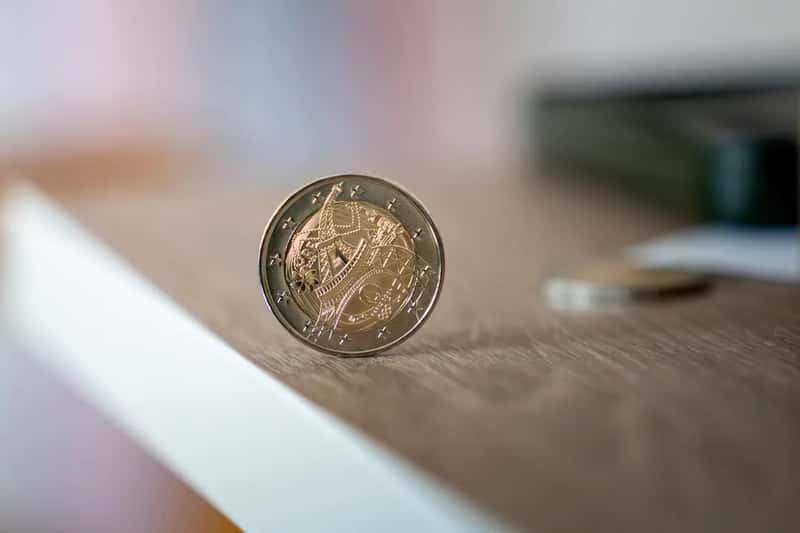
Paris has become increasingly card and contactless friendly, but small bakeries, market stalls, and some older cafés still prefer or require cash for smaller purchases. Card terminals in France also frequently lack a built in tip line, which is part of why leaving a gratuity in coins rather than adding it to a card payment remains common practice. Carrying twenty or thirty euros in small bills covers most of these gaps without requiring you to think about it constantly.
ATMs are widely available and generally offer better exchange rates than airport currency counters or hotel front desks. Notify your bank before departure so a foreign transaction doesn’t trigger a fraud freeze mid-trip, which is a surprisingly common and avoidable travel headache. A mix of one card, one backup card, and some cash is the most resilient setup for a Paris trip.
Don’t expect everyone to switch to English immediately

Many Parisians working in hospitality and tourism speak functional or fluent English, especially in central neighborhoods, but assuming that’s a given can come across as presumptuous. Opening with a French greeting, even a badly pronounced one, signals effort and tends to soften the interaction considerably before you switch to English if needed. It’s less about language ability and more about the order of operations.
Learning a handful of phrases, “bonjour,” “merci,” “excusez-moi,” “l’addition s’il vous plaît,” covers an enormous share of daily interactions. Translation apps handle the rest reasonably well for anything more complex, like a detailed medical question or a complicated return at a store. Most Parisians respond warmly to visible effort, even imperfect effort, far more than to fluency itself.
Do respect quiet hours and café pacing
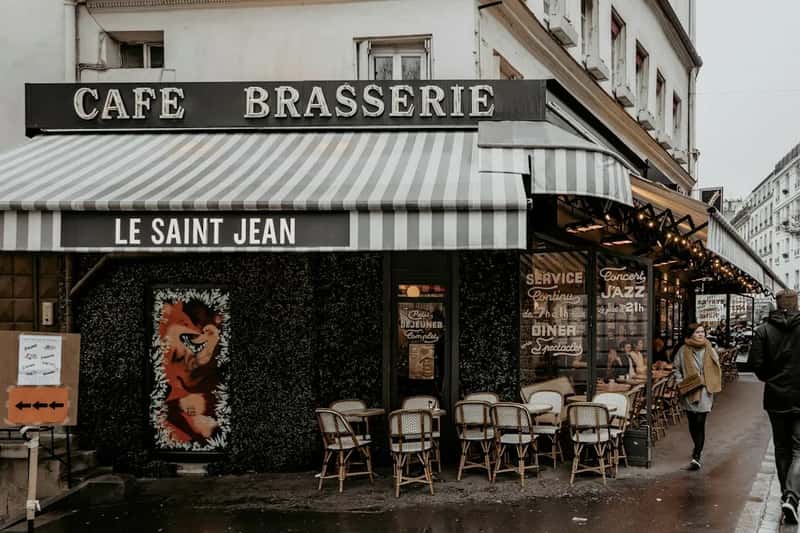
Parisian apartment buildings and neighborhoods take noise seriously after roughly ten at night, and loud conversation or music in residential courtyards can draw complaints or even a visit from building management faster than in many American cities. This matters especially for anyone staying in an Airbnb or short-term rental in a residential building rather than a hotel. Being mindful of volume, particularly on balconies or in stairwells late at night, avoids friction with neighbors and hosts.
Cafés also operate on a different rhythm than American coffee shops built for quick turnover. Once you’ve paid, a table is generally considered yours for as long as you’d like to sit, and rushing your order or asking for the check the moment your food arrives can feel oddly transactional to French servers. Settling in, ordering slowly, and treating a café visit as time spent rather than a quick stop is closer to how the culture actually uses these spaces.
Don’t skip walking as your main way of seeing the city
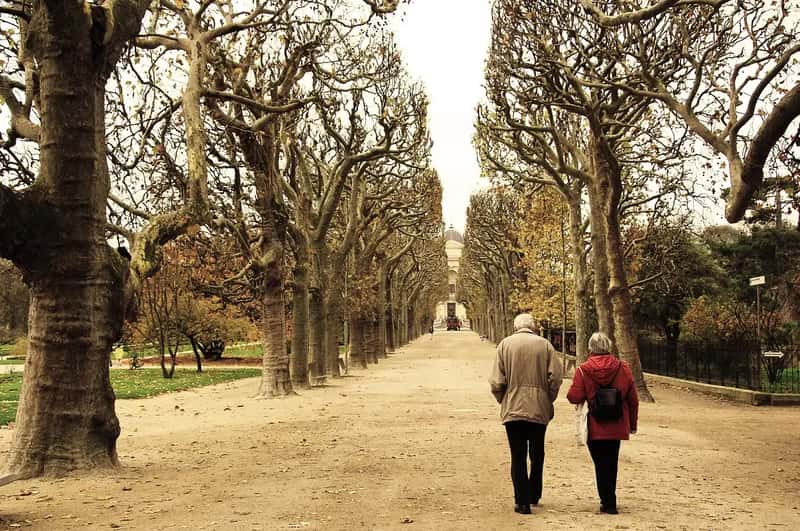
Paris is dense and remarkably walkable, and relying exclusively on taxis or rideshares to get everywhere means missing the small streets, courtyards, and neighborhood details that make the city distinctive in the first place. Many of the most memorable parts of a Paris trip happen between destinations rather than at them, a market stumbled upon by accident, a quiet square with no name recognition at all. Overplanning every hour can crowd out that kind of discovery.
That said, comfortable footwear matters more than most first-time visitors expect, given the cobblestones, gentle hills in areas like Montmartre, and the sheer distances between major sights. Building in slower mornings or unstructured afternoon blocks tends to produce better memories than a schedule packed wall to wall with reservations. Paris rewards a bit of aimless wandering more than most cities its size.
Getting it right
None of these habits require fluency in French or years of prior travel experience, they mostly come down to slowing down slightly and paying attention to local rhythm before assuming your own is the default. The Americans who tend to have the smoothest trips aren’t the ones who memorize a rulebook, they’re the ones who stay a little curious about why things work differently here. Paris doesn’t ask for perfection, just a bit of attentiveness, and that’s a fairly low bar for a city that gives back as much as this one does.