A country’s reputation often gets set by a handful of headlines, and then it sticks for decades. Ask a dozen people about certain places and you’ll hear the same worries repeated, usually with no recent data behind them. Reputation travels faster than statistics do.
Safety is hard to measure, but there are decent yardsticks. Homicide rates, government travel advisories, the Global Peace Index and Gallup’s surveys of how safe people feel all give a fuller picture than rumor. Here are five countries where those numbers point somewhere more reassuring than the stereotype.
Rwanda: Where Walking Home at Night Feels Normal
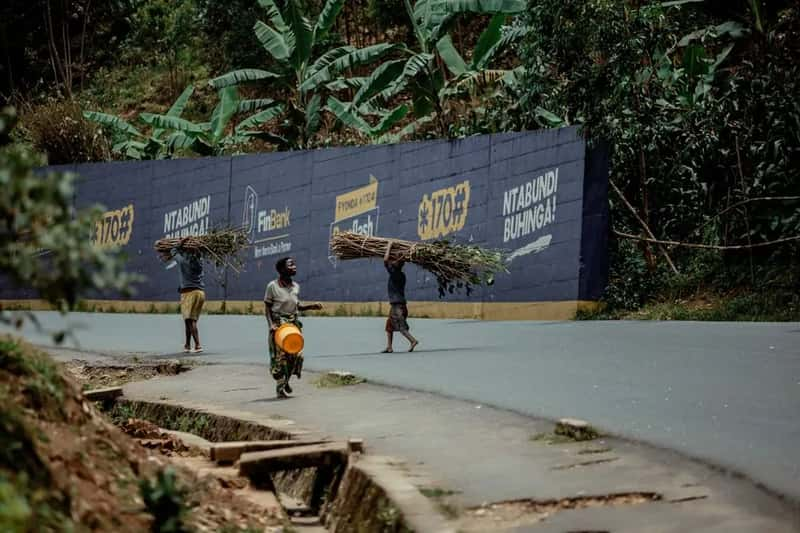
For many people, Rwanda still brings to mind the 1994 genocide, and the country borders a part of Congo where conflict continues. That image doesn’t match how residents describe daily life now. In Gallup’s latest Global Safety Report, 78% of adults said they feel safe walking alone at night, making Rwanda the safest country in sub-Saharan Africa on that measure.[1] In plain terms, that’s close to four in five adults.
That score put Rwanda ahead of the UK and France, and it placed 38th globally.[2] The United States ranked 61st.[2] The figures come from nationally representative surveys in 144 countries and territories, with roughly 1,000 or more respondents in each[1], so they capture feelings of safety rather than police counts. Travelers should still check current advice, since some governments updated their guidance in 2026 because of an outbreak in DR Congo[3], although a local operator noted that no Ebola cases had been reported in Rwanda as of mid October 2026.[3]
Georgia: Calm Streets Beyond the Headlines
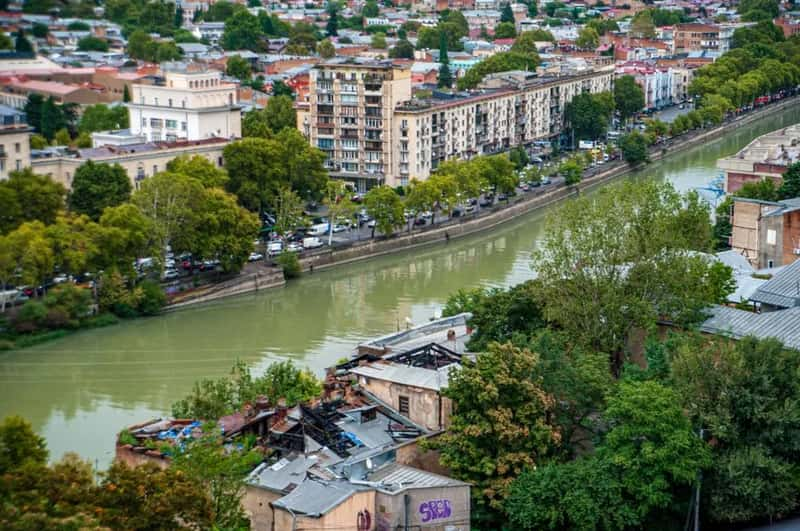
Georgia is a place many people still confuse with the American state, and the 2008 war with Russia colors how others see it. The current official picture is calmer. The US State Department lists Georgia at Level 1, its lowest tier[4], and the UK Foreign Office describes crime levels as low.[4] Numbeo’s resident survey scores Tbilisi 73.7 out of 100 for safety.[5]
There are real exceptions, though. Abkhazia and South Ossetia are occupied territories that visitors should avoid entirely[6], and they sit far from a normal Tbilisi city break. The bigger everyday risk is the road, with 469 road deaths recorded in 2025[5]. Official crime counts also deserve a careful read, because Geostat recorded 49,976 crimes nationally in 2024 and 54,134 in 2025[4], so the headline figure rose. On the 2026 Global Peace Index, Georgia ranks 94th[5], up from 109th a year earlier.
Albania: Low Homicide Rates and Booming Visitor Numbers
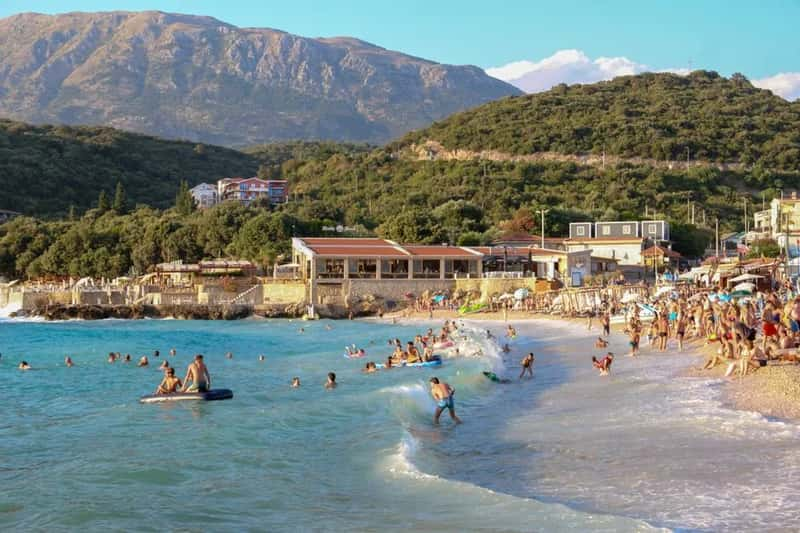
Albania’s image has long been shaped by stories of organized crime. Those activities are often described as transnational and rarely touching tourism.[7] The numbers on violent crime are modest. Albania’s intentional homicide rate is 1.1 per 100,000 people (UNODC, 2023), below the United States at 6.4, France at 1.3 and Belgium at 1.7, and comparable to the UK at 1.0.[8]
Other compilations put the figure a little higher, at about 1.39 per 100,000 against 1.12 in the UK[9], so the exact number depends on the source and the year. The rate has fallen roughly 39 percent since 2018.[9] About 12.47 million tourists visited in 2025.[10] The weak spot is traffic: Albania recorded 200 road deaths in 2025, around 85 per million people, against an EU average of 43.[9] The US government also holds Albania at Level 2, a “generally safe” rating[11], and an April 2026 embassy alert was precautionary and tied to broader Iran related geopolitics rather than a specific incident in Albania.[10]
Jordan: A Steady Presence in a Restless Region
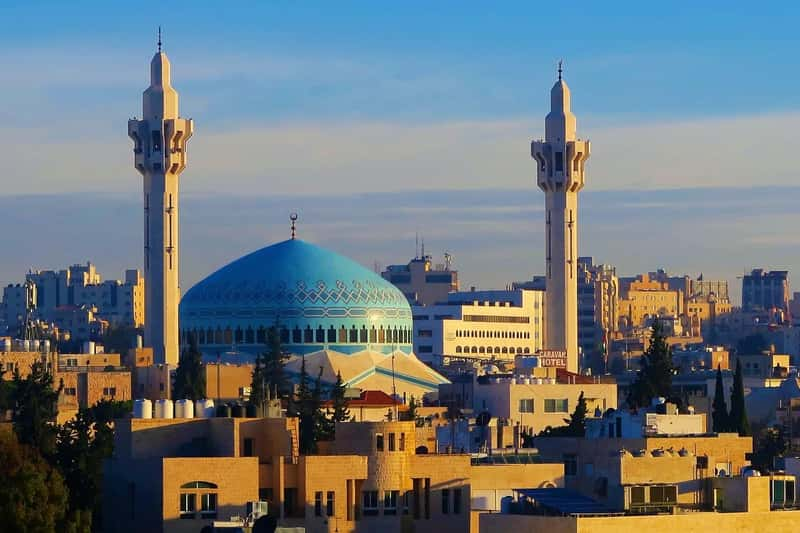
Jordan shares borders with Syria, Iraq, Israel and the West Bank, and many travelers assume the surrounding turmoil spills over. The rankings tell a more settled story. On the 2026 Global Peace Index, Jordan ranks 68th globally and fifth in its region, behind Qatar, Kuwait, Oman and Morocco.[12] That’s a step up from 72nd in the 2025 edition.[13]
Gallup’s data is similar. Jordan appears in the 2025 Global Safety Report with a Law and Order score of 85, level with France and just ahead of the UK and the United States at 84.[14] It helps to remember what the peace index actually measures. It’s a country level composite that weighs militarisation and unresolved conflicts as heavily as crime[5], so a peaceful day to day experience can sit alongside a middling regional score.
Oman: Quiet Order on the Arabian Peninsula
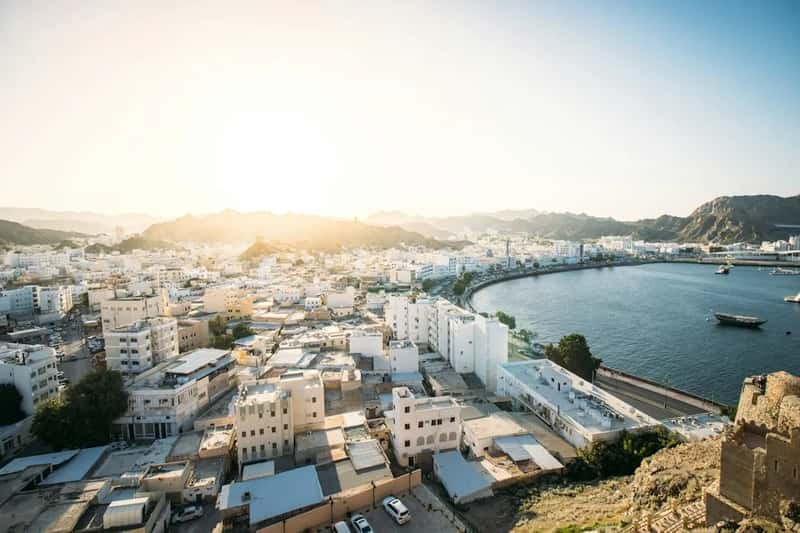
The Arabian Peninsula carries a reputation for instability in the minds of many outsiders. Oman doesn’t fit it well. In the 2026 index, Oman ranks 60th globally and third in its region, behind only Qatar and Kuwait.[12] It sits ahead of Morocco and Jordan.
The picture isn’t flawless. Oman was 42nd in the 2025 edition[13], so it slipped noticeably in a year. For broader context, Gallup found that Gulf Cooperation Council countries continue to rank among the ten safest for perceived safety, a pattern it linked to strong public order and investment in urban safety.[14] That finding covers the Gulf group as a whole rather than Oman alone, so it works better as background than as a verdict on any single country.