You have checked in. Your bags are tagged. You are standing at the gate, coffee in hand, watching the departure board like it owes you something. Everything looks calm. It almost always does – right up until it doesn’t. The moment a gate agent reaches for that microphone, your stomach already knows before your brain catches up.
Here’s the thing: most flight chaos doesn’t appear out of nowhere. There are real, observable signs that your departure is about to go sideways. Some of them are sitting right in front of you, hiding in plain sight. According to U.S. PIRG, nearly 1.7 million flights were delayed or canceled in 2024 out of the 7.5 million flights scheduled for the top 10 airlines and their marketing partners. That’s a number worth taking seriously. So let’s talk about the six warning signs that deserve your full attention the next time you’re standing at that gate. Let’s dive in.
Sign 1: The Departure Board Keeps Creeping Later and Later
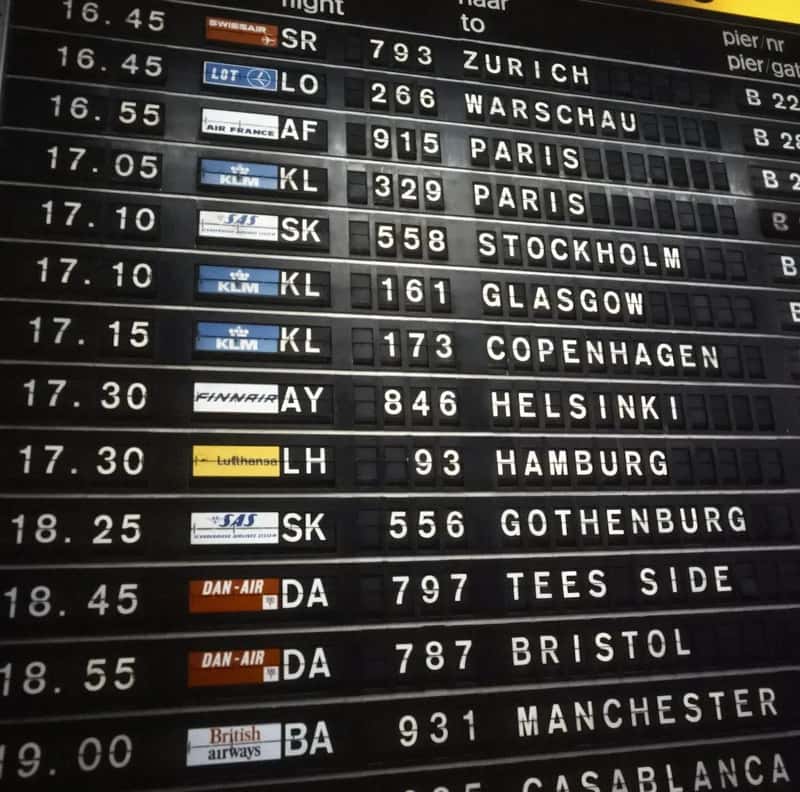
You noticed the departure time shift from 10:05 to 10:35. Then to 11:00. Then, suddenly, to “TBD.” That is not a glitch. That slow, grinding progression has a name, and aviation experts call it “creeping delays.” A creeping delay is when an airline continues to push back a departure time – and it can sometimes be extended for hours or lead to a cancellation. Think of it like a leak in a pipe: small at first, manageable, until it isn’t.
If a flight is delayed, it’s worth trying to learn the reason why, to better gauge if the flight is in jeopardy of being canceled. Reasons for delays can include maintenance, fueling, crew issues, weather, a previous flight with the same aircraft arriving late, or even security issues. Understanding the root cause is everything. A weather delay in the next city over is fundamentally different from a mechanical issue sitting right on your tarmac.
In 2024, the reporting marketing carriers posted an on-time arrival rate of just 78.10%, down from 78.34% in 2023. That sounds small – and it is, percentage-wise. But across the full national flight network, even fractions of a percent translate to hundreds of thousands of passengers left waiting. If your board has shifted twice already, it is worth paying close attention.
Sign 2: Your Aircraft Hasn’t Arrived Yet
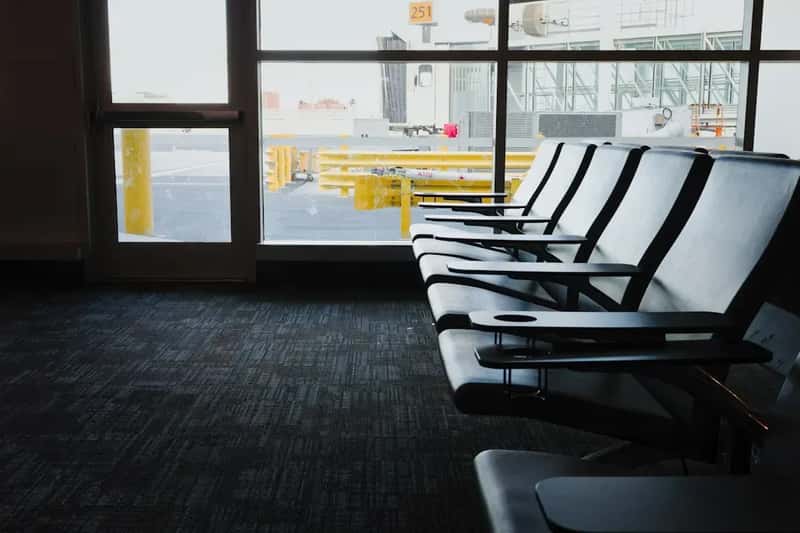
One of the most underrated warning signs at the gate is deceptively simple: there is no plane at the jetbridge. An empty gate when boarding is supposed to begin in 30 minutes is not just an inconvenience – it is a very real signal that trouble is coming. Airlines operate on what is called a “rotation model,” meaning the same aircraft flies multiple routes in a single day. A single delayed flight can trigger a domino effect across the network. That same plane might be scheduled for another flight in 45 minutes. Or the crew could be nearing their maximum allowed work hours.
Honestly, this is the aviation version of a traffic jam at 7 a.m. on a Monday. One blockage upstream, and everything behind it backs up for hours. Weather is still a dominant trigger on bad days, but system-wide charts increasingly highlight the role of congestion, security processes, and late-arriving aircraft in amplifying small disturbances into widespread delays. When your inbound plane is stuck two cities away, it doesn’t matter how pleasant the gate area is.
For most major carriers, only around one to two percent of flights were canceled in 2025, while roughly one in five arrived at least 15 minutes behind schedule – reinforcing that most flight chaos is not a cancellation, but a slow, grinding delay. An empty gate is often where that long wait begins.
Sign 3: Gate Agents Are Unusually Quiet or Avoiding Eye Contact
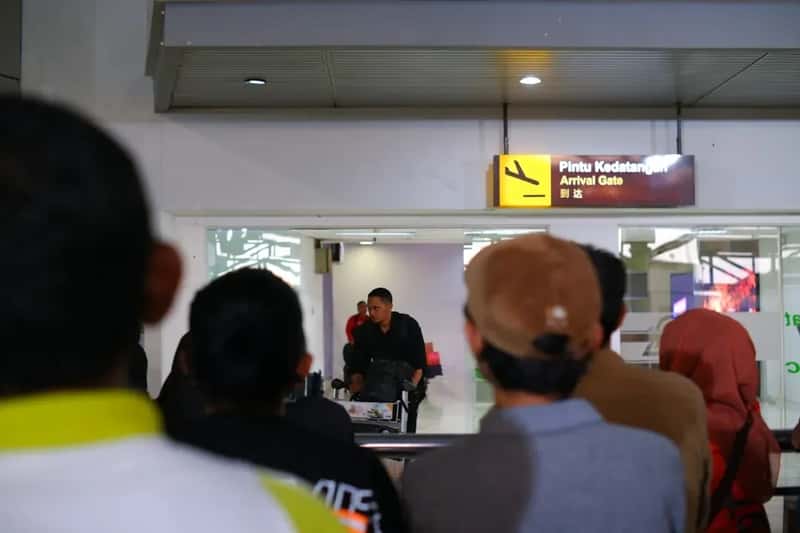
Experienced travelers know this one well. When things are running smoothly, gate agents are scanning boarding passes and cheerfully directing passengers. When something has gone wrong behind the scenes, they go quiet. They huddle. They make phone calls in hushed tones or disappear entirely. Let’s be real – gate agents are not withholding information because they enjoy the drama. They often genuinely don’t have confirmed details yet and are waiting on updates from operations centers or the flight deck.
Some airlines do an excellent job of communicating the reason for a trip interruption. United Airlines, for example, spells out the reason for a delay at the top of your flight details in the United app. If you’re flying on another airline, you may need to use a service like ExpertFlyer to see the official reason listed for the flight delay or cancellation. Cross-referencing the app with what you see at the gate is always smart.
It’s hard to say for sure when a gate agent’s quietness means a long delay versus a minor hold, but the pattern is consistent enough to take note of. You can also ask a flight attendant or gate agent the reason for the interruption, but having physical documentation, such as a screenshot, can be beneficial if you believe you’re due additional compensation for a trip interruption. Ask early, and ask politely. You’ll often get more information than you expect.
Sign 4: You’re Flying Through an Understaffed Hub or a Notorious Problem Airport
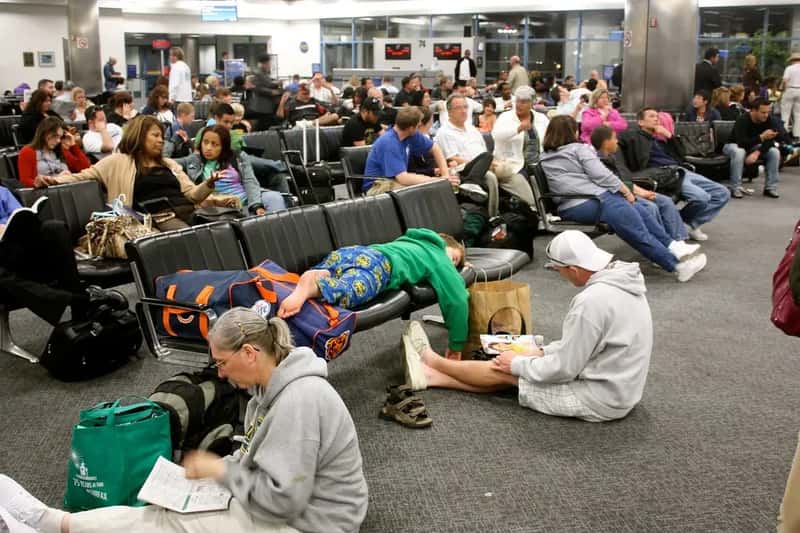
Not all airports are created equal. Some are reliably smooth. Others are nearly structurally incapable of running on time, and the data backs this up without question. Washington Reagan National (DCA) tops both problem lists in 2025, with the highest delay rate at 27.63% and the highest cancellation rate at 4.57% in the country – making it the least reliable major airport overall. That is a staggering figure for one of the nation’s most politically prominent transit hubs.
San Francisco International (SFO) topped the delay list with nearly 30% of flights delayed in 2024, while Newark Liberty International (EWR) had the highest cancellation rate at 2.63%. Florida dominated the delay rankings, with five airports making the top 10 for highest delay percentages. If your itinerary runs through any of these airports, statistically, you are already playing a tougher game than most travelers.
The deeper reason matters, too. Newark Liberty International Airport can accommodate approximately 80 aircraft departing or arriving per hour when fully operational. However, due to technical failures, staffing shortages, and construction at the airport, capacity was limited to between 28 and 34 aircraft per hour in June 2025. That gap between capacity and actual throughput is where chaos is born. If you are scheduled through a consistently troubled hub, build in extra time – every time.
Sign 5: There’s a Known Air Traffic Controller Shortage in Effect
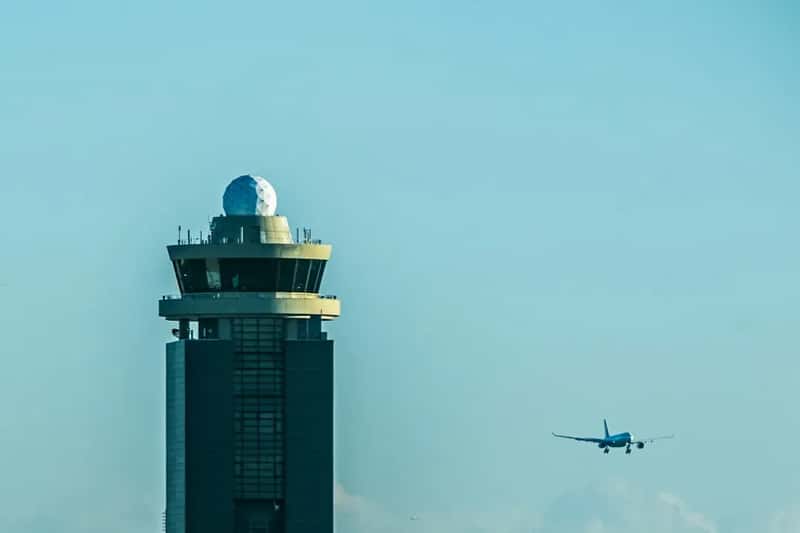
This is the sign that most passengers never think about, which is exactly why it catches so many off guard. The air traffic control system in the United States has been running critically short-staffed for years. The number of air traffic controllers in the U.S. has declined by about six percent in the last decade, while at the same time there has been a ten percent increase in the number of flights that rely on the air traffic control system. More flights, fewer controllers. That math should make anyone nervous.
The fallout has been visible and serious. Airports across the United States experienced significant flight delays due to a shortage of air traffic controllers who were required to work without pay since a government shutdown began on October 1, 2025. Reports suggest employees had been calling in sick in increased numbers. Since there was already a shortage of controllers before the shutdown, the impact was severe, with thousands of flights delayed or canceled.
At the height of the crisis, nearly half of all major air traffic control facilities were experiencing staffing shortages, and nearly 90 percent of air traffic controllers were out at New York-area facilities, according to the FAA. When staffing at key facilities drops to that level, even perfectly maintained aircraft with perfectly rested crews simply cannot get clearance to fly. Having too few controllers results in diminished air traffic capacity, inefficient flight operations, and increased delays and cancellations. Checking FAA advisories before you leave for the airport has become a genuine pre-travel habit worth forming.
Sign 6: There Are Severe Weather Events Along Your Flight Path
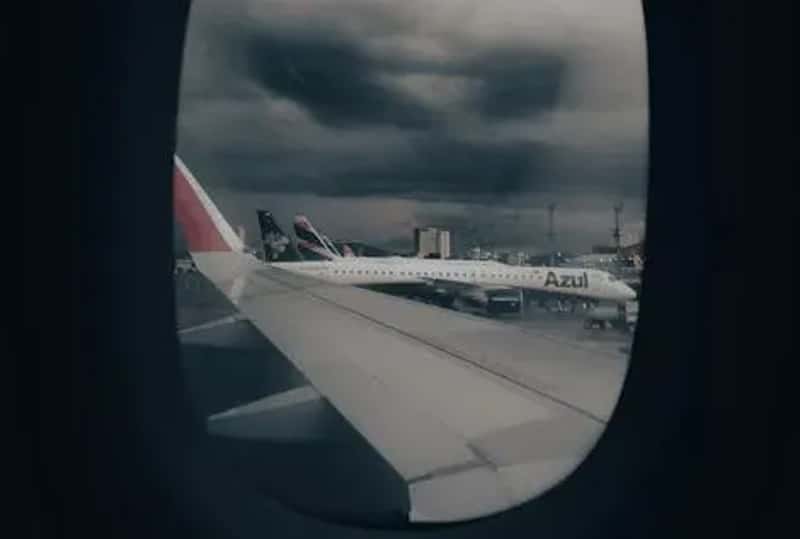
Weather is the one cause of flight chaos that no airline, no regulator, and no technology company can fully outsmart. It is the original disruptor. Thunderstorms, hurricanes, tornadoes, extreme heat, blizzards, ice storms, and fog can all create dangerous conditions for air travel. What makes it particularly sneaky is that the weather doesn’t have to be bad at your departure airport. It just has to be bad somewhere along the route – or at the destination.
Timelines from December 2025 show sharp spikes in delays and cancellations as snow and high winds swept across the Midwest, Northeast, and Great Lakes during the Thanksgiving and Christmas travel windows. Flight-tracking dashboards recorded days with more than 9,000 delays and well over 1,500 cancellations as storms moved through major hubs such as Chicago, New York, Boston, and Denver. Think of it like a row of dominoes: one storm triggers a cascade that stretches coast to coast within hours.
The CrowdStrike IT outage of July 2024 offered a sobering reminder of how technology and weather can compound each other. On July 19th, 2024, a failed software update from CrowdStrike affected 8.5 million computers running Windows, causing them to crash. While the meltdown lasted only a few days, insurers estimated it would cost Fortune 500 companies around $5.4 billion in damages, and the incident caused increased delays and other flight interruptions throughout July 2024. Chaos rarely has just one cause – it tends to stack. Weather is almost always part of the pile.
Conclusion: What You Can Do Before It’s Too Late
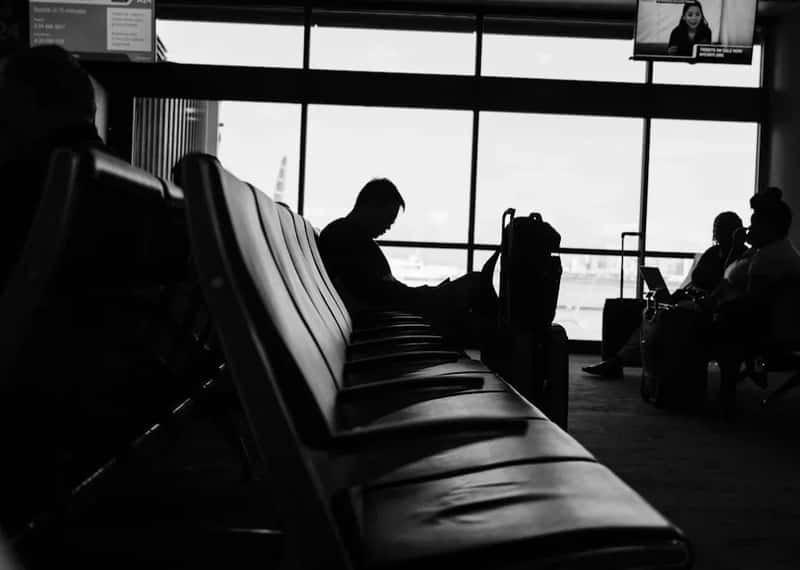
Knowing the signs is genuinely half the battle. The other half is acting on them before the gate agent makes that dreaded announcement. Check the FAA’s national airspace status dashboard before leaving home. Track your inbound aircraft using free tools like FlightAware or Flightradar24. Know which airports are chronically troubled and build buffer time accordingly.
Because there are more flights and more passengers each year, the absolute number of passengers who experienced a delayed or canceled flight was highest in 2024, reaching 236 million passengers. That is not a niche problem. That is nearly every frequent flyer in America experiencing disruption at some point in the year.
Travel delay claims increased by 15% in 2024, nearly double the increase in the prior year. Travelers who relied on travel insurance to lessen the expense of a delay received an average claim amount of $370. Preparation is not paranoia – it’s just smart travel. The next time you spot one of these six signs at the gate, you’ll know exactly what to do. What would you have done before you knew all this?