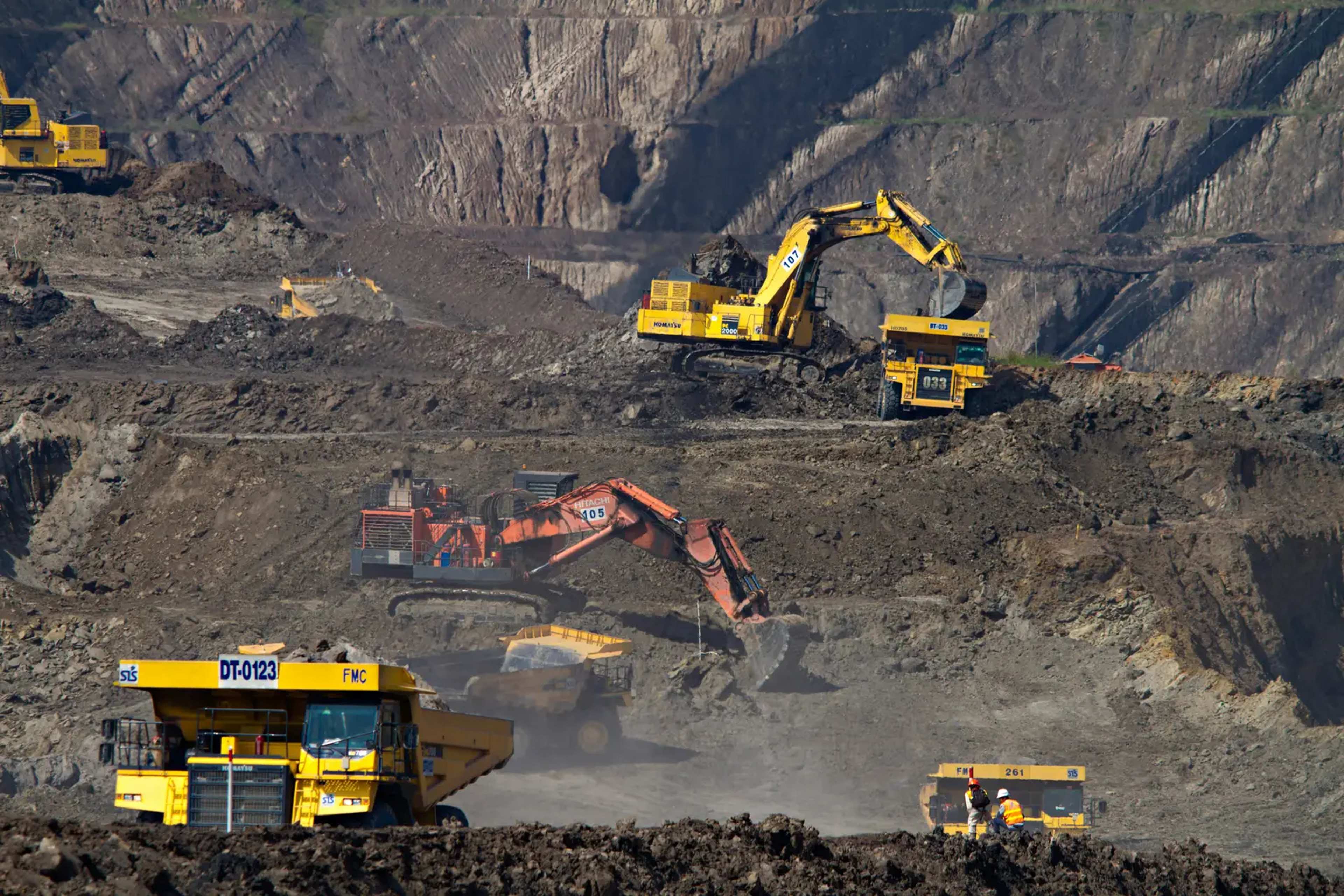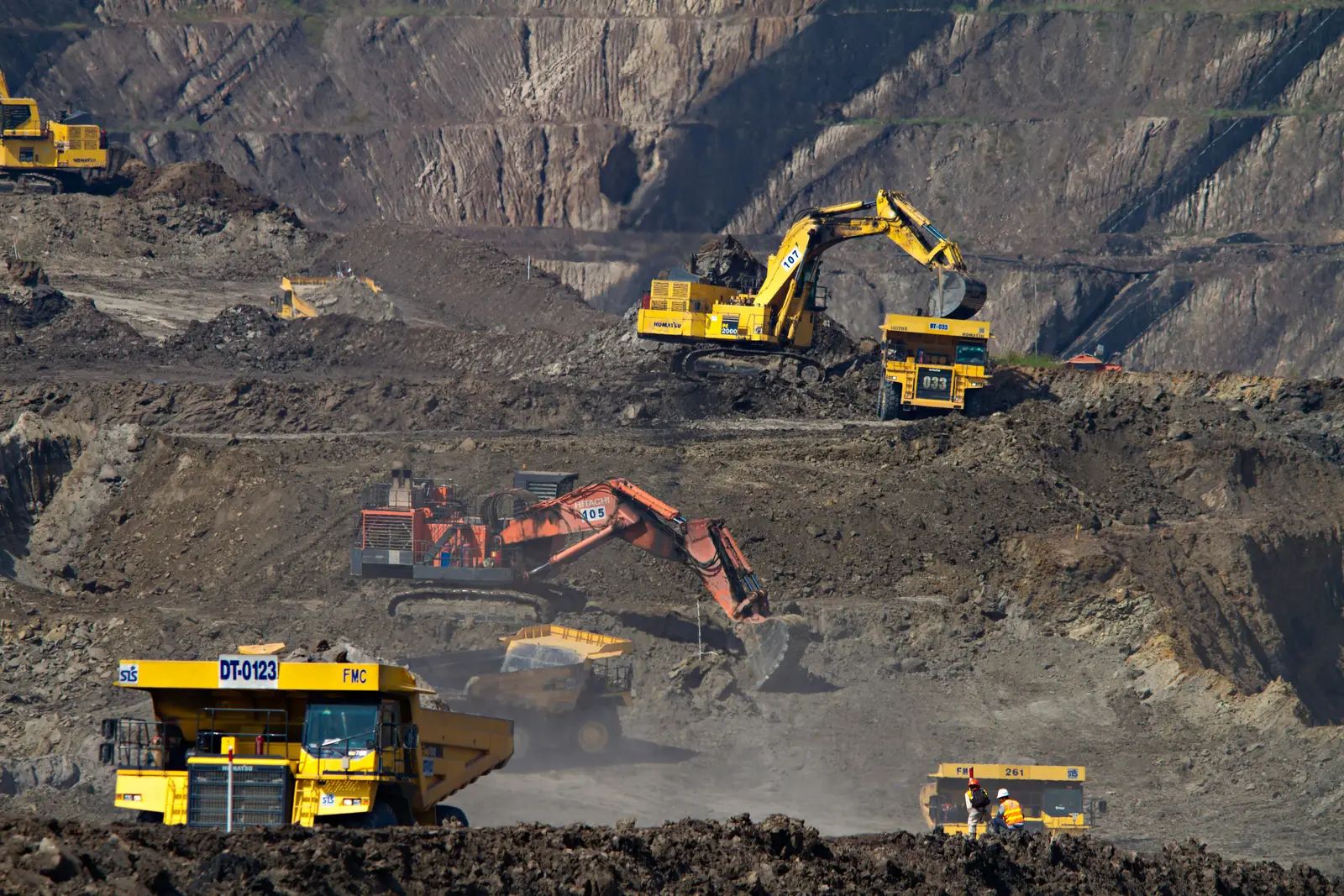
A riverside settlement on the edge of Suriname’s Amazon has become a focal point for illegal gold mining that is pushing deeper into Indigenous territories. Miners have moved across the border from French Guiana, clearing forest and releasing mercury into waterways that local communities rely on. The activity continues even after government commitments to curb it. ([1])
Expansion of Mining into Protected Areas
Illegal operations have accelerated in recent years, with miners establishing camps along rivers that mark the boundary between Suriname and French Guiana. These sites serve as supply points and staging areas for crews moving equipment and fuel into remote forest zones. The influx has created a steady flow of workers and machinery that bypasses official controls.
Local authorities have documented repeated incursions onto lands traditionally used by Indigenous groups. Each new camp requires roads and clearings that fragment the forest canopy. The pattern repeats as older sites are abandoned and new ones open farther upstream.
Consequences for Wayana Communities
Wayana villages downstream from the mining zones now face reduced access to clean water and traditional fishing grounds. Families report that fish catches have declined and that river water sometimes carries visible sediment or discoloration after heavy rains. These changes affect daily routines that have sustained the communities for generations.
Community leaders have raised concerns about long-term health risks tied to mercury exposure. Children and elders are considered especially vulnerable because they spend more time near the rivers. The loss of forest also limits hunting and gathering activities that supplement village diets.
Environmental Pressures from Mercury and Clearing
Mercury used to separate gold from sediment enters rivers through runoff and direct dumping. Once in the water, it can convert into a more toxic form that accumulates in fish and moves up the food chain. Deforestation compounds the problem by increasing erosion that carries additional sediment into the same waterways.
Over time, the combined effects reduce biodiversity in affected stretches of river and forest. Species that depend on intact canopy or clean water move away or decline in number. The damage extends beyond the immediate mining sites because rivers connect distant parts of the watershed.
Government Pledges and Enforcement Gaps
Officials have announced plans to restrict illegal mining and protect Indigenous territories. These statements include commitments to increase patrols and coordinate with neighboring French Guiana. Implementation has proved difficult in remote areas where access is limited and oversight resources are stretched.
Without consistent enforcement, mining crews continue to operate with relative freedom. The economic incentives remain strong for both local participants and outsiders who supply equipment. Progress on the ground has therefore lagged behind the stated policy goals.
Key points:
- Illegal mining hubs have formed along the Suriname-French Guiana border.
- Wayana communities report declining water quality and forest access.
- Mercury pollution and deforestation are the main environmental impacts.
- Official pledges have not yet produced sustained reductions in activity.
Continued monitoring and cross-border cooperation will determine whether the current pattern of expansion can be reversed before further damage occurs.