

There’s a peculiar gap between official travel warnings and lived experience that comes up again and again in travel conversations. Someone pulls out their phone, shows you a photo of a glowing Saharan sunset or a street in Medellín draped in bougainvillea, and says – quietly, almost sheepishly – that it was the best trip they’ve ever taken. The country they’re describing? Often one with a State Department advisory telling Americans to think twice.
A travel advisory is a report from the U.S. Department of State that describes the risks and recommended precautions for U.S. citizens in a foreign destination. Level 1 means exercise normal precautions. Level 2 means exercise increased caution. Level 3 means seriously reconsider your travel. The system is meant to inform, not forbid. Still, the warnings are real, the risks are documented, and yet millions of travellers keep going anyway – and coming home transformed.
Mexico: The Warning That Nobody Seems to Be Heeding

Mexico sits near the center of this conversation because the contrast is so stark. The U.S. State Department keeps Mexico at Level 2 overall, even while several states carry tougher warnings. The advisory for Mexico has specific levels for each state within the country, ranging from Level 1 to Level 4. The practical reality is that most visitors never go anywhere near the flagged zones.
Mexican government-backed reporting said the country welcomed 45.04 million international tourists in 2024, a 7.4% jump from the year before. Those are not niche numbers. They belong to a destination that keeps winning even while safety headlines never really disappear. Mexico still offers one of the broadest tourism menus in the hemisphere, from Cancún and the Riviera Maya to food-heavy cities, colonial towns, and cultural icons that can carry an entire itinerary on their own.
Morocco: Terrorism Warnings, Record Visitor Numbers

Morocco has become one of the clearest examples of a place where caution does not kill momentum. The U.S. advisory is Level 2 because of terrorism, with a warning that attacks could target tourist locations, transportation hubs, and markets. The souks of Marrakech, the Atlantic surf towns, and the Saharan camps near Merzouga draw an international crowd that is well aware of the advisory and goes anyway.
Official Moroccan diplomatic material says the country welcomed 17.4 million visitors in 2024. That figure reflects how effective Morocco has been at positioning itself as a crossroads destination, one where medieval medinas, desert landscapes, and a genuinely distinct culinary tradition all converge within a relatively compact geography. For many travellers, the experience is simply irreplaceable.
Türkiye: Zones of Risk Inside a Country People Cannot Stop Visiting
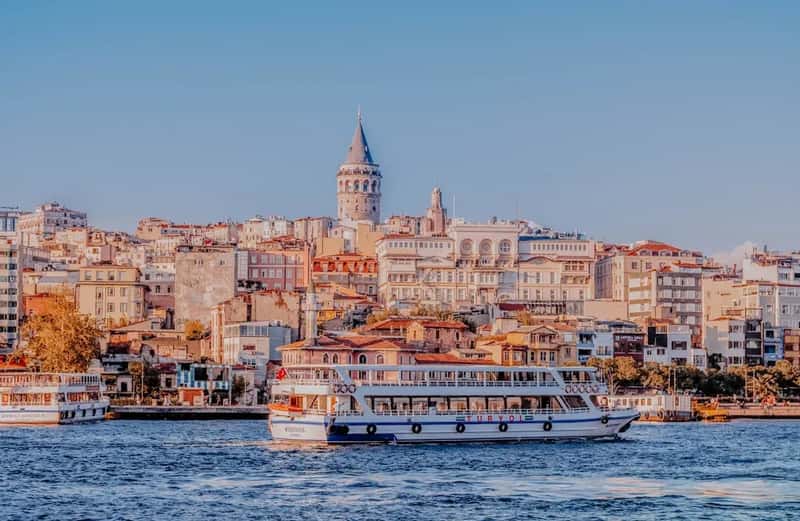
The State Department lists Türkiye at Level 2 due to terrorism, armed conflict, and arbitrary detentions, with southeastern areas flagged at higher risk. Travellers tend to think about Türkiye as a country of zones rather than one single experience. The official travel guide divides the country into very different experiences, from Istanbul to the Turkish Riviera and Cappadocia.
Official Turkish government communication said visitor numbers reached 62.2 million in 2024. Türkiye climbed past Italy into fourth place in 2024 with 60.6 million international arrivals. Istanbul, where Europe and Asia meet across the Bosporus, is the main gateway, while the Mediterranean resort city of Antalya draws enormous beach traffic on its own. The hot air balloon flights over Cappadocia’s fairy chimneys have become one of the most photographed travel experiences in the world.
Colombia: A Level 3 Country That Travellers Call a Revelation

Colombia carries a Level 3 advisory, meaning the State Department urges Americans to reconsider travel. Most Level 3 nations include specific higher-risk areas that the State Department says to avoid. In Colombia’s case, those areas are largely distinct from the places that draw tourists: Cartagena’s walled colonial city, Medellín’s transformed urban core, and the coffee-growing Zona Cafetera are the draws, not the conflict regions flagged in the advisory.
Medellín’s turnaround story has become almost legendary in travel circles. Once defined entirely by cartel violence, the city now hosts outdoor escalators connecting hillside communities, a world-class metro system, and a design and food scene that rivals anything in Latin America. People are still booking beach weeks, city breaks, safaris, resort stays, and history-heavy itineraries in places where official guidance says to stay sharper than usual. Sometimes the draw is price, sometimes it is weather, sometimes it is sheer bucket-list force. Usually, it is a mix of all three, plus the stubborn traveller belief that smart planning can still produce a fantastic trip.
Egypt: Managed Itineraries and Ancient Wonders
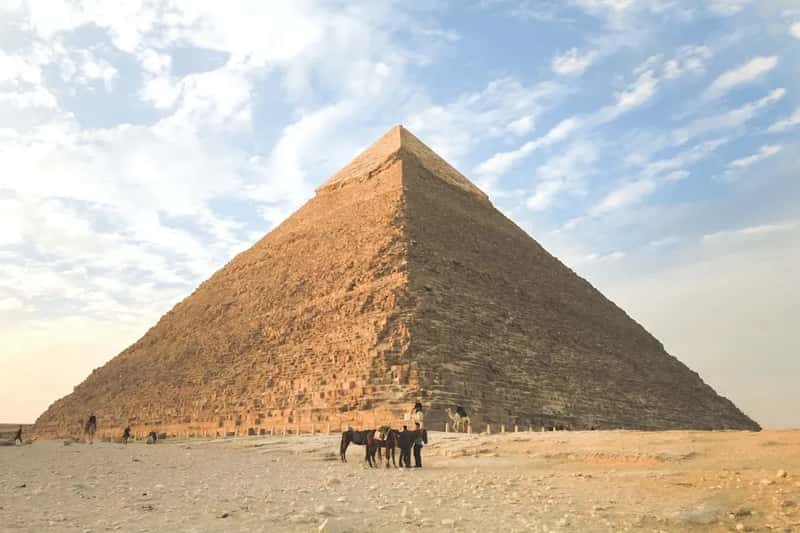
Egypt holds a Level 3 advisory from the State Department. The risks cited involve terrorism and border regions, particularly around the Sinai Peninsula and areas near Libya. Yet the Nile, the pyramids of Giza, the temples of Luxor and Karnak, and the dive sites of the Red Sea continue to pull visitors from every continent at a scale that makes the warning feel almost abstract in context.
Even cautious travellers know the difference between a tightly managed Cairo-Luxor itinerary and wandering casually into areas the advisory tells you to avoid. Egypt works best when people treat it as a guided, planned, logistics-heavy experience rather than a carefree freestyle adventure. That has not slowed demand. It has simply changed how people approach the country. Travellers who return from Egypt consistently describe it as an experience on a different scale from anything else they’ve seen.
Jamaica: The Caribbean’s Most Cautioned and Most Beloved Island
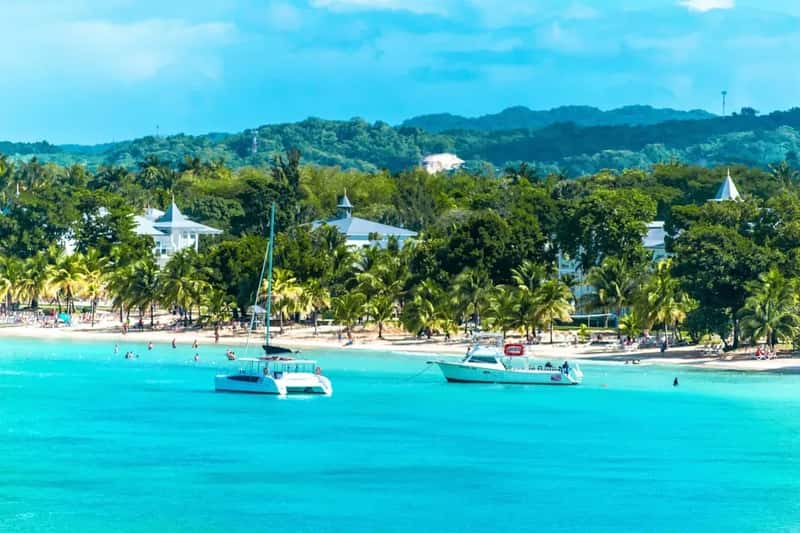
Jamaica holds a Level 3 advisory from the State Department. The primary concern is crime, which is concentrated in specific urban areas and largely disconnected from the resort corridors that most international visitors actually use. The parishes of St. James, Westmoreland, and St. Catherine carry the most specific warnings, while Montego Bay’s hotel strip and Port Antonio’s lush east coast remain enormously popular.
The island’s draw is profound and hard to replicate elsewhere. The music culture alone, including the roots of reggae and dancehall, draws listeners and music historians from around the world. Add jerk cooking that nowhere else quite matches, waterfalls at Dunn’s River, and water so clear it seems too blue to be real, and it becomes easier to understand why travellers return year after year despite the warning label. When evaluating each country, before deciding what advisory to allocate it, the State Department considers multiple factors, such as crime, terrorism, civil unrest, access to health services, likelihood of a natural disaster, and current events.
South Africa: Safari Dreams and a Level 2 Warning

South Africa carries a Level 2 advisory from the State Department. Countries such as Brazil, Thailand, and South Africa remain in this category, meaning caution is necessary but travel is not prohibited. The concerns are primarily tied to violent crime in urban areas, particularly parts of Johannesburg and Cape Town after dark. Most visitors, however, plan their time around game reserves, the Garden Route, the Winelands, and Cape Town’s extraordinary setting between mountain and sea.
A safari in Kruger National Park or a private reserve in KwaZulu-Natal tends to produce the kind of story people tell for decades. The biodiversity is staggering, the landscapes shift dramatically across the country’s nine provinces, and the food and wine scene has grown into a serious destination draw in its own right. South Africa is a country of immense complexity, and travellers who engage with it thoughtfully rarely regret the decision.
India: A Level 2 Country of Almost Infinite Depth
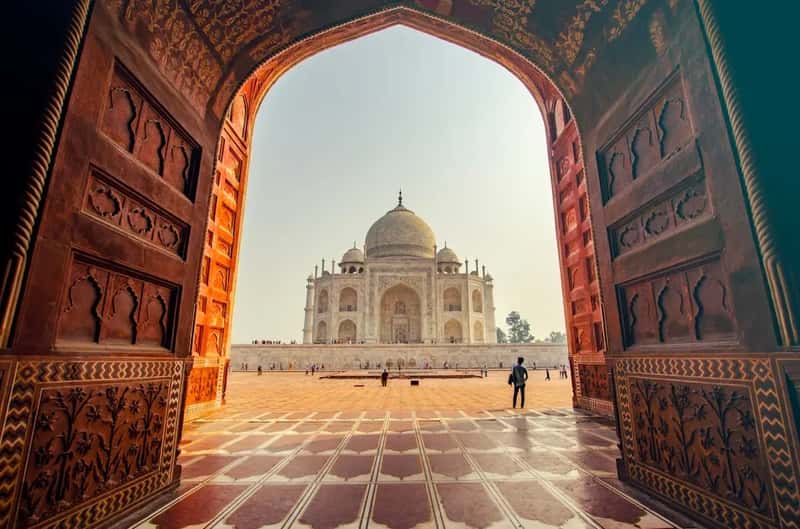
India carries a Level 2 advisory from the State Department. Terrorist attacks and violent civil unrest are possible in certain areas. Violence happens sporadically along the Line of Control between India and Pakistan. Violence also occurs in tourist spots in the Kashmir Valley, including Srinagar, Gulmarg, and Pahalgam. Those specific zones are clearly identified, and the vast majority of India’s tourist circuit sits entirely outside them.
The subcontinent offers a travel experience unlike almost anywhere else on earth. The ancient temples of Tamil Nadu, the ghats of Varanasi, the forts of Rajasthan, the backwaters of Kerala, and the chaos and colour of Mumbai represent just a fragment of what’s available. Many travellers describe India as the single most overwhelming and rewarding trip of their lives, a place that resists easy summary and rewards patience. The advisory is worth reading carefully. So is the departure board.
Peru: Machu Picchu and a Level 2 Warning
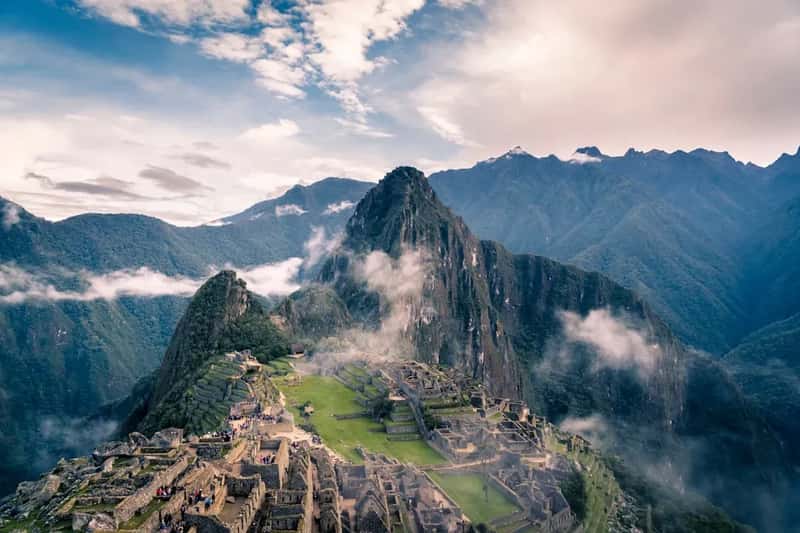
Peru holds a Level 2 advisory from the State Department. Concerns involve crime, civil unrest, and specific regions near drug-trafficking routes. The advisory does not prevent travel, and it does not dampen enthusiasm for a destination that contains one of the most iconic archaeological sites on earth. Machu Picchu continues to draw visitors from every country, and the Inca Trail remains one of the most sought-after multiday hikes anywhere in the world.
Beyond the famous citadel, Peru holds remarkable depth. The Amazon basin covers more than half the country. The Colca Canyon runs deeper than the Grand Canyon. Lima has emerged as one of South America’s most serious food cities, with multiple restaurants that consistently rank among the best on the continent. Travel advisories can be based on a number of factors aside from war, including health and disease risks, incidents of terrorism, and civil unrest. For Peru, informed travellers consistently find that the experience far outweighs the warning level.
Jordan: A Level 2 Country That Keeps Stunning First-Time Visitors
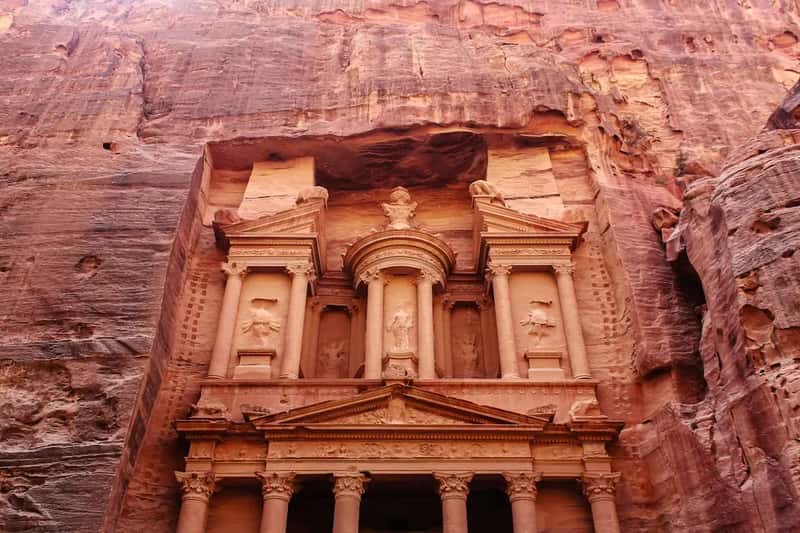
Jordan carries a Level 2 travel advisory from the State Department. The advisory reflects Jordan’s location in a complex regional neighbourhood, with its proximity to Syria and Iraq factoring into the assessment. The country itself is remarkably stable by regional standards, with a functioning tourism infrastructure and a long tradition of welcoming international visitors safely.
Petra, the rose-red Nabataean city carved into canyon walls, consistently appears on lists of the world’s most affecting travel experiences. Wadi Rum’s desert landscape, used as a stand-in for Mars in multiple films, offers jeep tours and overnight camps under skies almost entirely free of light pollution. The Dead Sea, the lowest point on earth, sits within easy reach of the capital Amman. Travellers who go to Jordan with open eyes often return saying they had no idea the country could feel so welcoming, so ancient, and so quietly extraordinary.