Walk into a shop in Stockholm and try to pay with a crumpled banknote. There’s a decent chance the cashier will look at you the way someone might look at a rotary phone: recognizable, sure, but not something anyone expects to actually use anymore. This isn’t a hypothetical thought experiment. It’s daily life in Sweden, a country that has quietly, methodically, engineered itself into the most cash-free society on the planet.
The shift didn’t happen overnight, and it wasn’t driven by a single law or a single app. It’s the result of nearly two decades of small nudges, cultural habits, and infrastructure decisions that all pointed in the same direction. What’s left today is a nation where physical money still technically exists, but where using it can feel like an inconvenience nobody quite planned for.
How Sweden quietly became the world’s cashless pioneer
Sweden’s move away from cash didn’t start with smartphones. It started with banks deciding, one branch at a time, that handling paper money was expensive and increasingly pointless. By the early 2010s, many Swedish bank branches had already stopped keeping cash on hand or processing cash deposits altogether, pushing customers toward cards long before contactless payments became a global norm.
A major banknote and coin changeover between 2015 and 2017 accelerated things further. The large changeover of banknotes and coins in 2015-2017 has also been cited as an explanation for Sweden’s low amount of cash in circulation.[1] That redesign gave the country a natural opportunity to shrink the volume of physical currency circulating in the economy, and it never really rebounded afterward.
What the Riksbank’s own numbers actually show
Sweden’s central bank, the Riksbank, tracks payment habits every year, and its most recent findings leave little room for ambiguity. About one in ten in-store purchases is made with cash, and only 10 per cent paid cash for their last in-store purchase.[1] Fifteen years ago, that number was radically different.
In-store purchase in 2025, compared to 10 per cent in 2023, fifteen years ago the corresponding figure was 40 per cent.[2] That’s not a gradual decline, it’s a near-total collapse in how ordinary people pay for things at the register. Debit cards and the mobile app Swish now dominate everyday transactions in a way that would have seemed extreme even a decade ago.
Swish: the app that made wallets optional
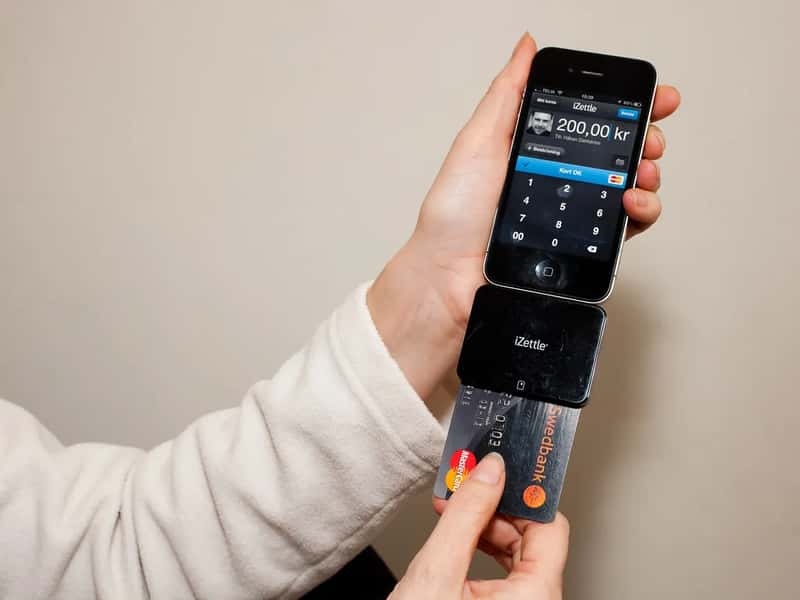
If there’s one piece of technology responsible for pushing Sweden over the edge into near-cashlessness, it’s Swish. Sweden’s mobile payment app Swish is used by more than 80% of the population, alongside debit and credit cards, the BankID system, and various savings and investment tools.[3] It lets people send money instantly between bank accounts using just a phone number, and it’s used for everything from splitting a dinner bill to paying a plumber.
What makes Swish different from a typical payment app elsewhere in the world is how deeply it’s embedded in daily social life, not just retail. Kids selling lemonade at a stand, market vendors, even church donation baskets in Sweden often display a Swish QR code instead of a coin jar. It turned digital payment from a convenience into an assumption.
Where cash still quietly hangs on

Despite the numbers, cash hasn’t vanished completely, and it’s not evenly absent across the economy. Cash acceptance is highest in the retail of essential goods, where 85 per cent accept cash, while retail sales of building materials have the lowest cash acceptance rate at only 45 per cent.[4] Grocery stores, in particular, have been slower to abandon it than trendier retail categories.
There’s also a noticeable gap between how businesses describe their own habits and what independent surveys find. In the Swedish Trade Federation’s annual survey among its members, cash acceptance was 91 per cent in 2024, significantly higher than the 71 per cent that, according to the Riksbank’s survey, accept cash in retail.[4] That discrepancy hints at a messier reality than either headline figure suggests on its own.
The people who still need physical money

Cashlessness isn’t experienced equally by everyone, and Sweden’s own data acknowledges that clearly. Almost half of respondents in the Riksbank’s survey consider it somewhat or very negative that the use of cash is decreasing in Sweden, and people outside big cities and people over 65 are more likely to be negative about the decline in cash use.[5] Age and geography turn out to be the biggest dividing lines.
Younger, urban, higher-income Swedes tend to feel completely fine without cash in their pockets. A majority of households, seven out of ten, say they could manage without cash, and in particular, younger people and people with higher incomes in big cities consider that they could manage without cash.[2] For everyone else, especially older residents in smaller towns, the shift feels less like progress and more like being quietly left behind.
Why some businesses are turning cash away entirely
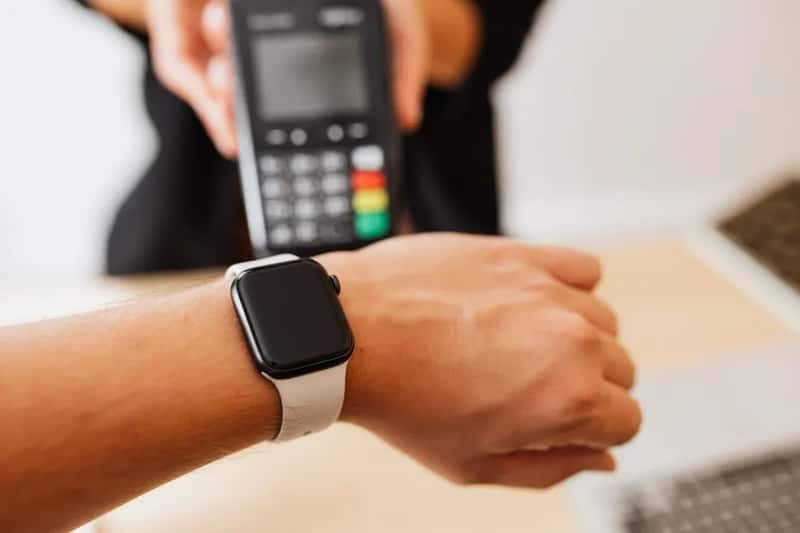
For a growing number of Swedish retailers, refusing cash isn’t a policy statement, it’s just simpler math. Handling coins and notes means security costs, bank fees for deposits, and staff time spent counting drawers at closing. Challenges persist, including rising fraud, financial exclusion, and a dependency on private banking infrastructure, even as digital payment adoption keeps climbing.[3]
Sector by sector, the willingness to bother with physical money varies enormously. Shops selling big-ticket items like furniture or building supplies have almost no reason to keep cash registers stocked, while smaller daily-goods retailers, cafés, and hairdressers still find it useful for quick, low-value transactions where a card reader might feel like overkill.
The 2025 wake-up call: why cash withdrawals suddenly rose
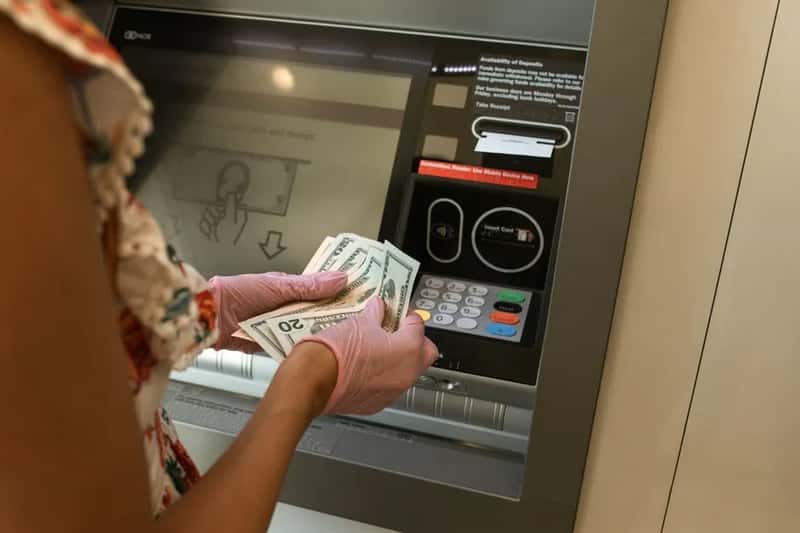
Just when it looked like cash was heading toward irrelevance, something unexpected happened. Withdrawals increased by 14 per cent during the first half of 2025, compared with the corresponding period in 2024, according to Kontantbarometern.[2] That’s not the kind of number you’d expect from a country supposedly racing toward zero cash.
The explanation ties back to geopolitics and crisis preparedness rather than nostalgia for banknotes. Heightened awareness around Russia’s invasion of Ukraine, combined with broader anxiety about infrastructure resilience, pushed a segment of the population to quietly stash some physical money away, just in case digital systems ever failed them at the worst possible moment.
What happens when the power goes out
Sweden’s own defense planning has started treating cash less as a relic and more as a backup system. Sweden were to be at war, the Riksbank is in favour of companies that have to comply with the Riksbank’s contingency regulations actively participating in the work to be able to maintain their payment operations in times of crisis and war.[2] That’s a striking admission from a country that spent years actively encouraging people to abandon banknotes.
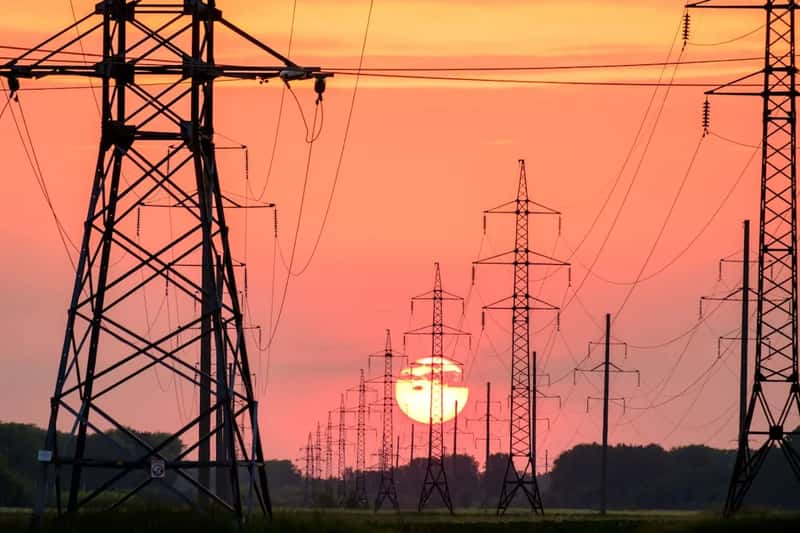
Events elsewhere in Europe have reinforced the concern. A widespread power outage across Spain and Portugal in April 2025 briefly paralyzed card terminals and mobile payment apps, leaving anyone without physical cash unable to buy basic essentials until systems came back online. Swedish officials watched that closely, since it’s exactly the scenario their own contingency planning is meant to guard against.
Norway’s different path, and what it means for Sweden
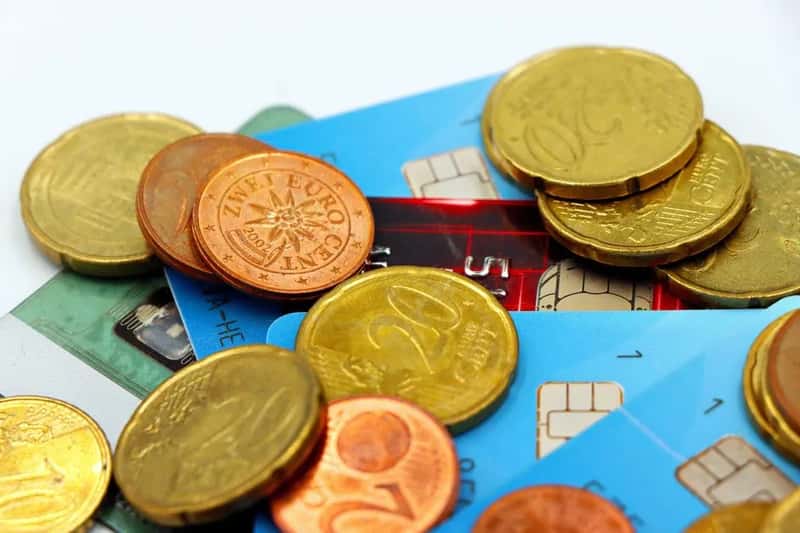
Sweden isn’t alone in this experiment, but its Nordic neighbor has taken a notably different turn. Norway reached a similar conclusion and went further, passing legislation authorising fines and sanctions for retail shops that refuse cash, a remarkable policy reversal for a country that had been one of the most aggressive advocates of cashless adoption in the world.[6] It’s a legal backstop Sweden has only partially matched.
Both countries now legally require certain businesses to keep accepting cash, even as usage keeps falling. The OECD promotes legal safeguards for cash access, and Sweden and Norway legally require some businesses to accept cash.[6] It’s a tacit acknowledgment that market forces alone were pushing cash out faster than policymakers were comfortable with.
Sweden’s trust in a cashless future is starting to wobble
Perhaps the most telling shift isn’t in the payment statistics at all, but in public sentiment. Swedes’ confidence in the cashless society is declining, according to a report commissioned by social research company Sifo/Kantar, and of Swedes who use cash, almost half say they think it is important that cash remains in society.[7] That’s a meaningful crack in what was once near-universal enthusiasm.
Even the researchers tracking this trend admit there’s no easy resolution in sight. The question of whether cash should remain or not remains complex, despite the fact that a large part of the Swedish population rarely uses it.[7] Sweden built the closest thing the world has to a cashless economy, and now it’s spending real effort figuring out how to keep a small, stubborn sliver of cash alive on purpose.
The bottom line on Sweden’s cashless status
Sweden earned its reputation honestly. Cash didn’t disappear because of one law or one clever app, it faded because banks, retailers, and everyday habits all quietly agreed it wasn’t worth the hassle anymore. Yet the country’s own recent data shows something more nuanced than a simple victory lap: rising withdrawals, growing unease among older and rural residents, and new legal protections for cash all point to a society recalibrating rather than finishing a race. Sweden may still be the closest thing the world has to a cashless nation, but even there, the last few percentage points are proving harder to erase than anyone expected.