

There’s a small country tucked between the Caucasus Mountains and the Black Sea that’s been quietly feeding travelers some of the most soul-warming, complex, and genuinely surprising food they’ve ever tasted. Most visitors come back changed. Not by the scenery, though that’s extraordinary too, but by the food. Georgia, the small, fiercely proud country nestled between the Caucasus Mountains and the Black Sea, has been quietly astonishing food travelers for years, and the mainstream travel world is only just beginning to notice.
The country in question is Georgia. Not the American state. The ancient Caucasian nation that has been producing wine for longer than almost any civilization on earth, cooking with walnuts and pomegranates long before fusion cuisine was a concept, and hosting feasts that can stretch well into the early hours of the morning. Georgian cuisine is one of the most underrated food cultures in the world, and Tbilisi is its epicenter, with bold flavors, fragrant herbs, and generous portions. Yet somehow, it barely registers on the global food conversation.
An Ancient Table: Why Georgia’s Culinary Roots Run Deeper Than Most
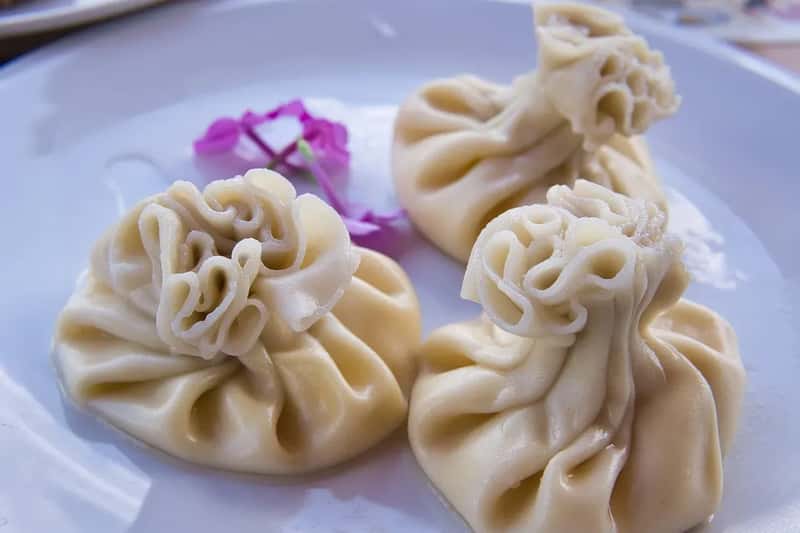
Traditional food of Georgia is one of the world’s great undiscovered cuisines, built on cheese, walnuts, fresh herbs, and 8,000 years of winemaking tradition. That depth isn’t just a marketing line. It reflects a food culture that evolved not from a single influence but from the crossroads of empires, trade routes, and mountain communities, each with its own pantry and technique.
Georgia features a diverse landscape from the Caucasus to the Black Sea, complemented by ancient Qvevri winemaking and UNESCO-recognized cultural traditions. The culinary landscape of Georgia is perhaps the most prominent aspect of its sensory appeal. The Georgian table is not merely a place for sustenance but a venue for cultural expression, with flavors characterized by a balance of rich cheeses, pungent spices, and fresh herbs. That combination sets it apart from its regional neighbors in ways that are genuinely hard to describe until you’ve experienced it.
Khachapuri: The Dish That Defines a Nation
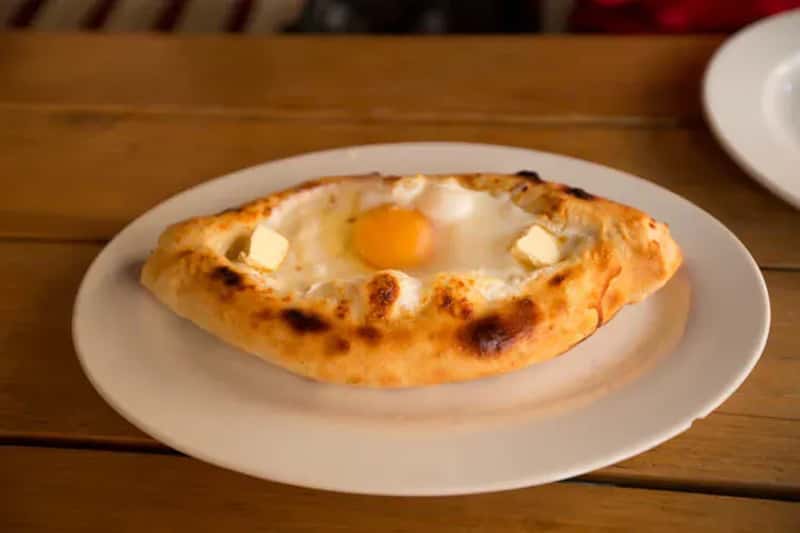
Khachapuri is Georgia’s national dish and comes in a range of regional styles. The most popular include Imeruli, which is round and closed; Megruli, with extra cheese on top; and Adjarian, which is boat-shaped and topped with egg and butter. The Adjarian version especially tends to stop first-time visitors mid-sentence. It arrives like molten bread art and tastes like nothing anywhere else in the world.
The name khachapuri combines two Georgian words: khacho, meaning cheese curds, and puri, meaning bread. It sounds simple, but the result is one of the Caucasus’s most famous foods. Sulguni cheese, a brined cheese from Samegrelo, gives khachapuri its signature stretch. Each region interprets the concept differently, which means you can travel across the country and never eat the same version twice. That variety alone rewards repeat visits.
Khinkali: The Dumpling That Has Its Own Eating Rules
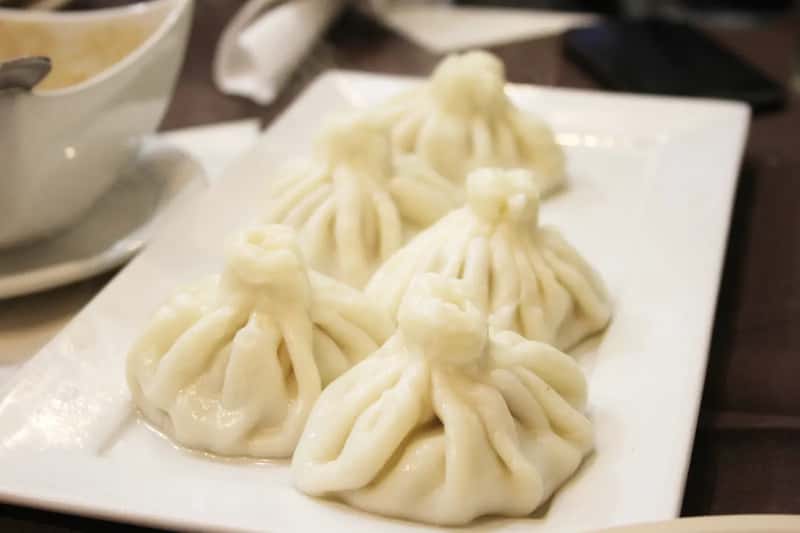
Khinkali are hand-pleated dumplings from Georgia’s mountain regions, stuffed with spiced meat and a burst of broth that forms as they cook. You’ll find different styles with their own fillings and seasonings, and eating khinkali isn’t as simple as it looks – there’s a whole technique to keep that soup inside. You pick them up by the knot at the top, bite a small hole, and drink the broth before eating the rest. Dropping it is considered a small social failure.
Vegetarian versions filled with cheese, potato, or mushrooms are also available, offering something for everyone. The mountain origins of khinkali give the dish a hearty, unfussy character that feels completely removed from any kind of culinary performance. Modern Georgian cuisine often features creative twists on traditional khinkali, enhancing the dining experience in a pleasant atmosphere. Still, the traditional mountain version remains the benchmark most locals quietly judge everything else against.
The Supra: Georgia’s Most Powerful Food Ritual
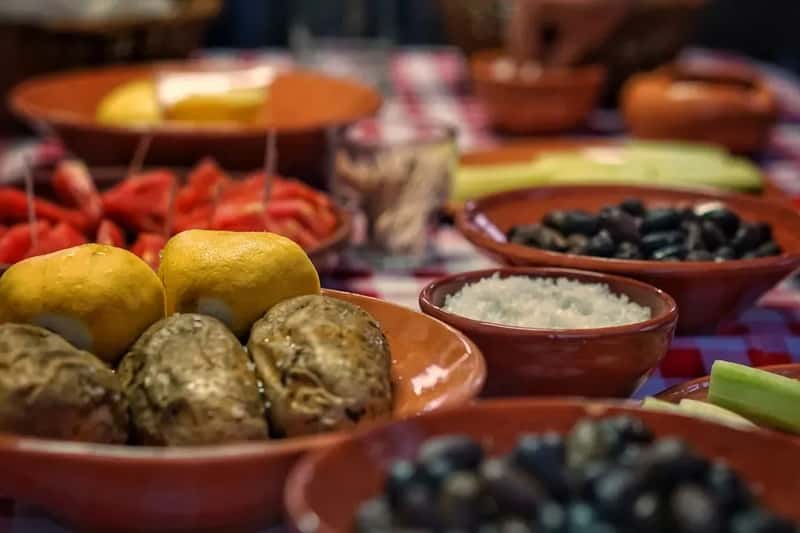
The Supra is the traditional Georgian feast. It is a highly structured social event led by a Tamada, or toastmaster, who directs the flow of the evening through a series of poetic and philosophical toasts, transforming a meal into a choreographed performance of storytelling and kinship. Sitting at a Supra for the first time is genuinely disorienting in the best possible way. The table keeps filling, the wine keeps flowing, and the toasts become increasingly elaborate.
Georgian feasts, known as Supras, are a testament to the country’s hospitality, featuring a wide array of dishes accompanied by toasts led by a Tamada or toastmaster. These events aren’t reserved for weddings or state occasions. Supras can go on for hours, with wine flowing the whole time. It’s a tradition rooted in Georgia’s ancient winemaking and their belief that meals are social events, not just about filling up. That philosophy permeates every meal in the country, even a quick lunch.
The Wine: 8,000 Years and Still the World’s Best-Kept Secret
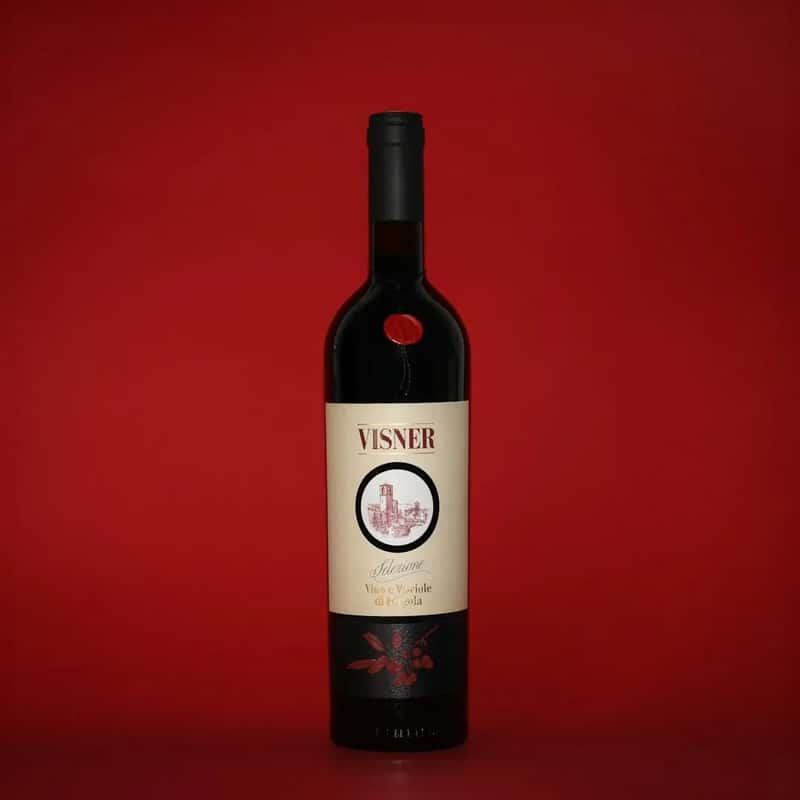
Georgia is widely recognized as the cradle of wine, with an uninterrupted history of viticulture dating back 8,000 years. That’s not a figure borrowed from tourism brochures. Archaeological evidence from the Caucasus consistently supports it. There are more than 500 indigenous varietals in Georgia, although only about 50 are commercially produced. The sheer genetic diversity of Georgian wine is staggering compared to any other wine-producing country.
Qvevri fermentation, unlike conventional winemaking where temperature control is precise, involves fermenting wine naturally in buried clay vessels. This results in wines that are raw, expressive, and deeply rooted in the land. No additives, no artificial yeasts – just time, nature, and patience. Georgian wines are unfiltered and undergo a slow fermentation process, allowing them to develop distinct characteristics. The natural wine movement sweeping through the world’s best restaurants has deep roots here, though Georgia was doing it long before anyone coined that term.
Regional Diversity: No Two Parts of Georgia Taste the Same

Georgia is a diverse country, with eight distinct regions each boasting its own unique culinary traditions. From the mountainous Svaneti region, where hearty dishes like Khinkali are prevalent, to the coastal Adjara region, which is known for its seafood. This regional variation is one of the most underappreciated aspects of Georgian cuisine. It means a trip across the country is also a very different eating experience from region to region.
Lobiani is a bean-filled bread similar to khachapuri but stuffed with kidney beans seasoned with coriander and herbs. Kubdari comes from the Svaneti region and is a meat-filled bread with a richly spiced filling of pork and beef with cumin and blue fenugreek. Meanwhile, Kakheti in the east anchors the country’s wine identity. Kakheti, one of Georgia’s ten regions, is renowned for its wine production and has been a significant contributor to the country’s rich culinary heritage, with a history dating back over 8,000 years.
The Walnut Factor: An Ingredient That Changes Everything
Georgia is one of the world’s oldest wine-producing regions and its cuisine is equally ancient and distinctive. Built on walnuts, fresh herbs, pomegranates, and a variety of cheeses, Georgian food is a revelation for anyone who discovers it. Walnuts appear in ways that are initially surprising. They’re blended into sauces, folded into dumplings, pressed against eggplant rolls, and stirred into vegetable pates called pkhali.
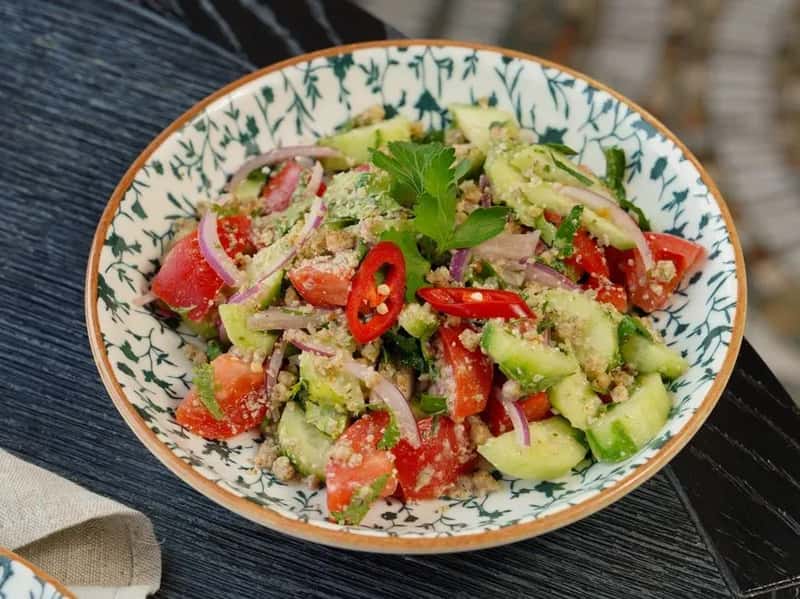
Georgian meals are often accompanied by an assortment of side dishes like Badrijani Nigvzit, which are eggplant rolls with walnut filling, fresh salads, and an array of pickled vegetables. A standout dish is the Georgian salad, a delightful combination of fresh ingredients like tomatoes and cucumbers, sometimes enhanced with pomegranate or a spicy twist. The walnut-pomegranate axis in Georgian cooking is something food writers haven’t given nearly enough attention to. It’s a flavor profile with few real parallels elsewhere in global cuisine.
Tbilisi’s Food Scene: Ancient Cellars and Modern Kitchens
Tucked between Europe and Asia, Tbilisi is one of those cities that travelers whisper about with wonder. It’s off the radar, but only just. Affordable, atmospheric, and rich in culture, Georgia’s capital is a city where history meets hipster, where you can have dinner in a centuries-old wine cellar and end the night in an underground art bar. The food scene reflects exactly that layering. Traditional restaurants serving slow-cooked stews sit blocks away from natural wine bars drawing a younger, globally curious crowd.
Tbilisi is widely described as Europe’s most underrated food city. From the iconic flavors of khachapuri and khinkali to the spirited tradition of the Georgian supra, the city’s rich culinary heritage and live folk culture come together for an unforgettable dining experience. A full traditional meal with wine rarely costs more than roughly ten to fifteen dollars per person. That price-to-quality ratio is almost unmatched by any European capital, which makes the relative lack of food media coverage feel even more puzzling.
Georgia Going Global: The Slow Rise of Recognition
In recent years, Georgia’s culinary culture has gained recognition beyond its borders, with Georgian restaurants popping up in major cities around the world. From New York City to London, food lovers can now enjoy authentic Georgian dishes in their own neighborhoods. This global recognition of Georgian cuisine has also led to increased interest in the country’s wine industry. The diaspora has played a significant role in carrying the food outward, though what arrives abroad is often a fraction of what the full table looks like back home.
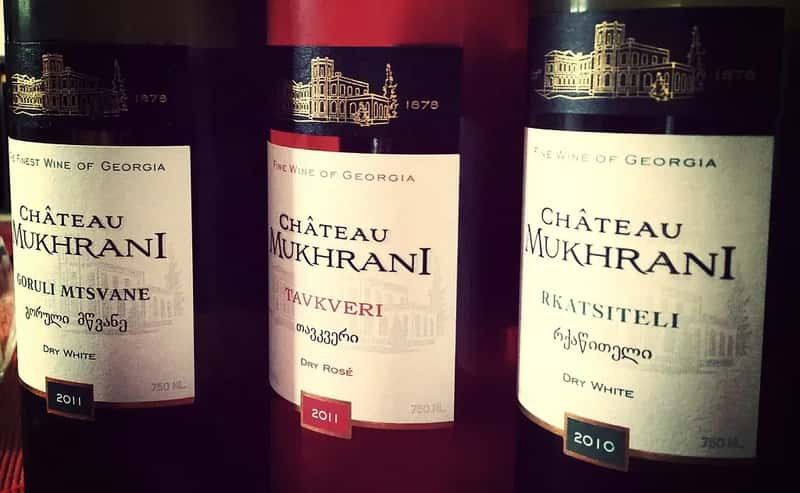
As more people discover the unique flavors of Qvevri wines, demand for these traditional Georgian wines is growing, both within the country and internationally. Outside Georgia, restaurants have popped up all over Europe and North America, and most focus on the classics: khachapuri, khinkali, badrijani eggplant rolls, and walnut stews. The cuisine translates well, but the full context, the Supra, the regional variation, the seasonal depth, remains something you have to go and find for yourself.
Why the Food World Still Hasn’t Fully Caught Up
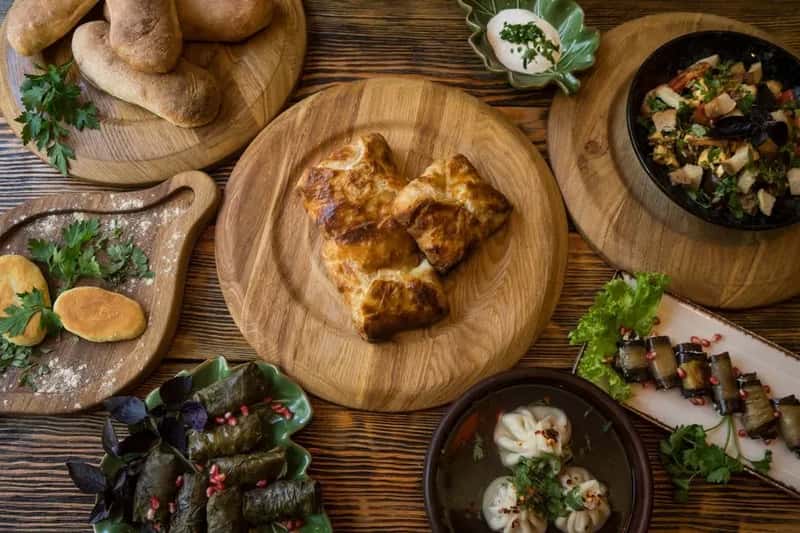
Georgian cuisine is a hidden gem at the crossroads of Europe and Asia, characterized by its unique flavors, extensive use of herbs and spices, and the renowned winemaking tradition. Gastronomy expresses culture, history, and tradition, yet many of the world’s most underrated cuisines remain hidden gems on the global stage. Georgia’s relative obscurity on the food map has more to do with geography and post-Soviet visibility than with anything the food itself deserves.
Georgia is one of the most undiscovered foodie destinations in the world, not to mention its 8,000 years of wine production history. The advice among those who know it best is simple: get there soon and explore before the rest of the tourists arrive. That window may be shorter than it seems. Word travels slowly with Georgian food, but once people eat it, they don’t forget it. The country’s table has been waiting a long time for the rest of the world to pull up a chair.