Just weeks ago, Dubai was on top of the world. Literally. The gleaming emirate had just closed 2025 with a staggering tourism record, a city boasting packed luxury hotels, rooftop bars humming with international crowds, and a skyline that seemed to embody pure, unshakeable ambition. Nobody could have predicted what was coming. Nobody wanted to.
Then February 28, 2026 happened. And within days, one of the most carefully constructed travel empires on earth began to unravel in front of a global audience, played out in real-time on every screen imaginable. The speed of it all is genuinely shocking. Let’s dive in.
The Rise That Made Dubai Untouchable
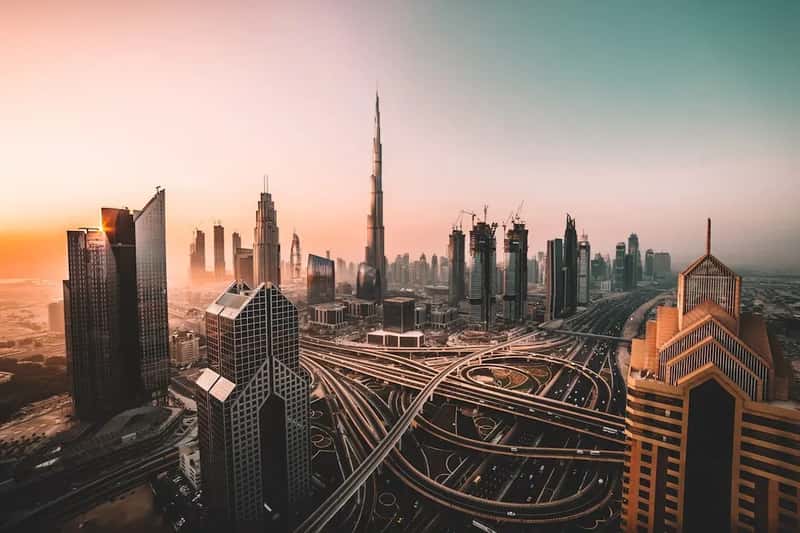
To understand how dramatic this collapse truly is, you first need to grasp how extraordinary Dubai’s tourism trajectory had been. The city welcomed a record-breaking 19.59 million international overnight visitors in 2025, marking a five percent annual increase over the 18.72 million visitors in 2024. Three consecutive record-breaking years. Think about that for a moment.
International visitor spending in the UAE was set to reach a record AED 228.5 billion in 2025, with Travel and Tourism forecast to contribute AED 267.5 billion to the national economy, accounting for almost 13 percent of GDP. That is not a side hustle. That is the backbone of a national identity.
The city had even crossed the extraordinary threshold of welcoming more than two million visitors in a single calendar month for the first time ever in December, building strong momentum heading into 2026. The 2026 outlook was, in a word, euphoric. Ambitious targets were set. Hotel expansion was booming. Dubai was, as its own marketing liked to remind everyone, the world’s number one destination.
Dubai International Airport had retained its position as the world’s busiest airport for international passengers in 2025, further supporting visitor growth. A city at its absolute peak. Which, of course, is exactly when the ground shifts beneath your feet.
Operation Epic Fury: How Everything Changed on February 28
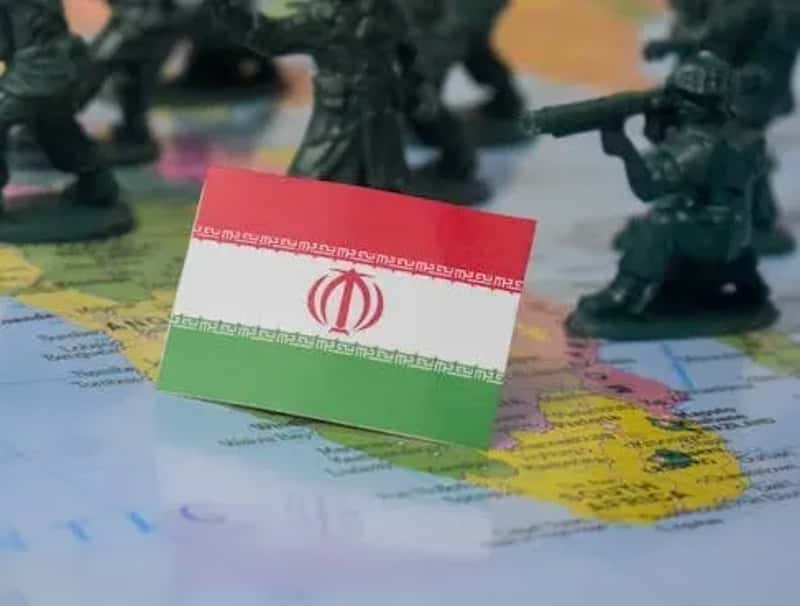
Here is the thing about geopolitical catastrophes. They rarely announce themselves politely. Operation Epic Fury, which began on February 28, 2026, is the U.S. code name for its joint military operations with Israel against Iran. The opening salvo took out the heart of the Iranian regime, Supreme Leader Ali Khamenei, and triggered a torrent of hundreds of retaliatory missiles and thousands of drones from Iran across the Middle East.
The diplomatic backdrop makes this even harder to process. Just before the strikes began, on 27 February 2026, Oman’s Foreign Minister had said a breakthrough had been reached and Iran had agreed both to never stockpile enriched uranium and to full verification by the IAEA; furthermore, Iran had agreed to irreversibly downgrade its current enriched uranium. He said peace was within reach. Talks were expected to resume on 2 March. Peace was literally within reach. Twenty-four hours later, bombs were falling.
In retaliation, Iran launched hundreds of drones and ballistic missiles at targets in Israel and at US military bases in Bahrain, Jordan, Kuwait, Qatar, Saudi Arabia, Turkey, and the United Arab Emirates. The UAE, home to Dubai, suddenly found itself directly in the crosshairs. The desert dream had become a war zone in a matter of hours.
Dubai’s Skyline Under Siege: The Strikes That Broke the Illusion
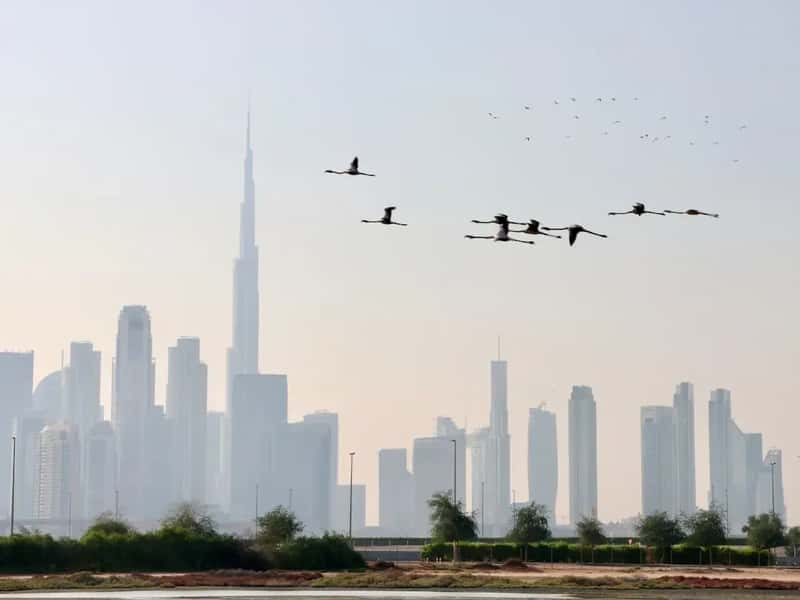
I know it sounds almost cinematic, but this is what actually happened. Flights in and out of the Middle East came to a near-complete stop, stranding residents, expatriates, and tourists alike, even as Iran struck the region’s most crowded cities and luxury hotels. When Dubai International Airport was damaged by drone strikes during the second day of the conflict, it temporarily halted all flights and reopened only in a limited capacity a few days later.
The iconic landmarks were not spared either. Flights to and from Dubai were halted, and the UAE’s airspace was temporarily closed, following drone attacks that caused damage to key landmarks such as the Palm Jumeirah and the iconic Burj Al Arab hotel.
The fire near the Fairmont The Palm hotel on Dubai’s iconic artificial Palm Jumeirah island at the onset of the regional escalation was contained quickly. According to initial reports, four people were lightly wounded. The incident itself was limited: the fire was extinguished, guests evacuated, and operations stabilized. But almost immediately, the story moved beyond the building. In the age of social media, perception travels faster than facts. Always.
The UAE’s Defense Ministry confirmed that air defenses have intercepted more than 300 ballistic missiles and 1,600 drones so far. That is a staggering number. The technology worked. But the psychological damage was already done worldwide.
The Airport Under Fire: Dubai’s Achilles Heel Exposed
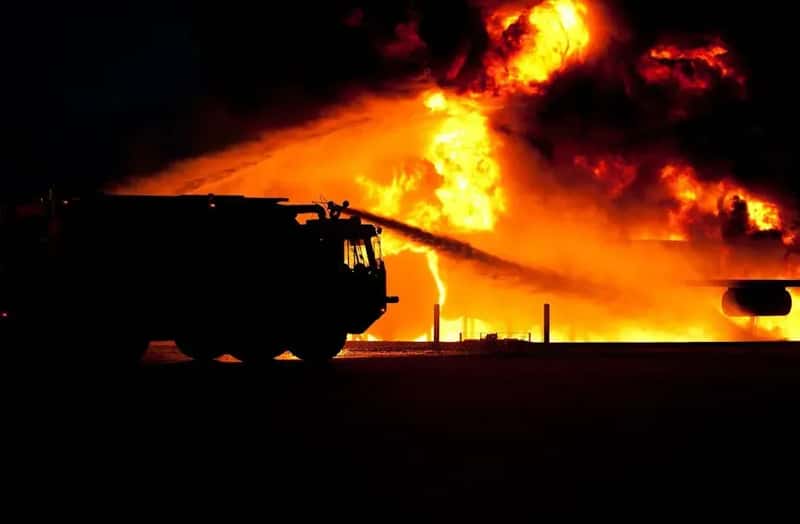
Nothing captures the severity of this crisis more viscerally than what happened to Dubai International Airport, repeatedly, in the weeks that followed. Early on Monday, 16 March 2026, a Shahed-type drone struck a fuel-storage tank just outside Dubai International Airport, sparking a large fire and triggering an immediate, hours-long suspension of all arrivals and departures. According to UAE authorities, the blaze was contained before it reached nearby jet-fuel hydrant lines, but the incident disrupted more than 300 passenger and cargo movements at the world’s busiest hub for international traffic.
Planes already in the air had nowhere safe to land. One overnight flight from Perth, Australia to Dubai was diverted to Abu Dhabi after circling for more than an hour. Another flight from Dublin turned around over Egypt and returned to the Irish capital eight hours after takeoff. That is the lived reality of what this conflict is doing to ordinary travelers.
British Airways, Lufthansa Group, Air France, KLM, Cathay Pacific, Singapore Airlines, Finnair, and Virgin Atlantic were already suspended through late March or beyond. Every major Western carrier. Gone. And this is not a temporary weather disruption. This was at least the third time since February 28 that a drone had reached the airport, and each incident resets the risk calculation for every airline that was already on the fence about returning.
$600 Million Lost Every Single Day
Let’s be real about the numbers, because they are genuinely breathtaking in the worst possible way. The World Travel and Tourism Council estimates that the escalating conflict in Iran is already impacting the Travel and Tourism sector across the Middle East by at least US$600 million per day in international visitor spending, as disruptions to air travel, traveller confidence and regional connectivity affect demand.
Six hundred million dollars. Per day. That is not a recession. That is an economic hemorrhage. Tourism Economics estimates that inbound arrivals to the Middle East could decline between eleven and twenty-seven percent year on year in 2026 due to the conflict, compared to the December forecast that projected thirteen percent growth. In absolute terms, this would mean between 23 and 38 million fewer international visitors compared to the baseline forecast, and a loss of between 34 and 56 billion dollars in visitor spend.
Tourism Economics projects that GCC countries will see the largest losses in volume terms, as they are the largest destinations in the region which have previously relied on perceptions of safety and stability. The UAE and Saudi Arabia are particularly vulnerable due to large international visitor volumes and a heavy reliance on air connectivity. Dubai built its empire on planes. Take the planes away and the whole architecture wobbles dangerously.
Empty Hotels Where Sold-Out Suites Once Stood
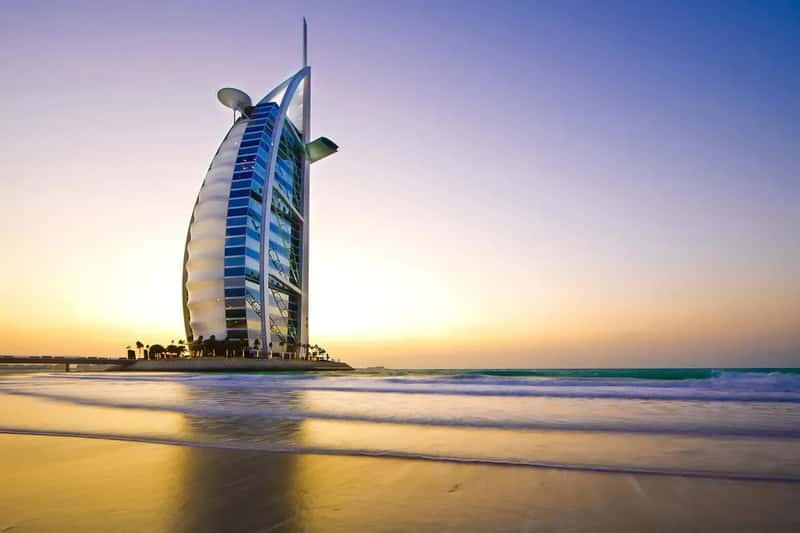
The ground truth on the streets of Dubai is stark. Dubai, one of the world’s premier travel destinations, is currently experiencing a severe downturn in tourism, with quiet streets, empty beaches, and a significant reduction in foot traffic to its famous landmarks.
More than 80,000 hotel bookings in Dubai alone were canceled within the first week of the conflict as visitors scrambled to cut short their vacations or postponed their trips due to safety concerns. Eighty thousand reservations, vanished in seven days. Hotels that had been running at nearly eighty-one percent occupancy through all of 2025 were suddenly staring at empty corridors.
With stock markets suspended, Jebel Ali Port operations halted, and hotel bookings plummeting more than sixty percent, the economic fallout is unprecedented. The ripple effects extend far beyond the tourism sector too. The retail sector has also been hit hard. Major shopping malls, such as The Dubai Mall and Mall of the Emirates, are seeing lower foot traffic, and luxury brands within these malls have reported a significant dip in sales. The knock-on effect on the economy is undeniable, with a decrease in retail sales impacting not just shops but also surrounding businesses like cafes, restaurants, and taxis that rely on tourists.
The Strait of Hormuz: The World’s Most Dangerous Bottleneck
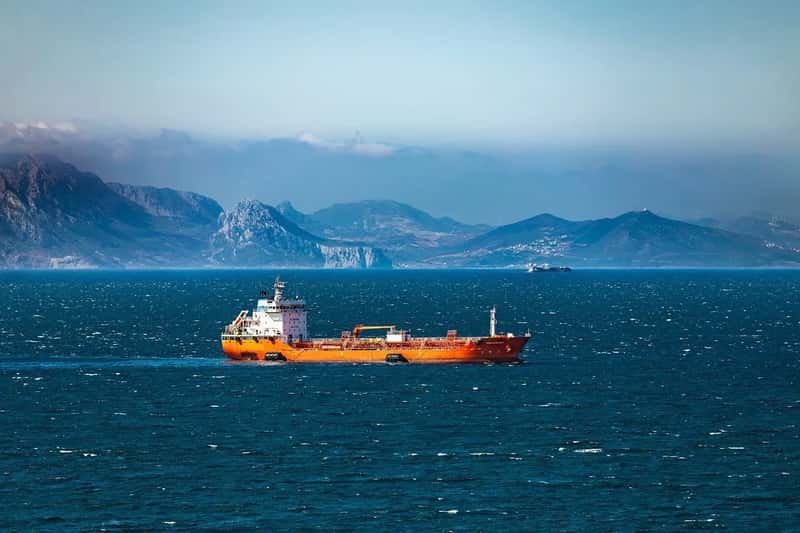
There is another dimension to this crisis that does not get nearly enough attention. The Strait of Hormuz sits at the very geographic heart of what has made Dubai possible as a global hub. And right now, it is arguably the most dangerous stretch of water on earth.
Middle Eastern oil producers’ daily output declined from 21 million barrels to 14 million barrels after a little more than a week of conflict as they deal with the closure of the Strait of Hormuz, according to Rystad Energy. Output is expected to drop substantially further if commercial shipping continues to avoid the strait due to Tehran’s threats.
The conflict has also triggered a spike in aviation fuel costs. Jet fuel, which was trading between $85 and $90 a barrel before the strikes, has jumped to the $150 to $200 range, a rise of more than fifty percent in a fortnight. With fuel representing approximately forty percent of airline operating costs, carriers have been quick to adjust their surcharges. So even for airlines willing to fly to the region, the math has become brutally difficult. Higher fuel costs. Fewer passengers. A market in freefall.
The Trust Deficit: Dubai’s Most Fragile Asset Shattered
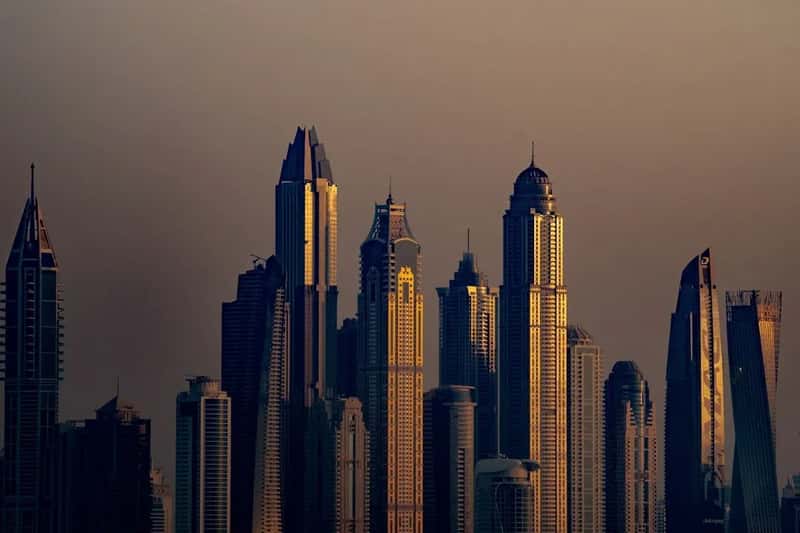
Honestly, the financial losses, as devastating as they are, may actually be the easier wound to heal. What is harder to quantify, and far more dangerous in the long term, is what has happened to Dubai’s brand promise. Dubai has always sold more than luxury; it has sold certainty. It is a city of glass towers and man-made islands, built on a promise: even in a volatile region, it remains controlled, stable, and safe. Since the war with Iran erupted, that promise has been unmistakably tested.
The city’s tourism model is built on the belief that it remains insulated from regional instability. Once that belief is questioned, even subtly, the implications extend far beyond any single incident. That is the cruel paradox of modern destination branding. You spend decades building a reputation, and you can watch it crack in a fortnight.
The Foreign Offices of several Western nations, including the UK and the US, have issued warnings for their citizens, advising against non-essential travel to the UAE. The heightened security risks due to the ongoing Iran conflict have raised concerns among international travelers, with many choosing to postpone or cancel their trips to Dubai. Government travel warnings are not whispers. They are amplified through every media channel, embedding fear into the decision-making of millions of potential visitors.
Aviation in Crisis: When the World’s Busiest Hub Goes Quiet
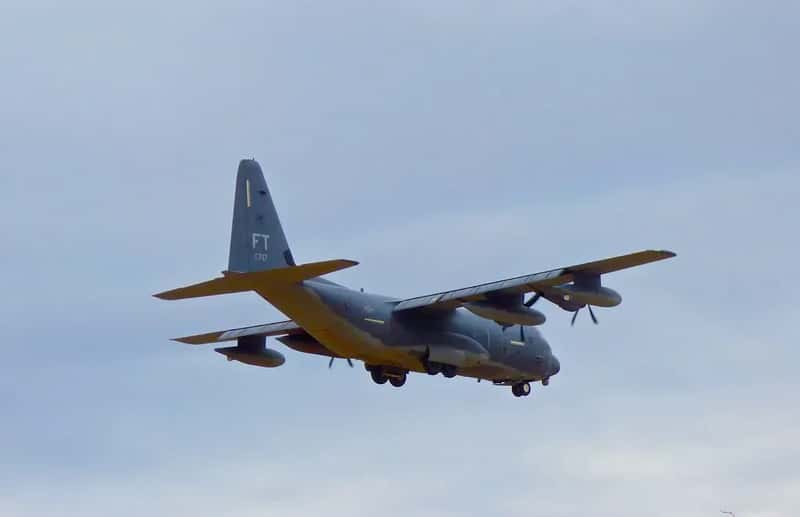
The major regional aviation hubs including Dubai, Abu Dhabi, Doha and Bahrain, which together normally process around 526,000 passengers per day, have experienced closures and operational disruption as the conflict escalates, significantly affecting regional and global connectivity. Half a million people per day. Stranded, rerouted, or simply deciding not to travel at all.
Airspace closures and restrictions led to 37,000 flight cancellations from February 28 to March 8 alone, according to aviation analytics firm Cirium. It is a number so large it barely feels real. Think of it this way. That is roughly the entire population of a mid-sized European city, all told simultaneously that their travel plans no longer exist.
Emirates, the flagship carrier, temporarily suspended operations from Dubai and then began a phased restart. By 6 March, it was reporting 106 daily return flights to 83 destinations, equivalent to around sixty percent of its usual network. Operating at sixty percent capacity in what should have been a peak travel season is, for a carrier of Emirates’ scale, a wound that bleeds billions. The airline built to showcase Dubai to the world now carries the weight of the world’s uncertainty.
A Broader Gulf Catastrophe: No Destination Untouched
Dubai is not suffering alone. The geopolitical shockwave has radiated outward with remarkable speed and reach. Travel trade reporting highlights steep drops in bookings in Doha, Abu Dhabi, Manama and Cairo, as travelers rethink multi-stop Gulf and Eastern Mediterranean itineraries. Packages that once combined city breaks, desert escapes, and regional circuits now appear less attractive to risk-averse tourists.
Oxford Economics warns that a decline in tourist flows to the region will deal a more severe economic blow than in the past, as tourism’s share of GDP has grown, as has employment in the sector. This is the cruel timing of it all. The Gulf states had spent the last decade diversifying their economies specifically to reduce oil dependency. Tourism was the big bet. The diversification plan is now being tested by a conflict that has disrupted both oil and tourism simultaneously.
The war has spilled over into critical sectors, particularly tourism and travel, a growing sector that accounts for about eleven percent of the GCC’s GDP. There is nowhere to hide when the disruption is this broad and this deep.
Can Dubai Recover – and How Long Will It Take?
It is hard to say for sure, but history offers some cautious reassurance. The Gulf has bounced back from crises before. Though many tourists had their travel plans disrupted, the UAE government and Dubai’s hospitality sector took quick action to ensure the well-being of stranded visitors was a top priority. In Abu Dhabi, the government covered the accommodation costs of tourists unable to depart due to flight suspensions. Similarly, Dubai’s Department of Economy and Tourism instructed hotels not to evict guests, instead working to find ways to extend stays without causing additional stress or financial burden on travelers.
Analysts at JPMorgan are warning of a slowdown in non-oil growth across the Gulf. This is a sector in which tourism plays a central role, reinforcing the assessment that, even in the absence of official data at this stage, the damage to the industry in 2026 could be significant. Recovery, when it comes, will be measured not in weeks but in quarters, possibly years.
The potential loss in visitor spend of between 34 and 56 billion dollars includes expected lingering sentiment impacts beyond the immediate conflict period. That phrase, lingering sentiment impacts, is the part that should worry Dubai’s strategists most deeply. Tourists have long memories. Fear is not easily unlearned.
Conclusion: The Dream Is Bruised, But the Story Is Not Over
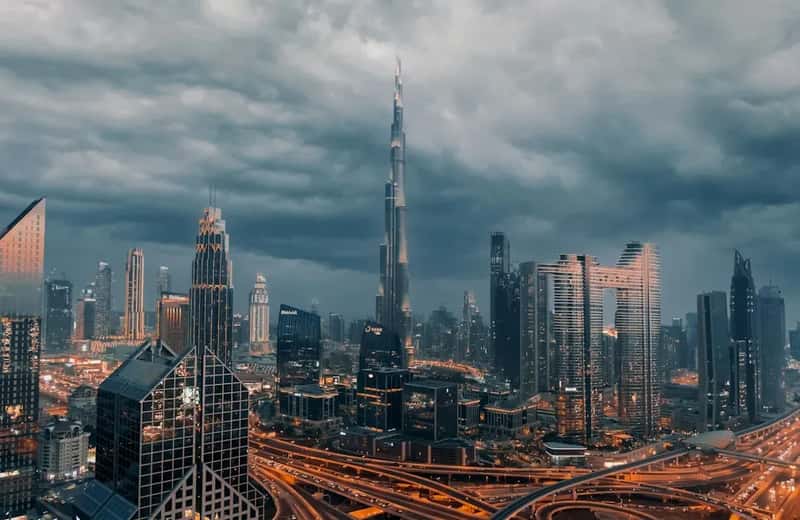
There is something almost Shakespearean about what is happening to Dubai right now. A city that rose from desert sand to global greatness in just a few decades, built on audacity, ambition, and the sheer refusal to accept geographic limitations, now watching its most prized asset, the perception of absolute safety and glamour, strain under the weight of a regional war it did not start and cannot fully control.
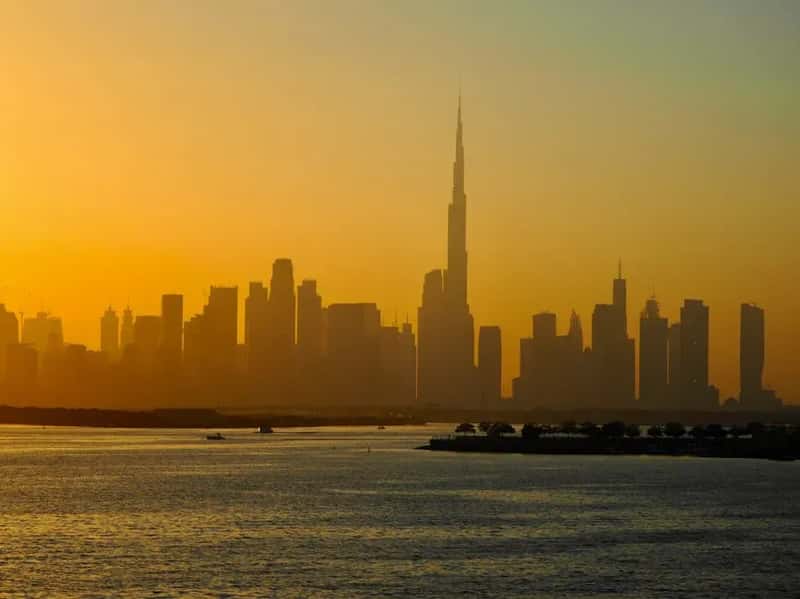
In tourism, perception often travels faster than reality. That single line captures everything. Dubai the physical city is still standing. Its towers still gleam in the desert sun. The Burj Khalifa still punctuates the skyline. The hotels are still there, quieter and emptier than they have been in years.
The desert dream is not dead. But it is, for the first time in a long time, genuinely, unmistakably wounded. What happens in the coming weeks in diplomacy rooms and war rooms will determine whether this is a temporary scar or a permanent shift in how the world thinks about the Middle East’s most dazzling city. One thing is certain: the era of taking Dubai’s invincibility for granted is over.
What do you think will shape Dubai’s recovery more – diplomacy or time? Tell us in the comments.