
A stranger stumbles into you and a cold drink runs down your sleeve. Within seconds you’re apologising, patting at wet fabric and looking at your jacket instead of your pockets. That moment of confusion is exactly what distraction thieves want.
The phrase “spilled drink” is popular shorthand for this kind of scam in central London. Publicly available police and court material doesn’t name one single organised spilled drink ring, so this article sticks to what is documented about distraction theft, the crews behind it and the trends in London since 2024.
What the Spilled Drink Trick Actually Looks Like

The spilled drink is a variation on a well known routine. One member of a team bumps a target, asks a question or offers to take a photo, and a second person quietly takes the valuables. French prosecutors described a similar pattern, with one member distracting a tourist, a second robbing them and a third running off with the goods.[1]
The same case matters here because prosecutors said that gang also operated in London and Rome.[1] I couldn’t find an official report that ties a single named crew to spilled drinks in the West End. What the records do show is that the method behind the trick is common, and that police in the capital recognise it.
Why a Simple Spill Works So Well
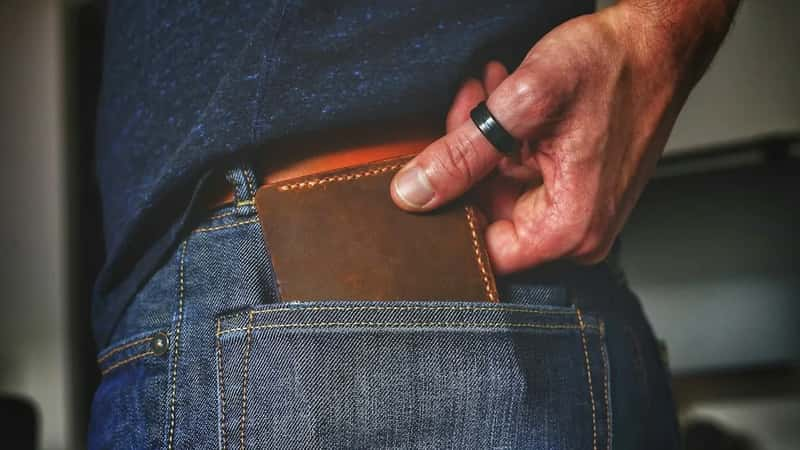
The trick works because it’s ordinary. Nobody expects a clumsy stranger to be a thief, and most of us reflexively help or apologise. In Nottingham in 2025, police believed a thief pretended to be drunk so the victim would assume he was just in a cheerful mood.[2]
An officer in that case described the act as a cynical attempt to pull attention away from the victim’s pockets. That’s the whole principle, whether the prop is a dance, a sheet of paper or a pint. The distraction creates a short window, and a practised thief needs very little time.
How These Crews Divide the Work

Pickpocketing in central London is rarely a solo act. A VICE report on the Met’s undercover Oxford Street, Regent Street and Bond Street team described how the best groups spot a target, track them through the day and often swap roles as lookout or close follower.[3] They then strike while the victim is busy, for example on an escalator or at a coffee table.
Court coverage from 2025 shows the same teamwork. Three women were arrested on Oxford Street after officers saw one take a woman’s handbag while the other two used an umbrella to block bystanders’ view.[4] The Met said the behaviour matched common distraction theft techniques.[4]
Where in Central London the Risk Is Highest

Westminster is the name that keeps coming up. TfL data has shown Westminster, Camden and Southwark among the boroughs with the most reported pickpocketing incidents.[5] A 2024 analysis based on Office for National Statistics figures also found that the top ten pickpocketing locations in the UK are all in London.[6]
The phone figures point the same way. Westminster has the highest rate of phone theft of any London borough.[7] The West End’s mix of tourists, shoppers and crowded bars gives thieves plenty of cover.
What the Latest Numbers Say

The recent trend is encouraging, though it covers phone theft overall rather than spilled drink scams specifically. The Met reported that mobile phone theft in London fell from 81,365 in 2024 to around 71,391 in 2025, a drop of 12.3 per cent.[8] That’s still roughly 71,000 phones in a single year.
Figures released in October 2026 showed further progress. Phone theft and robbery offences fell to their lowest August level since 2022,[9] and the Met reported that street theft of phones was down 21% to August 2026 compared with the previous year.[9]
Where the Stolen Phones End Up

A lifted phone isn’t just a personal loss. It feeds a trade. In the Met’s Operation Echostep, street thieves were paid around $400 per phone, while some handsets were resold for up to $5,000.[10]
That’s why police focus on the networks as well as the street thieves. Police believed one gang could have been responsible for exporting up to half of all phones stolen in London.[7] Earlier in 2026, the Met also said it had seen Snapchat adverts offering children as much as £380 to steal a single iPhone.[11]
How Police Are Responding
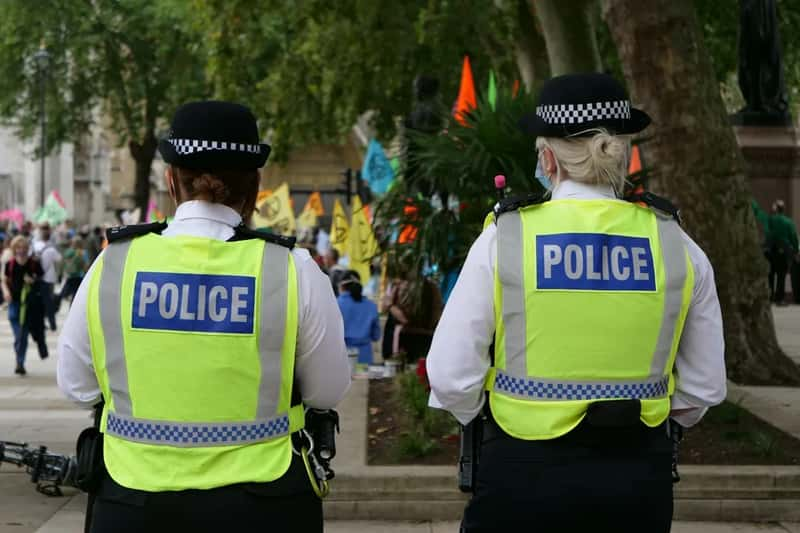
Enforcement has stepped up. The Met made 711 arrests in September 2026 in its biggest ever crackdown, targeting phone snatching, robbery and the handling of stolen goods.[11] Officers also visited 220 second hand phone shops across London to gather intelligence.[12]
Plain clothes work in the West End continues too. A Met sergeant said similar deployments in 2025 had already led to more than 100 theft related arrests.[4] The force confirmed that its targeted West End operations will continue.[4]
Why These Thefts Are Hard to Prosecute
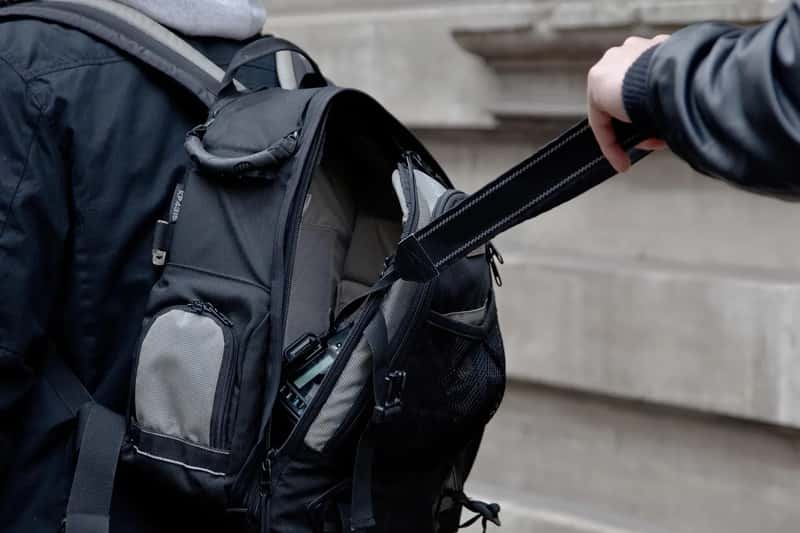
Distraction theft is slippery evidence wise. An officer told VICE that with many thefts you have to catch them in the act to prove they did it.[3] A spill, a bump or a sudden question leaves little behind except a missing phone.
Speed makes it worse. UCL’s Dr Matthew Ashby has noted that pickpocketing often involves multiple people[5] and that the actual pickpocket disposes of the property really fast.[5] Recovery rates reflect this: between 2017 and February 2024, only 13,998 of 587,498 phones stolen in London were recovered.[7]
Practical Ways to Protect Yourself

Start with the basics. The City of London Police has warned people visiting coffee shops, bars and restaurants to be mindful when leaving valuables on tables.[13] Keep your phone in a zipped inner pocket, and treat any unexpected physical contact as a cue to check your belongings.
If something does go missing, speed counts. The Met advises reporting phone theft as quickly as possible, because vital information can be established within the first hour.[6] You can report in person at a police station, by calling 101, or online.[6]
Where Things Stand in Late 2026
Phone theft in London is falling, with the Met reporting 16,000 fewer mobile phones stolen in the past year.[9] Pickpocketing by distraction hasn’t disappeared, though, and the same teamwork tactics are still being prosecuted in the West End.
No public record I could find identifies a single organised spilled drink ring. The method itself, a staged accident that pulls attention away from your pockets, is well documented, and it remains a risk in busy central London venues.