Every seasoned traveler has a story about the “amazing deal” that turned into a wasted afternoon or an empty wallet. It usually starts the same way: a friendly stranger, a suspiciously cheap tuk-tuk ride, or a booking site promising skip-the-line access that somehow still involves standing in a line. These moments rarely show up in vacation photos, but they shape how people remember a trip long after they’ve come home.
Travel advisors, tourism boards, and frequent flyers who’ve been burned more than once tend to agree on a shortlist of traps that keep catching newcomers off guard. Some are outright scams. Others are simply overpriced, overcrowded, or built around expectations that reality can’t match. Either way, knowing what to watch for in 2026 can save both money and a chunk of a trip’s goodwill.
1. Venice’s day-tripper “access fee” days without a plan
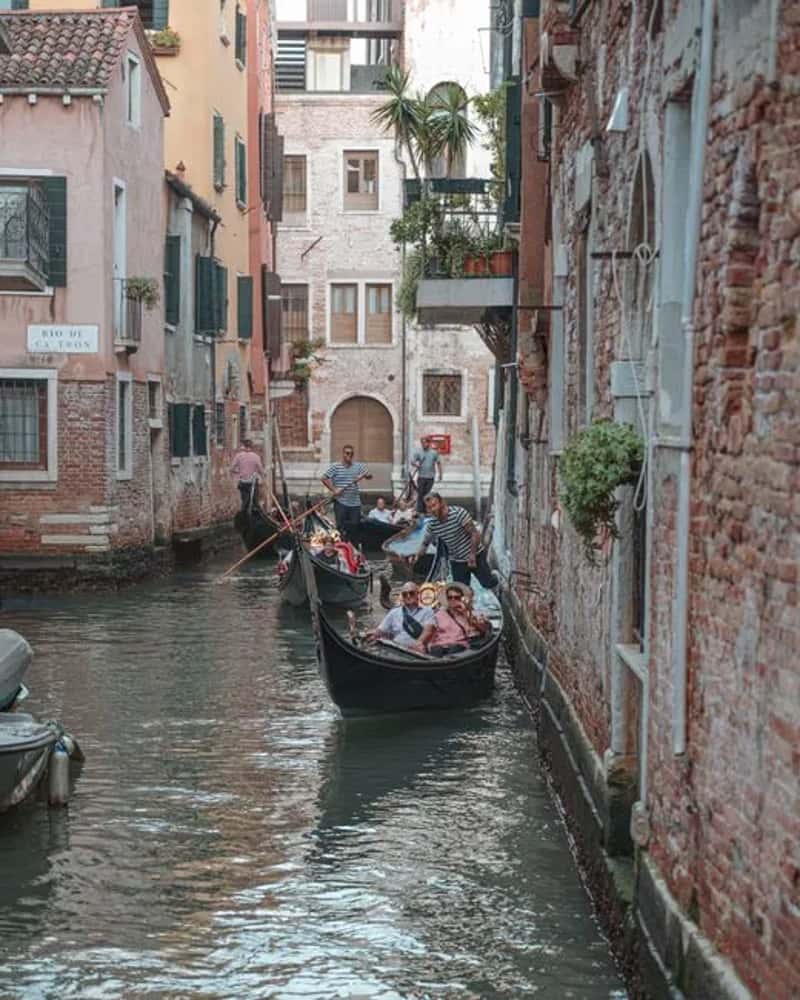
Venice has widened its controversial entry charge for 2026, and travelers who show up unprepared can get an unpleasant surprise at the checkpoints. The fee applies on 60 specific high traffic days from April 3 to July 26, 2026, typically Fridays through Sundays plus holiday periods.[1] In 2026, the fee is 5 euros per person if paid at least four days in advance, or 10 euros if paid closer to the visit.[2]
The bigger issue isn’t really the small fee itself, it’s the crowding that the fee was designed to address in the first place. Last year’s figures showed day visitor numbers dropped only slightly compared to the previous year, and peak dates still attracted nearly 25,000 tourists, equivalent to half the resident population.[3] Travel experts increasingly suggest visiting on an overnight basis in shoulder season rather than squeezing in a single sweaty midday stop during peak weekends.
2. Bangkok’s “the temple is closed” tuk-tuk detour
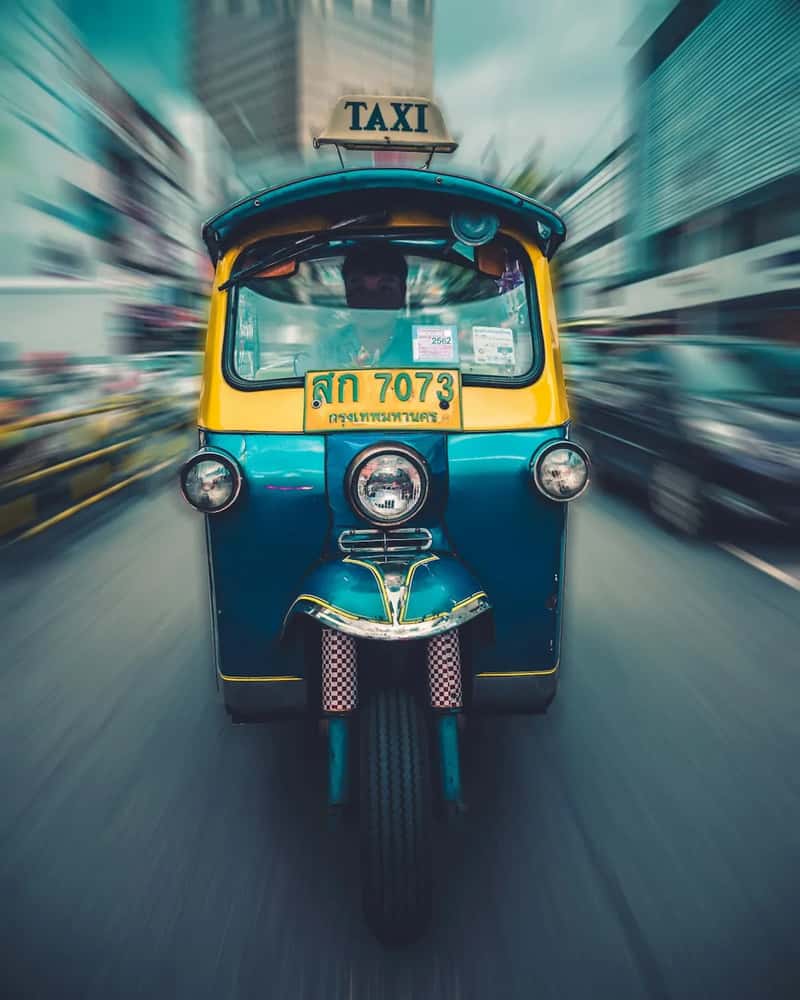
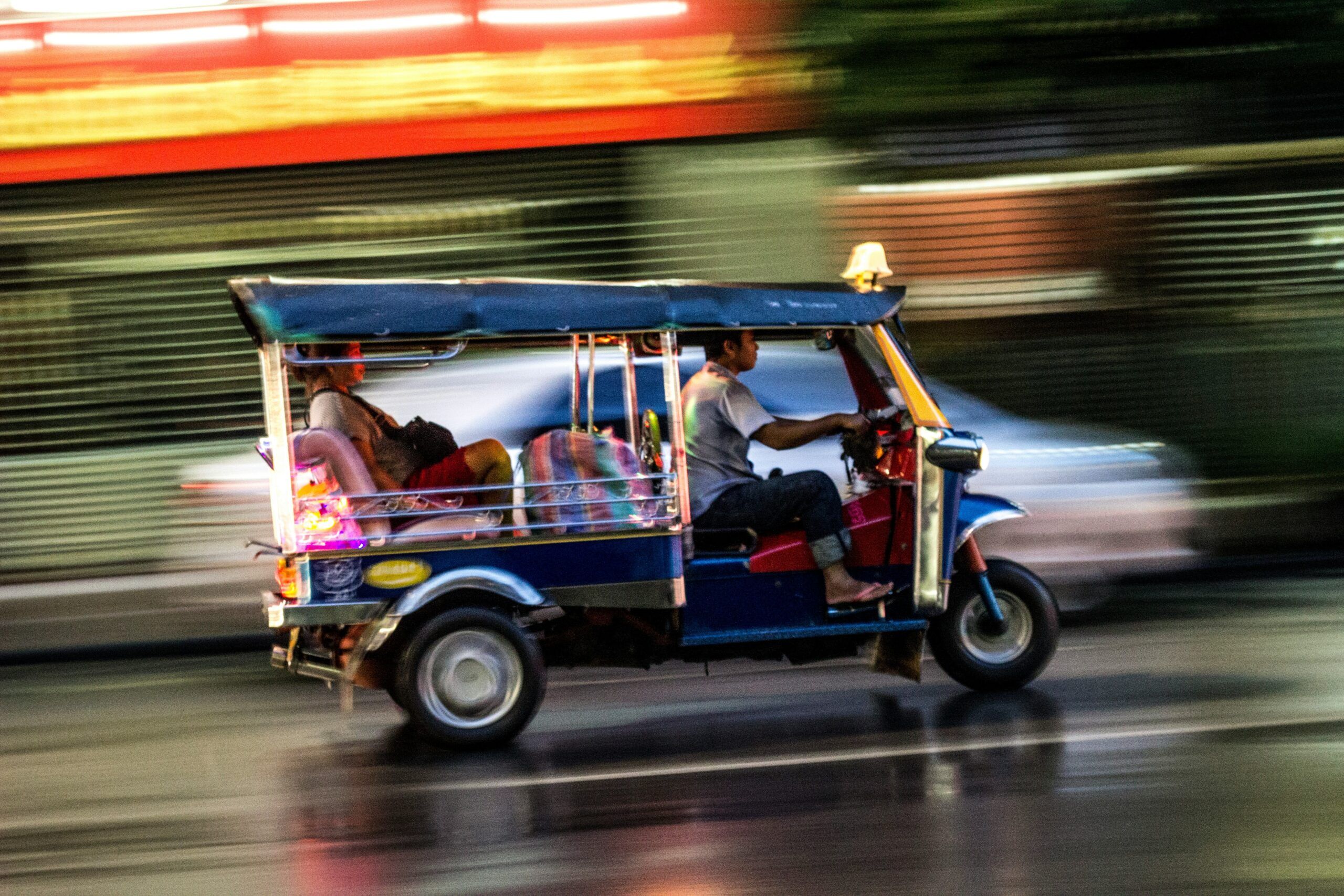
This one has been running for decades and still works because it sounds so plausible. A stranger approaches near a landmark like the Grand Palace and claims the site is closed, then offers an alternative destination along with a conveniently located tuk-tuk to get there.[4] The ride never actually goes where a traveler wants to go.
Instead, drivers loop through a chain of commission-paying stops. These drivers take you from place to place, each of which pays them a flat fee plus commission on anything you buy, typically including a tailor shop, a gem and jewelry store, and a restaurant, ranging from merely poor quality to outright fraudulent.[5] The fix is simple but firm: ignore anyone who says a major attraction is closed, and walk straight to the entrance to check for yourself.
3. The “free gift” jewelry showroom near cruise ports

Cruise passengers strolling through port towns like Cozumel or Nassau are frequent targets for a very specific pitch. Take a stroll down any shopping area during a port visit, and travelers will likely be offered a free bracelet or other little bauble, which is often how a jewelry outlet gets a cruise ship passenger into the showroom.[6] Once inside, the sales pressure ramps up fast.
The tactics rely heavily on urgency and vacation mood rather than outright fraud in most cases. Visitors are greeted with friendly banter and then bombarded with high-pressure tactics aimed at getting them to purchase jewelry, with the pitch carrying a sense of urgency and limited quantity claims.[6] Not every store is dishonest, but unplanned high-value jewelry purchases made in a rush rarely turn out to be the bargain they seemed like at the time.
4. Kickback taxi rides that “know a better place”
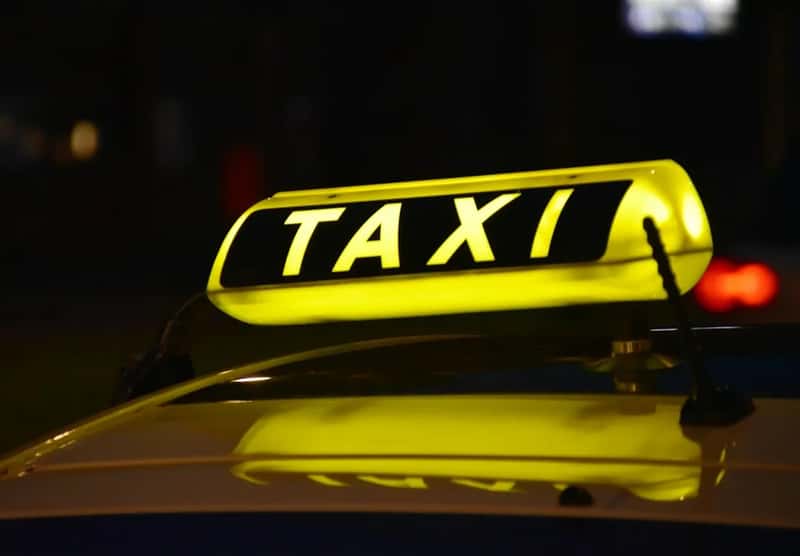
This trap shows up almost everywhere cruise ships or tour buses drop off travelers for a few hours. A driver offers to skip the requested destination in favor of somewhere “nicer” that they happen to know, whether that’s a beach club, a restaurant, or a shop. Some drivers push better beaches, shops, and restaurants because they get a kickback for bringing customers there, and others aren’t even licensed at all.[7]
The pattern repeats across continents with only the scenery changing. Travelers have reported drivers steering them toward shopping venues or restaurants where the driver clearly earned a commission, from Kuala Lumpur to Cairo, where a promised tour spent as much time in papyrus and jewelry stores as at the actual sights.[8] Agreeing on a fixed destination and fare before getting in the vehicle removes most of the leverage these detours depend on.
5. Airport currency exchange counters
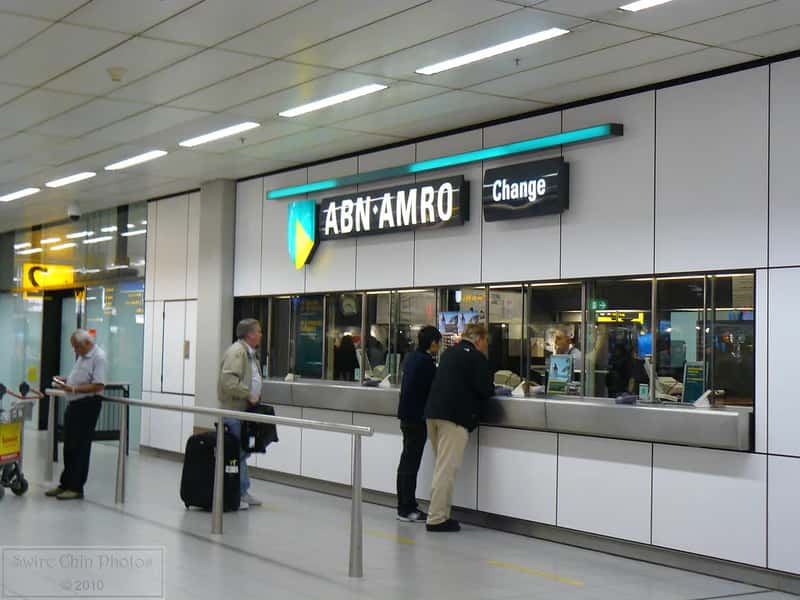
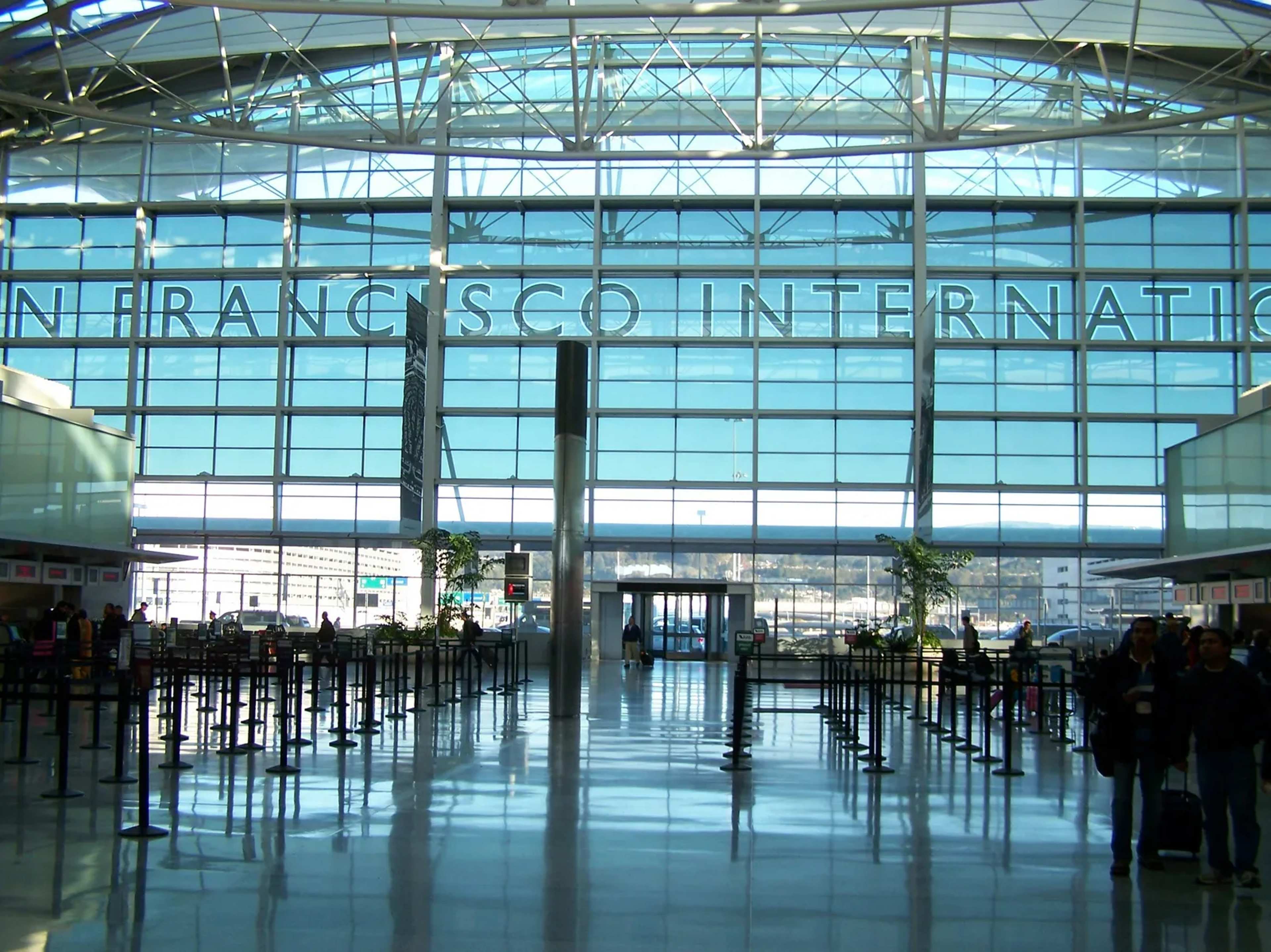
Arriving jet-lagged with an empty wallet makes the currency booth right past customs feel like a lifesaver. It rarely is one. These counters routinely offer some of the worst exchange rates a traveler will find anywhere in a destination, banking on the fact that most people exchanging money the moment they land are not in a position to comparison shop.
The smarter move, which most financial and travel advisors now recommend, is withdrawing local currency from an ATM tied to a no-foreign-fee bank account once inside the arrivals hall, or using a fee-free travel card. Airport kiosks still see steady business simply because convenience beats math for tired travelers, even though the gap between airport rates and standard bank rates can be substantial.
6. Unmetered gondola rides sold at the dock
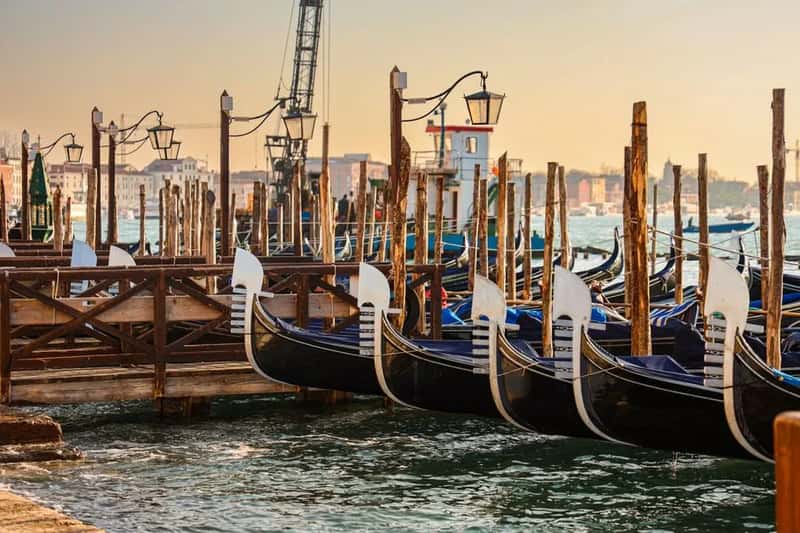
A gondola ride is one of the most photographed experiences in Venice, and also one of the easiest places to overpay without realizing it. Prices are technically regulated by the city, but travelers who don’t confirm the rate upfront, especially after dark when higher fees legitimately apply, can end up paying considerably more than they expected for a twenty five to thirty minute ride.
Timing matters just as much as price here. During peak summer heat and humidity, a gondola ride can feel less romantic and more like a sweaty, slow-moving traffic jam[9] squeezed between dozens of other boats on the same narrow canal. Booking earlier in the day, or visiting in shoulder season, tends to deliver a far calmer version of the same experience for a similar price.
7. All-inclusive resort “welcome meeting” timeshare pitches

Plenty of all-inclusive resorts, particularly across parts of Mexico and the Caribbean, still schedule a “welcome breakfast” or orientation session that turns into a lengthy timeshare or vacation club presentation. Guests are often offered a free excursion, spa credit, or meal voucher in exchange for attending, and the session can run well past the promised thirty minutes once the sales team gets involved.
These presentations aren’t illegal, and some travelers genuinely find value in vacation ownership programs. However, the hard-sell format, combined with a captive audience relaxed from a few days of sun and cocktails, is exactly the environment that makes people agree to contracts they’d never sign at home. Reading the fine print, and simply declining the “quick meeting” altogether, avoids the issue entirely.
8. Restaurants planted directly beside famous landmarks
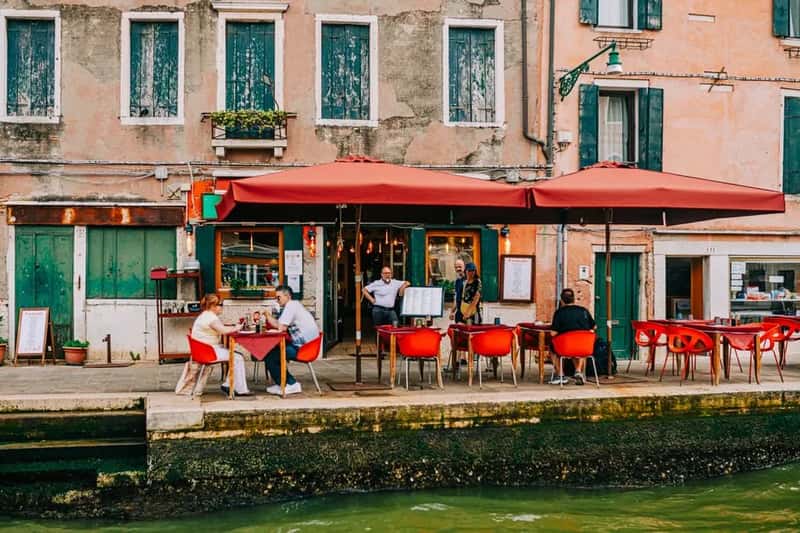
Nearly every heavily photographed monument in the world has a ring of restaurants within a two-minute walk that share the same basic playbook: laminated multilingual menus, a host waving customers in from the sidewalk, and prices noticeably higher than anywhere a few blocks further out. Restaurants and shops right next to famous landmarks often charge more and deliver less.[10]
The fix doesn’t require much effort. Just a short stroll into a nearby neighborhood can lead to better food, cheaper souvenirs, and a more authentic vibe[10] almost anywhere this pattern shows up, from Rome’s tourist-clogged streets near the Trevi Fountain to the blocks surrounding Barcelona’s Sagrada Familia. It’s one of the simplest tourist-trap rules that consistently pays off.
9. Street vendors selling “skip the line” tickets near major monuments
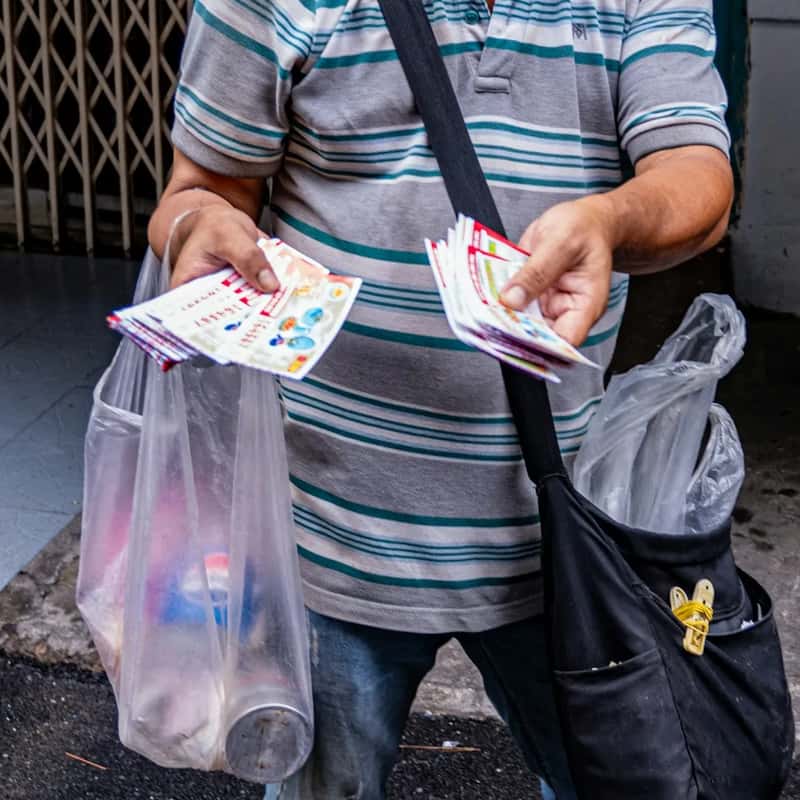
Around attractions like the Eiffel Tower, the Colosseum, or the Sagrada Familia, it’s common to be approached by someone offering a shortcut ticket that avoids the official queue. Sometimes these are legitimate resellers charging a markup for convenience. Other times the tickets are counterfeit, already used, or simply don’t work at the gate, leaving buyers out of pocket and still stuck waiting.
The safest approach is booking timed-entry tickets directly through the attraction’s official website or a clearly verified reseller well before the trip, since most major European landmarks now offer online reservation systems specifically to reduce this kind of confusion. Prices for official tickets are almost always lower than what street vendors quote anyway, which makes the “shortcut” rarely worth the risk.
10. Overcrowded Instagram-famous viewpoints with long, costly detours

Certain photo spots, from Bali’s cliffside lookouts to specific overlooks near popular hiking trails, have become so viral that the actual on-site experience barely resembles the photos that made them famous. Visitors often pay entrance fees, wait in long lines for a single shot, and then navigate aggressive parking or “guide” fees that weren’t mentioned anywhere online.
Locals and travel writers increasingly steer visitors toward quieter alternatives that offer a similar view without the crowd or the markup. In Bali specifically, experts point travelers toward quieter areas like the north coast or nearby islands like Lombok[9] as a way to get the scenery without the frustration that comes with the most oversaturated spots. It’s a reminder that a location’s popularity online doesn’t always translate into an enjoyable visit in person.
11. Bundled train and tour packages to Machu Picchu without flexibility
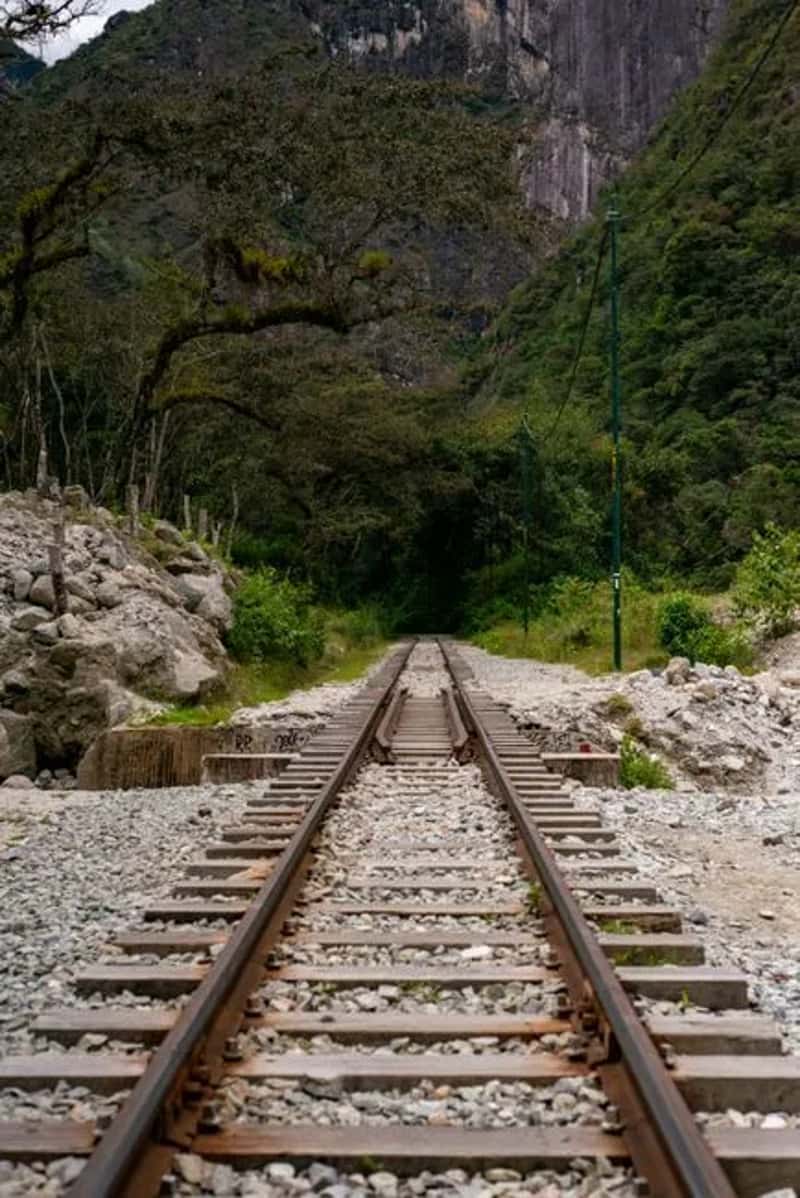
Machu Picchu’s logistics are genuinely complicated, and that complexity has created a market for bundled ticket, train, and guide packages sold well above the base cost of arranging each piece independently. Some of these packages are legitimate conveniences for travelers short on time. Others quietly pad in commissions or lock visitors into rigid schedules that leave no room for delays.
Rail service to the site is not always reliable either. It can feel rushed, and sometimes trains get delayed or cancelled, leaving travelers stuck[9] when they’ve booked a single tight window with no buffer. Booking entrance tickets directly through Peru’s official portal, and building at least one spare day into the itinerary, tends to avoid both the markup and the stress that comes with an overly bundled package.
None of these traps require canceling a trip or traveling in constant suspicion of every local interaction. Most of them share the same underlying pattern: pressure to decide quickly, a stranger steering an itinerary toward a commission-paying stop, or a fee structure that only becomes clear after money has changed hands. Slowing down for a moment, checking official sources before paying for anything unusual, and treating suspiciously generous offers with a bit of skepticism covers most of the situations on this list.
Travel in 2026 comes with more information available than ever before, from official government ticketing portals to real-time crowd data for popular sites. Using that information before arriving, rather than after getting caught in a detour, is usually what separates a smooth trip from a frustrating story told to friends back home.