

Citizenship is one of the most consequential legal statuses a person can hold, and the gap between the easiest and hardest countries to obtain it is surprisingly vast. Some nations have essentially built a welcome mat into their laws, offering passports through ancestry, modest investment, or a brief residency period. Others guard their citizenship with requirements so demanding that most foreign nationals will never realistically qualify, no matter how long they stay.
What makes the comparison genuinely interesting is how different the barriers are. It’s not always about money or politics – it can be about language, religion, the willingness to give up another passport, or even a local community vote. This breakdown covers both ends of the spectrum, using the rules as they stand in 2026.
Vanuatu: The World’s Fastest Citizenship by Investment

Vanuatu’s Citizenship by Investment Program requires a minimum contribution of $130,000 and has a processing time of one to three months, making it one of the fastest and most affordable citizenship programs in the world. The entire process can be completed remotely, which is a rare convenience in the world of second passports. The application process is fully remote, with no requirements for physical presence or language tests, and a Vanuatu passport provides visa-free access to 118 countries, including Hong Kong, Singapore, and several Latin American destinations.
In 2024, Vanuatu introduced a series of reforms to increase due diligence standards and rebuild international trust in the program, including biometric passports with improved security features and the creation of a national security unit to strengthen applicant screening procedures. Vanuatu remains a remote tax haven with no income tax, inheritance tax, or capital gains tax, and it holds the only citizenship by investment program in the entire Pacific region.
Antigua and Barbuda: Top-Ranked Caribbean Program in 2026
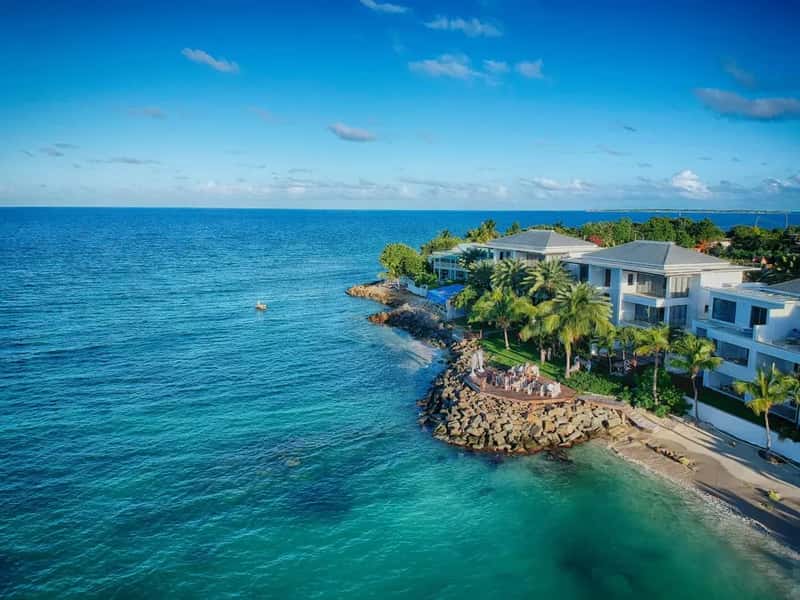
Due to its ease of procedure, Antigua and Barbuda ranks first as the world’s best citizenship investment program in the Global CBI Index 2026. Citizenship approval takes eight to ten months, and applicants are not required to relocate – the only physical presence requirement is five days within the first five years after citizenship is granted. The minimum investment starts at $230,000 through a contribution to the National Development Fund, qualifying investment is only made after receiving pre-approval to reduce risk, and there are no language or cultural knowledge tests required.
The Antigua and Barbuda CBI also offers the most expansive eligibility in the world, allowing applicants to include spouses, children, parents, grandparents, and siblings. The Antiguan passport is one of the most powerful in the Caribbean, giving access to more than 140 countries visa-free. For investors seeking both family inclusion and a strong travel document, it’s a hard program to beat.
Ireland: The Ancestry Route That Has Reached Millions
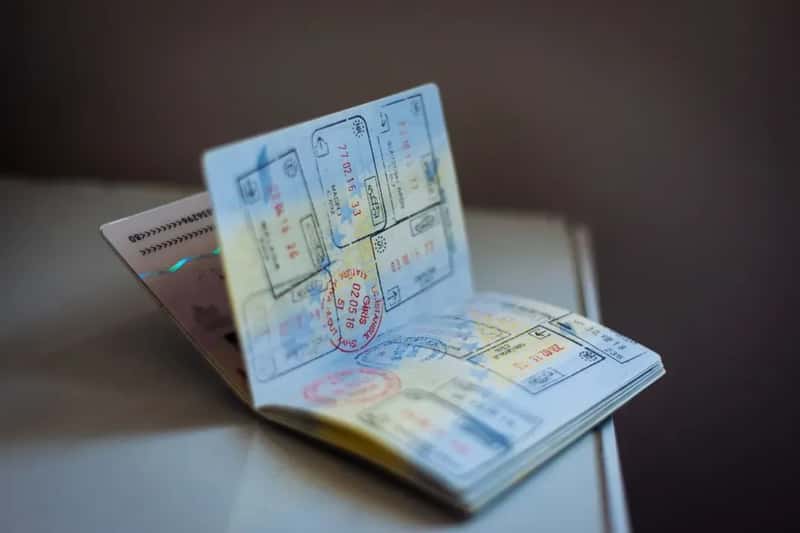
Ireland’s streamlined citizenship-by-descent program has helped almost 15 million people gain Irish passports despite the island’s population only being around six million. If you have one Irish grandparent, you may qualify for citizenship without ever relocating. Irish citizenship offers incredible freedom of travel worldwide – as of 2026, an Irish passport allows you to travel visa-free or obtain a visa upon arrival to 191 destinations.
Irish citizens are also citizens of the European Union, which allows them to live and work in EU and EEA member countries. If you’re married to or in a registered civil relationship with an Irish citizen – including same-sex marriage, which has been recognised since 2015 – you can also obtain citizenship after one year of reckonable residence, provided the relationship has lasted at least three years. Few countries offer such a wide range of entry points into citizenship.
Italy: A Famous Route Now Significantly Tightened

Italy’s citizenship by descent program was historically one of the most generous in the world, with no generational limits. That changed dramatically in 2025. Starting in March 2025, a new law restricts eligibility to those with parents or grandparents of Italian origin, excluding great-grandparents and earlier ancestors, and requires proof of an unbroken Italian lineage.
For many families abroad, especially in countries with large Italian diasporas such as Argentina, Brazil, the United States, Canada, and Australia, this marks the end of a long-standing assumption that Italian citizenship could be passed down indefinitely across generations – that assumption no longer applies in the same way. Under Law 74/2025, those with an Italian parent or grandparent who no longer qualify under jure sanguinis may access the concessory naturalization route after two years of residence, rather than the standard ten. It remains a viable route, just a narrower one than it was a year ago.
Argentina: The Fastest Naturalization on the Planet

Argentina offers the fastest path to citizenship by naturalization – just two years of legal residency, no language test, and dual citizenship is allowed. This sets it apart from nearly every other country in the world where naturalization typically takes five years or more. You can apply for citizenship after two years of living in Argentina, compared to at least five years required in Portugal.
The relatively low cost of living and the absence of language or cultural examinations make Argentina attractive for digital nomads, retirees, and remote workers who want a genuine second passport without a decade-long commitment. Argentina offers citizenship after just two years of legal residency, no language or cultural tests, and full dual citizenship is allowed, making it the fastest naturalization pathway in the world. The practical catch is that you do need to actually live there, not just hold residency on paper.
Qatar: 25 Years, Religion, and Still No Guarantee

Qatar ranks as one of the world’s most difficult countries for obtaining citizenship, requiring 25 consecutive years of legal residence before applying. Applicants must demonstrate legitimate income sources, maintain good conduct with no criminal convictions, and many sources indicate that conversion to Islam is expected. Additionally, renouncing previous nationality becomes mandatory upon approval. Foreigners seeking naturalization must reside in Qatar for at least 25 years, after which the government may still choose to deny approval.
Only a limited number of naturalizations occur each year. Only about 100 permanent residency permits are issued annually from Qatar’s Ministry of Interior. This is a country where even meeting every requirement does not secure an outcome. For most foreign nationals, Qatari citizenship remains functionally out of reach regardless of how long they reside there.
Liechtenstein: A Community Vote Decides Your Fate

Liechtenstein requires one of the longest residency periods – 30 years – before an applicant is eligible for citizenship. Marriage to a Liechtenstein citizen may shorten the process to about five years, but approval also depends on acceptance by the local community, which may vote on each application. Most foreigners can apply after 30 years of residency, with time spent in the country before the age of 20 counting as double. Alternatively, foreigners can avoid the 30-year rule if their residential community votes to accept them as Liechtenstein citizens – though the popular vote route is rarely successful.
This unique barrier involves municipal referendums where existing citizens vote on each naturalization application individually. This democratic process resulted in only 189 naturalizations in 2023 from a population of 39,584 residents. In any case, final approval requires the Liechtenstein Parliament’s consent and the Prince’s granting of citizenship. Applicants must also be fluent in German and renounce prior nationalities.
Vatican City: Citizenship by Appointment Only

Vatican City is the smallest sovereign state in the world. The population is made up of about 800 residents, 450 of whom are also citizens. According to the U.S. Library of Congress, there are four ways to become a citizen of Vatican City – and they’re all strict. The first three methods are to be either a Catholic Cardinal living in Rome or Vatican City, a diplomat of the Holy See, or a person whose profession requires them to live in Vatican City.
Citizenship is often temporary and typically ends when the individual no longer holds their qualifying role, unless special permission is granted. There is no public naturalization process. No natural path exists for ordinary foreigners seeking Vatican citizenship, making it nearly impossible for civilians. Citizenship becomes automatic only through employment by the Church or diplomatic appointment. It is less a citizenship system than a job benefit.
Japan: A Tougher Standard as of April 2026

On March 27, 2026, Japan’s Justice Ministry announced the most significant overhaul of naturalization rules in decades. From April 1, 2026, the minimum residency requirement for Japanese citizenship doubled from five consecutive years to ten, and the period over which tax and social insurance records are examined extended significantly. The changes are intended to address concerns that obtaining Japanese nationality had been easier than securing permanent residency, according to the Justice Ministry.
Japanese naturalization offers a Japanese passport, voting rights, and the ability to call Japan home permanently – but it also requires renouncing your original citizenship. Japan’s new 10-year standard places it among the strictest naturalization timelines in the developed world. The United States requires 5 years of permanent residency before citizenship eligibility. Germany recently reduced its requirement from 8 to 5 years. France requires 5 years. Ireland requires 5 out of 9 years. Japan’s 10-year requirement now exceeds all of these, compounded by the country’s no dual-citizenship rule.
Bhutan: The Kingdom That Can Revoke What It Grants

Foreign nationals must reside in Bhutan for 20 years before applying for citizenship, though this drops to 10 years for government employees. Applicants must demonstrate good conduct, pass tests in the Dzongkha language as well as Bhutanese culture and history, and provide references from Bhutanese citizens. Dual citizenship is not allowed, and authorities hold the final discretion on approval.
Applicants need proof of good behavior during their time in the country, including no record of saying anything against the Bhutanese king. The authorities of Bhutan can reject a citizenship application without giving a reason, and once citizenship is granted, it can be revoked at any time in the future if the holder speaks out negatively about the king or country. There are few places in the world where citizenship comes with ongoing conditions attached to free speech – and where those conditions can be enforced retroactively.
How the Pathways Compare: Investment vs. Time vs. Ancestry

When looking at the fastest and easiest countries to get citizenship, the main paths are: citizenship by birthright, citizenship by descent, citizenship by marriage, citizenship by naturalization, and citizenship by investment. Each carries very different timelines, costs, and requirements. Investment routes are often the most controllable – unlike naturalization, investment routes typically don’t require any deeper cultural or language knowledge or extensive physical stay requirements.
Birthplace citizenship, also known as jus soli, grants citizenship to any person born in the country regardless of their parents’ citizenship status. About 30 countries globally, mainly in the Americas, grant automatic citizenship to persons born within their territories. It is important to note that residency, immigration, and citizenship are three separate conditions, and some countries have easy residency or immigration requirements but much more stringent citizenship requirements. The gap between being allowed to live somewhere and being allowed to belong there permanently can be enormous – and it’s a distinction worth understanding before making any long-term plans.