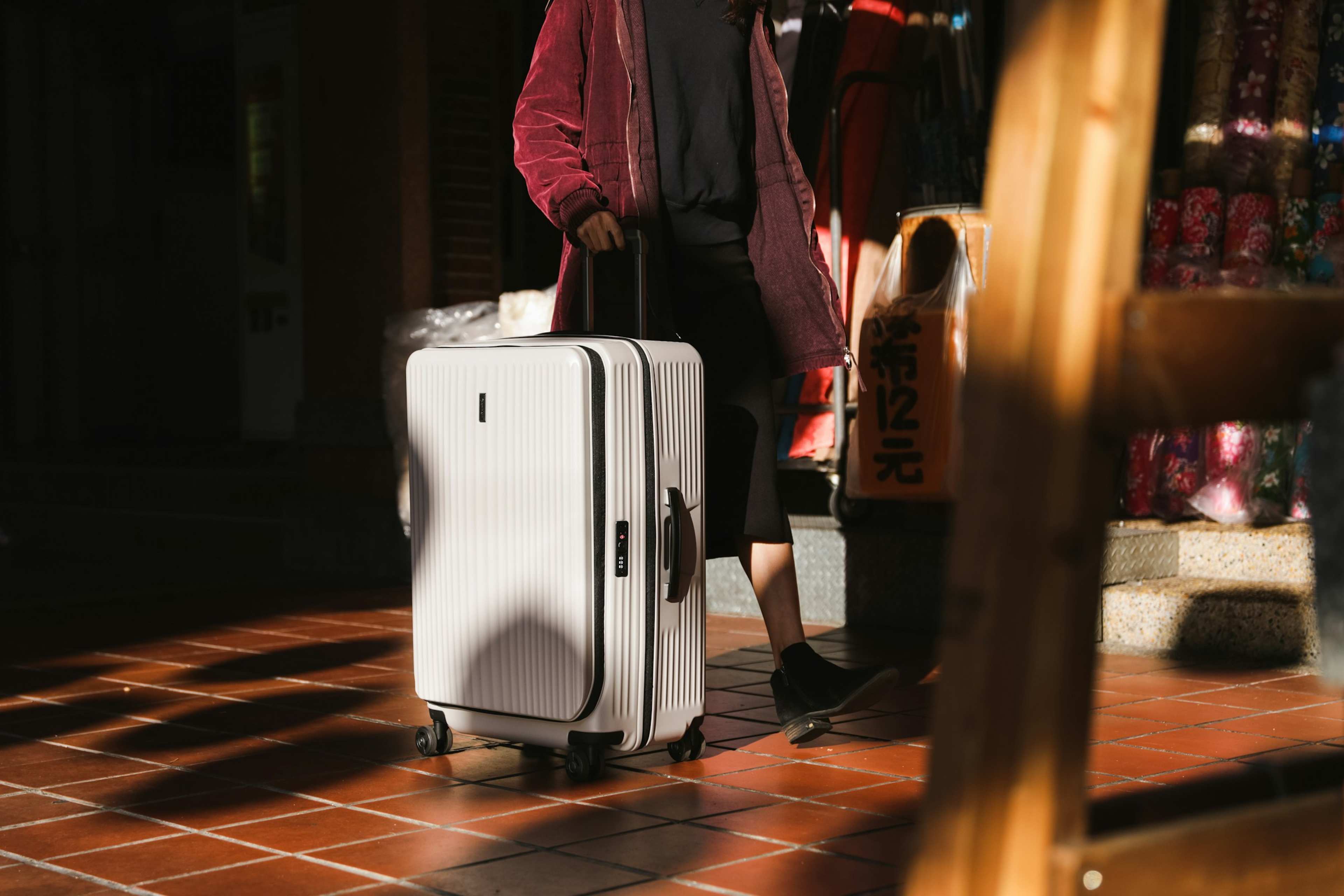
There’s a growing tension simmering in neighborhoods across America. Listen closely, and you might hear it. The sound of rolling suitcases at midnight. The hum of strangers coming and going from the house next door. The party that won’t stop, the trash left on the curb three days early, the parking spot you’ve used for a decade, suddenly blocked by an out-of-state plate.
Neighbors are getting fed up. After years of gritting their teeth through the short-term rental boom, residents are pushing back with a force that’s starting to reshape cities worldwide. From quiet suburban streets to bustling urban centers, the pushback against Airbnb and similar platforms has reached a tipping point. What started as a revolutionary way to travel is now facing its biggest existential threat yet, and it’s not coming from hotels or lawmakers. It’s coming from the people living right next door.
When the Neighborhood Becomes a Hotel
The promise of Airbnb was simple and attractive. Homeowners could make extra cash. Travelers could find affordable, unique lodging. Everyone wins, right? The reality has been far messier.
Long-term residents value the stability and familiarity of their neighborhood, but the transient nature of short-term rentals introduces an element of unpredictability that disrupts this sense of community. Imagine living on a block where you knew every neighbor by name. Now picture that same street with rotating strangers every weekend. That sense of belonging dissolves fast.
Neighbors who didn’t sign on to host Airbnb guests may feel wronged when faced with excessive noise or uncontrollable guests. It’s hard to blame them. You purchase a home expecting a certain quality of life, only to discover your neighbor has turned their property into what feels like a mini-hotel operation.
Noise, Parking, and Parties That Never End

Noise is one of the most frequent and challenging complaints related to short-term rentals, as short-term Airbnb guests are often on vacation and may not be as mindful of their noise levels. Let’s be real – people on vacation behave differently than permanent residents. They’re there to unwind, celebrate, maybe blow off steam. The neighbors are trying to sleep for work the next morning? Not so much their concern.
Parking is the fastest route to a disagreement between neighbors and Airbnb guests, as no neighbor will be happy to see their driveway blocked by a stranger’s car or have a stranger take up a parking space they rely on. In dense urban areas or neighborhoods with limited street parking, this becomes a flashpoint. One blocked driveway can spark a feud that lasts years.
The town of Orange, Connecticut, banned short-term Airbnb rentals under 30 days in residential areas after complaints about wild parties and safety concerns from neighbors. These weren’t isolated incidents. They became patterns, regular disruptions that eroded trust and pushed local officials to act.
The Housing Crisis Gets Personal
Here’s where it gets complicated. By reducing the supply of housing available for long-term residents and driving up rental prices, Airbnb has contributed to the growing unaffordability of housing in many urban centers. When landlords discover they can make significantly more renting to tourists than to locals, the math becomes brutally simple.
The increase in short-term rentals directly impacts rents in surrounding neighborhoods by pushing them higher, and affects affordability across the region as supply is removed from the long-term rental or purchase market. This isn’t just about inconvenience anymore. People are being priced out of neighborhoods they’ve lived in for decades. Families searching for affordable housing find fewer options because units have been converted into profitable vacation rentals.
Research backs this up. A study found that a 10% increase in Airbnb listings leads to a 0.42% increase in rents and a 0.76% increase in house prices. Those numbers might sound small, but in already expensive markets, they represent thousands of dollars and dreams deferred.
Cities Start Swinging the Hammer
Municipal governments have finally started listening to angry constituents. When Local Law 18 took effect in September 2023 in New York City, the impact was immediate, with short-term rental listings dropping by over 90%. The law essentially gutted the Airbnb market in one of the world’s biggest tourism destinations.
Other cities followed suit with varying degrees of severity. Orange’s Town Plan and Zoning Commission approved a new zoning law that prohibits rentals of less than 30 days in residential zones, effective December 9. The Dallas City Council voted to ban short-term rentals in most single-family neighborhoods in 2023, allowing them only in commercial and mixed-use zones.
Barcelona announced plans to ban all short-term rentals by November 2028, aiming to return 10,000 apartments to the long-term rental market. That’s not regulation. That’s obliteration. Cities are drawing battle lines, and short-term rental operators are finding themselves on the wrong side.
Neighbor Versus Host: The New Cold War
The dynamics between Airbnb hosts and neighbors have become downright hostile in some areas. Some neighbors voice their concerns directly to Airbnb guests in driveways or on walks, even going as far as telling guests to take the trash up or not park in the street. Tensions escalate quickly.
Residents report having to call police several times about noise levels and the number of cars blocking driveways, and going through their HOA, which has been fining the owners every time there’s a complaint. This is the new normal in many neighborhoods. A perpetual state of low-level warfare where everyone loses.
What’s striking is the emotional toll. Vacation rental property managers experience anxiety about upset neighbors calling in the middle of the night, and the ongoing stress can contribute to burnout, impact day-to-day performance, and lead to a lack of fulfillment in work. Even hosts who try to do things right find themselves caught in an impossible situation.
Legal Action: When Complaints Escalate

Some neighbors aren’t settling for phone calls and HOA meetings. Although lawsuits are costly, risky, and time-consuming, neighbors taking legal action is considered a last resort, though breaking laws such as noise and disturbance regulations allows neighbors to seek damages or hefty fines in small claims court.
In Hendersonville, Tennessee, the city filed a lawsuit against J&J Ventures LLC seeking preliminary and permanent injunctions as well as damages, after two homes were the subject of numerous complaints from residents and neighbors. Cities themselves are becoming litigants, using legal power to shut down problematic operations.
The threat of legal action hangs over every host. A neighbor complaint lodged with a city’s short-term-rental licensing department may result in hefty fines for the property owner, and repeat complaints may lead to revocation of the property’s short-term-rental permit altogether. The financial stakes are enormous.
Corporate Greed and the Erosion of Community

Part of the backlash stems from how the industry evolved. What was once a platform for homeowners to make extra money by renting out a room has become a multi-billion-dollar industry, with big corporate groups and investors buying up properties. The mom-and-pop model has given way to professional operators managing dozens of units.
Investors and corporate hosts often purchase multiple properties specifically for listing on short-term rental platforms, leading to the commercialization of the Airbnb market with entire apartment buildings or complexes being converted. This isn’t home sharing anymore. It’s hotel operations disguised as neighborly hospitality.
Neighbors see through the facade. They’re not opposing someone renting out a spare bedroom to help with the mortgage. They’re opposing faceless LLCs converting residential buildings into de facto hotels without the oversight or community investment that actual hotels provide.
The Enforcement Challenge

Even where regulations exist, enforcement remains patchy. Kansas City, Missouri, has the most comprehensive short-term rental regulations in the region, yet in September, there were 565 registered STRs while 658 Airbnbs were listed for rent in Kansas City. Nearly a hundred illegal operations, hiding in plain sight.
Many illegal short-term rentals continue to operate despite restrictions, with cities struggling to keep up with complaints and penalties, while some property owners have fought back in court, arguing regulations violate their property rights. The legal landscape is messy and evolving. Enforcement officers are overwhelmed. Platforms sometimes resist cooperation.
Cities are getting creative. Some hire fintech firms to track listings. Others impose massive fines to deter violations. The cat-and-mouse game continues.
Does Restricting Airbnb Actually Help?
The million-dollar question remains: do these crackdowns work? After New York’s regulations, the city’s housing market became the worst in decades, hotel prices reached all-time highs, some short-term rental activity moved underground to unregulated sites, and rents actually increased by 2.3 percent year-on-year. The results were… mixed at best.
Critics argue the regulations don’t address the root problem of insufficient housing supply. Airbnb itself commissioned studies showing short-term rentals have minimal impact. But honestly? That feels like asking the fox to investigate the missing chickens. Booking platforms are increasingly faulted for limiting housing options for local residents and driving up rents, as short-term bookings reduce the supply of long-term rentals and are frequently blamed for exacerbating housing shortages.
Some cities have seen positive results. When regulations force units back to the long-term market, housing availability does increase. The impact varies wildly depending on local market conditions, enforcement rigor, and how many units were operating as short-term rentals to begin with.
The Future: Coexistence or Total War?
In about 80% of Airbnb markets, regulations impact short-term rentals, and cities continue to impose new regulations, effectively putting Airbnb hosts out of business in some areas, with legal attempts to fight restrictions largely unsuccessful. The trend is clear. The golden age of unregulated short-term rentals is over.
What comes next? Probably a patchwork of compromises. Some cities will find balance through thoughtful regulation that allows limited short-term rentals while protecting neighborhood character. Others will opt for near-total bans. The free-for-all era is ending, that much is certain.
Smart hosts are adapting. They’re communicating with neighbors, installing noise monitors, and screening guests more carefully. Getting to know neighbors, communicating with them, showing that you care about their comfort, asking about boundaries, and letting them know they can contact you with concerns helps maintain positive relationships. It’s not rocket science, just basic decency that got lost somewhere along the way.
The Real Cost of Disruption
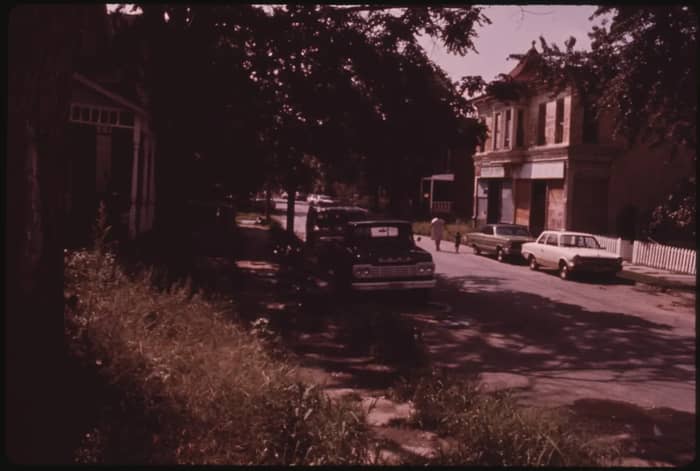
Beyond regulations and lawsuits lies something harder to quantify. One significant complaint from neighbors is the perceived disruption of the community atmosphere, as long-term residents value stability and familiarity, while the transient nature of short-term rentals introduces unpredictability that disrupts this sense of community.
Communities are built slowly, through years of shared experiences, block parties, kids growing up together, neighbors who check on each other during storms. Short-term rentals can erode that social fabric. When roughly one in five homes on a block operates as a vacation rental, what you have isn’t a neighborhood anymore. It’s a hospitality district that happens to have some residents trapped inside it.
The economic arguments rage on both sides. Yes, hosts earn income. Yes, tourists spend money locally. But those benefits come with costs that aren’t evenly distributed. The neighbor who can’t sleep, who fears their property value is tanking, who no longer feels safe letting their kids play in the street because strangers are constantly coming and going – they’re bearing costs they never agreed to shoulder.
What Happens Next
The backlash against Airbnb isn’t going away. If anything, it’s intensifying. More cities will pass regulations. More neighbors will organize. More lawsuits will be filed. The platform that disrupted the hotel industry is itself being disrupted by the very communities it claimed to empower.
For those wondering if this marks the actual end of Airbnb, probably not. The company is huge, adaptable, and has deep pockets for lobbying. But the era of rapid, unchecked growth is finished. The wild west days are over. What emerges will be something more constrained, more regulated, and hopefully more respectful of the people who actually live in these neighborhoods full-time.
The fight between neighbors and short-term rentals is really a fight about competing visions of community. Can we have both? Can neighborhoods accommodate some transience while maintaining their character and affordability? Those questions don’t have easy answers. What’s certain is that neighbors are done being silent. They’re fighting back, and this time, they’re winning. Did you think it would come to this? What’s happening in your neighborhood? The conversation is far from over.