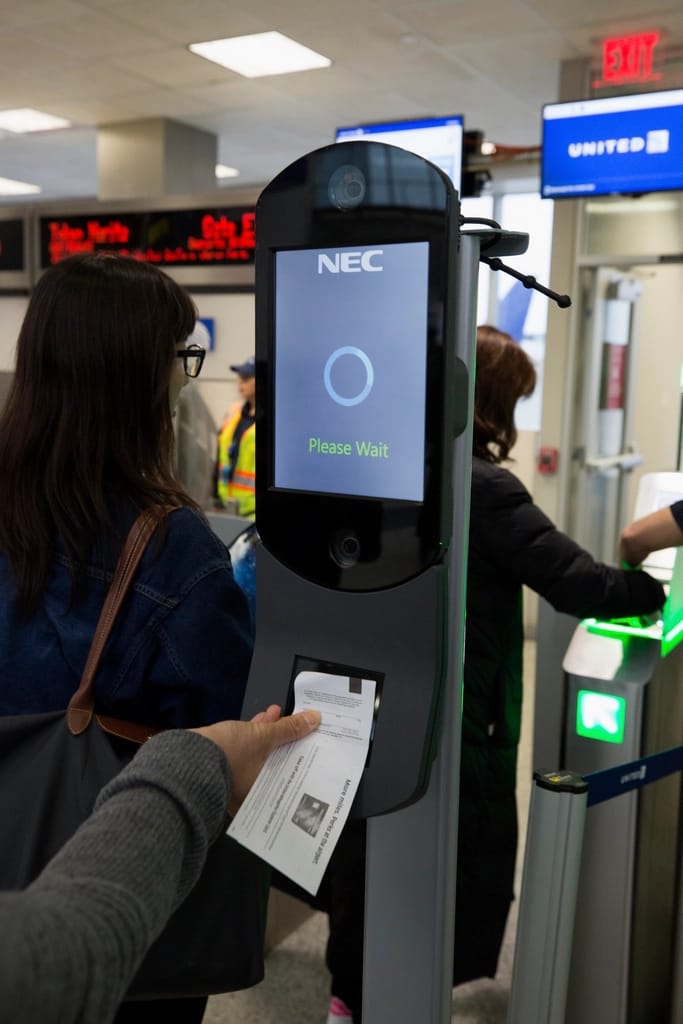
Anyone who has crossed into Europe in past years remembers the drill: hand over your passport, wait for the thunk of a stamp, and walk through. That routine is quietly disappearing in 2026. The European Union has replaced manual passport stamping with a digital, biometric system, and American travelers are squarely in scope. If you’re planning a trip to France, Italy, Spain, or any of the other Schengen countries this year, there’s a new step at the border that didn’t exist before, and it’s worth understanding before you land.
This isn’t a visa, and it isn’t a fee-based hurdle like some travelers initially feared. Still, it changes how border checks work, how long they might take, and what happens to your travel data once you’re through. Here’s what’s actually different, when it kicked in, and what else is still coming down the pipeline.
What’s Actually Changing This Year
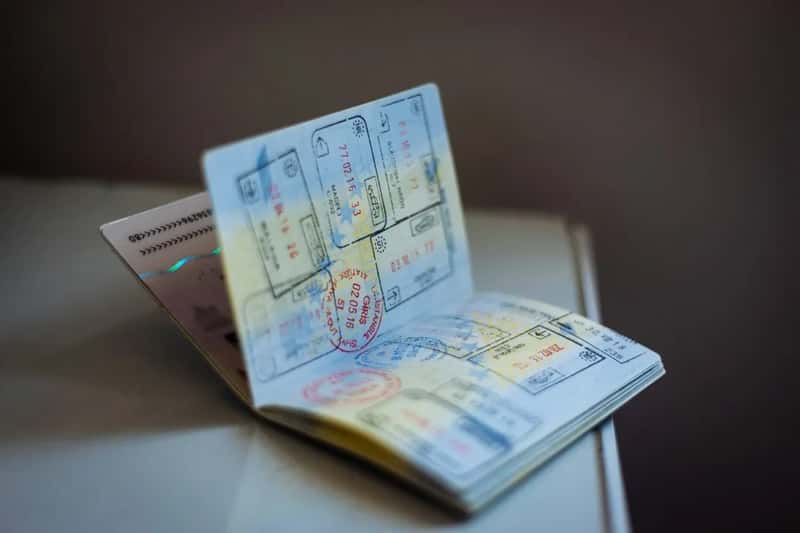
The core change is called the Entry/Exit System, or EES for short. Starting October 12, 2025, the European Union began implementing the Entry/Exit System, a digital border management system that replaces manual passport stamping with biometric data collection.[1] That rollout wasn’t instant everywhere at once. Instead, it phased in gradually across the Schengen Area’s external borders.
By this spring, the transition was essentially complete. EES officially became fully operational on April 10, 2026, meaning the system is now live across participating European countries, although implementation at individual borders may still vary.[2] In practical terms, that means most Americans crossing into Europe by air, land, or sea are now going through this new process rather than the old stamp-based one.
The Rollout Timeline You Need to Know

The EU didn’t flip a switch overnight; it eased countries and airports in one at a time. EES operations started gradually, and in the first few months, not all border points collected data right away, with countries slowly introducing biometric registration at airports, land borders, and seaports.[3] For example, Spain began testing on October 12 with passengers arriving at Madrid–Barajas–Adolfo Suárez Airport, adding land and sea borders later in the rollout.[3]
Other countries took a similarly staged approach. Germany started at select locations like Düsseldorf Airport before expanding to more sites, and by April 2026, all external border points in participating countries were expected to be fully operational.[3] The upshot is that if you traveled to Europe in late 2025, you might have caught an early version of this system at one airport but not another. That inconsistency is now gone.
How the Biometric Check Actually Works
The mechanics are fairly straightforward, even if they add a new step to arrival. Your fingerprints, facial image, passport details, and entry and exit dates will be collected upon entry to an EES country and stored digitally.[4] This typically happens either at a self-service kiosk before you reach a border officer, or directly at the booth, depending on the airport.
The good news is that this registration isn’t required on every single trip. The digital record remains valid for three years, though travelers must use the same passport that was used to create the record.[5] If your passport is renewed or replaced during that window, expect an update at the border rather than a full fresh enrollment, though it can still add a few minutes to the process.
Say Goodbye to the Passport Stamp
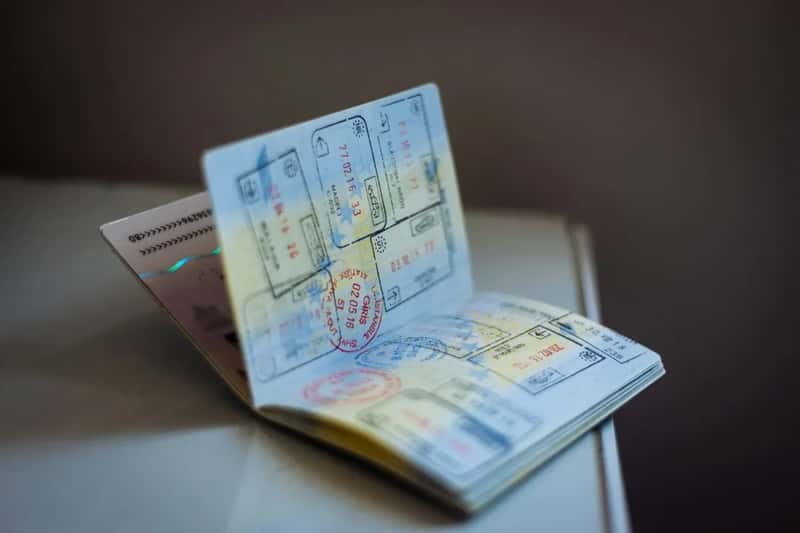
For decades, the ink stamp was proof you’d entered or left the Schengen zone, and travelers relied on it to track their own 90-day allowance. That physical record is being phased out entirely. Manual passport stamps will be phased out[1] as the new digital ledger takes over the job of tracking arrivals and departures.
This shift matters more than it might seem. Without a stamp, travelers can no longer eyeball their passport to check how many days they’ve spent in the zone. Instead, that record lives in the EU’s database, tied to your passport number rather than a page in your travel document. It’s a small mental adjustment, but one that frequent visitors to Europe will need to get used to.
Who Has to Go Through EES

This isn’t limited to a narrow group of travelers. The system applies to non-EU travelers entering Schengen Area countries for short stays, including visa-exempt travelers such as U.S. citizens and short-stay visa holders.[6] In other words, if you’re an American tourist heading to Europe for a vacation shorter than the standard 90-day limit, you’re in scope.
ETIAS: The Second Rule Still on the Horizon

EES isn’t the only change Americans need to track. A separate authorization called ETIAS, the European Travel Information and Authorization System, is meant to layer on top of it. ETIAS is a pre-travel authorization that visa-exempt visitors, including U.S. citizens, will need before boarding a flight to Europe for short stays.[7] Think of it as roughly comparable to the U.S. ESTA program that foreign visitors already use before flying to America.
The timing here has been genuinely messy. Officials have repeatedly pointed to late 2026, but even that has grown shakier. In mid-July 2026, the EU quietly removed the “last quarter of 2026” launch target from the official ETIAS website, with reporting citing eu-LISA as having internally concluded a 2026 launch is no longer feasible.[8] For now, there’s nothing to apply for. You cannot currently apply for an ETIAS.[2]
What This Means for Your Airport Experience
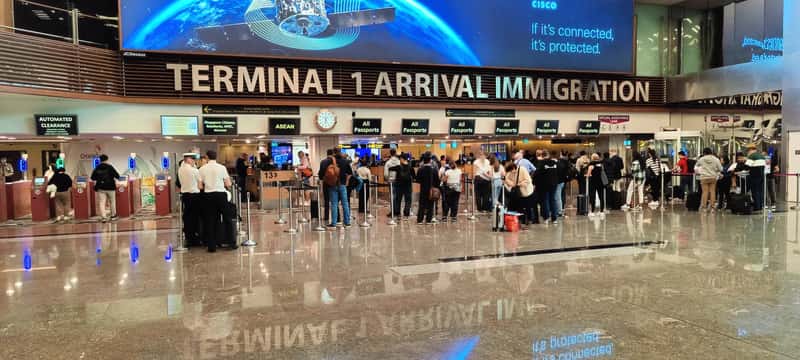
The practical effect of EES shows up most clearly in how long border lines take. Because officers are now capturing fingerprints and facial images rather than just flipping through passport pages, initial encounters at the border tend to run a bit longer, especially for travelers being registered into the system for the first time. Airports haven’t stood still on this either.
Many hubs have physically reshaped their arrival areas to handle the new equipment. To accommodate biometric screening, many European airports are redesigning immigration areas.[9] Even travelers who aren’t subject to the system directly can feel the ripple effects, since shared arrival halls and staffing get stretched during peak travel windows.
Tips for U.S. Travelers Heading to Europe This Year

The single most useful adjustment is timing. Build in more cushion at the airport than you used to, particularly if you’re connecting through a major transatlantic hub during busy season. Missing a connection because border control took longer than expected is a painful way to disrupt a trip.[5] It’s a small planning tweak, but it can save a lot of stress.
Beyond that, there isn’t much prep work required. There’s no fee and no advance registration for EES itself. You do not need to pay a fee to enter the Schengen Area or the EU, and the new system will be introduced gradually, with no advanced action required.[4] Just keep your passport current, since a mismatch between your document and your stored biometric record can create friction at the border.