Something strange is happening to some of the world’s most iconic cities. Streets that once buzzed with foreign accents and camera clicks are growing quieter. Hotels that used to fill months in advance are adjusting their forecasts downward. The reasons vary from place to place, but the pattern is hard to miss. Overtourism describes the tipping point at which visitors and their cash stop benefiting residents and instead cause harm by degrading historic sites, overwhelming infrastructure, and making life markedly more difficult for those who live there. Now, the pendulum is swinging in the other direction for several of these destinations, and the consequences are just as complicated.
1. Venice, Italy: A City Sinking Under Its Own Fame
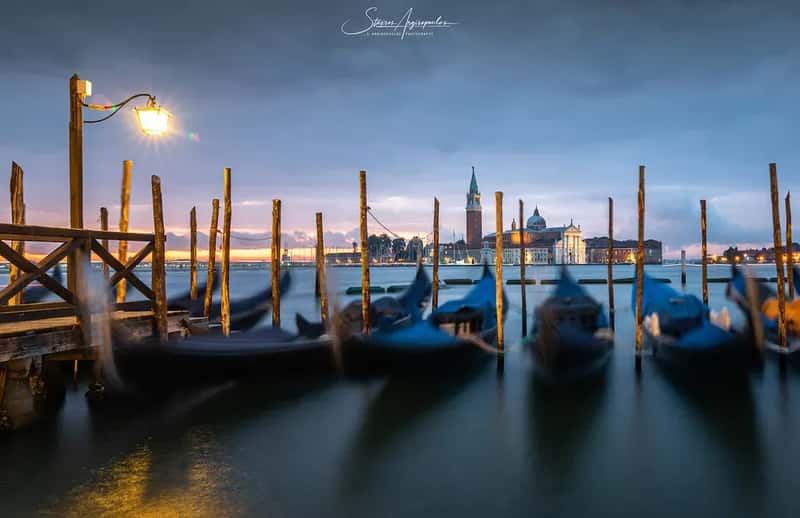
Venice’s population has dropped from about 175,000 in the 1970s to below 50,000, while the number of tourists passing through the city has continued to increase. That demographic collapse tells you everything about what mass tourism has done to this ancient city. Last September 2024, the number of tourist lodging beds actually surpassed the resident population for the first time – a startling statistic that reveals how thoroughly tourism has transformed the city into something unrecognizable to its own people.
In April 2024, Venice made headlines as the first city in the world to impose a €5 entry fee for day visitors. As Italy’s most visited destination, inbound arrivals reached 4.9 million in 2023, dwarfing the resident population of 49,000. The fee experiment showed modest early results: the daily average number of paying day visitors was only slightly lower than in 2024 – about 13,046 in 2025 compared with 16,676 the previous year, and the city council acknowledged that the small drop mirrors a region-wide decline rather than a substantial effect of the fee. Most troubling is how Venice risks losing its UNESCO World Heritage designation, as UNESCO has warned the city faces losing its crucial cultural designation if the historic center’s permanent population falls below 40,000.
2. Barcelona, Spain: Water Pistols and Shrinking Visitor Totals
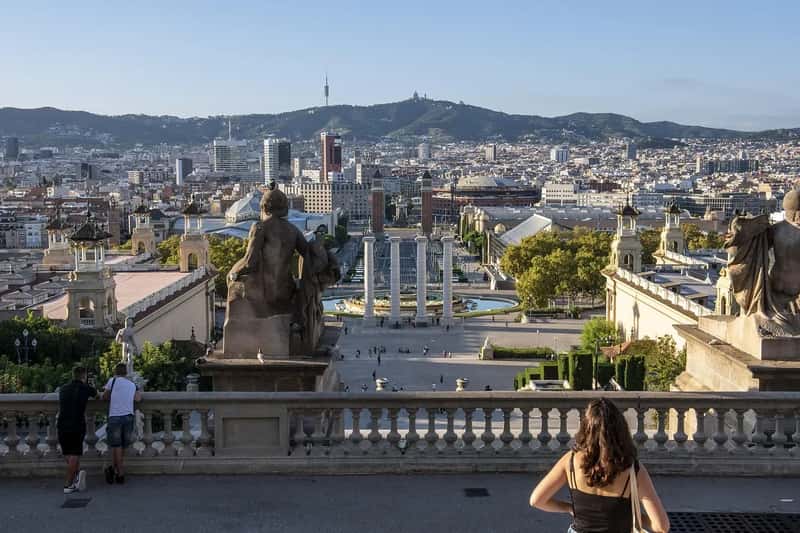
It is unclear whether last year’s protests had a direct impact, but 15.5 million tourists stayed overnight in Barcelona in 2024 – 100,000 less than in 2023, official figures show. In the summer of 2024, after years of enduring the pressures of overtourism, locals in Barcelona ramped up their protests, with thousands gathering to chant “tourists go home.” The city’s frustration has been building for years. Barcelona received more than 12 million overnight visitors last year in a city of just 1.6 million residents, and adding cruise ship passengers and day-trippers, the number swells towards 30 million – nearly twenty times the resident population.
Average rents in Barcelona have climbed by 68 per cent over the past decade, with one-bedroom flats in central districts now commanding €1,200 per month – far beyond the reach of many young locals, whose average monthly salary hovers just above €1,700. The city’s authorities are now deliberately trying to shrink visitor volumes. The number of nights foreign tourists spent in Catalonia fell 5.7 per cent in September 2025, and the Catalan and Barcelona governments describe these results as consistent with their new tourism strategy, which seeks to attract “quality tourists” who stay longer, explore beyond the city centre, and spend more – and officials view the declining numbers as progress toward a more sustainable model.
3. Las Vegas, USA: The Entertainment Capital Loses Its Shine

Las Vegas just finished a dismal year for tourism in 2025, with the number of visitors to the city declining by 7.5% year-over-year – a large annual drop for Vegas, which usually experiences only modest annual changes. The numbers behind that headline are sobering. The 38.5 million visitors to Las Vegas in 2025 made it the lowest annual total since 2010, excluding the COVID-impacted years, and hotel occupancy rates fell by more than 300 basis points to 80.3%, with the sharpest declines coming in the second half of the year.
Las Vegas showed the steepest June decline of the group tracked by analysts, with international air traffic down about 9.8% compared with June 2024. This sits on top of growing concern from local officials about softening demand from Canada and Mexico, traditionally two of the city’s most important feeder markets, with Las Vegas’s mayor publicly describing Canadian demand as dropping from a faucet to a drip. There are several reasons why Las Vegas struggled to attract tourists, including the financial struggles of casual gamblers and off-putting price hikes for a variety of ancillary services, such as entertainment, dining, parking, and resort fees.
4. New York City, USA: The World’s Crossroads Feels the Chill
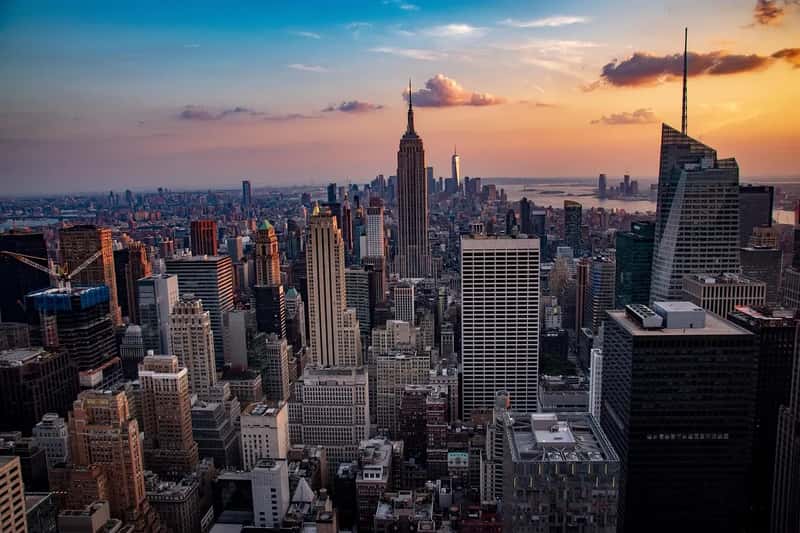
New York City, one of the world’s most visited cities, is experiencing a downturn in international tourism like never before. The New York City Economic Development Corporation had reported that in 2024 the city saw 65 million visitors, yet projections for 2025 were adjusted to about 64 million – a drop that, though modest, signals a significant turning point for the city’s tourism sector. The full scale of the challenge goes deeper than headline visitor counts. NYC Tourism and Conventions projected a loss of 12.1 million international visitors in 2025, representing an alarming 17% drop from previous expectations, attributed to enhanced visa vetting processes and stricter entry requirements that have led to the perception that the United States is no longer as welcoming as it once was.
New York City is also feeling the impact of the decline in international tourism, with international visitor arrivals dropping by 12% in 2025, marking a concerning dip for the city’s tourism sector, while it is the international market that typically drives major spending, especially in hospitality, retail, and cultural sectors. Iconic attractions such as Times Square, the Statue of Liberty, and the Metropolitan Museum of Art have seen fewer international tourists, leading to a $2.8 billion loss in visitor spending in the city alone – a loss with profound implications, as tourism-generated revenue supports over 350,000 jobs.
5. San Francisco, USA: A City Still Climbing Back From Rock Bottom
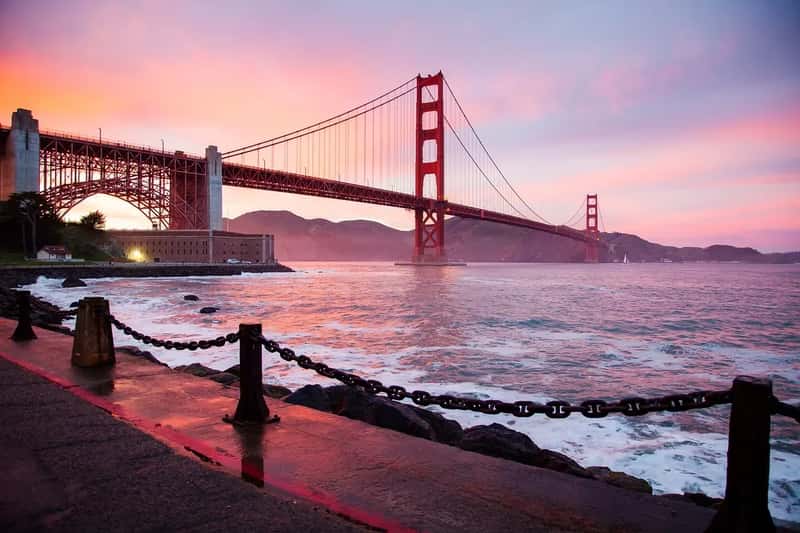
After hitting rock bottom in 2024, San Francisco’s long-awaited tourism recovery is finally materializing, with the city seeing strong hotel performance so far this year, even as many other major U.S. destinations struggle with softening demand. Still, international tourism remains a persistent problem. SF Travel’s agency projects that 2.26 million international travelers will have come to the city by year-end 2025, down 3.2% from 2024, and the amount they will have spent here is forecasted to decline 2.7%, to $4.89 billion, while visits from Canada are down 15% and there are 7.8% fewer tourists coming from Mexico.
In 2019, a record-breaking year for San Francisco tourism, the city hosted 2.9 million international visitors – and though this group represented less than 30% of overnight visitors, it was responsible for more than 60% of spending. That lopsided math explains why the international decline hurts so much. The city’s hotel demand remains 20% below 2019 levels, making it one of the least-recovered markets among top U.S. destinations, with “downside risks remaining elevated,” according to hospitality analytics experts at CoStar Group.
6. Dubrovnik, Croatia and the Broader European Ripple Effect
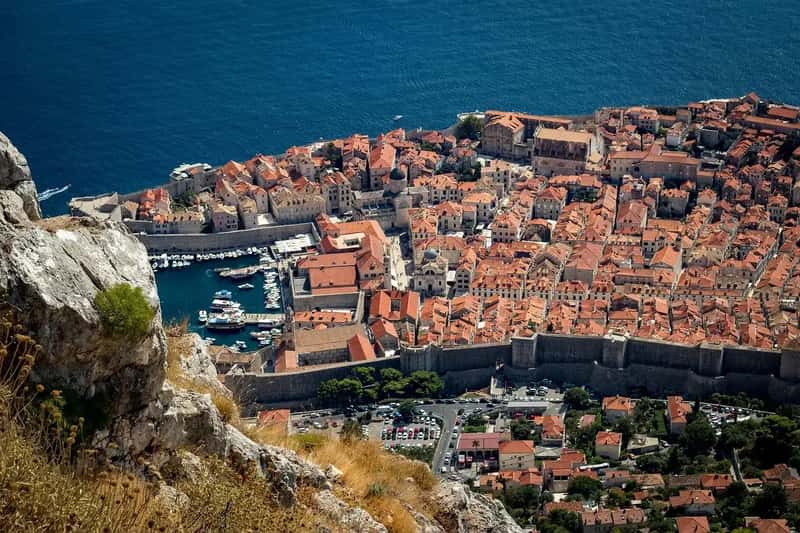
Croatia’s coast, particularly Dubrovnik, has become synonymous with overtourism, and the Croatian Bureau of Statistics reported that in May 2025 there were 5.1 per cent fewer arrivals and 15 per cent fewer tourist nights in commercial accommodations compared with May 2024. This is a city that has felt the weight of its own fame for years. In Dubrovnik, after daily caps on cruise visitors were introduced, some port-related revenues declined, but hotel occupancy and length of stay increased, suggesting a possible shift toward slower, higher-value tourism.
The broader picture across Europe is one of deliberate recalibration combined with genuine demand shifts. Across Europe in 2024 and 2025, cities like Amsterdam and Barcelona are deliberately slowing or reducing tourist numbers through caps, higher taxes, and strategies that prioritise value over volume, while Dubrovnik shows how destinations with high tourism intensity and seasonality are vulnerable to demand shifts where small changes in foreign visitor behaviour can lead to notable declines. The United Nations World Tourism Organization predicts that the number of worldwide tourists, which peaked at 1.5 billion in 2019, will reach 1.8 billion by 2030 – likely leading to increased pressure on highly desirable travel spots. For cities already struggling to manage what they have, that projection is anything but reassuring.