English has become the connective tissue of global business, science, and travel, yet the countries that speak it best on a day-to-day basis are rarely the ones you’d expect. Nowhere is this clearer than in the EF English Proficiency Index, the world’s largest annual study of adult English skills among non-native speakers. The 2025 edition, released by EF Education First in November 2025, drew on data from 2.2 million test takers across 123 countries and regions to rank nations by their functional command of English.
What makes this list so interesting is that none of these countries have English as their mother tongue, yet many residents speak it with a fluency that rivals native speakers. From windmill-dotted Dutch provinces to Alpine Austrian towns, these nations have built English into their schools, workplaces, and everyday culture. Here are the nine countries currently leading the way, according to the latest EF EPI rankings.
1. Netherlands
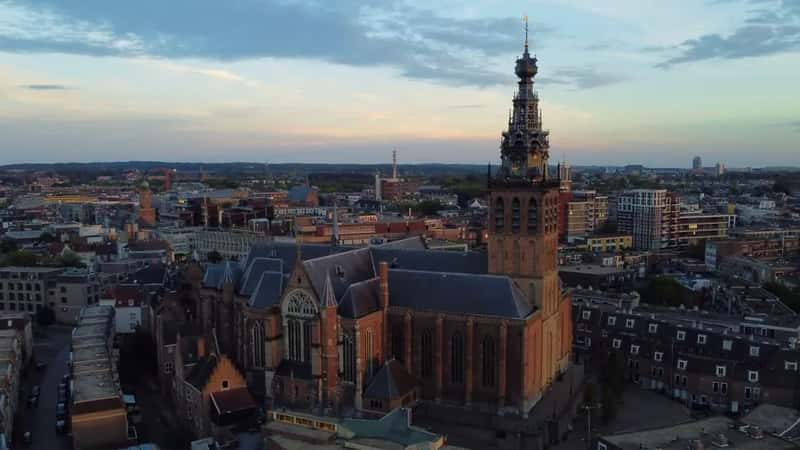
The Netherlands has topped the EF EPI rankings for years, and the 2025 edition confirms it once again as the world’s number one non-native English speaking nation. The Netherlands scored 624 points, placing it first among 123 countries and regions with a proficiency level classified as very high. The country’s small population and export-driven economy have long pushed Dutch schools to prioritize English from an early age, and it shows in everything from television subtitling to university lecture halls.
Dutch universities have leaned so heavily into English instruction that entire degree programs are now taught almost exclusively in the language. This immersion, paired with widespread exposure to English-language media, has helped the country maintain its lead for well over a decade. The Netherlands achieved this top rank for the sixth time since 2011, drawing on data from more than 2 million test takers.
2. Croatia
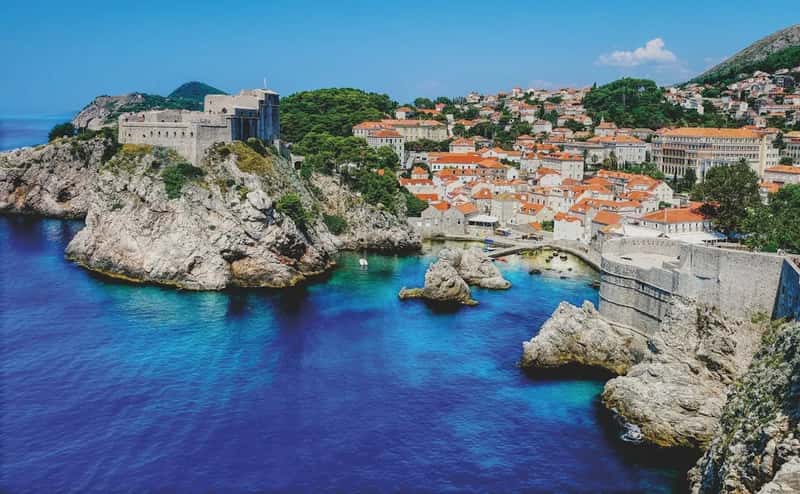
Croatia has quietly climbed the rankings to secure second place in the latest index, a notable jump that surprised many observers of the report. Croatia scored 617 points in the 2025 edition, placing it just behind the Netherlands among the very high proficiency band. EF’s own summary of the 2025 results specifically flagged Croatia as one of the standout improvers this year.
EF noted that Croatia improved its ranking alongside Austria as one of the top performers in this year’s index. The country’s tourism-heavy economy, where English is essential for dealing with the millions of visitors who flock to the Adriatic coast each summer, likely plays a role in this steady rise. Younger Croatians in particular tend to grow up with heavy exposure to English-language films, music, and online content, all consumed without dubbing.
3. Austria

Austria has moved firmly into the top tier of English speakers worldwide, landing in third place with a score that reflects years of steady improvement. Austria posted a score of 616 in the 2025 EF EPI, keeping it within the very high proficiency category alongside its northern neighbors. The country benefits from close cultural and economic ties to Germany while still carving out its own strong showing in English education.
Vienna’s status as a hub for international organizations, including several United Nations agencies, has made English fluency practically a professional requirement for many residents. EF specifically highlighted Austria as one of the countries that improved its position in this year’s rankings. Austrian schools also introduce English early in the curriculum, often starting in primary school, which helps build a strong foundation well before students reach university age.
4. Germany
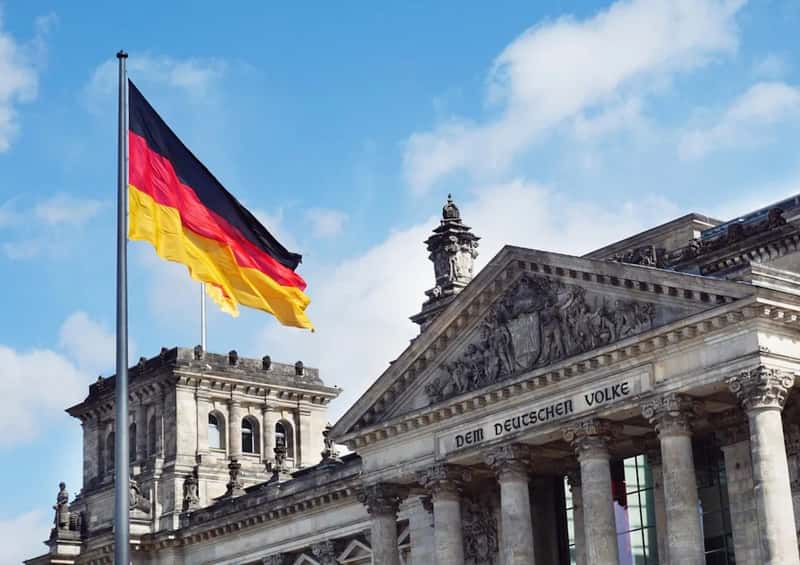
Germany has climbed into fourth place, marking one of the more significant moves in this year’s European rankings. Germany scored 615 points in the 2025 index, edging into the very high proficiency band just behind Austria. This represents a meaningful jump from previous years, reflecting broader gains across the country’s workforce and student population.
EF’s official announcement of the 2025 results called particular attention to this rise. Germany climbed to fourth place with one of the biggest gains recorded anywhere in Europe this year. Germany’s large export economy, deep integration with EU institutions, and popular English-medium university programs all likely contribute to this upward trend, especially among younger professionals working in international-facing industries.
5. Norway
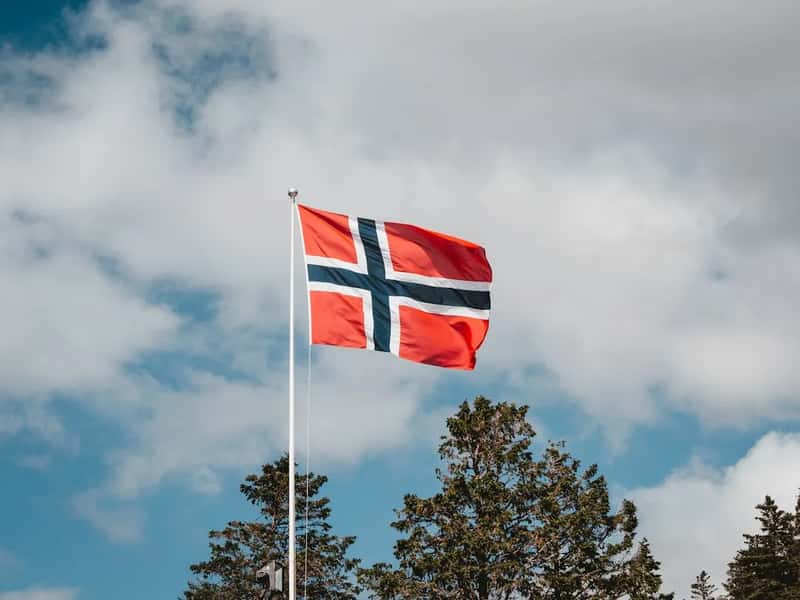
Norway remains a perennial powerhouse in English proficiency, consistently ranking among the top nations year after year. Norway scored 613 points in the 2025 edition, placing it fifth globally within the very high proficiency band. This continues a long streak of strong performances for the Scandinavian country, which has held a top-five spot in multiple recent editions of the index.
Norwegian television and film rarely dub foreign content, meaning children grow up hearing natural spoken English from a young age through cartoons, movies, and streaming services. In the 2024 edition of the index, Norway actually held second place overall, just behind the Netherlands. Combined with an education system that introduces English instruction early and often, this cultural exposure helps explain why Norwegians consistently perform so well.
6. Portugal

Portugal has emerged as one of the stronger English-speaking nations in southern Europe, a region that historically lagged behind its northern neighbors. Portugal scored 612 points in the 2025 index, landing in sixth place within the very high proficiency category. This places Portugal well ahead of other Mediterranean countries like Spain and Italy, which typically rank much lower on the same list.
Portugal’s growing popularity as a destination for international remote workers and digital nomads has likely reinforced the importance of English in everyday commerce, particularly in cities like Lisbon and Porto. Younger Portuguese generations, much like their Scandinavian counterparts, have grown up watching subtitled rather than dubbed English-language television, which builds listening comprehension naturally over time. This exposure, paired with strong public education investment, has helped Portugal consistently outperform expectations for a country of its size and geography.
7. Denmark
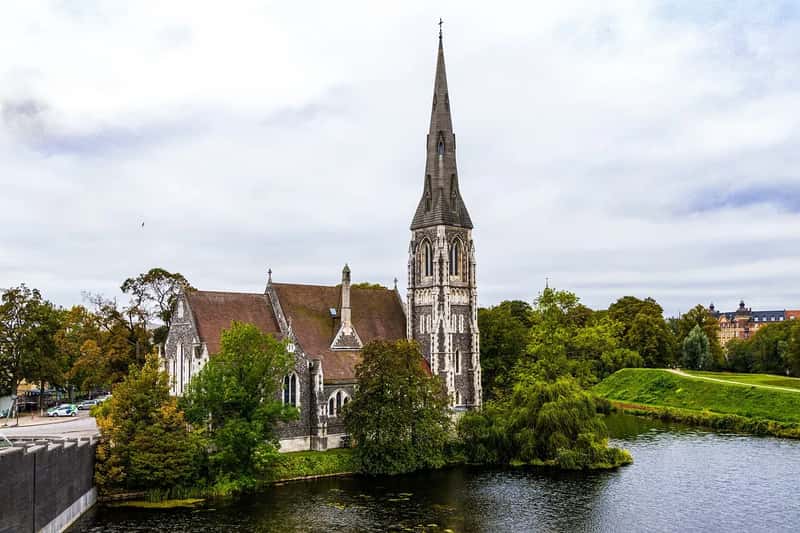
Denmark rounds out the upper tier of the rankings with a score that keeps it firmly in the very high proficiency band. Denmark scored 611 points in the 2025 index, placing it seventh among all 123 countries and regions assessed. This is a slight shift from the previous year, when Denmark actually led the broader Nordic region.
In the 2025 index, Denmark led the Nordic region, edging out Sweden and Norway by a fraction of a point, with differences between the Nordic countries remaining small. Danish schools begin English instruction early and maintain it consistently through secondary education, while the country’s small population and international trade orientation make English fluency a practical necessity rather than an academic luxury.
8. Sweden
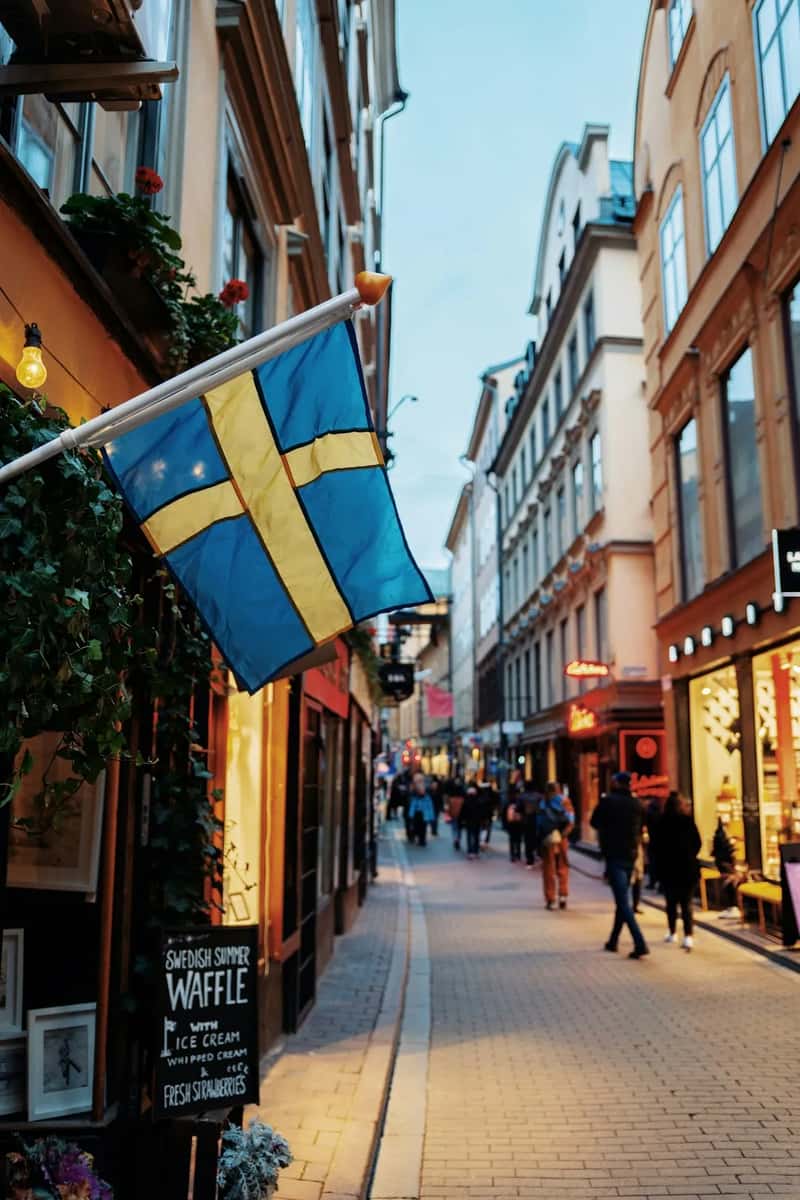
Sweden continues its long tradition of strong English proficiency, landing in eighth place in the most recent index. Sweden scored 609 points in the 2025 edition, maintaining its place within the very high proficiency band. Sweden has appeared near the top of this ranking for years, reflecting a national education system that treats English almost as a second working language rather than a foreign one.
In the prior year’s report, Sweden performed even more strongly relative to its neighbors. The Netherlands’ leading status was followed by Norway, Singapore, Sweden, and Croatia as the top five non-native English speaking populations in the world in 2024. Swedish media, much like Danish and Norwegian broadcasting, favors subtitles over dubbing, giving residents constant informal exposure to spoken English from childhood onward.
9. Belgium
Belgium closes out the top nine with a solid showing that reflects its position as a genuinely multilingual society. Belgium scored 608 points in the 2025 index, placing it ninth globally within the very high proficiency band. This is a notable achievement for a country already juggling three official languages across its Flemish, Walloon, and German-speaking communities.
Belgium’s role as home to the European Union’s main institutions in Brussels means English functions as a practical bridge language between different linguistic communities within the country itself. Many Belgians grow up bilingual or trilingual already, and English often becomes a natural fourth language absorbed through international business, EU affairs, and widespread access to English-language media and higher education programs.
Taken together, these nine countries illustrate a pattern that goes beyond simple geography or economic size. Smaller nations with limited native speaker populations, heavy exposure to subtitled rather than dubbed media, and education systems that introduce English early tend to dominate this list year after year. It’s worth remembering that the EF EPI reflects self-selected test takers rather than entire national populations, so it offers a useful signal rather than a perfect census of every citizen’s ability.
Still, the broader trend is unmistakable. European countries, particularly those in northern and central Europe, continue to treat English less as a foreign subject and more as a practical life skill woven into daily existence. As global communication and remote work continue to blur national borders, the gap between these high-proficiency nations and the rest of the world will likely remain one of the more telling metrics of how connected a country truly is to the wider world.